Award-Winning Elementary School Reading Tutors
serving Palm Bay, FL
Elementary School Reading
Tutors in Palm Bay
Private 1-on-1 tutoring, weekly live classes for academic support, test prep & enrichment, practice tests and diagnostics, and more to elevate grades and test scores.
Based on 3.4M Learner Ratings
UniversitiesSchools & Universities
DeliveredHours Delivered
ProficiencyGrowth in Proficiency
Who needs tutoring?
No obligation. Takes ~1 minute.
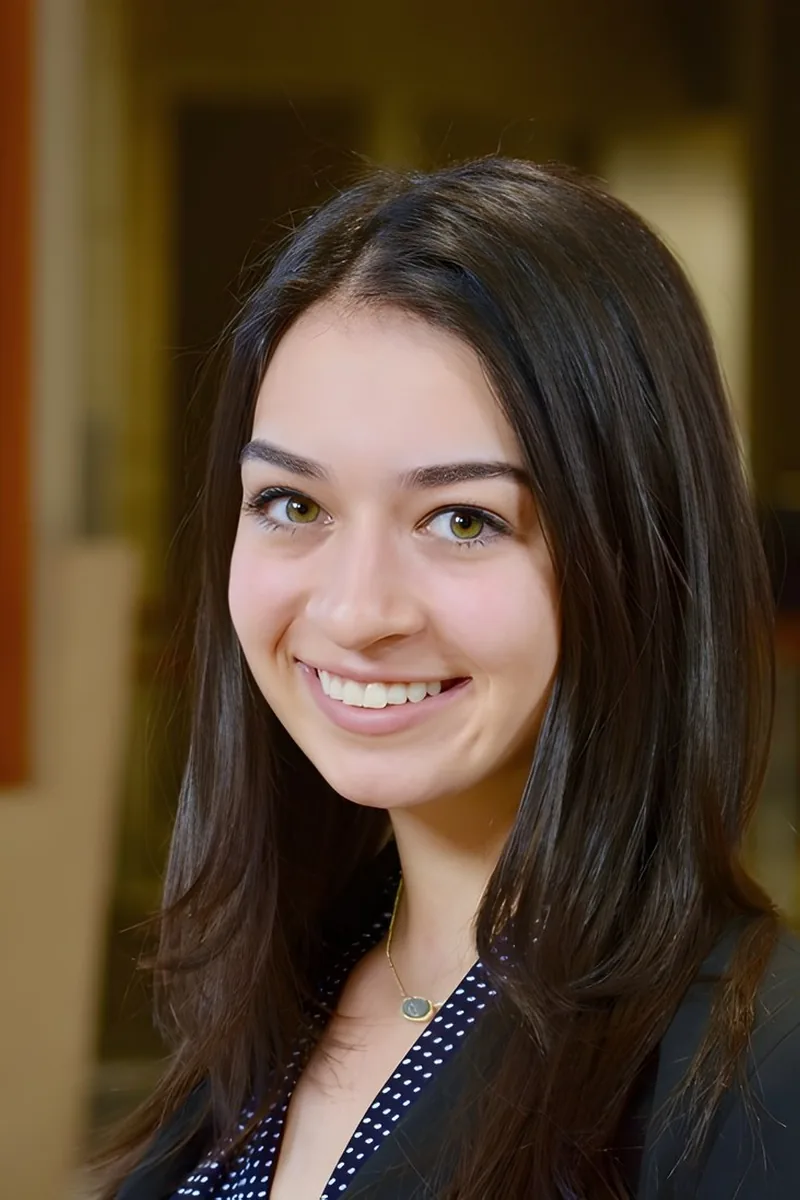
Phonics patterns, sight words, and reading fluency each require a different kind of practice, and Tiffany tailors her approach depending on where a young reader is struggling. She uses context clues and guided questioning to build comprehension alongside decoding skills. Her organized, patient teaching style is a natural fit for elementary learners who need consistency.
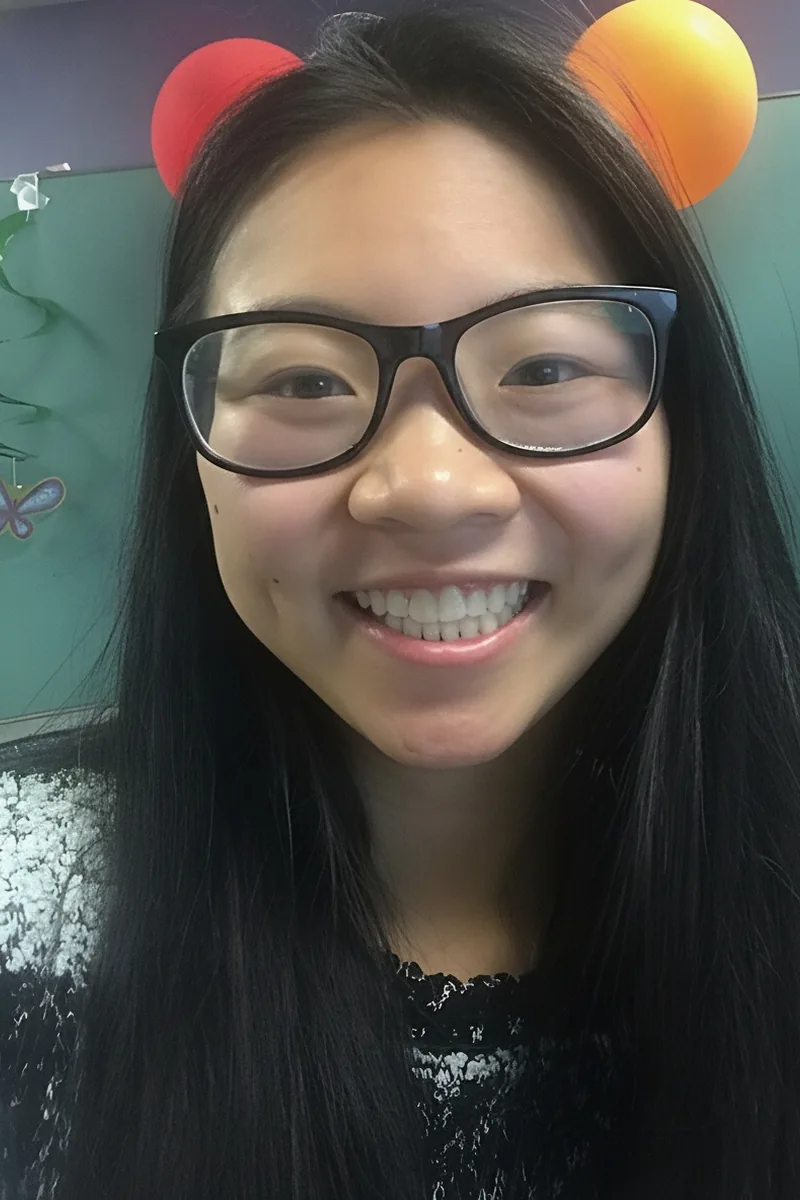
I am graduated from Penn State University in Industrial Engineering in 2017. I've tutored ever since I was in high school, and I love helping people! I like to help my students understand math (and other topics) instead of just doing it blindly. My goal is to help my students improve their math (and other topics) and build skills that will help them find learning easier in the future! Fun fact, I used to work for Disney and I like to salsa dance!
Libby's anthropology training — studying how people communicate across cultures — gives her an unusual lens for elementary reading: she treats every story as a window into someone else's world, which keeps young readers curious and asking questions. Her experience with Deaf children and kids on the autism spectrum means she's skilled at adapting how she teaches decoding and comprehension to match how each child actually processes language.
Building reading confidence early changes everything about a student's academic trajectory. Apoorva takes a patient, structured approach with younger readers — working through phonics patterns, sight word recognition, and reading-aloud fluency at a pace that keeps kids engaged without overwhelming them.
Early reading skills like decoding, fluency, and making predictions set the trajectory for everything that comes after. Conor brings his classroom experience as a Language Arts teacher to elementary readers, breaking stories into manageable pieces and asking the kinds of questions that build genuine comprehension rather than just word recognition.
Early reading skills like phonics and sight words are just the starting line — the real goal is comprehension, and that's where Danielle zeroes in. She teaches elementary readers to make predictions, ask questions about what they've read, and retell stories in their own words, building the kind of active reading habits that carry through every grade after.
Elementary reading is where lifelong habits form: decoding unfamiliar words, making predictions, and retelling a story in sequence. Robert zeroes in on comprehension strategies like identifying main ideas and asking questions during reading, not just answering them afterward. His patient, structured approach turns reluctant readers into kids who actually want to find out what happens next.
Getting young readers excited about books matters more than any single skill at this stage, and Logan's own love of reading comes through immediately. He breaks down phonics, fluency, and comprehension strategies in ways that keep elementary-age kids engaged rather than frustrated, building confidence one chapter at a time.
Early reading skills like phonics, sight words, and fluency need consistent, patient practice — and Sabrina brings exactly that from her years teaching elementary school. She pinpoints where a child is getting stuck, whether it's blending sounds, retelling a story, or making connections between the text and their own experience. Each session builds on the last so progress feels steady and visible to both the child and the parent.
I am a senior at Vanderbilt University studying English (Creative Writing) and Quantitative Methods. I currently tutor a wide range of subjects from elementary school reading and writing to ACT prep to college-level English and literature and also offer studying and organizational skills within academic coaching.
Early reading confidence comes from connecting decoding skills to actual comprehension — not just sounding out words but understanding what a passage is really saying. Kaitlyn uses questioning techniques that teach kids to make predictions, identify main ideas, and notice context clues on their own. As a lifelong reader herself, she knows how to make books feel like something worth getting into.
Teaching young readers is about building genuine excitement around books while strengthening the fundamentals — phonics, fluency, vocabulary, and basic comprehension. Ari spent this past year tutoring at an elementary school near Columbia, working directly with early readers on decoding strategies and reading aloud with confidence. His patience and enthusiasm for storytelling make him a natural fit for kids just discovering what reading can do.
Phonics patterns, sight words, and early chapter books each require a different kind of reading support, and Lindsey adjusts her approach depending on where a child is in that progression. Her double major required massive amounts of close reading across science and humanities, so she understands firsthand how fluency and comprehension build on each other.
Early readers need someone who can make phonics, sight words, and reading comprehension feel like discovery rather than drills. Nicole's English degree from the University of Miami and her background in language development give her a toolkit for building fluency at every stage — from decoding words on the page to retelling a story in a child's own words. Rated 5.0 by families she's worked with.
Phonics patterns, sight words, and reading fluency all develop faster when a kid feels confident picking up a book. Rick pairs decoding practice with comprehension check-ins — asking "what just happened?" and "what do you think comes next?" — so students learn to read for meaning from the start. His patient, structured teaching style comes from years of instructing peers at UCF.
Early reading confidence comes from decoding skills and comprehension working together — sounding out words means little if a student can't retell what just happened in the story. Rithika pairs phonics and vocabulary practice with active comprehension checks like predicting, summarizing, and asking questions about characters' motivations. Her science-and-humanities background at Stanford keeps sessions varied, drawing from fiction and nonfiction alike.
Early reading skills — phonics, sight words, fluency, and basic comprehension — set the trajectory for everything that comes later in school. Maryam uses a patient, encouraging approach that pairs decoding practice with storytelling to keep young readers engaged and building confidence. She adapts her pacing to each child's level, whether they're sounding out their first chapter book or working on reading-aloud fluency.
Learning to read is one of the most important things a kid will ever do, and the early years are where habits form around phonics, sight words, and reading comprehension. Hannah brings patience and genuine enthusiasm to these sessions, turning stories into conversations about characters and predictions. She's the kind of tutor who makes a reluctant reader want to pick up the next book.
For early readers working on phonics, sight words, or fluency, Jackson brings patience and a genuine enthusiasm for books that's contagious. He tailors each session to where a child is developmentally, whether that means sounding out CVC words or practicing comprehension questions after a read-aloud. His 5.0 rating speaks to how well he connects with younger learners.
Camille turns early reading into an adventure — connecting stories to a child's own curiosity so that decoding words feels like unlocking something real. Her TEFL certification and biology background give her a structured, multi-sensory approach to building sight word fluency and reading confidence. Rated 5.0 by families she's worked with.
Early reading clicks faster when a child connects phonics patterns to words they actually encounter in stories. Aubrie pairs decoding practice with comprehension questions that build vocabulary and inference skills, so students aren't just sounding out words — they're understanding what they read.
Early readers need to build both decoding skills and genuine curiosity about what happens next on the page. Stephanie uses phonics patterns, context clues, and age-appropriate stories to make reading feel like discovery rather than a chore. Her 5.0 rating speaks to how well younger students respond to her approach.
Early reading instruction lives and dies on phonics fluency, sight word recognition, and the confidence to tackle an unfamiliar page without shutting down. Jordan uses read-aloud exercises and targeted word games to strengthen decoding skills while keeping sessions light enough that reading still feels like an adventure. Books and reading are a genuine personal passion for Jordan, and that enthusiasm tends to be contagious with younger learners.
Samantha has taught across enough elementary grade levels to spot exactly where a young reader is getting stuck, whether it's blending consonant clusters, building sight-word fluency, or retelling a story in sequence. She keeps sessions structured but playful, using read-alouds and guided practice to build confidence one skill at a time.
Some kids decode words just fine but can't retell what they read; others struggle to sound out new words entirely. Karen identifies exactly where the breakdown is happening — phonemic awareness, fluency, or comprehension — and uses her early childhood education training to target that specific gap. Her 5.0 rating speaks to how quickly her students start choosing books on their own.
Zachary's background in linguistics and clinical speech therapy means he understands the mechanics of how kids learn to read — from phonemic awareness and decoding to building fluency with sight words. He connects each reading skill to the next so that early readers develop real comprehension habits, not just the ability to sound out words on a page.
Early reading skills like phonics, fluency, and comprehension don't develop on the same timeline for every child. Mary's experience scoring English proficiency tests for multilingual learners through the WIDA program gave her a detailed understanding of how students at different levels process text. She uses that insight to pinpoint exactly where a young reader is getting stuck — whether it's decoding, vocabulary, or making inferences.
All students can learn, however, not all students learn the same way. The key to learning and the most important part of any teachers job is helping students understand how they learn best. That is what I do well.
Building reading confidence early means more than sounding out words — it means learning to ask questions about a story, make predictions, and connect what's on the page to what a child already knows. Michelle's patient, structured approach to phonics, vocabulary, and comprehension keeps young readers engaged and moving forward.
Elementary reading is where phonics, fluency, and comprehension all need to click together. Harrison takes a patient, methodical approach — practicing decoding strategies, building sight-word recognition, and asking the kinds of questions about characters and story events that turn passive reading into active understanding.
I am a law student, but I took an unusual route to get there. I used to attend medical school but had a change of heart in my career path. Part of this was due to my political science major (double major with biology) in college as well as a number of Spanish and other courses that I took. Tutoring is something, I feel, that has come naturally to me, even back to my high school days. My goal is to help you learn as much as you can and reach your true potential. I will work hard to make sure that this happens, as long as you put in the work, too! We will work together to tailor your learning experience to your needs.
Early reading confidence comes from mastering phonics patterns, building sight-word recognition, and learning to use context when a new word appears. Alokika, rated 5.0 by families she's worked with, keeps younger readers engaged by connecting stories to their own interests and asking questions that build comprehension naturally alongside decoding skills.
Phonics, sight words, fluency, and basic comprehension questions are all part of learning to read — but every child hits different stumbling blocks along the way. Liraz pinpoints where a young reader is getting stuck and uses targeted practice to build both decoding skills and the confidence to tackle new texts independently.
Early reading clicks when a child connects sounds to letters and letters to meaning — and then realizes a story is something they can unlock on their own. Vivian teaches phonics and decoding alongside comprehension basics like identifying characters, settings, and main ideas, building each skill in a sequence that keeps young readers moving forward.
Payal turns elementary reading sessions into detective work, teaching kids to hunt for clues in a story — what a character's actions reveal about their feelings, why an author chose a particular word, or what might happen next based on patterns in the plot. Her patient, 5.0-rated approach keeps young readers curious instead of frustrated.
Early reading clicks when a child connects sounds to meaning, not just letters to sounds. Denisse uses context clues, sight-word recognition, and read-aloud strategies to turn decoding into actual comprehension — the kind where a young reader can retell a story in their own words and explain why a character made a choice.
Phonics rules, sight words, and reading fluency all click faster when a tutor knows how to match the right book to the right kid. Kat zeroes in on each reader's level and interests, then uses those texts to build decoding skills and comprehension habits that carry into the classroom. Her 5.0 rating speaks to how well she connects with younger learners.
Early reading confidence comes from mastering phonics, sight words, and the ability to make sense of a story as it unfolds. Elizabeth uses structured, step-by-step practice to build fluency and comprehension simultaneously, so students aren't just sounding out words — they're understanding what they read. Her experience tutoring across age groups means she knows how to keep younger learners engaged and moving forward.
Early reading skills like phonics, sight words, and fluency need to click before a child can fall in love with books. Kristen's background in phonics instruction means she can pinpoint exactly where a young reader is getting stuck — whether it's blending sounds, recognizing vowel patterns, or building the confidence to read aloud without hesitation.
Getting a young reader to move from decoding words to actually understanding a story requires patience and the right strategies at the right moment. Susan's master's in Applied Learning and Instruction means she knows the research behind how children build reading fluency — phonemic awareness, sight word automaticity, and comprehension monitoring — and she applies that knowledge in every session.
Testimonials
Because the right Elementary School Reading tutor makes all the difference.
Average Session Rating – Based on 3.4M Learner Ratings
Nearby Elementary School Reading Tutors
Other Palm Bay Tutors
Related English Tutors in Palm Bay
Frequently Asked Questions
Many elementary readers struggle with phonics foundations, building fluency, and comprehending more complex texts as they progress through grades. Other common challenges include difficulty with sight word recognition, trouble connecting what they read to prior knowledge, and losing focus during longer reading passages. Personalized 1-on-1 instruction helps identify exactly where a student is stuck and targets those specific gaps with strategies tailored to their learning style.
The first session focuses on understanding your child's current reading level, strengths, and specific challenges through conversation and informal assessment. A tutor will ask about favorite books, reading habits, and any frustrations your student has experienced. This information helps create a personalized learning plan that builds confidence while addressing skill gaps in phonics, fluency, comprehension, or other areas.
Comprehension improves when students learn to actively engage with text through strategies like predicting, questioning, visualizing, and making connections. Tutors teach students to slow down, reread challenging sections, and ask themselves what they understood—rather than just moving through words passively. With guided practice and personalized feedback, students build confidence and develop habits that make reading more meaningful and enjoyable.
Fluency is the ability to read smoothly and at an appropriate pace, while comprehension is understanding what you've read—both are essential. A student might read quickly but miss the meaning, or understand deeply but read so slowly that they lose track of the story. Personalized tutoring addresses both skills together, helping students develop the automaticity to recognize words easily so their brain has energy left for understanding.
Phonics is the foundation for early reading success—it teaches students how letters and sounds connect, which is critical in grades K-2. As students progress, they blend phonics with sight word recognition and meaning-based strategies to tackle more complex texts. A tutor can assess whether your child has solid phonics skills and help transition to more advanced reading strategies appropriate for their grade level.
Falling behind in reading can quickly affect confidence and overall academic success, but personalized 1-on-1 instruction makes a real difference. Tutors work at your child's pace, breaking skills into manageable steps and celebrating small wins to rebuild confidence. With consistent, targeted practice in a low-pressure environment, many students catch up quickly and develop a more positive relationship with reading.
Varsity Tutors connects you with expert tutors who have strong backgrounds in elementary education, reading instruction, or related fields. Tutors understand child development, evidence-based reading strategies, and how to adapt instruction to different learning styles. When you get matched with a tutor, you'll know their experience and can feel confident they're equipped to support your child's reading growth.
Many students show noticeable progress within 4-6 weeks of consistent tutoring, especially when addressing specific skills like phonics or fluency. However, the timeline depends on your child's starting point, the challenges they're facing, and how frequently you meet. A tutor can give you a clearer picture after the first few sessions and help set realistic, encouraging goals for your student's reading journey.
Let’s find your perfect tutor
Answer a few quick questions. We’ll recommend the right plan and match you with a top 5% tutor.