Award-Winning Executive Functioning Tutors
serving Palm Bay, FL
Executive Functioning
Tutors in Palm Bay
Private 1-on-1 tutoring, weekly live classes for academic support, test prep & enrichment, practice tests and diagnostics, and more to elevate grades and test scores.
Based on 3.4M Learner Ratings
UniversitiesSchools & Universities
DeliveredHours Delivered
ProficiencyGrowth in Proficiency
Who needs tutoring?
No obligation. Takes ~1 minute.
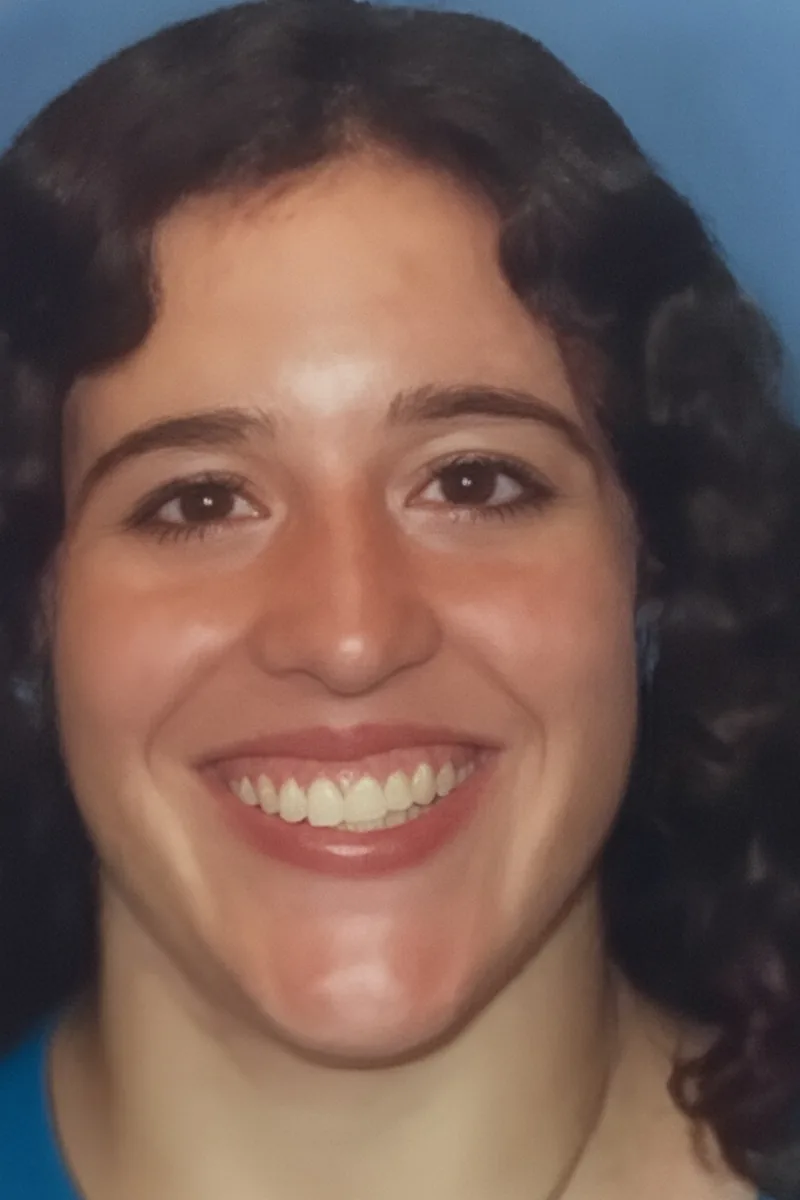
Medical school demands serious executive functioning — juggling anatomy, biochemistry, and clinical rotations means Kaitlyn has battle-tested systems for time management, task prioritization, and breaking large projects into manageable steps. She teaches students how to build their own planning routines, from using calendars effectively to chunking study sessions so material actually sticks. Rated 4.8 by students and families.
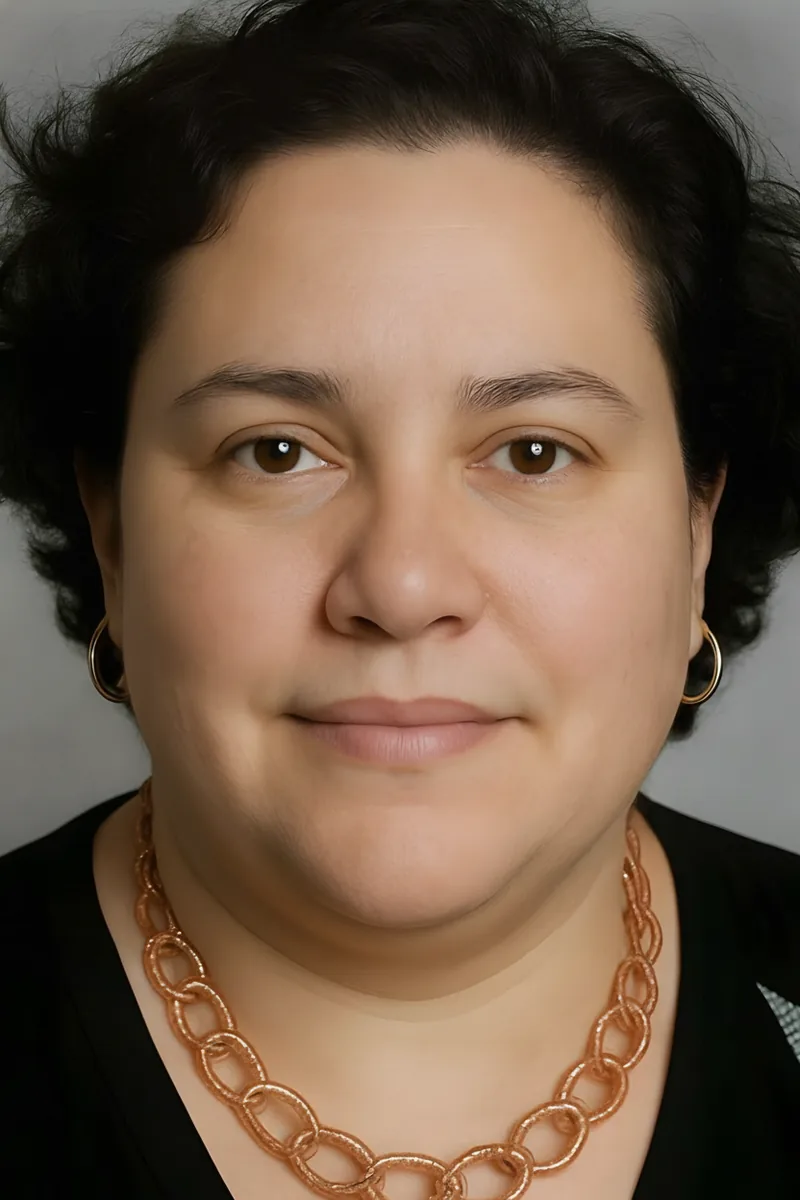
All students can learn, however, not all students learn the same way. The key to learning and the most important part of any teachers job is helping students understand how they learn best. That is what I do well.
Over two decades working with students on IEPs and 504 plans taught Dolmecia exactly where the hidden breakdowns happen — the kid who understands the math but can't start the problem set, or the one whose binder is a black hole of lost worksheets. Her special education certification and finance training give her both the behavioral framework and the structured, systems-oriented mindset to build concrete routines around task initiation, material tracking, and assignment planning tied to a student's actual schoolwork.
The best part of tutoring is promoting students' long-term success through mastery of reading, writing, math, study skills, organization, and critical thinking. In particular, I enjoy helping students build test-taking strategies and core skills for the ACT, SAT, and other admissions tests. I also support pre-K and K-12 students learning math and ELA. Before joining Varsity, I tutored in a Reading and Writing Lab for university students with learning disabilities where I earned a College Reading and Learning Association (CRLA) certification. Since joining Varsity, I have completed continuing education through the Lastinger Center for Learning. I graduated from the University of Arizona in 2021 with a BA in Cultural Anthropology. In addition to tutoring, I have worked as an instructional aide for an art program, an applied anthropology researcher, and a nonprofit program coordinator. Out of all these experiences, I enjoy tutoring the most. I look forward to working with you!
Candice's Fulbright teaching experience in Taiwan and her years as a classroom aide and afterschool mentor gave her constant practice recognizing when a student's real obstacle isn't the content but the inability to start, sequence, or sustain a task independently. She weaves executive functioning strategies — like breaking a writing assignment into discrete stages or building a nightly homework launch routine — directly into the English and literacy work she already does with students. That integrated approach means kids practice planning and self-monitoring on real schoolwork, not hypothetical scenarios.
My goal is to ensure every student I tutor understands math and builds the confidence to bring about fundamental changes about how they solve problems, even if they haven't seen it before.
Hi, I'm Anna! I graduated from NYU with a joint degree in Economics and Mathematics with High Honors. I've taken (and tutored) a lot of math classes, and I understand how hard it can be to keep up in a big class where you can't stop the teacher every time they lose your attention, or you don't even know what you don't know. I help students one-on-one to figure out the specifics of what they're missing, so they can truly understand the material and move forward in their academic journey with confidence.
Planning a multi-step assignment, managing time across subjects, breaking a big project into smaller pieces — these are skills that don't come naturally to every student. Heather's clinical psychology training gives her a framework for teaching organizational strategies that actually stick, and she tailors each system to how a student's brain already works rather than forcing a one-size-fits-all planner approach.
Ten years ago, I started as an elementary substitute while attending Hanover College. As my interests in the education field changed and progressed, my philosophy stayed the same; education is something that can happen anywhere, not just in the traditional classroom. I went on to gain a Master's in School Librarianship & Facilitated Learning from Indiana University-Indianapolis. During this time I had started actually teaching, first with library sciences, elementary technology, elementary science, and tutoring. Over the past six years, I have tutored; homework help, organization, special education, exam reteaching, and mentoring for students from 3rd grade through adults taking professional licensing exams (ie. PRAXIS). While things have changed, my passion is still finding what a student needs for their best learning possible, and adapting content to work with them. My philosophy is simply that I think everyone can learn, sometimes we just have to look at the education differently.
Planning, prioritizing, managing time, shifting between tasks — these are the invisible skills that school demands but rarely teaches outright. Elise breaks executive functioning into concrete, practicable habits: using checklists to start assignments, setting timers to maintain focus, and building routines for organizing materials. Her special education training means she understands the neurological side of these challenges, not just the behavioral one.
Allison's Master's in Education from George Washington University centered on instructional design — figuring out why information doesn't stick and restructuring the process so it does, which is essentially what executive functioning coaching requires. She applies that design thinking to help a student reverse-engineer a stalled essay or a missed deadline, identifying whether the breakdown was in task initiation, time estimation, or material organization, then building a repeatable system around it. Her broad teaching range across writing, math, and test prep means those systems get tested against real coursework, not hypothetical scenarios.
A PhD in philosophy trains you to hold complex arguments in your head, sequence multi-part proofs, and manage long-term research without external scaffolding — Christine now unpacks those same cognitive skills for students who struggle with planning, task initiation, and self-monitoring. Her breadth across math, writing, and business subjects means she can embed executive functioning strategies directly into whatever assignment a student is actually stuck on, whether it's a geometry problem set or a college essay draft.
Planning, time management, task initiation, emotional regulation — executive functioning deficits show up differently in every student, and Mati's doctoral training in learning disabilities means she can pinpoint which skills are lagging and why. She builds individualized systems like visual schedules, chunked assignments, and self-monitoring checklists that students actually use because they're designed around how each person's brain works, not a generic planner template.
I've helped several hundred students in a wide variety of subjects, from executive functioning to computer science to standardized testing. I also help students with general support in math and English. Most of my students are around 9-17, but I work well with students who are older and a little younger as well. I also work very well with students who have specific obstacles or requirements, such as neurodiversity support or schedules that change a lot. Most of my background is in computer science, from my college major to my experience hands-on over the past 10 years. Regardless of the subject, I believe every student's needs are unique and every student is able to achieve great things with the right preparation and support. My number one goal is to provide that whenever I can, both to the student and to their parents. I communicate with parents outside of sessions a lot to establish their expectations, better understand students, and recommend ways they can directly support their children in their journey as well.
I currently work for an afterschool enrichment program (Best Brains) tutoring elementary English and math, and I have 4+ years of experience as a private ESL tutor for both children and adults. I am working toward my Masters of Science in Secondary English Education and ESL at the University of Wisconsin- Madison. I graduated from the University of Oregon with a Bachelor of Arts in Comparative World Literature and Japanese, and from the University of Wisconsin-Madison with a Master of Arts in Japanese Language and Literature. I began tutoring while I was in high school, assisting with algebra homework. In college, I volunteered as a kindergarten reading assistant through a program called Start Making a Reader Today. I later volunteered while in graduate school at a local high school tutoring students in beginner Japanese. I have also been employed by the University of Wisconsin as a Teaching Assistant, and taught in Religious Studies and East Asian Studies. In all cases, it has been a pleasure watching students progress in their academics and to see them grow as young scholars. I especially enjoy teaching language arts because of the feeling of connection that language can bring. My favorite part of teaching is seeing the smiling face of someone the moment that they finally "get" something they've been struggling with and watching their confidence boost. In my free time, I host a small book club, pen pal with friends around the world, and try my hand at new recipes.
Testimonials
Because the right Executive Functioning tutor makes all the difference.
Average Session Rating – Based on 3.4M Learner Ratings
Nearby Executive Functioning Tutors
Other Palm Bay Tutors
Frequently Asked Questions
Executive functioning refers to the mental processes that help us plan, organize, manage time, focus attention, and regulate emotions—skills essential for academic success and daily life. Students with strong executive functioning skills are better equipped to break down assignments, meet deadlines, and stay organized. In Palm Bay's schools, where the average student-teacher ratio is 16.8:1, students often need extra support developing these critical skills beyond what classroom instruction alone can provide.
Many students struggle with time management, difficulty starting tasks, disorganization, working memory issues, and trouble prioritizing assignments—challenges that often worsen as academic demands increase. Some students know what to do but struggle with the "how" of execution, such as breaking large projects into manageable steps or managing distractions. Personalized instruction helps identify which specific executive functioning skills need development and builds strategies tailored to each student's learning style and needs.
In a classroom setting, teachers address executive functioning strategies for an entire class, but individual students have different skill gaps and learning preferences. Personalized 1-on-1 instruction allows tutors to diagnose specific challenges, teach targeted strategies, and practice them in real-time with immediate feedback. This focused approach helps students build confidence and develop habits that transfer across subjects and into their daily lives.
Your first session begins with an assessment of your current executive functioning skills—how you approach organization, planning, time management, and task initiation. The tutor will ask about your biggest challenges, what strategies you've tried, and what your goals are. From there, you'll develop a personalized plan that targets your specific needs and builds practical skills you can use immediately in school and at home.
Improvement shows up in concrete ways: completing assignments on time, better organization of materials and schedules, reduced stress around deadlines, and improved grades as a result of stronger planning and focus. Many students also report feeling more confident and in control of their workload. Tutors help you track progress through specific goals—like maintaining a planner, breaking projects into steps, or managing distractions—so you can see tangible results over time.
Yes, executive functioning skills are important from elementary school through college and beyond. Younger students benefit from learning foundational organizational and planning skills, while middle and high school students often need support managing increased workload and complex projects. Even college-bound students find that personalized instruction helps them develop independence and strategies for managing academic demands at the next level.
Absolutely. Many students benefit from combining executive functioning support with tutoring in specific subjects like math or writing. When you work on both organization and subject skills together, you see faster progress because strong executive functioning directly supports better learning in individual subjects. Varsity Tutors connects you with tutors who can address both areas or coordinate with other specialists to ensure comprehensive support.
Getting started is simple—connect with Varsity Tutors to discuss your specific challenges and goals, and you'll be matched with an experienced tutor who specializes in executive functioning. Your tutor will work with you to create a personalized plan and begin building the skills and strategies that work best for your situation. Most students see meaningful progress within the first few weeks of consistent, focused instruction.
Let’s find your perfect tutor
Answer a few quick questions. We’ll recommend the right plan and match you with a top 5% tutor.