Award-Winning Special Education Tutors
serving Kissimmee, FL
Special Education
Tutors in Kissimmee
Private 1-on-1 tutoring, weekly live classes for academic support, test prep & enrichment, practice tests and diagnostics, and more to elevate grades and test scores.
Based on 3.4M Learner Ratings
UniversitiesSchools & Universities
DeliveredHours Delivered
ProficiencyGrowth in Proficiency
Who needs tutoring?
No obligation. Takes ~1 minute.
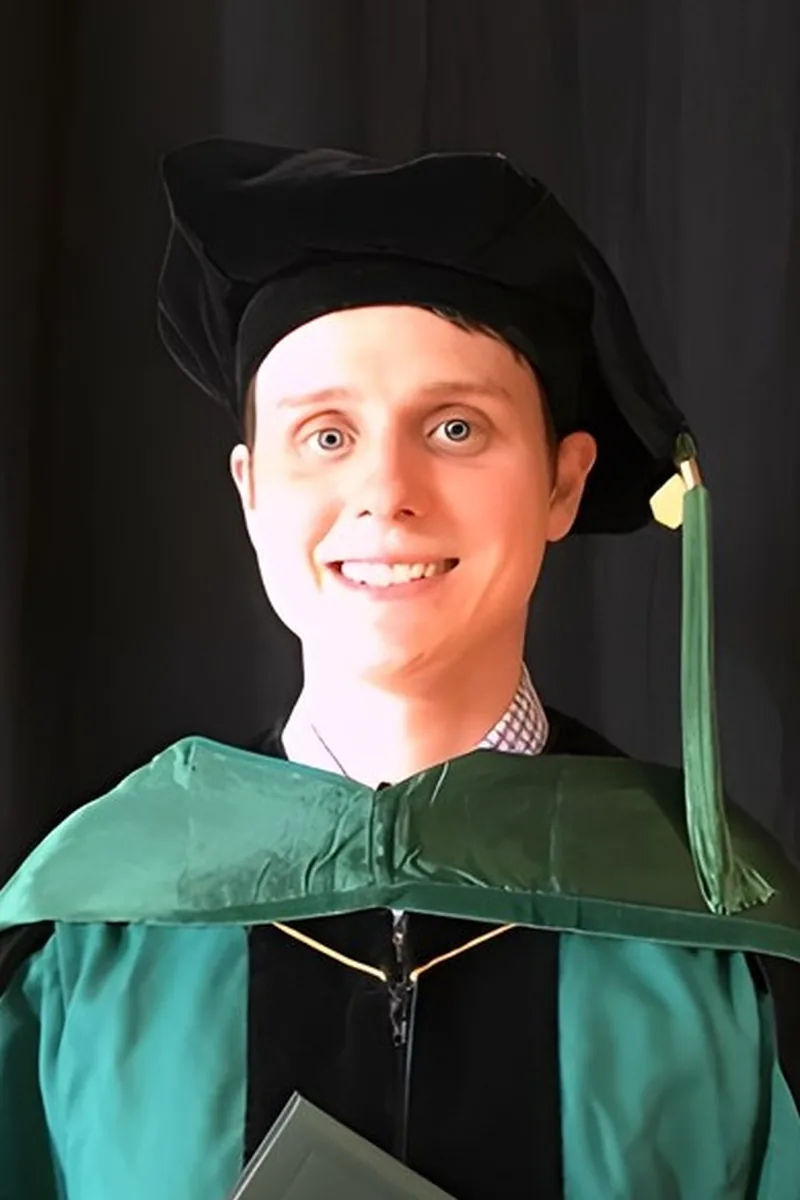
Teaching across dozens of NYC public schools exposed James to students with a wide range of learning differences, from processing delays to attention challenges. He builds individualized approaches — breaking instructions into smaller steps, using multi-sensory reinforcement, and adjusting pacing in real time. His current doctoral work in physical therapy deepens his understanding of how neurological and developmental factors shape the way students learn.

Sabrina holds certification in special education and brings a classroom teacher's instinct for identifying where a lesson loses a student. She redesigns explanations on the fly — using manipulatives, visual models, or simplified language — so learners with IEPs or 504 plans can access grade-level math, reading, and writing content at their own pace.
As a state-certified teacher with special education experience, Marina adapts lessons to match each learner's processing style — whether that means breaking multi-step directions into smaller chunks, using visual supports for abstract concepts, or building in movement breaks that reset focus. Her UCLA background in public health sharpened her understanding of how environment and individual needs shape learning outcomes.
Navian has firsthand experience supporting a family member with autism, which shaped how he adapts explanations, pacing, and encouragement to each learner's needs. He breaks concepts into smaller, concrete steps and checks understanding frequently — building confidence alongside comprehension rather than rushing through material.
Kevin's education studies degree from UCSD included direct work as an academic mentor in underserved San Diego communities, where he learned to adapt instruction for students with widely different learning needs and paces. He breaks complex material into smaller, scaffolded steps and uses visual and hands-on approaches to reinforce understanding. That experience translating difficult content into accessible lessons carries into every session.
Every learner processes information differently, and Michelle adapts her explanations accordingly — whether that means using visual diagrams for a concept like cell division or turning a math problem into a hands-on, step-by-step narrative. Her experience across subjects from elementary math to college-level science gives her a wide toolkit for finding the approach that actually lands with each student.
All students can learn, however, not all students learn the same way. The key to learning and the most important part of any teachers job is helping students understand how they learn best. That is what I do well.
Starting her career in a Varying Exceptionalities classroom, Dolmecia is fluent in reading IEPs and 504 plans and translating their accommodations into real lesson adjustments. She uses manipulatives, visual supports, and multi-sensory strategies to make academic content accessible — whether the goal is grade-level reading, math fluency, or building independence with assignments.
A psychology degree gave Maggie a deep understanding of how learning differences — from ADHD to processing disorders — affect the way students absorb and retain information. She adapts lessons using multi-sensory techniques, scaffolded instructions, and frequent check-ins that keep students engaged without overwhelming them. Her approach is patient and structured, building skills at a pace that respects each learner's needs.
Lena's daily experience as a middle school teacher means she's practiced at adapting lessons on the fly when a student needs a different entry point into material. She breaks tasks into smaller, clearly sequenced steps and uses patient repetition and multi-sensory techniques to reinforce skills in reading, writing, and math. Her approach prioritizes building confidence alongside academic progress.
I am able to create quality, yet comprehensive curriculum for my students that will thrust them to succeed. I am very detailed oriented, creative, and have a passion for ensuring student success. It is my endeavor to combine my range of experience with my wealth of education. This includes being a loving, motivating, supporting, fun, and integral educator who will make a positive contribution to each student. I want to help all students build confidence, which will enhance their self esteem as well as personal values. Reaching this objective will directly reflect in the progression of their academic success.
Occupational therapy is fundamentally about adapting tasks so people can succeed despite neurological, developmental, or learning differences — and that's the perspective Alex brings to tutoring. Currently in Washington University's OT Doctorate program with a neuroscience background, Alex understands how conditions like ADHD, dyslexia, and sensory processing challenges affect learning and tailors strategies accordingly, from breaking assignments into smaller steps to using multisensory approaches for retention.
Every learner processes information differently, and Kate's years in the classroom have sharpened her ability to adapt explanations on the fly — whether that means using visual organizers for a student with ADHD or scaffolding a reading passage into smaller chunks for someone with a processing difference. She builds lessons around each student's strengths rather than forcing a one-size-fits-all approach.
Every learner processes information differently, and Professor Florence draws on her psychology training at UCLA to identify where a student's understanding is breaking down and restructure the material accordingly. She adapts pacing, visual aids, and practice strategies to match each student's learning profile, whether the challenge involves processing speed, attention, or executive function.
Rebecca's graduate training in social work at the University of Chicago, combined with her undergraduate psychology research, gives her a sharp understanding of how different learners process information and what accommodations actually look like in practice. She adapts pacing, breaks down multi-step instructions, and uses individualized reinforcement techniques to keep students engaged and progressing. Rated 4.9 by families she's worked with.
Laura's low-pressure tutoring style is deliberate, not accidental — she paces sessions around each student's comfort level and adjusts explanations on the fly when something isn't landing. Her range across math, science, reading, and writing means she can support students with diverse learning needs without constantly switching tutors. That flexibility, combined with her 5.0 rating, speaks to her ability to adapt material rather than force a one-size-fits-all approach.
A PhD in neuropsychology means Bill understands learning differences — ADHD, dyslexia, processing speed challenges — at the neurological level, not just as labels on an IEP. He adapts his teaching to how each student's brain actually processes information, whether that means restructuring how material is presented or building in specific compensatory strategies for memory and attention.
Theresa adapts her teaching pace, format, and explanations to match how each learner actually processes information, whether that means visual organizers for reading comprehension or step-by-step scaffolding in math. Her range across subjects — from writing to algebra to study skills — means she can meet a student's needs without constantly switching tutors.
Liz has hands-on experience working with children and young adults with ADHD, autism spectrum needs, and other learning and behavioral differences. She adapts pacing, instructions, and materials to each student's processing style — whether that means building in movement breaks, using visual organizers, or restructuring a task so it feels less overwhelming. Rated 4.9 by families she's worked with.
Working professionally with young adults on the autism spectrum taught Hannah something most tutors learn slowly: every learner's brain organizes information differently, and instruction has to adapt in real time. She designs sessions around each student's specific processing style — whether that means breaking multi-step directions into visual checklists, adjusting pacing, or finding alternative ways into a concept that traditional instruction missed. Her 5.0 rating speaks to how well that individualized approach works.
Testimonials
Because the right Special Education tutor makes all the difference.
Average Session Rating – Based on 3.4M Learner Ratings
Nearby Special Education Tutors
Other Kissimmee Tutors
Related Learning Differences Tutors in Kissimmee
Frequently Asked Questions
Varsity Tutors matches Kissimmee students with expert Special Education tutors for 1-on-1 instruction. We pair each student with a tutor based on their specific needs, learning style, and goals.
Whether you need homework help, exam prep, or want to get ahead, our Special Education tutors are ready to help.
Common challenges include gaps from earlier material, difficulty with specific concepts, and trouble applying learning to new problems. These issues can snowball quickly in Special Education.
A tutor identifies where you're stuck, fills in gaps, and provides targeted practice. The 1-on-1 format means you get help exactly where you need it.
Tutors work with your student's actual coursework—homework assignments, class notes, and upcoming tests. This keeps tutoring directly relevant to what's happening in the classroom.
When you share information about your student's school and curriculum, we can match you with a tutor who has relevant experience.
All tutors complete background checks, credential verification, and teaching evaluation. Many of our Special Education tutors hold advanced degrees or have years of teaching experience.
You can review tutor profiles to find someone with the right background for your student's level and needs.
Many students see improved grades within a few weeks, along with better understanding of Special Education concepts and more confidence tackling challenging material.
Tutors track progress and adjust their approach to ensure continued improvement.
Most students benefit from 1-2 sessions per week. More frequent sessions help if your student is significantly behind or has an important exam coming up.
Your tutor can recommend a schedule based on your student's specific situation and goals.
Tutoring is purchased in packages of hours, with rates varying by tutor experience. Varsity Tutors offers several options to fit different budgets and needs.
You can discuss pricing during your consultation to find what works best.
Your tutor will assess where your student is, discuss goals, and start working on priority areas. Most students bring current homework or upcoming test material to focus on.
By the end, you'll have a clear sense of how the tutor can help and a plan for moving forward.
Let’s find your perfect tutor
Answer a few quick questions. We’ll recommend the right plan and match you with a top 5% tutor.