Award-Winning AP Chinese Language and Culture Tutors
serving Washington, DC
AP Chinese Language and Culture
Tutors in Washington
Private 1-on-1 tutoring, weekly live classes for academic support, test prep & enrichment, practice tests and diagnostics, and more to elevate grades and test scores.
Based on 3.4M Learner Ratings
UniversitiesSchools & Universities
DeliveredHours Delivered
ProficiencyGrowth in Proficiency
Who needs tutoring?
No obligation. Takes ~1 minute.
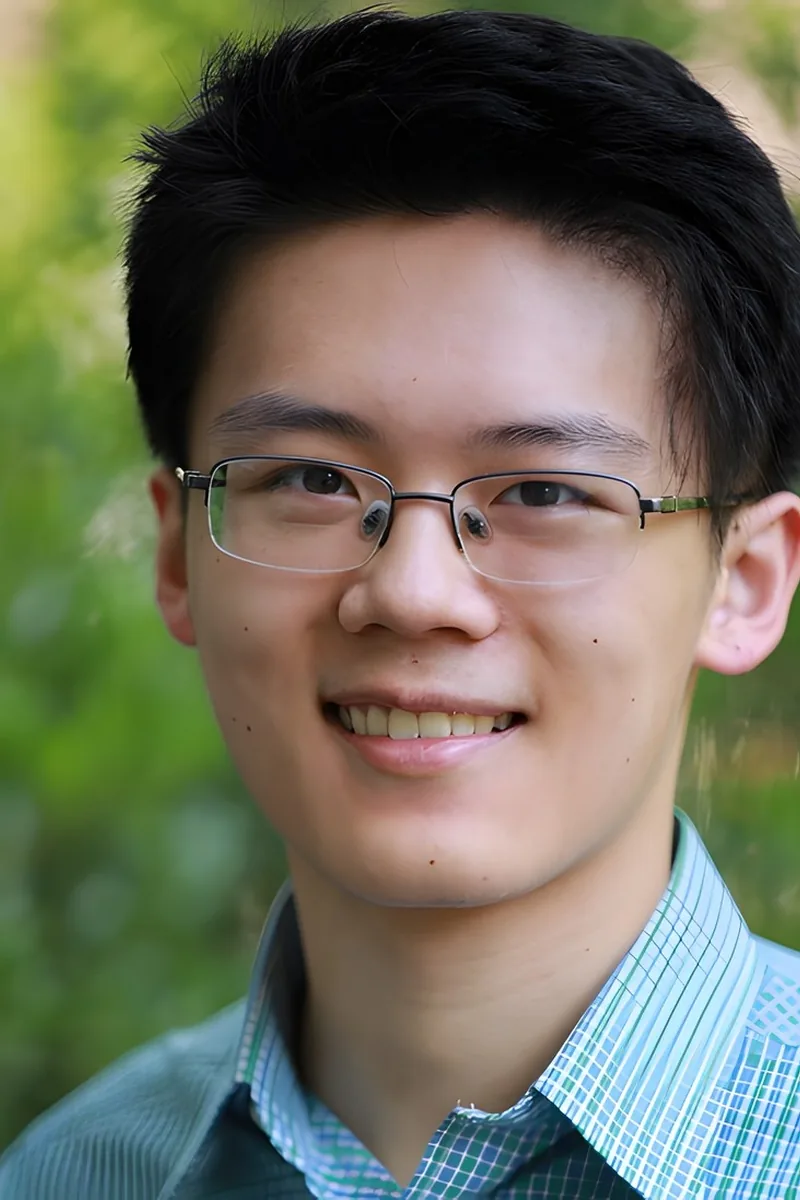
Fluent in Mandarin and experienced with the AP Chinese exam format, JF tackles the presentational writing and interpersonal speaking components that trip up even heritage speakers. He digs into the cultural comparison prompts specifically, showing students how to structure responses that hit every rubric criterion.
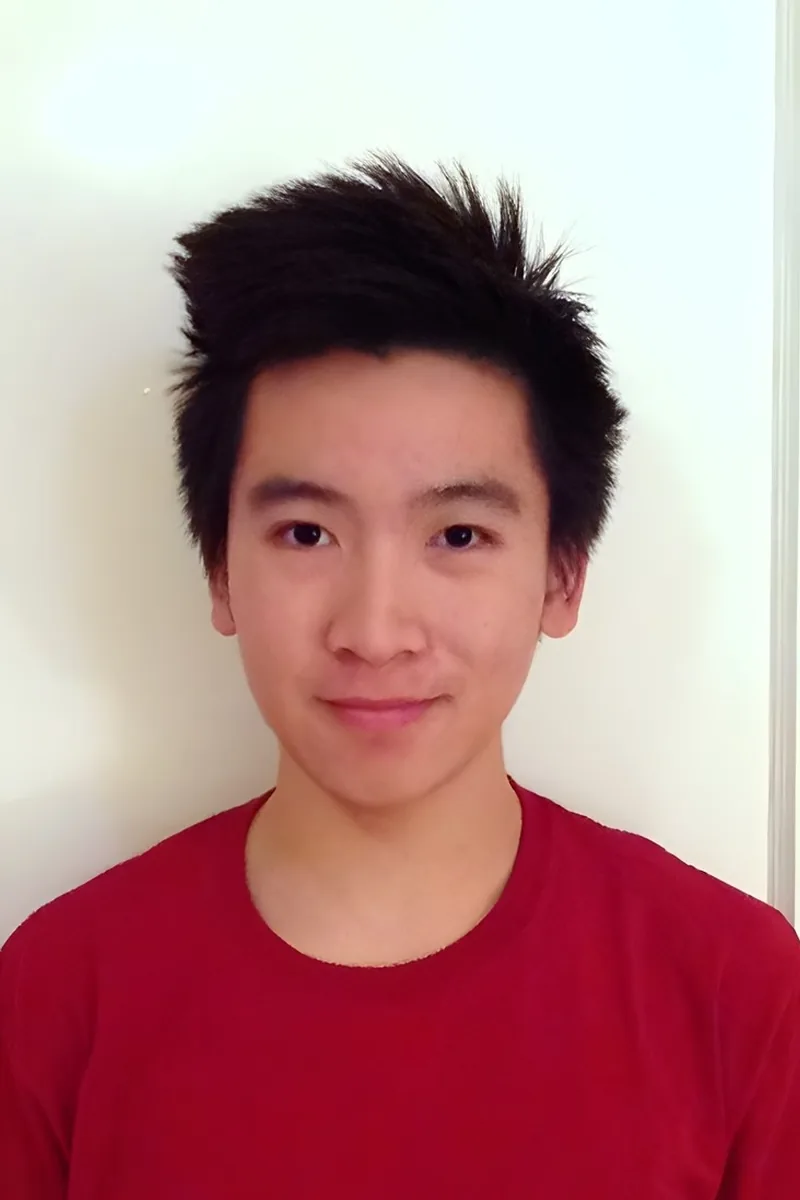
Charles speaks both Cantonese and Mandarin and teaches across all four Mandarin Chinese levels, which means he can pinpoint exactly where a student's tonal accuracy or grammatical structure needs tightening before exam day. His strongest contribution to AP Chinese prep is the interpersonal response tasks — he runs rapid-fire conversational drills that build the kind of spontaneous, register-appropriate Mandarin the exam scores highest.
As a native Mandarin speaker who taught a beginning Chinese course at the Wheeler School in Providence, Jennifer knows exactly where English-speaking learners stumble — tonal accuracy, measure words, and the leap from textbook dialogue to real conversation. She covers all four AP exam skills (interpersonal and presentational speaking, listening, and reading) with particular attention to the cultural comparison essay, where strong structure can make or break a score.
Eric teaches across three levels of Mandarin Chinese and coaches AP Chinese Language and Culture with a particular edge on the interpersonal speaking tasks, where his conversational fluency and 36 ACT verbal instincts help students think on their feet during timed prompts. His biomedical engineering coursework at Duke also means he can introduce technical and academic vocabulary that gives cultural comparison essays unexpected depth — discussing China's healthcare system, STEM education culture, or scientific collaboration norms rather than recycling the same festival examples every other student writes about.
A molecular biology degree from UC Berkeley might seem unrelated to AP Chinese, but Caroline's background teaching Mandarin across four levels — plus her fluency in the language — means she knows how to bridge the gap between conversational Mandarin and the formal, academic register the exam's interpretive reading and listening sections demand. She's particularly effective at coaching students through the exam's interpersonal tasks, where her experience mentoring K-12 students in Oakland translates into patient, structured practice that builds confidence under timed conditions. Rated 5.0 by students.
As a fluent Mandarin speaker studying at Columbia, Zhenyi knows firsthand what it takes to operate at a high level in both English and Chinese — and the AP Chinese exam tests exactly that kind of bilingual agility. She digs into the exam's interpersonal and presentational communication tasks, coaching students on formal register, cultural comparisons, and the idiomatic phrasing that separates a 4 from a 5. Her native fluency means she can catch tonal and grammatical subtleties that non-native instructors often miss.
Beyond typical classroom exposure, Cynthia pursued Chinese seriously enough to earn a university minor in the language, which means she's comfortable with the reading comprehension, listening, and cultural knowledge components the AP exam tests. She walks students through strategies for the interpersonal and presentational speaking tasks, where scoring well depends on fluid responses and appropriate use of idiomatic expressions.
Ten years teaching Mandarin in public schools — from absolute beginners through AP — means Paulkey has watched hundreds of students hit the same walls on the AP Chinese exam, especially the interpersonal response tasks where students freeze up trying to produce spontaneous, culturally appropriate Mandarin in real time. He pairs that classroom experience with a computer science background that makes his prep unusually structured: timed drills, systematic vocabulary review, and targeted practice on the listening comprehension passages that reward quick processing over perfect translation.
I am an experienced tutor specializing in english, essay writing, communications and business. After completing the IB program at an international high school, I recently graduated from Northwestern University with a Bachelor of Science in Communication Studies, Business, and Integrated Marketing Communications. I grew up in a Korean household in China, so I am fluent in Korean and Chinese as well. Feel free to reach out for general inquiries on any classes or essay/writing help you need!
Most AP Chinese prep zeroes in on language mechanics, but the exam's interpersonal speaking prompts reward the kind of natural, idiomatic Mandarin that only comes from native fluency — and Tracy grew up speaking it at home. She also teaches across multiple Mandarin levels and competed in math competitions using bilingual problem-solving skills, so she understands how to bridge the gap between conversational comfort and the formal register the exam demands. Rated 4.9 by students.
Minoring in Chinese at Northeastern while pursuing a pharmacy degree, Amy uses the language daily in academic contexts — reading research, discussing coursework — which builds the kind of formal register fluency the AP Chinese exam's interpretive reading and presentational writing sections actually test. Her 4.9 rating from students reflects a knack for breaking complex characters and grammatical structures into manageable patterns, and she draws on her own experience as a heritage learner to bridge gaps between conversational Mandarin and the academic-level precision the exam demands.
Patricia's favorite subjects to tutor include beginner's and intermediate Chinese, and she brings that same enthusiasm to AP-level prep — particularly the listening comprehension and reading sections where students need to parse formal written Mandarin beyond everyday conversation. She also teaches across multiple Mandarin levels, so she can quickly identify which foundational gaps in grammar or vocabulary are holding a student back on timed exam tasks.
Testimonials
Because the right AP Chinese Language and Culture tutor makes all the difference.
Average Session Rating – Based on 3.4M Learner Ratings
Other Washington Tutors
Related Languages Tutors in Washington
Frequently Asked Questions
The AP Chinese Language and Culture exam tests proficiency across five key skill areas: listening, reading, writing, speaking, and cultural knowledge. The exam includes multiple-choice sections for listening and reading comprehension, a free-response section with email writing and presentational speaking tasks, and a conversation component where you respond to prompts in real-time. Success requires not just language skills but also understanding of Chinese cultural contexts, which are woven throughout all sections of the test.
AP Chinese is considered one of the more challenging AP exams because it requires active language production (speaking and writing) rather than just comprehension. Many students find the speaking section particularly demanding due to time pressure and the need to think and respond in Chinese without preparation. However, with focused preparation and consistent practice, students can develop the fluency and confidence needed to perform well—personalized tutoring helps you identify your specific weak areas and build targeted strategies for each section.
Most students benefit from 3-6 months of dedicated preparation, though this varies based on your current proficiency level and how much Chinese you've already studied. Research on language learning suggests that reaching professional proficiency in Mandarin Chinese requires approximately 2,200+ hours of study, but AP Chinese focuses on specific competencies rather than complete fluency. A structured prep plan with personalized tutoring can help you maximize your study time by focusing on high-impact areas like exam-specific vocabulary, timed writing practice, and speaking fluency rather than general language learning.
The speaking section requires you to respond to prompts in real-time with minimal preparation time, which creates anxiety for many students—you can't edit or revise your spoken responses like you can with writing. The conversation portion is particularly tricky because you must listen carefully, understand context, and respond naturally while being evaluated on pronunciation, grammar, and cultural appropriateness. Tutors can help you build confidence through repeated practice with authentic prompts, teach you strategies for managing thinking time, and give you immediate feedback on your delivery so you can refine your approach before test day.
Score improvement depends on your starting point and how consistently you practice, but many students see meaningful gains—typically 1-2 points on the AP scale (which ranges from 1-5)—with focused preparation over several months. The biggest improvements usually come from targeted work on your weakest sections; for example, if speaking is holding you back, intensive speaking practice with feedback can yield significant progress. A tutor can help you establish a realistic goal based on your current level, identify which sections offer the most improvement potential, and create a study schedule that maximizes your preparation time.
The writing section requires you to compose an email response and a persuasive essay—both within strict time limits—so time management and organization are critical. Effective strategies include: planning your response before writing (even briefly in English), using a variety of sentence structures and vocabulary to demonstrate proficiency, and proofreading for common grammar mistakes. Tutors can teach you templates for different prompt types, help you expand your active vocabulary for writing, and give you timed practice so you develop the speed and confidence needed to complete both tasks within the allotted time.
Reading comprehension on AP Chinese requires not just understanding individual characters and words, but processing meaning quickly—a skill that improves with targeted practice. Effective techniques include: building your active vocabulary in high-frequency topics (family, education, technology, environment), learning to recognize common grammatical patterns so you don't translate word-by-word, and practicing with authentic Chinese texts of increasing difficulty. Tutors can provide you with AP-level reading materials, teach you efficient scanning strategies for finding key information, and help you understand nuanced meanings and cultural references that often appear in the reading section.
Ideal AP Chinese tutors have native or near-native proficiency in Mandarin, deep familiarity with the AP exam format and scoring rubrics, and experience helping students prepare for the test. They should understand both the language skills and cultural knowledge required, and be able to explain grammar and pronunciation clearly. When you connect with Varsity Tutors, we match you with tutors who have proven expertise in AP Chinese preparation and can provide personalized instruction tailored to your specific challenges—whether that's speaking fluency, writing accuracy, or cultural comprehension.
Let’s find your perfect tutor
Answer a few quick questions. We’ll recommend the right plan and match you with a top 5% tutor.