Award-Winning Japanese Tutors
serving Washington, DC
Japanese
Tutors in Washington
Private 1-on-1 tutoring, weekly live classes for academic support, test prep & enrichment, practice tests and diagnostics, and more to elevate grades and test scores.
Based on 3.4M Learner Ratings
UniversitiesSchools & Universities
DeliveredHours Delivered
ProficiencyGrowth in Proficiency
Who needs tutoring?
No obligation. Takes ~1 minute.
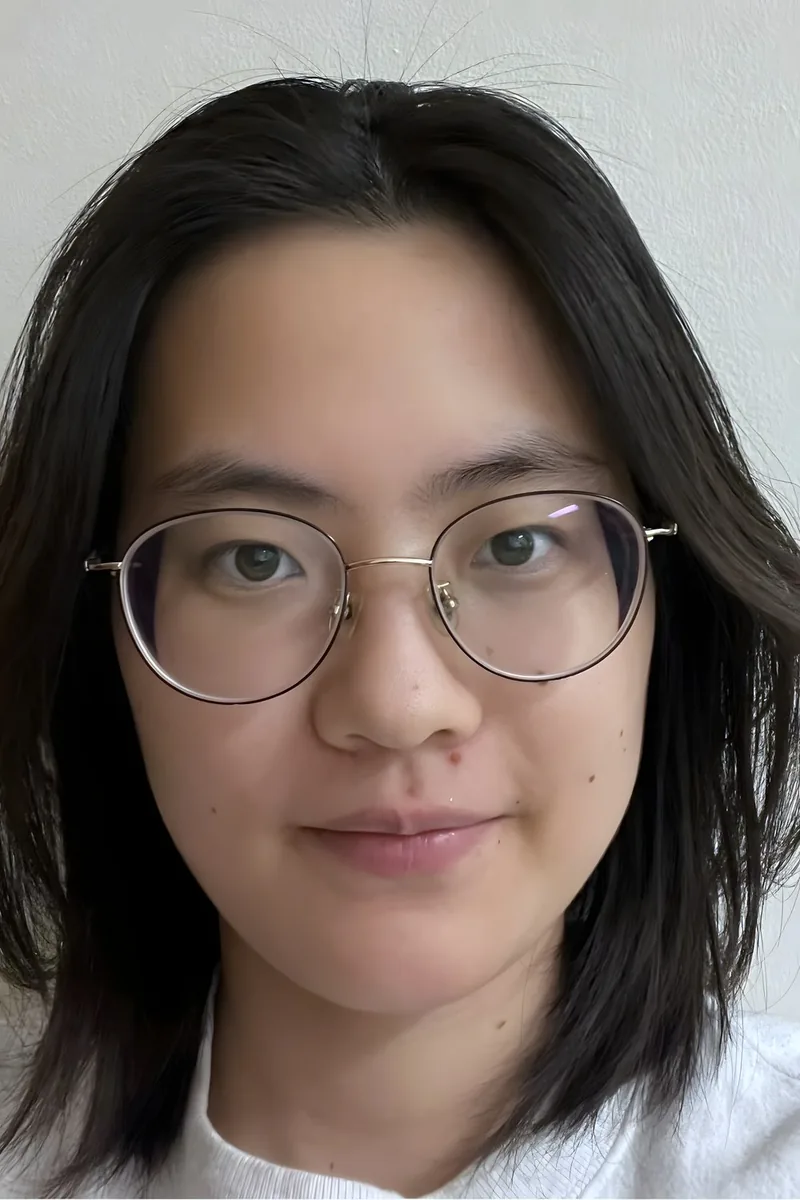
As a dedicated language tutor with several years of experience, I bring both expertise and enthusiasm to every lesson. I specialize in Chinese, Japanese, and basic Arabic, and I have had the privilege of guiding students of diverse ages and backgrounds through their language-learning journeys.

I'm back at school at NYU, studying for a more general liberal arts degree.
Rachel's International Relations coursework exposes her to multiple language systems and cross-cultural communication, which she channels into teaching Japanese fundamentals like hiragana recognition, basic particle usage, and everyday vocabulary. Her relaxed, adaptive style — reflected in a 5.0 rating — is especially useful for beginners who tense up when faced with an entirely new writing system and unfamiliar grammar order.
Holding a degree in Japanese Studies, Andrew brings deep familiarity with not just hiragana, katakana, and kanji but also the cultural context that shapes how the language actually works — keigo politeness levels, sentence-ending particles, and the logic behind counter words. He connects grammar patterns to real conversation so students internalize structures instead of just drilling flashcards.
Learning Japanese means juggling three writing systems, honorific levels, and grammar that works nothing like English — and Karen tackles all of it from firsthand experience using the language abroad. Whether a student is memorizing their first hundred kanji or practicing particle usage in complex sentences, she builds each lesson around practical communication skills.
Growing up attending the Japanese Weekend School of New Jersey while enrolled in American public schools, Hidefusa developed native-level fluency in both languages and a deep understanding of where English speakers stumble with Japanese. He teaches everything from hiragana and katakana basics to kanji recognition, particle usage, and keigo (formal speech) — drawing on the bilingual instincts of someone who has lived in both linguistic worlds.
As a native Japanese speaker with over fifty years of fluency in reading, writing, and conversation, Hatsuki teaches the language the way it's actually used — from particle usage and keigo (honorific speech) to the nuances between hiragana, katakana, and kanji in everyday contexts. She currently lives in the U.S. with her family, giving her a natural understanding of where English speakers stumble with Japanese grammar and pronunciation.
A drama degree might not scream Japanese fluency, but John's literary work — he's a section editor for the Los Angeles Review of Books and literary manager for two theater companies — means he's deeply attuned to how language shapes meaning, tone, and register. That sensitivity to nuance transfers directly to navigating Japanese's layered politeness levels and context-dependent sentence endings. Rated 5.0 by students.
Brian prepared for and took the SAT Subject Test in Japanese with Listening, which means he's worked through the grammar structures, kanji recognition, and listening comprehension challenges that define intermediate Japanese study. He approaches language learning with the same systematic thinking he applied to economics and CS at Caltech — breaking down sentence patterns and verb conjugations into logical rules rather than pure memorization.
Studying Japanese as a minor at Columbia — with plans to eventually work in Japan's renewable energy sector — Shin uses the language as a living tool, not just a classroom exercise. He teaches everything from hiragana and katakana basics to intermediate grammar patterns like ~てしまう and ~ことにする, adjusting to each student's level and building real conversational confidence alongside written accuracy.
Earning a full bachelor's degree in Japanese — not just a minor or a few semesters — means Jina can teach well beyond survival phrases into kanji readings, grammar particles like は vs. が, and the nuances of keigo (formal speech). She brings the same analytical rigor from her science training to breaking down sentence structure and verb conjugation patterns.
Having majored in Japanese at SUNY Albany, James doesn't just know the language — he understands the grammar architecturally, from particle usage and verb conjugation tiers to the nuances of honorific speech. He teaches reading and writing through cultural context, connecting kanji compounds to their historical roots so students retain them long-term rather than cramming and forgetting. Rated 4.9 by students.
Testimonials
Because the right Japanese tutor makes all the difference.
Average Session Rating – Based on 3.4M Learner Ratings
Other Washington Tutors
Related Languages Tutors in Washington
Frequently Asked Questions
Speaking practice is one of the biggest challenges in traditional classroom settings, especially with Washington DC's average student-teacher ratio of 11.7:1. Personalized 1-on-1 instruction with a Japanese tutor gives you consistent speaking opportunities in a low-pressure environment where you can practice conversational patterns, receive immediate feedback on pronunciation, and build confidence with natural dialogue.
Regular conversation practice—even 30 minutes per week—significantly accelerates fluency development because you're actively producing language rather than passively listening or reading.
Japanese verbs change based on tense, formality level, and context—and memorizing conjugation charts alone isn't effective. Expert tutors break conjugation patterns into logical groups, show how they're used in real conversations, and use spaced repetition and practice testing so the patterns become automatic rather than memorized.
A tutor can tailor explanations to your learning style and focus on the verb forms you'll actually use first, making the system feel manageable instead of overwhelming.
Vocabulary retention improves dramatically when words are learned in context rather than isolated lists. Tutors use evidence-based techniques like spaced repetition (reviewing words at strategic intervals), retrieval practice (actively recalling words rather than re-reading), and connecting new vocabulary to words you already know.
Personalized 1-on-1 instruction also lets tutors focus on vocabulary relevant to your goals—whether that's conversational Japanese, academic topics, or preparing for the JLPT (Japanese Language Proficiency Test).
The best approach depends on your goals and current level. For students building conversational fluency, speaking and listening should come early because they're harder to practice in a classroom and unlock real-world communication immediately. Reading and writing skills naturally develop alongside speaking once you have foundational vocabulary and grammar patterns.
A tutor can assess your level and goals, then design a balanced progression that builds all four skills while prioritizing what matters most for your needs—whether that's surviving a study abroad experience, passing an AP Japanese exam, or achieving JLPT certification.
Japanese has three writing systems (hiragana, katakana, kanji), formal and casual speech levels, and expressions rooted in cultural concepts that don't translate directly to English. Understanding context—like when to use polite forms, how to address people by status, and why certain expressions exist—makes the language feel logical rather than arbitrary.
Expert tutors weave cultural context into lessons so grammar rules make sense, vocabulary becomes memorable, and you develop the intuition native speakers have about what sounds natural. This deeper understanding accelerates both fluency and retention.
Japanese pronunciation is more forgiving than tones languages like Mandarin—clear syllable pronunciation matters more than perfect pitch accent. However, correct intonation patterns, natural rhythm, and clear vowel sounds do affect how easily native speakers understand you and how confident you sound.
Personalized 1-on-1 tutoring is invaluable for pronunciation because tutors can listen to your speech, identify specific sounds that need work, model correct pronunciation repeatedly, and give real-time feedback. This targeted practice is difficult to get in classroom settings where teachers can't focus individual attention on each student's accent.
AP Japanese Exam success requires proficiency across all four skills (reading, writing, speaking, listening) plus cultural knowledge—a broad scope that benefits from personalized instruction. Tutors can focus on your specific weak areas, practice exam-format tasks repeatedly, build test-taking strategies, and provide the speaking practice that classroom instruction can't always offer in sufficient quantity.
With 292 schools in the DC area, AP Japanese courses vary in depth and pacing. A tutor can bridge gaps in your classroom instruction, maintain consistent practice outside class, and ensure you're prepared for the rigorous proficiency standards the AP exam assesses.
Let’s find your perfect tutor
Answer a few quick questions. We’ll recommend the right plan and match you with a top 5% tutor.