Award-Winning AP Spanish Language & Culture Tutors
serving Washington, DC
AP Spanish Language & Culture
Tutors in Washington
Private 1-on-1 tutoring, weekly live classes for academic support, test prep & enrichment, practice tests and diagnostics, and more to elevate grades and test scores.
Based on 3.4M Learner Ratings
UniversitiesSchools & Universities
DeliveredHours Delivered
ProficiencyGrowth in Proficiency
Who needs tutoring?
No obligation. Takes ~1 minute.

Having studied Spanish as part of his undergraduate degree and continuing to teach it from introductory levels through AP alongside conversational practice, Adam knows exactly where students plateau — and it's usually the jump from classroom grammar to the timed, register-aware writing the AP exam actually scores. His history background also sharpens the cultural comparison task, where connecting Spanish-speaking communities' practices to broader historical context turns a generic response into a compelling one.
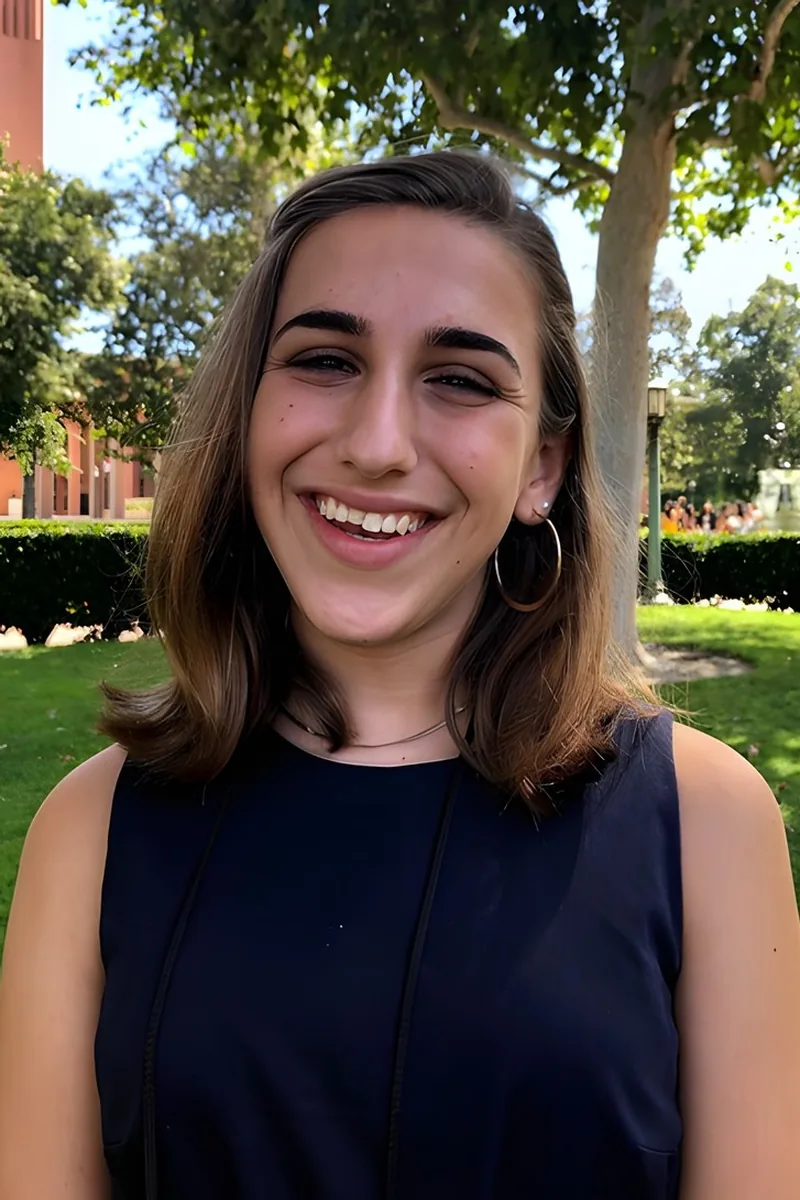
Native fluency gives Solange an ear for the idiomatic phrasing and natural register that score well on AP Spanish Language's interpersonal and presentational tasks. She digs into the cultural comparison essays and audio-response prompts that trip up even advanced students, coaching them to move beyond translated English and into authentic Spanish expression. Rated 5.0 by her students.
Ryan's American Studies background means he already thinks in terms of cross-cultural comparison — a skill that maps directly onto the AP Spanish exam's cultural comparison task, where students need to connect practices across communities with nuance and specificity. He teaches Spanish from level 2 through AP and conversational Spanish, so he bridges the gap between structured grammar work and the kind of spontaneous communication the interpersonal speaking section rewards.
Born in Colombia and raised speaking Spanish at home, Manuela brings native fluency to AP Spanish Language & Culture — but what sets her apart is her academic training in Romance Languages, which means she can explain the grammar rules she uses instinctively. She tackles the exam's trickiest components, like the persuasive essay and cultural comparison presentational speaking tasks, by drilling source synthesis and formal register. Her 5.0 rating speaks to how well that combination works.
Medical school in Chicago keeps Caroline juggling multiple languages daily — she double-majored in Chinese at Notre Dame while also building fluency in Spanish through her coursework up to Spanish 3. That multilingual wiring means she approaches AP Spanish prep by connecting how languages share structural logic, breaking down things like conditional chains and register shifts through cross-linguistic patterns rather than rote drilling. Rated 5.0 by students.
Growing up in Miami gave Caitlin daily exposure to Spanish in real-world contexts — the kind of authentic, unscripted language that mirrors what the AP exam throws at students in its interpretive listening and reading sections. She teaches Spanish 1 through 4 and pairs that progression with her own experience navigating Spanish across levels, so she knows exactly which grammar gaps (subjunctive triggers, formal vs. informal register) trip students up on timed free-response tasks. Rated 5.0 by students.
Having lived and worked in Puerto Rico, Eric brings real-world Spanish fluency to AP Spanish Language & Culture prep — not just textbook grammar but the kind of cultural context the exam's presentational and interpersonal tasks demand. He tackles the audio-source synthesis essays and spoken responses by drilling the specific transition phrases and register shifts that earn top scores.
Scoring well on the AP Spanish Language exam means toggling fluently between reading comprehension, audio interpretation, and spontaneous spoken responses — skills that require more than grammar drills. Patrick builds students' confidence in each mode of communication by practicing with authentic sources like news articles, podcasts, and cultural essays, sharpening both accuracy and the natural flow that AP graders reward.
Corey trained as a total immersion instructor through the Ann Arbor Language Partnership and taught communicative Spanish in public schools for two years before moving to Nicaragua, where he used Spanish daily in professional and community settings. That real-world fluency shows up in how he prepares students for AP Spanish Language — tackling interpersonal speaking prompts, persuasive essays, and audio-source synthesis with the kind of cultural nuance the exam rewards. His background in cognitive science also informs how he teaches listening comprehension strategies that actually stick.
Scoring well on AP Spanish Language & Culture means toggling fluently between interpersonal conversation, presentational writing, and audio-source synthesis — three very different skill sets tested in one exam. Reta has taken the exam, completed years of university-level Spanish, and spent time living abroad in Spanish-speaking countries, so her command of register, idiomatic expression, and cultural context is practical, not just academic. She drills the comparison essay and simulated conversation formats until students feel genuinely comfortable producing Spanish under pressure.
Earning a strong score on AP Spanish Language & Culture means toggling between interpersonal conversation, presentational writing, and audio-source synthesis — often in the same exam sitting. Sarah's Spanish major and her background in international education give her native-level command of the language and a clear method for tackling the cultural comparison essay, which is where most students lose points.
Most AP Spanish tutors come at the exam from a languages-only background — David pairs his Spanish teaching (levels 1 through 4 plus conversational) with a library science graduate degree that sharpens how he thinks about research, source interpretation, and formal written communication. That combination pays off on the exam's persuasive essay task, where students have to synthesize multiple Spanish-language sources into a coherent, register-appropriate argument under time pressure.
Testimonials
Because the right AP Spanish Language & Culture tutor makes all the difference.
Average Session Rating – Based on 3.4M Learner Ratings
Other Washington Tutors
Related Languages Tutors in Washington
Frequently Asked Questions
The AP Spanish Language & Culture exam tests your ability to communicate in Spanish across three modes: interpersonal (conversations), interpretive (reading and listening), and presentational (speaking and writing). The exam includes multiple-choice sections on reading and listening comprehension, as well as free-response sections where you'll write emails, essays, and record spoken responses. Success requires strong vocabulary, grammar accuracy, and cultural knowledge—skills that develop through consistent practice and personalized feedback.
Score improvement depends on your starting level and how consistently you engage with practice. Students who work with tutors typically see gains by identifying specific weak areas—whether that's subjunctive mood, listening comprehension, or essay organization—and targeting those gaps with focused study. Most students benefit from understanding the exact format of each exam section and practicing with authentic AP materials, which helps them gain confidence and improve pacing on test day.
Your first session focuses on understanding where you stand and what you need most. Expect to discuss your current Spanish level, which AP exam sections feel most challenging, and your target score. Varsity Tutors connects you with tutors who will likely assess your strengths in areas like conversation and writing, identify specific grammar or vocabulary gaps, and create a personalized study plan that fits your timeline before test day.
The AP Spanish speaking sections require clear pronunciation, natural pacing, and organized thoughts—skills that improve dramatically with practice and feedback. Tutors can help you master the two speaking tasks: the interpersonal conversation (where you respond to prompts) and the presentational speech (where you speak for 2 minutes on a cultural topic). Regular practice with native-speaker feedback and timed practice builds the fluency and confidence you need to perform well.
Listening comprehension improves through repeated exposure to authentic Spanish audio at natural speed, combined with active note-taking strategies. Tutors can teach you how to identify key information quickly, recognize common speech patterns, and manage anxiety during the exam. Practice with real AP listening materials helps you adjust to different accents and speaking speeds, and reviewing mistakes reveals patterns in what you're missing—whether it's specific vocabulary, verb tenses, or cultural references.
Strong AP Spanish essays require clear organization, varied vocabulary, and grammatically accurate sentences that demonstrate your language proficiency. Tutors can help you master the specific essay formats on the exam—like writing persuasive emails or formal essays—and teach you how to structure arguments, use transition phrases, and incorporate cultural examples. Regular practice writing timed essays, followed by detailed feedback on grammar, vocabulary choices, and organization, builds the skills you need to earn higher scores.
Most students benefit from 3-6 months of consistent preparation, though your timeline depends on your current proficiency level and how much you already know. The FSI (Foreign Service Institute) estimates that Spanish requires significant practice to reach professional proficiency, so regular study sessions combined with tutoring help you make the most of your preparation time. A tutor can help you create a realistic schedule that balances review of grammar and vocabulary with practice on exam-style questions and speaking tasks.
Test anxiety often stems from uncertainty about what to expect or lack of confidence in your preparation. Tutors help by familiarizing you with the exact exam format, teaching time-management strategies for each section, and building your confidence through repeated practice with real AP materials. Working through timed practice tests with feedback helps you develop a sense of control and reduces surprises on test day, so you can focus on demonstrating what you actually know.
Let’s find your perfect tutor
Answer a few quick questions. We’ll recommend the right plan and match you with a top 5% tutor.