Award-Winning Science Tutors
serving Denver, CO
Science
Tutors in Denver
Private 1-on-1 tutoring, weekly live classes for academic support, test prep & enrichment, practice tests and diagnostics, and more to elevate grades and test scores.
Based on 3.4M Learner Ratings
UniversitiesSchools & Universities
DeliveredHours Delivered
ProficiencyGrowth in Proficiency
Who needs tutoring?
No obligation. Takes ~1 minute.
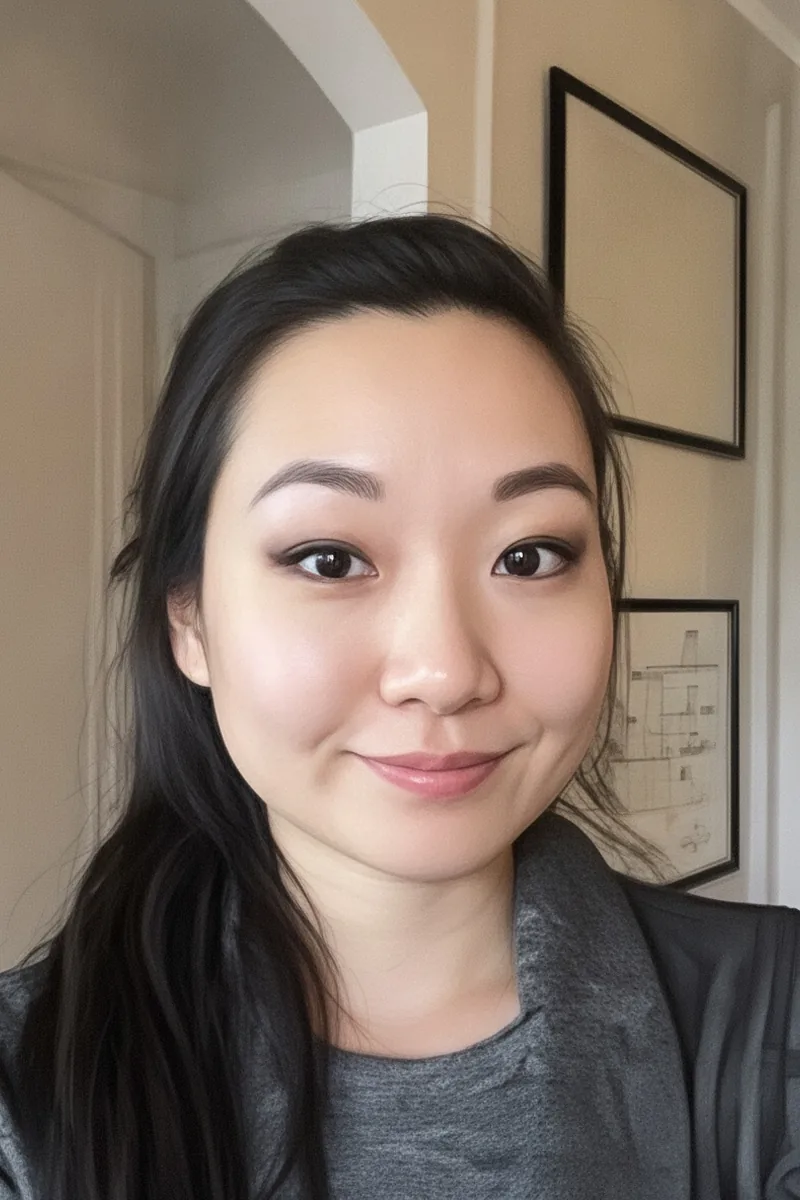
A philosophy degree from Carleton College trained Erinrose to do exactly what science asks of students — construct logical arguments, question assumptions, and follow evidence wherever it leads. She's taught expository writing seminars and grammar courses at the high school level, which means she can also tackle the communication side of science: turning messy observations into clear lab reports and well-structured explanations. Rated 5.0 by students.
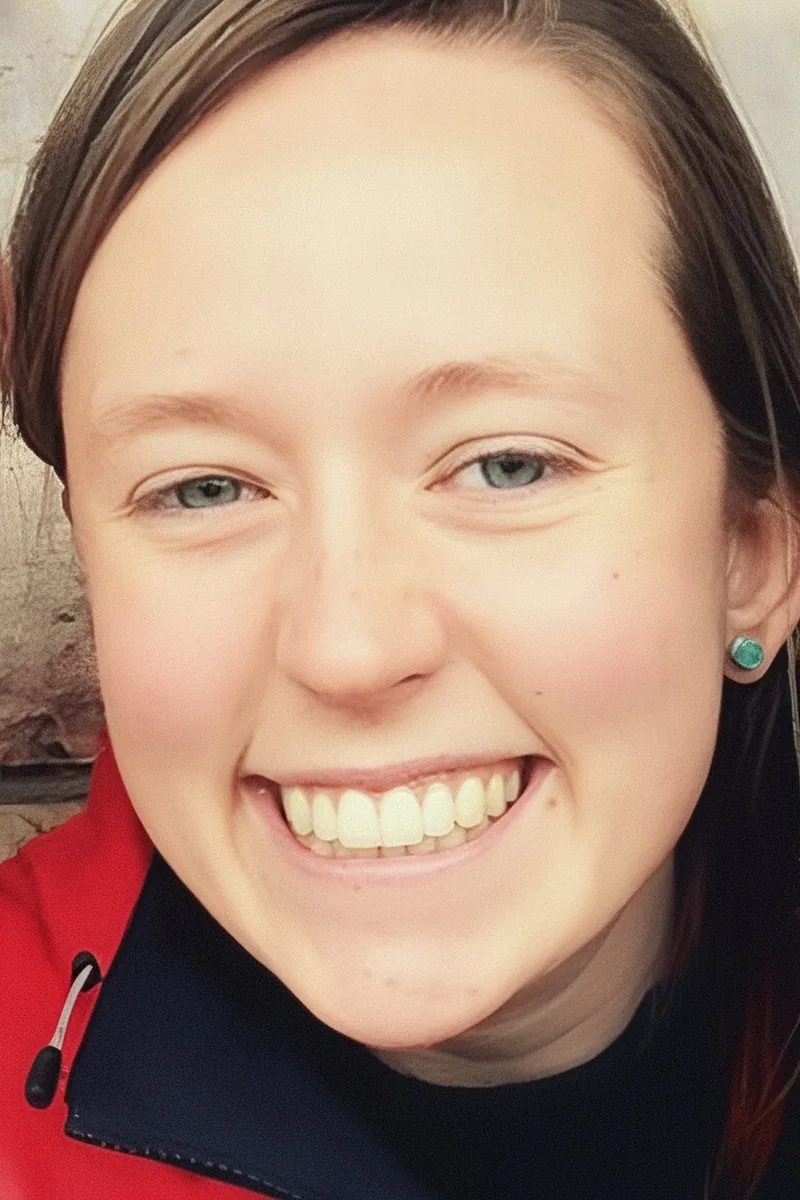
Zofia's coursework at Brown spanned both physical and natural sciences alongside her math degree, giving her a broad foundation in topics from cellular biology to mechanics. She tackles science by connecting formulas and vocabulary to the underlying logic — explaining why a cell divides the way it does, or how energy conservation governs a system. That conceptual grounding makes facts far easier to retain.
As a high school science teacher, Lacey knows exactly where students get stuck — whether it's interpreting data tables, distinguishing correlation from causation, or connecting lab observations back to underlying theory. Her history and philosophy of science degree means she teaches the reasoning behind the scientific method, not just the vocabulary that shows up on a test.
An anthropology background means Tara spent years learning to observe systematically, classify evidence, and draw conclusions from fieldwork — skills that sit at the heart of the scientific method. She's especially comfortable walking students through the process of forming a hypothesis, collecting data, and explaining results, since that cycle mirrors how anthropologists study human behavior and culture. Her broad teaching range across math and reading also means she can tackle the cross-disciplinary moments in science where students need to interpret a graph or parse a dense textbook passage.
Not every science tutor comes from a lab — but Alicia's structured teaching approach is especially useful for students who struggle with reading dense textbook passages, interpreting data tables, or writing lab reports. She connects scientific vocabulary and concepts to clear, everyday language that makes the material stick.
Four years of teaching biology — from AP-level cellular respiration and genetics to hands-on neuroscience programs for elementary students — gave Melissa an unusual range in science instruction. She unpacks complex processes like signal transduction or DNA replication by connecting each step to something concrete, making the logic of living systems click rather than feel like a list to memorize.
Currently studying to become an EMT, Lena brings real-world urgency to science concepts like human anatomy, chemical reactions, and the physics of motion. She connects textbook topics to practical scenarios — how the circulatory system responds to altitude, or why certain molecules cross cell membranes — making abstract ideas tangible. Rated 5.0 by students.
Teaching science to younger learners means making abstract concepts — the water cycle, states of matter, simple machines — tangible and memorable. Emma's elementary education training at the University of Oklahoma gives her a toolkit of hands-on strategies for turning scientific vocabulary and processes into something kids can actually visualize and explain back.
A philosophy and religion background might not scream 'science tutor,' but Seth's training in formal logic — constructing valid arguments, identifying flaws in reasoning, testing claims against evidence — mirrors the scientific method more closely than most people realize. He's particularly useful for students who can handle the memorization but freeze when asked to design an experiment, interpret a graph, or explain why their hypothesis was wrong.
Cornell's hotel administration program is more quantitative than people expect — Cory's coursework covered applied statistics, food science, and environmental systems management, all of which required designing experiments, interpreting data, and solving problems with real constraints. He brings that practical, numbers-driven mindset to science tutoring, especially when students need to connect formulas and measurements to what's actually happening in front of them. Rated 4.8 by students.
An Environmental Biology degree means Rosemary learned science the way it's actually practiced — designing field studies, interpreting ecological data, and connecting concepts like nutrient cycling and population dynamics to real ecosystems. She brings that applied lens to science tutoring, whether a student is working through cell biology, chemistry fundamentals, or earth science. Abstract processes click faster when tied to tangible examples from the natural world.
An environmental studies and biology degree means Katie didn't just study science in a classroom — she learned to design experiments, interpret data sets, and write lab reports that connect results back to hypotheses. She brings that hands-on perspective to tutoring, whether a student needs to understand the scientific method, cellular respiration, or how ecosystems respond to disturbance. Science makes more sense when someone can explain why each concept matters beyond the textbook.
Philosophy is essentially logic in disguise — constructing valid arguments, testing claims against evidence, and identifying where reasoning breaks down — and Eric applies that same framework to science concepts like hypothesis formation, experimental design, and interpreting results. His 1560 SAT confirms he handles data and analytical reasoning at a high level, even though science isn't his primary lane. He's strongest with students who need to understand the thinking behind the scientific method rather than just memorize vocabulary.
Two degrees in animal sciences mean Jasmyn has spent years applying the scientific method in real research settings — designing experiments, analyzing data, and interpreting results in animal nutrition studies at the University of Kentucky. She unpacks core concepts like cellular biology, chemistry fundamentals, and experimental design in ways that connect textbook material to how science actually works in a lab.
Having earned both an MD and a PhD through rigorous scientific training, Tina teaches science the way she learned it — by connecting concepts in biology, chemistry, and anatomy to how systems actually function. She breaks down complex processes like cellular respiration or organ physiology into clear, logical steps that stick.
Earning dual degrees in Biochemistry and MCD Biology gave Oliver deep fluency across the topics middle schoolers encounter — cell structure, ecosystems, basic chemistry, and the scientific method. He walks students through how to design simple experiments and interpret data, building the kind of scientific thinking that carries into high school. Rated 5.0 by students.
Mechanical engineering sits at the intersection of physics, chemistry, and applied math, so Christian brings a cross-disciplinary lens to science tutoring that's hard to find. Whether a student is wrestling with Newton's laws, energy conservation, or basic kinematics, he explains the underlying reasoning and then reinforces it with problems that build real intuition.
Paul's SAT Subject Test in Chemistry and his broader math-science fluency mean he can teach the quantitative backbone of science — balancing equations, converting units, working through rate problems — without losing sight of the conceptual reasoning behind them. His Latin background is a quiet advantage too: students who can break apart terms like "endothermic" or "photosynthesis" into their Greek and Latin roots suddenly find scientific vocabulary far less intimidating.
A neuroscience and psychology double major at CU Boulder, Brockton teaches science by connecting abstract concepts — like cellular biology, the nervous system, or experimental design — to tangible examples students can visualize. His research-oriented coursework means he's comfortable explaining not just what happens in a scientific process, but how scientists figured it out in the first place.
Biomedical engineering at UVA meant Colton spent four years bridging biology, chemistry, and physics — the exact subjects that converge in middle and high school science courses. He breaks down tricky concepts like cell respiration, chemical bonding, and force diagrams by connecting them to real-world applications, from how medications work to why bridges stay standing. Rated 4.7 by students.
Studying Engineering Physics at Colorado School of Mines means Jude lives in the overlap between theory and experiment — calculating forces, modeling energy systems, and applying conservation laws in lab settings every week. He brings that hands-on understanding to science tutoring, connecting abstract formulas in physics and chemistry to tangible problems students can visualize and reason through.
AP Biology gave Heidi a solid grounding in life sciences — cell biology, genetics, ecology, and experimental design — and her IB coursework added breadth across chemistry and physics fundamentals. She's especially useful for students who struggle to connect vocabulary-heavy content to the underlying processes, like tracing energy flow through cellular respiration or interpreting lab data. Her instinct is to simplify first, then layer in complexity.
A licensed teacher with a philosophy degree, Paige brings the same hypothesis-testing and logical argumentation skills to science that she uses when dissecting Kant — identifying assumptions, evaluating evidence, and building airtight explanations from observed results. Her 32 ACT confirms she can handle the quantitative and data-literacy demands of science coursework, and her teaching certification means she knows how to scaffold those skills for students who aren't yet comfortable reading graphs or designing controlled experiments. Rated 5.0 by students.
Astronomy sits at the crossroads of physics, chemistry, and earth science, so Rohith is used to jumping between disciplines and finding the common threads. He's especially strong on topics where math meets science — unit conversions, interpreting graphs, and using equations to predict real-world outcomes. Students come away knowing how to think through a science problem, not just recall a formula.
A dual biology degree with a focus on animal physiology and behavior means Marcus doesn't just know science vocabulary — he understands how organisms actually work, from cellular respiration to ecosystem dynamics. He connects abstract concepts to real-world examples students care about, like explaining natural selection through sports analogies or tying food webs to local Colorado ecosystems. That grounding in both life and environmental sciences makes him a strong fit across middle and high school science topics.
An Engineering Physics degree from Colorado School of Mines means Cody learned science by doing it — designing experiments, analyzing data, and connecting principles across chemistry, biology, and physics. He breaks down scientific reasoning into concrete steps, whether a student is interpreting a graph, balancing equations, or figuring out why a hypothesis didn't hold up.
I am a student at the Georgia Institute of Technology studying Chemical Engineering. For the past several years, I have worked with students extensively. Through hosting events for younger kids to learn about STEM and for older teens to practice empathetic design, I know the importance of teaching students in ways that engage them rather than frustrate them, which I apply to my teaching. I have tutored high school students in a drop-in resource center in various subjects including math of all levels, chemistry, and English, making me adequately equipped in a variety of topics. I have also tutored several students long-term. Establishing relationships with students and exploring their unique learning styles is my favorite part of tutoring. I prioritize helping students discover HOW to learn in a manner that is the most effective for them, so they can begin to use those skills on their own throughout their education. Learning is a lifelong skill that requires practice for improvement; I strive to help my students gain confidence in their ability to learn.
As a biology graduate now pursuing a doctorate in physical therapy, Michelle lives in the sciences daily and knows how to make abstract concepts concrete. She breaks down topics across physical science, biology, and chemistry by connecting them to real-world examples — like explaining gas laws through respiratory mechanics or teaching cell biology through clinical applications.
A master's in applied statistics means Ed spent years doing what science actually requires — collecting data, controlling variables, and figuring out whether results mean something or happened by chance. He brings that statistical rigor to science tutoring, especially when students need to interpret graphs, understand experimental design, or make sense of quantitative results in lab work.
An astrophysics and chemistry double major who spends his free time stargazing with a telescope, Graham lives science in a way that makes abstract concepts feel tangible. He breaks down everything from balancing chemical equations to analyzing force diagrams by connecting textbook problems to real phenomena — orbital mechanics, atmospheric chemistry, energy transfer in ecosystems. His 5.0 rating speaks to how well that approach clicks with students.
I am a undergraduate student who is willing to help other students in subjects that they may be experiencing difficulties in.
A registered nutritionist with a master's in public health, Hannah grounds science concepts in real-world biology — explaining cellular respiration through metabolism or connecting anatomy to how the body actually processes nutrients. That applied angle gives students a reason to care about the material, which makes it far easier to retain.
While science isn't her core subject, Brenna's actuarial background is rooted in applied mathematics and statistical modeling, which overlaps heavily with scientific reasoning — interpreting data sets, understanding experimental variables, and working through quantitative problems. She's a strong fit for students who need support with the math-heavy side of science courses, from unit conversions to graphing relationships between variables.
From earth science to biology to physical science, Carson covers a wide range of science subjects and knows how to make vocabulary-heavy material stick. He uses reading comprehension strategies from his English background to teach students how to break down lab reports, interpret data tables, and pull key information from dense textbook chapters.
A biochemistry degree means Jalonna spent years connecting chemistry, biology, and physics at the molecular level — and she brings that integrated perspective to science tutoring. She's particularly strong at walking through topics like cell biology, chemical reactions, and lab data interpretation in ways that tie abstract concepts to something tangible.
As a computer science major at the University of Kansas, Austin approaches science through data and logic — breaking down concepts like experimental design, unit conversions, and graph interpretation into clear, repeatable steps. His 33 ACT composite (including the Science section) shows he knows how to read dense passages and extract key findings quickly, which is exactly what most science coursework demands.
Engineering coursework in thermodynamics, materials science, and aerospace gives Anthony an unusually hands-on perspective on science — he teaches concepts like energy transfer, molecular structure, and orbital mechanics through the lens of how things actually work. Students who need to connect textbook diagrams to real physical intuition tend to click with his approach.
Holding a physics degree, Evan brings real quantitative depth to science tutoring — whether a student is working through energy conservation, circuit analysis, or thermodynamic processes. He's particularly skilled at translating abstract formulas into physical intuition, explaining not just how to solve a problem but what the math is actually describing. Rated 5.0 by students.
Between her math coursework and Spanish studies at CU Boulder, Annie has spent a lot of time decoding unfamiliar systems — whether that's solving for unknowns or parsing new vocabulary from Latin roots, both of which show up constantly in science. She's strongest on the quantitative side, walking students through measurement, unit conversions, and data tables with the patience of someone who's been tutoring math since high school. Rated 5.0 by students.
Her background in public health and epidemiology gives Sarah a practical angle on science that connects abstract concepts to real-world data. She walks through the scientific method, experimental design, and data interpretation by grounding each lesson in examples students can actually picture — like how a vaccine trial works or why correlation doesn't prove causation.
Testimonials
Because the right Science tutor makes all the difference.
Average Session Rating – Based on 3.4M Learner Ratings
Practice Science
Free practice tests, flashcards, and AI tutoring for Science
Nearby Science Tutors
Other Denver Tutors
Related Science Tutors in Denver
Frequently Asked Questions
Many Denver students struggle with connecting abstract scientific concepts to real-world applications, especially in chemistry and physics where visualization is critical. With an average student-teacher ratio of 14.4:1 across Denver's 9 school districts, classroom instruction often moves at a pace that doesn't allow time for individual clarification of these complex ideas. Personalized tutoring helps students slow down, ask questions without pressure, and build the foundational understanding needed to tackle more advanced topics.
In a classroom setting, teachers must balance the needs of 20-30 students, which limits time for hands-on exploration and individual problem-solving. Personalized 1-on-1 instruction allows tutors to identify exactly where a student's understanding breaks down—whether it's lab technique, mathematical reasoning, or conceptual gaps—and address it directly. This targeted approach means students spend less time on topics they've mastered and more time on areas that need reinforcement, leading to faster, more confident progress.
Tutors working with Varsity Tutors are familiar with the science standards and pacing guides used across Denver's school districts, including NGSS (Next Generation Science Standards) alignment and district-specific expectations. Whether your student is in middle school life science, high school biology, chemistry, or physics, tutors can complement classroom instruction by reinforcing key concepts, preparing for assessments, and helping students work ahead. This ensures personalized instruction works in harmony with what's happening in the classroom.
Yes. Beyond explaining concepts, tutors help students develop practical lab skills like data collection, graphing results, and interpreting findings—all critical for success in science courses. They can also guide students through the scientific method, help design experiments, and troubleshoot common mistakes in lab reports. This hands-on support is especially valuable for students preparing for AP Science exams or college-level coursework where lab competency matters.
Tutors help students master both content knowledge and test-taking strategies specific to exams like AP Biology, AP Chemistry, AP Physics, and standardized assessments. They focus on high-yield topics, practice with released exam questions, and teach students how to manage time and approach complex multi-part problems. Personalized instruction means tutors can target the exact areas where a student is losing points rather than generic test prep.
The first session is focused on understanding your student's current level, learning style, and specific goals—whether that's catching up in biology, preparing for an AP exam, or building confidence in physics. The tutor will assess what concepts are solid and where gaps exist, then create a personalized plan moving forward. You'll leave with a clear sense of how tutoring will help and what to expect in upcoming sessions.
Varsity Tutors connects students with tutors who have deep expertise in their subject area—many hold degrees in biology, chemistry, physics, or related fields, and many have classroom teaching experience. All tutors are vetted for subject knowledge and teaching ability, ensuring they can explain complex concepts clearly and adapt their approach to each student's learning style. You can discuss a tutor's specific background and experience before getting started.
Many students see noticeable improvement in understanding and confidence within 3-4 weeks of consistent tutoring, especially when addressing specific gaps or preparing for an upcoming test. Longer-term progress—like mastering an entire unit or significantly raising a grade—typically develops over 2-3 months with regular sessions. The timeline depends on your student's starting point, the complexity of the material, and how frequently they're tutored.
Let’s find your perfect tutor
Answer a few quick questions. We’ll recommend the right plan and match you with a top 5% tutor.