Award-Winning AP Computer Science Principles Tutors
serving Denver, CO
AP Computer Science Principles
Tutors in Denver
Private 1-on-1 tutoring, weekly live classes for academic support, test prep & enrichment, practice tests and diagnostics, and more to elevate grades and test scores.
Based on 3.4M Learner Ratings
UniversitiesSchools & Universities
DeliveredHours Delivered
ProficiencyGrowth in Proficiency
Who needs tutoring?
No obligation. Takes ~1 minute.
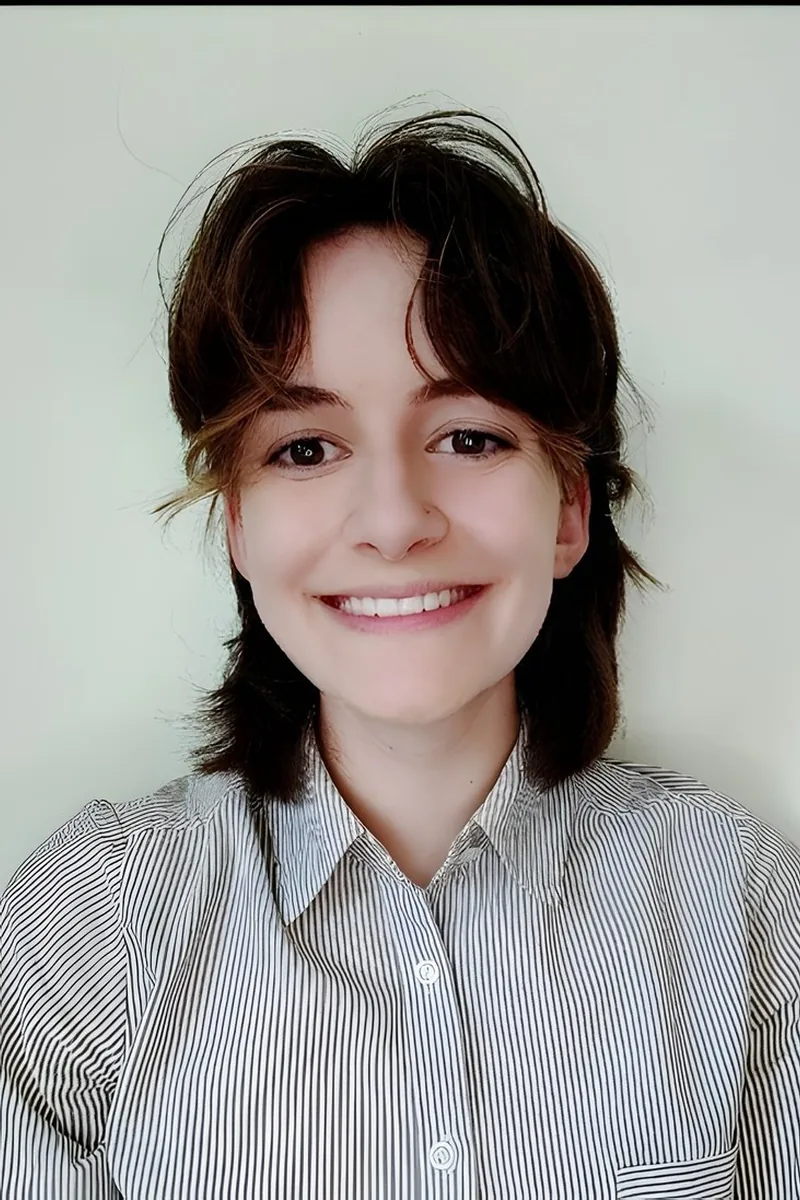
Susanna codes in Java, Python, and MATLAB — but for AP CSP, she shifts gears from syntax to the bigger questions: how does data move across the internet, why does abstraction matter, and what makes an algorithm efficient? Her physics training at UC Berkeley means she's used to translating messy real-world problems into clean logical models, which is exactly the skill the Create Task and exam reward.
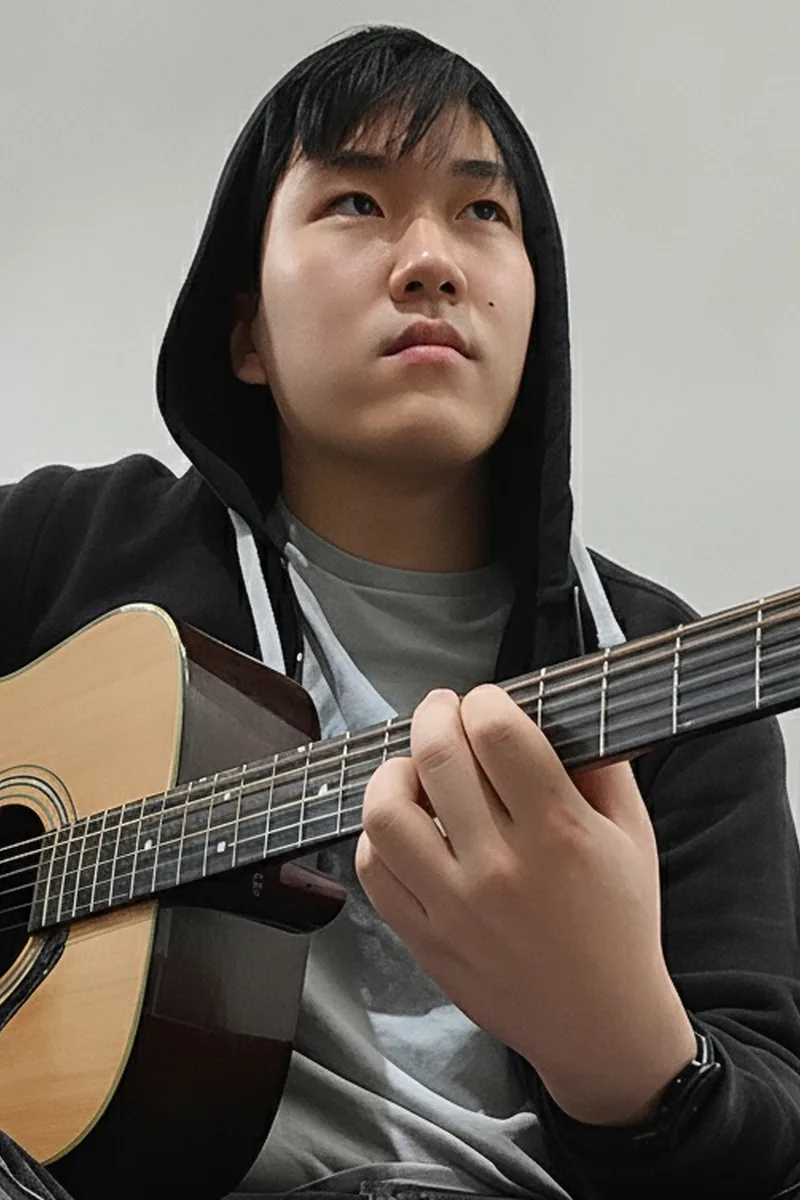
Electrical engineering taught Jake to think in systems — how signals move, how data gets encoded, how layers of abstraction stack to make hardware and software talk to each other. That mindset maps directly onto AP CSP's trickiest material, from binary representation to internet protocols to algorithm tracing in pseudocode. He also teaches across five programming languages, so the Create Task's coding component comes naturally.
Cognitive science training at Stanford gave David an unusual lens for AP CSP — he studied how humans process information before studying how computers do, which means he can explain abstraction, algorithms, and data representation in terms that actually click. His experience teaching web and app development to high schoolers abroad sharpened his ability to walk students through the Create Task from planning to polished written response.
Daniel writes production software for a living and is pursuing a PhD in Computer Science, which means he can show students exactly how concepts like abstraction, algorithms, and data representation play out in real codebases — not just on slides. He's particularly effective at coaching the Create Task, walking students through project planning and the written responses that separate a 3 from a 5. Rated 5.0 by students.
Kevin's Stanford Biocomputation research sits at the intersection of CS and biology, which means he can teach AP CSP's algorithmic thinking and data analysis concepts through real examples — like how machine learning models process biological datasets or how compression algorithms handle genomic sequences. He also brings hands-on Python and C++ fluency to the Create Task, coaching students through both the programming and the written explanation that the rubric demands. Rated 5.0 by students.
Matthew codes in Java, C++, Python, and JavaScript — so when AP CSP asks students to reason about algorithms or explain how a program works in pseudocode, he can ground those abstractions in actual programming logic most students haven't seen yet. His Harvard math and CS coursework also means he's sharp on the data analysis and binary representation questions that trip up students who only studied the vocabulary. Rated 4.9 by students.
Software engineering internships at Apple and Microsoft gave Jerry a firsthand view of how the concepts in AP CSP — abstraction, algorithm design, data representation — actually play out in production code. He uses that industry context to make the Create Performance Task feel like a real development project rather than a classroom exercise, which sharpens both the programming and the written-response components. Rated 4.9 by students.
I am a current student at the University of Michigan. I am studying molecular biology in the school of literature, science, and the arts. I will graduate in 2025. I am most passionate about teaching SAT test material, because that was an area that I focused on and improved my own score to reach my goals. I am excited to teach both the english and the math sections. I teach using extensive practice problems and practice tests, because that is what helped me learn best and improve my relevant skills. In my spare time I like to workout, swim at the beach, and surf. I would love to work with you to achieve your goals!
Daniel's electrical engineering coursework at Vanderbilt means he writes actual code in Java and works with hardware-software interfaces daily — background that makes the pseudocode and abstraction concepts in AP CSP click faster for students. He zeroes in on algorithm design and data representation, breaking down how binary encoding and compression work at the circuit level so the logic sticks. His 36 ACT composite speaks to the kind of structured, analytical thinking he brings to Create Task coaching and exam prep.
Studying neuroscience at Rice means Brett regularly writes code to analyze brain imaging data and model biological systems — practical computing experience that maps directly onto AP CSP's emphasis on data analysis, algorithms, and the real-world impact of technology. He teaches the pseudocode logic and abstraction concepts the exam tests by grounding them in problems students can actually picture. Rated 5.0 by students.
Dalila's math degree gives her a sharper lens on the algorithmic and data-representation units that carry the most weight in AP CSP — she can explain why a particular sorting approach scales better than another or how abstraction layers simplify a complex problem. For the Create Performance Task, she emphasizes building clean pseudocode logic first, then translating it into a written response that hits every rubric point without overcomplicating the code.
Studying both neuroscience and computer science at Duke means Ankit lives at the intersection AP CSP actually tests — how computing shapes real-world systems, from brain imaging pipelines to cybersecurity ethics. He digs into the algorithmic thinking and data representation questions that trip students up on the multiple-choice section, and coaches the Create Task from initial planning through the written response. Rated 4.8 by students.
Testimonials
Because the right AP Computer Science Principles tutor makes all the difference.
Average Session Rating – Based on 3.4M Learner Ratings
Nearby AP Computer Science Principles Tutors
Other Denver Tutors
Related Technology and Coding Tutors in Denver
Frequently Asked Questions
AP Computer Science Principles covers five big ideas: creative development (designing and building computational artifacts), data (collecting, processing, and analyzing information), algorithms (problem-solving procedures), programming (implementing algorithms), and the internet (how systems communicate). The course emphasizes both the technical skills and the broader impacts of computing on society, making it more accessible than traditional AP Computer Science A for students new to programming.
The AP CSP exam consists of two parts: a multiple-choice section (70% of your score) covering the five big ideas, and a Create Performance Task (30% of your score) where you design and build a computational artifact. The multiple-choice section tests conceptual understanding and real-world applications, while the performance task evaluates your ability to develop, test, and document a program of your choice.
Many students struggle with the transition from conceptual understanding to hands-on programming, especially when choosing and implementing a project for the Create Performance Task. Others find the breadth of topics (spanning creativity, data analysis, algorithms, and internet concepts) overwhelming, or have difficulty explaining their computational thinking process clearly in written form. Time management during the exam—balancing careful reading of multiple-choice questions with strategic guessing—is another common challenge.
Score improvement depends on your starting point and consistency with tutoring. Students who work with tutors on targeted practice—especially on weak sections like algorithms or the performance task—typically see meaningful gains. Most students benefit from focused help on exam pacing, understanding question formats, and strengthening their Create Performance Task project, which can significantly impact your overall score.
Tutors can help you master the five big ideas through practice problems, guide you through designing and debugging your Create Performance Task project, and teach you test-taking strategies for the multiple-choice section. For Denver students, personalized 1-on-1 instruction allows tutors to identify whether you're stronger in conceptual areas (like understanding algorithms) or applied skills (like programming), then tailor their approach to close those gaps before test day.
Practice tests are essential for AP CSP because they help you get familiar with the exam's question formats, pacing requirements, and the balance between breadth and depth. Taking full-length practice exams under timed conditions reveals which big ideas need more study and helps you develop a test-day strategy. Many students find that completing 2-3 full practice tests in the weeks before the exam significantly boosts confidence and score performance.
No—AP CSP is designed for students with little to no programming background. The course teaches programming as a tool for solving real problems, not as an end in itself. However, if you're starting from scratch, working with a tutor early in your preparation can help you build coding confidence and understand how to translate your ideas into working programs for your Create Performance Task.
In your first session, a tutor will assess your current understanding of the five big ideas, discuss your programming experience level, and identify which topics feel strongest and weakest. You'll also talk about your Create Performance Task ideas (if you have them) and your goals for the exam. This helps the tutor create a personalized study plan focused on your specific needs and timeline before test day.
Let’s find your perfect tutor
Answer a few quick questions. We’ll recommend the right plan and match you with a top 5% tutor.