Award-Winning Computer Science Tutors
serving Denver, CO
Computer Science
Tutors in Denver
Private 1-on-1 tutoring, weekly live classes for academic support, test prep & enrichment, practice tests and diagnostics, and more to elevate grades and test scores.
Based on 3.4M Learner Ratings
UniversitiesSchools & Universities
DeliveredHours Delivered
ProficiencyGrowth in Proficiency
Who needs tutoring?
No obligation. Takes ~1 minute.
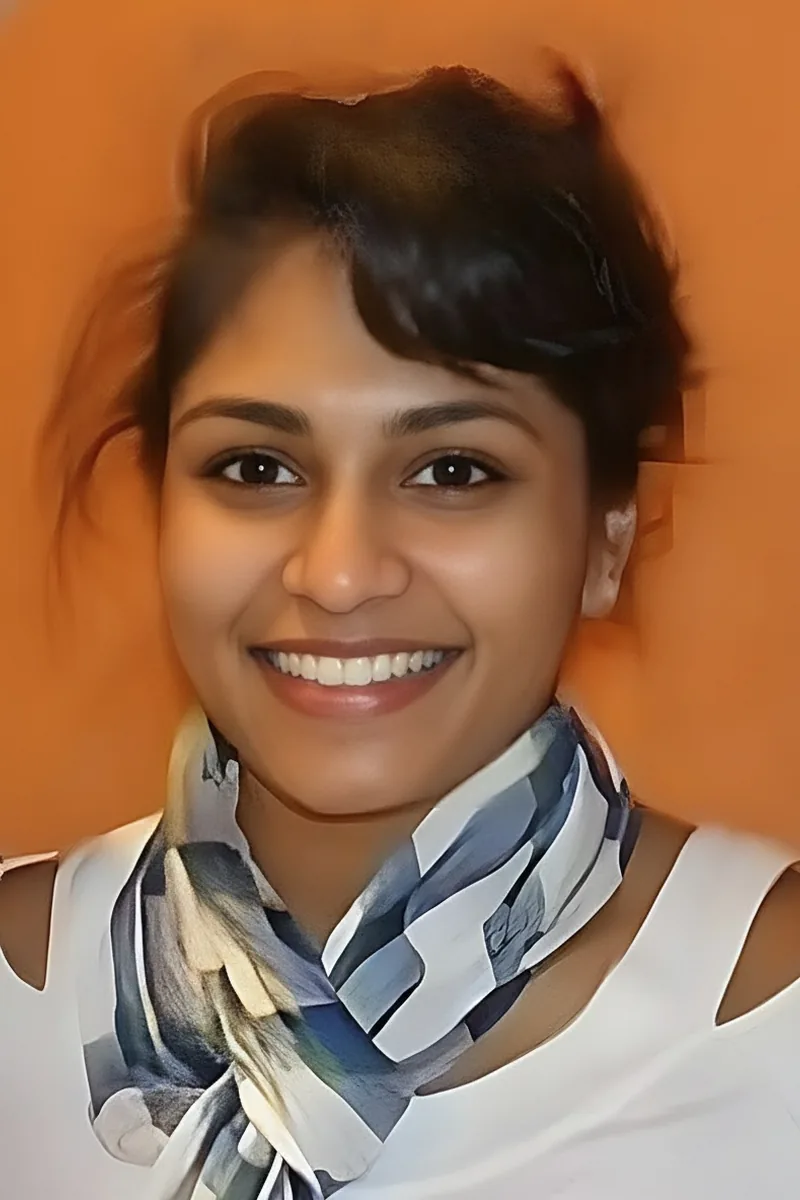
As an engineering student at Brown, Kashish works with programming languages and computational thinking daily — from writing algorithms to debugging code and understanding data structures like arrays, linked lists, and trees. She breaks down abstract CS concepts by connecting them to concrete problems, making topics like recursion or object-oriented design click for students encountering them for the first time. Her analytical precision and 5.0 rating make her a strong fit for introductory through intermediate computer science.

Three Bachelor of Science degrees — including Neuroscience — meant Anna was writing code long before she started teaching it, using Java, Python, and MATLAB to analyze data and build computational models across disciplines. That cross-field experience shapes how she teaches CS fundamentals: students don't just learn syntax, they learn to think about what a program needs to do before structuring it in any particular language. Rated 5.0 by students.
Pursuing a CS master's at Penn while TAing discrete math means Keenan lives in both the theoretical and practical sides of computer science every day. He unpacks core topics like algorithm complexity, data structure tradeoffs, and computational logic in a way that connects abstract ideas to real code. Rated 5.0 across all sessions.
Pursuing both computer science and data science at NYU's Courant Institute with a cybersecurity minor, Diego lives in this material daily — from algorithms and data structures to networking and systems-level thinking. He breaks abstract CS concepts into smaller, buildable pieces so students can trace the logic themselves rather than just copying solutions.
Michael earned his B.S. in Computer Science from UCLA, where he dug into everything from data structures and algorithms to software design principles. He breaks down abstract concepts like recursion, Big-O analysis, and object-oriented programming into concrete, step-by-step logic that clicks. He also teaches JavaScript, giving him a practical edge when students need to connect theory to actual code.
I am a undergraduate freshman of the University of Michigan, studying business at the Ross School of Business. Working together with students and having a good time while seeing steady improvements has proven to provide me great joy. I believe that communication and relationship building is crucial for students to open up about their struggles and also for me to identify problems they don't realize they can improve on, so this is a key aspect of all of my lessons. During my free time, I enjoy playing sports or snacking on desserts while binge-watching Friends!
I am graduated from Penn State University in Industrial Engineering in 2017. I've tutored ever since I was in high school, and I love helping people! I like to help my students understand math (and other topics) instead of just doing it blindly. My goal is to help my students improve their math (and other topics) and build skills that will help them find learning easier in the future! Fun fact, I used to work for Disney and I like to salsa dance!
Sakibul's graduate work at Rice sits at the intersection of computer science and applied mathematics, which means he tackles programming concepts — loops, recursion, data structures — with the analytical rigor of a mathematician. He breaks down abstract ideas like algorithmic complexity into concrete, step-by-step reasoning that clicks for students encountering CS for the first time.
Florence doesn't just study computer science at Duke — she teaches it, having served as a TA for Intro to Databases and Computer Network Architecture while also interning in software development at IBM. That combination of academic depth and industry experience means she can explain everything from relational algebra to TCP/IP networking with concrete, real-world context. Rated 5.0 by students.
A Duke CS graduate now pursuing a Master's in Cybersecurity, Noah covers everything from foundational data structures and algorithms to systems-level concepts like memory management and network protocols. He breaks down abstract topics — recursion, Big-O analysis, object-oriented design — by connecting them to real problems rather than leaving them as textbook definitions. Students get someone who's still actively building in the field, not just teaching from notes.
Software development taught Michael something that textbooks often skip: the discipline of decomposing a massive, ambiguous problem into small, testable pieces — and that's exactly how he teaches computer science. His professional coding experience across languages like Java, Python, Ruby, and C means he can ground abstract topics like object-oriented design or control flow in real working code rather than classroom-only exercises. Rated 4.9 by students.
Studying computer science at MIT, Brice digs into everything from data structures and algorithms to systems-level thinking with students at any stage. He's tutored over 30 students in the past year alone, tackling topics like recursion, object-oriented design, and algorithmic complexity. Rated 4.9 by students.
Testimonials
Because the right Computer Science tutor makes all the difference.
Average Session Rating – Based on 3.4M Learner Ratings
Nearby Computer Science Tutors
Other Denver Tutors
Related Technology and Coding Tutors in Denver
Frequently Asked Questions
Your first session is all about understanding where you're starting from. A tutor will discuss your current programming experience, what you're working on in class, and your specific goals—whether that's mastering a particular language, understanding data structures, or building a project. This helps create a personalized plan that matches your pace and learning style.
Debugging is one of the most valuable parts of personalized tutoring. Rather than just fixing errors for you, tutors teach you how to read error messages, use debugging tools, and think through your code logically to find problems yourself. This builds the problem-solving skills that make you a stronger programmer, not just someone who can write code.
Syntax is the specific rules of a programming language—like how to write a for loop in Python versus JavaScript. Logic is the thinking process behind solving a problem algorithmically. Many students struggle with logic (breaking down a problem into steps) more than syntax, which is why tutoring focuses on building that foundational thinking first. Once logic clicks, syntax becomes much easier to learn.
Data structures like arrays, linked lists, and hash tables are abstract concepts that are tough to visualize. Tutors use hands-on examples, visual diagrams, and coding practice to make them concrete. Working through real problems with a tutor—like when to use a hash table versus an array—helps you build intuition that textbooks alone often don't provide.
Absolutely. Whether you're interested in web development, data science, game development, or cybersecurity, tutors can guide you toward the right languages and projects for your goals. They can also help you understand how foundational concepts like algorithms and data structures apply across different specializations, so you build skills that transfer.
Projects are one of the best ways to learn programming because they force you to apply concepts in real situations. Tutors can help you plan a project, break it into manageable pieces, review your code, and guide you through challenges without just giving you answers. This builds both technical skills and the confidence to tackle problems independently.
Denver's 9 school districts offer Computer Science courses ranging from introductory programming in middle school to AP Computer Science Principles and AP Computer Science A in high school. Tutors working with students in Denver are familiar with these standards and can help whether you're learning Python basics, Java, or preparing for AP exams. If you're in a specific district or course, let us know and we'll match you with someone who knows that curriculum.
Code review teaches you to read and critique code—both your own and others'—which is a skill professional developers use every day. A tutor can review your code for clarity, efficiency, and best practices, then explain why certain approaches are better. This feedback loop accelerates learning way faster than just writing code on your own.
Let’s find your perfect tutor
Answer a few quick questions. We’ll recommend the right plan and match you with a top 5% tutor.