Award-Winning AP Calculus BC Tutors
serving Phoenix, AZ
AP Calculus BC
Tutors in Phoenix
Private 1-on-1 tutoring, weekly live classes for academic support, test prep & enrichment, practice tests and diagnostics, and more to elevate grades and test scores.
Based on 3.4M Learner Ratings
UniversitiesSchools & Universities
DeliveredHours Delivered
ProficiencyGrowth in Proficiency
Who needs tutoring?
No obligation. Takes ~1 minute.
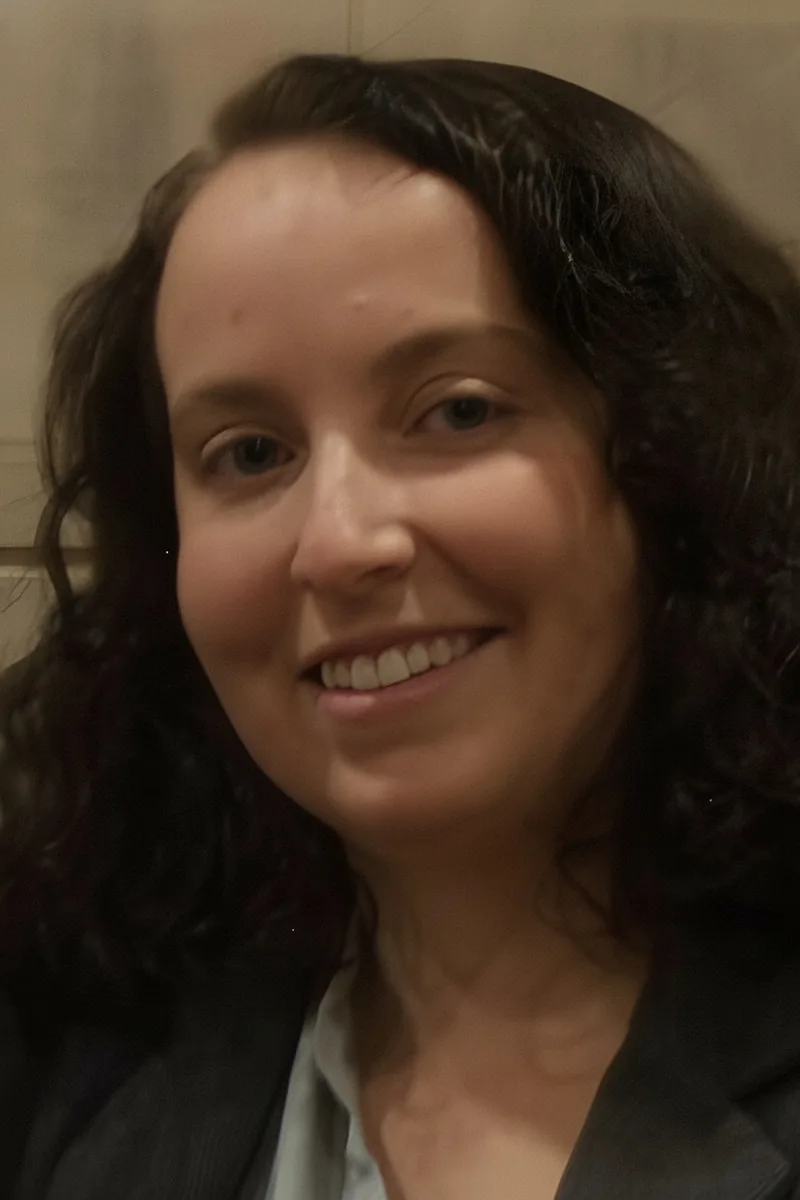
As a multivariable calculus teaching assistant at Harvard's Math Department, Kristi spent semesters watching exactly where students' BC foundations cracked under pressure — shaky series intuition, mechanical convergence testing, parametric reasoning that never quite solidified. Her astrophysics training means she learned these tools by necessity, using Taylor expansions to model orbital mechanics and integration techniques to analyze planetary data, so she teaches the logic driving each method rather than just the steps. Rated 5.0 by students.
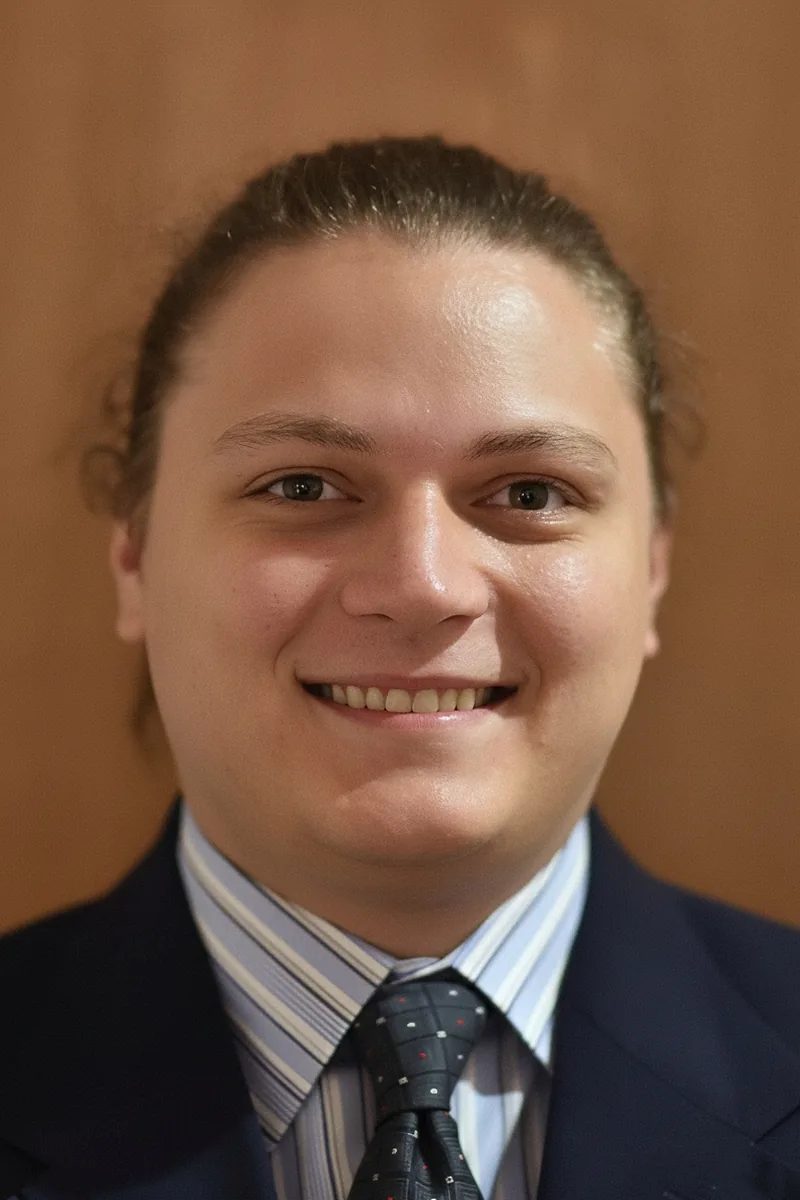
Chemical engineering undergrad coursework is essentially a stress test for everything BC Calculus covers — Adrian uses series approximations in thermodynamics, integration techniques in transport phenomena, and differential equations in reactor design on a regular basis. That active, applied relationship with the material means he can trace a stalled-out convergence problem or a messy integration back to the specific step where reasoning went sideways. His 34 ACT and deep math background keep explanations tight and technically precise.
BC Calculus layers convergence tests, parametric equations, and series onto an already demanding AB foundation, and each topic builds on the last. Yuxuan tackles these by connecting them to the applied math she uses in her chemical biology coursework at UC Berkeley, where Taylor series and differential equations aren't abstract exercises — they model real systems. Rated 4.9 by students.
BC Calculus piles on convergence tests, parametric equations, and polar curves right when students think they've mastered AB material. Jake tackles series and sequences by teaching students to build a decision tree for which convergence test applies, turning one of the most overwhelming units into a systematic process.
Grad-level chemical engineering at ASU Barrett means Alex is knee-deep in the calculus that most BC students only glimpse — using series to model reaction kinetics, integration techniques to solve mass and energy balances, and differential equations to predict system behavior. That daily exposure makes him especially sharp at teaching convergence tests as a structured decision process rather than a memorization exercise. Holds a 5.0 rating.
Studying both physics and mathematics at Emory means Yurok encounters BC topics like series expansions and differential equations in two different contexts every week — once as pure math, once as tools for solving physical systems — which gives him a double lens on why techniques like convergence tests or Taylor approximations actually matter. He's especially sharp at the transition from AB to BC, breaking down where parametric derivatives and polar integrals grow directly out of skills students already have. Rated 4.9 by students.
Lindsay's biology and mathematics training at the University of Arizona means she didn't just pass through calculus — she relied on series approximations and integration techniques in upper-level coursework where getting the math wrong meant getting the science wrong. That dual fluency is especially useful in BC, where she breaks down the logic behind convergence tests and parametric derivatives by connecting them to the AB concepts students already trust. Rated 4.9 by students.
When I was in high school, I remember seeing the joy of my math teachers when they would teach in class. This inspired me to become a high school math teacher. The first step was becoming a peer tutor to my classmates. This lead to tutoring math to college students. Then tutoring students while working as a TA. Then I worked as a data scientist which not only did I understand more how to apply math in the workspace, but also learned how to explain math concepts to coworkers without a strong math background. This helped me to shape my tutoring philosophy to relate to the person being tutored and this opened the door to me teaching high school calculus 1 & calculus 2! I am currently teaching precalculus at a community college.
Studying pure mathematics at Rice gives Aaron a perspective on BC topics that goes deeper than computation — when he teaches convergence tests or constructs Taylor series, he draws on the rigorous proof-based training that makes those ideas precise rather than just procedural. He's especially sharp at identifying the exact AB concept a student needs to solidify before a BC extension like parametric derivatives or Lagrange error bounds will make sense. Rated 4.9 by students.
BC Calculus piles on fast — Taylor series, parametric equations, and convergence tests all land within a few weeks of each other. Jack passed the AP Calculus BC exam himself and now uses his civil engineering coursework at ASU to show students how these concepts connect to real applications like modeling curves and approximating complex functions. Rated 5.0 by students.
Having TA'd Calculus I and II at Rice while pursuing a graduate degree in computational and applied mathematics, Sakibul knows exactly where the AB-to-BC transition trips students up — particularly when series convergence and parametric differentiation demand a sharper kind of reasoning than anything before. He breaks down topics like interval of convergence arguments and integration techniques by rebuilding the logic from scratch rather than handing over shortcuts. His applied math background means he treats Taylor approximations and error bounds as precision tools, not abstract busywork.
Electrical engineering at Duke means Brooke is actively using series expansions to analyze circuits and integration techniques to model signal behavior — so when she teaches convergence tests or Taylor polynomial construction, she knows exactly which conceptual gaps trip students up because she's recently closed those gaps herself. Her 1550 SAT and 5.0 tutoring rating back up what her coursework suggests: she can break down the leap from AB to BC in precise, concrete terms that make parametric curves and polar integrals feel like logical next steps rather than foreign territory.
Most BC students can follow a convergence test step by step but freeze when asked to choose which test to apply — that decision-making is where Nima, a physics major heading to Duke on a full merit scholarship, spends most of his teaching energy. His physics training means he treats series and parametric equations as descriptions of real motion and real forces, which gives students an intuitive anchor when the abstraction piles up. A 1580 SAT and 4.7 rating back up his ability to make that AB-to-BC jump feel manageable.
Biochemistry lab work at Columbia demands comfort with the calculus that models reaction kinetics and molecular behavior — Andrew has spent years using integration techniques and series approximations in that context, which gives his BC teaching a practical edge when students ask "why does this matter?" He's especially effective at breaking down the transition from AB to BC, tracing topics like Taylor polynomial construction and convergence criteria back to the derivative and integral logic students already trust. Rated 4.9 by students.
Studying applied physics at Cornell, Ritesh encounters BC-level calculus constantly — parametric motion in mechanics, series approximations in wave theory, integration techniques in electromagnetism — so he teaches these topics as interconnected tools rather than isolated chapters. He's especially sharp at walking through the logic of convergence tests, where students often memorize steps without understanding which test to reach for and why. His 1440 SAT and 4.6 rating speak to that clarity.
Scoring a 36 on the ACT while majoring in chemistry at MIT means Nicholas lives in the overlap where rigorous math meets scientific application — and BC Calculus sits right at that intersection. He's especially good at breaking down series convergence and integration techniques by grounding them in the kind of approximation problems he encounters in physical chemistry coursework, so the logic behind a ratio test or a Taylor expansion feels earned rather than arbitrary. Rated 5.0 by students.
Engineering physics at Cornell means Daniel is currently neck-deep in the math that BC Calculus builds toward — using series to model oscillating systems, applying integration techniques to energy problems, and solving differential equations that describe real physical behavior. That context gives him a clear picture of which BC skills actually matter and how to teach something like the ratio test or parametric arc length by grounding it in the AB intuition a student already carries. Rated 5.0 by students.
Managing an immunology research lab at Columbia means Matthew lives in the quantitative deep end — modeling biological systems, analyzing experimental data — and his physics degree built the calculus fluency that makes that possible. He's especially sharp on the BC topics that trip students up after AB: constructing Taylor series from scratch, navigating convergence tests systematically, and connecting parametric or polar problems back to the derivative logic underneath them.
BC Calculus layers convergence tests, parametric equations, and polar curves on top of an already demanding AB foundation, and the pacing leaves little room to fall behind. Vinson earned a 36 ACT and National AP Scholar distinction while building the kind of deep mathematical fluency that makes series analysis and integration techniques click. He breaks each new BC topic into the AB concept it extends, so the jump never feels arbitrary.
Teaching discrete math at Penn while finishing a CS master's means Keenan lives in the world of rigorous mathematical argument — the same mindset that separates students who survive BC from those who actually understand it, especially when series convergence proofs and error bound reasoning demand more than mechanical computation. His philosophy undergraduate training adds an unusual edge: he treats each BC concept like a logical claim that needs justification, which makes topics like the Lagrange remainder or comparison tests feel structured rather than arbitrary. Rated 5.0 by students.
Scoring a 36 on the ACT while studying economics at Vanderbilt means Kerr lives comfortably in the quantitative reasoning that BC Calculus demands — and his computer science focus sharpens the algorithmic thinking behind recursive sequences and series convergence. He teaches BC's trickiest leaps, like moving from basic integration to constructing Taylor polynomials, by grounding each new idea in the conceptual logic rather than just the procedural steps. Rated 4.9 by students.
BC Calculus layers convergence tests, parametric equations, and polar curves on top of an already demanding AB foundation, and keeping all of it organized is half the battle. Tessa's approach is to unpack each new topic by tying it back to core ideas students already understand — showing, for instance, how Taylor series are really just an extension of local linearity. She's a math major at Yale with a 4.9 client rating.
Testimonials
Because the right AP Calculus BC tutor makes all the difference.
Average Session Rating – Based on 3.4M Learner Ratings
Practice AP Calculus BC
Free practice tests, flashcards, and AI tutoring for AP Calculus BC
Other Phoenix Tutors
Related Math Tutors in Phoenix
Frequently Asked Questions
AP Calculus BC covers all topics from AP Calculus AB plus additional material including parametric equations, polar coordinates, and series. The full curriculum includes limits, derivatives, applications of derivatives, integrals, differential equations, and infinite series. For students in Phoenix preparing for the May exam, understanding this expanded scope helps you plan your study timeline and identify which topics need the most practice.
AP Calculus BC includes everything from AB plus series and parametric/polar content, making it more comprehensive but not necessarily harder—it depends on your comfort with the foundational concepts. Most students benefit from consistent study throughout the year rather than cramming. Personalized 1-on-1 instruction helps identify your specific weak areas so you can focus your effort efficiently rather than spending equal time on everything.
Students often struggle with understanding the conceptual 'why' behind procedures, managing time during the exam (especially the free-response section), and connecting multiple topics together. Series convergence tests and determining when to use different integration techniques are frequent trouble spots. A tutor can help you build conceptual understanding rather than just memorizing steps, which translates directly to better performance on both multiple-choice and free-response questions.
Score improvement depends on your starting point and how consistently you engage with tutoring and practice. Students who work with a tutor typically see meaningful gains by focusing on weak topics and test-taking strategies rather than reviewing material they already understand. The AP Calculus BC exam is scored 1-5, and tutoring is most effective when combined with regular practice tests and consistent effort outside of sessions.
Practice tests are essential for AP Calculus BC because they help you understand the exam format, identify weak topics, and build timing skills under pressure. You should take full-length practice tests periodically (not just individual sections) to simulate the real exam experience. A tutor can review your practice test results with you, pinpoint patterns in your mistakes, and help you develop strategies for the specific question types that challenge you most.
Your first session focuses on understanding where you are right now—a tutor will assess your comfort with foundational concepts, review any recent exams or assignments, and learn about your goals and timeline. This helps create a personalized study plan targeting your specific needs rather than generic review. You'll leave with a clear sense of which topics to prioritize and what to expect moving forward.
Look for tutors with strong mathematics backgrounds, ideally including calculus coursework or teaching experience. Experience with AP Calculus specifically—understanding the exam format, common student misconceptions, and effective test-taking strategies—is valuable. Varsity Tutors connects you with expert tutors who can explain complex concepts clearly and help you build both understanding and confidence for exam day.
Effective pacing means learning new material during the school year, then dedicating focused time to review and practice tests in the final weeks before the May exam. Many students benefit from tackling series and parametric/polar topics early since they're less familiar, leaving more time for integration and application problems that appear frequently on the test. A tutor can help you create a realistic timeline based on your current progress and the topics you find most challenging.
Let’s find your perfect tutor
Answer a few quick questions. We’ll recommend the right plan and match you with a top 5% tutor.