Award-Winning Creative Writing Tutors
serving Mesa, AZ
Creative Writing
Tutors in Mesa
Private 1-on-1 tutoring, weekly live classes for academic support, test prep & enrichment, practice tests and diagnostics, and more to elevate grades and test scores.
Based on 3.4M Learner Ratings
UniversitiesSchools & Universities
DeliveredHours Delivered
ProficiencyGrowth in Proficiency
Who needs tutoring?
No obligation. Takes ~1 minute.
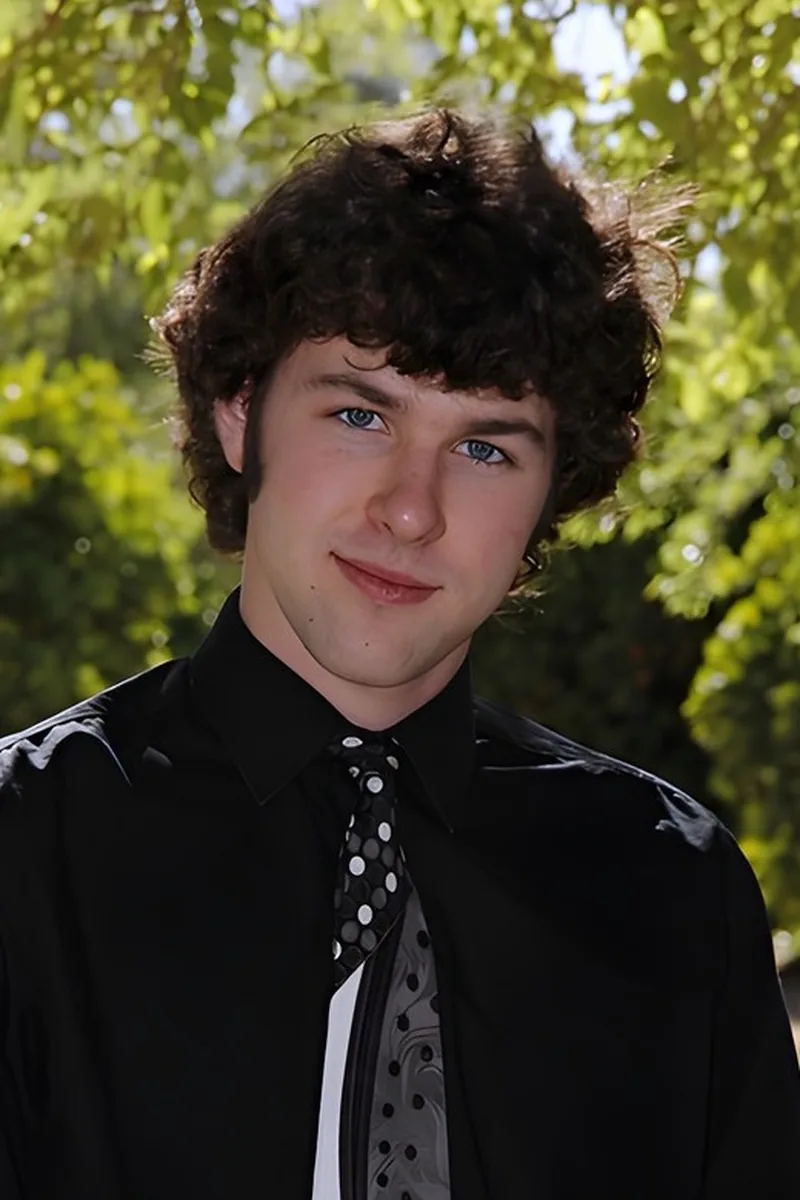
Workshop culture can be intimidating if nobody's shown you how to give and receive feedback productively. Steven has spent his entire undergraduate career inside that environment as a Creative Writing major at ASU's Honors College, writing across fiction, poetry, and nonfiction. He teaches the habits that make creative work improve draft over draft: reading widely, revising ruthlessly, and trusting the process even when a piece feels stuck.
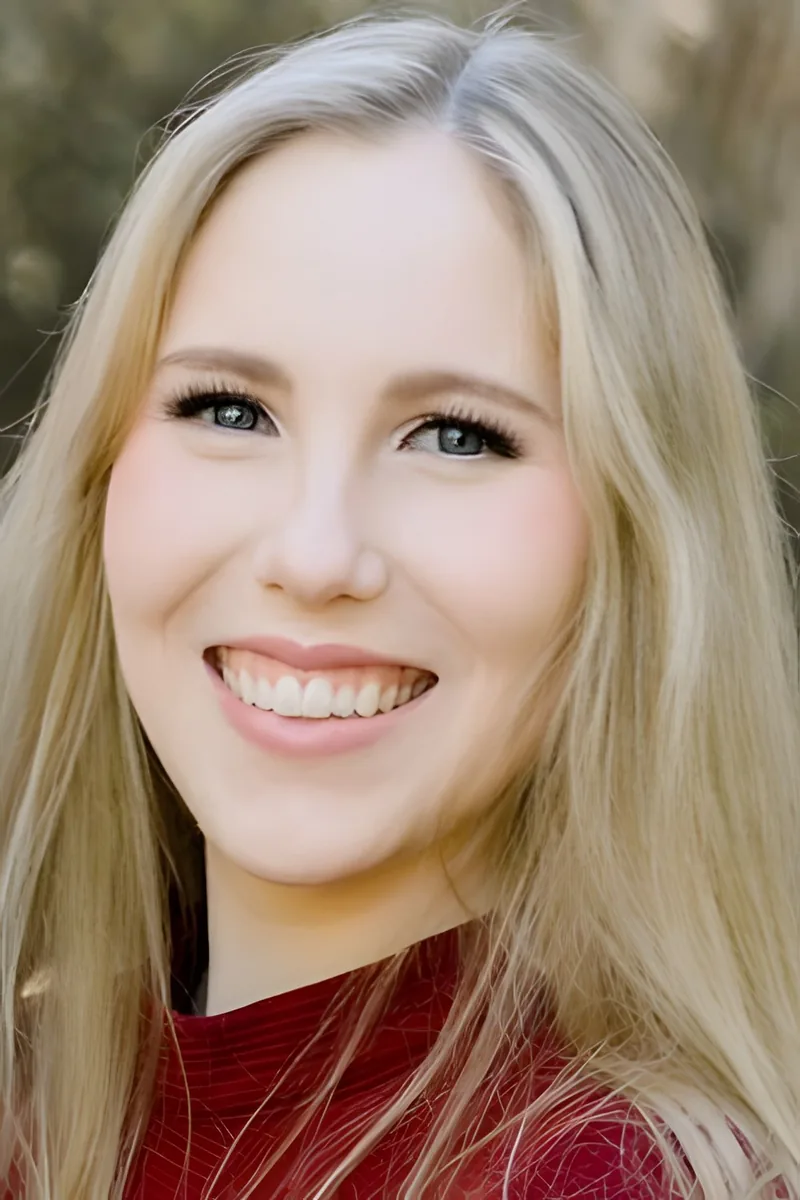
Oxford's one-on-one tutorial system taught Amanda something about writing that most classroom settings can't — how to sit with a single draft and push it, line by line, until the voice on the page actually sounds like the person who wrote it. Her English degree from Kenyon (summa cum laude, Phi Beta Kappa) was steeped in close reading, which she now turns around in creative writing sessions: teaching students to read their own fiction and poetry with the same attention they'd give a published piece, catching where the language goes slack or where a scene needs one more concrete detail to land.
A creative writing tutor who only praises a student's work isn't much use — real improvement comes from learning craft techniques like controlling pacing, writing believable dialogue, and choosing concrete details over vague abstractions. Karen writes herself and studied literature at Vanderbilt, so she gives the kind of specific, constructive feedback that sharpens a draft from rough idea to polished piece.
I love to help students to do well on the SAT and ACT Verbal, Reading, and English sections. I have tutored these areas of standardized tests for more than 3 years. My approach is not "standardized" because I enjoy working one-on-one with clients to tailor learning experiences that address each person's unique needs. As a former professor of communication, I also have the skills to help professionals and graduate students with their research and writing. I am currently helping a doctoral student with her dissertation.
Emma's own poetry and nature literature lessons — designed for students from preschool through twelfth grade at Chautauqua Institution — taught her how to adapt creative writing instruction to wildly different skill levels without dumbing down the craft. Her Human Development studies at Cornell inform how she approaches the writing process itself, understanding what kinds of prompts and revision strategies actually click at different ages. Rated 5.0 by students.
A blank page is less intimidating when a writer has concrete tools: a compelling opening image, a character with a specific want, a sense of where tension lives in a scene. Victoria teaches these craft elements explicitly, drawing on her own background in essay writing and her humanities-intensive education at The Brearley School and Carleton College. She's particularly skilled at helping students find their own voice rather than imitating someone else's.
An electrical engineering student at Duke might seem like an unlikely creative writing tutor, but Brooke's deep Latin studies — through AP level — trained her to obsess over how individual word choices carry weight, rhythm, and layered meaning in ways that map directly onto crafting strong prose and poetry. She also writes and edits across genres, from college application essays to literary analysis, giving her a practical sense of when a draft needs tighter structure versus more room to breathe. Rated 5.0 by students.
Living in France and England didn't just give Heather conversational French — it gave her a writer's habit of noticing the small, strange details that make a place or a person feel real on the page. She brings that observational instinct into drafting and revision, especially when students need to move past generic description and find the specific image or moment that gives a piece its voice. Her quantitative methods background also makes her unusually good at talking about structure — why a scene works where it's placed, how pacing builds, what a piece gains or loses from a different order.
A creative writing degree taught Mahalia something most writers learn the hard way: revision is where the real writing happens. She walks students through the full arc of a piece — from generating raw material through workshopping drafts — covering craft elements like voice, pacing, dialogue, and scene construction. Whether someone is writing poetry, short fiction, or personal essays, she treats each draft as a conversation about what the piece is trying to do.
Spending years in research labs taught Emmanuel something unexpected about creative writing: the best ideas emerge from disciplined process, not inspiration alone. He walks writers through generating material, experimenting with form and voice, and revising with intention — whether the project is poetry, personal essay, or short fiction.
A published, award-winning writer, Adrianne teaches creative writing from the inside out — character development, voice, dialogue, and the revision process that turns a rough draft into something worth reading. She treats each student's ideas as real material worth shaping, not just classroom exercises.
Between a creative writing minor at Northwestern and years running a high school writing center, Nathaniel has logged serious time on both sides of the workshop table — producing his own fiction and non-academic work while coaching other writers through drafts. He's particularly sharp at helping students find the gap between what they meant to say and what's actually on the page, then working through revision at the sentence level until voice, pacing, and detail all land together.
Teaching Spanish in Baltimore City public schools and writing across multiple genres gave Michael a working sense of how language choices — verb tense, sentence rhythm, the weight of a single word — shape a reader's experience differently in fiction than in an essay or a lesson plan. He brings that bilingual awareness of how languages build meaning into creative writing sessions, especially when students are experimenting with voice, tone, or translating lived experience onto the page.
Psychology training at Colgate gave Suzanne something quietly useful for creative writing — a deep understanding of how people think, what motivates them, and why they behave in contradictory ways, which is exactly what makes fictional characters feel real rather than flat. She brings that behavioral insight into drafting sessions, especially when students are building characters or writing personal narratives that need emotional precision. Her research background also sharpens her revision instincts, catching where a piece makes claims about a character's feelings instead of showing them.
Testimonials
Because the right Creative Writing tutor makes all the difference.
Average Session Rating – Based on 3.4M Learner Ratings
Other Mesa Tutors
Related English Tutors in Mesa
Frequently Asked Questions
Your first session is about getting to know you and understanding your creative goals. A tutor will ask about the types of writing you enjoy (fiction, poetry, memoir, screenwriting, etc.), any specific projects you're working on, and areas where you'd like to improve—whether that's developing stronger characters, overcoming writer's block, or refining your narrative voice. This helps create a personalized plan tailored to your writing style and aspirations.
Creative writing tutors guide you through every stage—from brainstorming and outlining to drafting, revising, and editing. They help you develop ideas, organize your thoughts, and work through common challenges like writer's block or getting stuck mid-story. Most importantly, you receive personalized feedback on your actual writing, helping you understand what's working and how to strengthen weak areas in your voice, pacing, and storytelling.
Absolutely. Developing a distinctive voice is one of the most rewarding aspects of creative writing, and personalized tutoring is ideal for this. A tutor can help you experiment with different narrative perspectives, sentence structures, and descriptive techniques while providing feedback on what feels authentic to you. Through reading analysis and targeted writing exercises, you'll discover the stylistic choices that make your writing uniquely yours.
Writer's block and disorganization are common challenges, and tutors have proven strategies to help. For writer's block, they use brainstorming techniques, free-writing exercises, and story prompts to get ideas flowing. For organization, they help you outline your plot, develop character arcs, and structure your narrative so your ideas flow logically. With personalized guidance and regular practice, you'll build confidence and momentum in your writing.
Yes. Whether you're interested in fiction, poetry, memoir, fantasy, romance, screenwriting, or any other genre, Varsity Tutors connects you with tutors who have expertise in your area. During the matching process, you can specify what type of creative writing you want to focus on, ensuring you work with someone who understands the conventions and techniques of your chosen genre.
While peer feedback is valuable, a tutor brings expert knowledge of craft, structure, and storytelling technique. They can identify specific areas for improvement—like pacing issues, underdeveloped characters, or dialogue that doesn't ring true—and explain the 'why' behind their suggestions. This expert perspective, combined with one-on-one attention, helps you grow as a writer much faster than general peer feedback alone.
Varsity Tutors makes it easy to connect with experienced creative writing tutors in Mesa. You simply tell us about your writing goals and experience level, and we match you with a tutor whose expertise aligns with what you're working on. You can start with a single session to see if it's a good fit, with no long-term commitment required.
The ideal frequency depends on your goals and timeline. Some students benefit from weekly sessions to maintain momentum on a project, while others prefer bi-weekly meetings to allow time for independent writing between sessions. Your tutor can help you determine what works best based on whether you're preparing for a writing competition, working on a portfolio, or simply looking to improve your craft over time.
Let’s find your perfect tutor
Answer a few quick questions. We’ll recommend the right plan and match you with a top 5% tutor.