Award-Winning College Essays Tutors
serving Mesa, AZ
College Essays
Tutors in Mesa
Private 1-on-1 tutoring, weekly live classes for academic support, test prep & enrichment, practice tests and diagnostics, and more to elevate grades and test scores.
Based on 3.4M Learner Ratings
UniversitiesSchools & Universities
DeliveredHours Delivered
ProficiencyGrowth in Proficiency
Who needs tutoring?
No obligation. Takes ~1 minute.
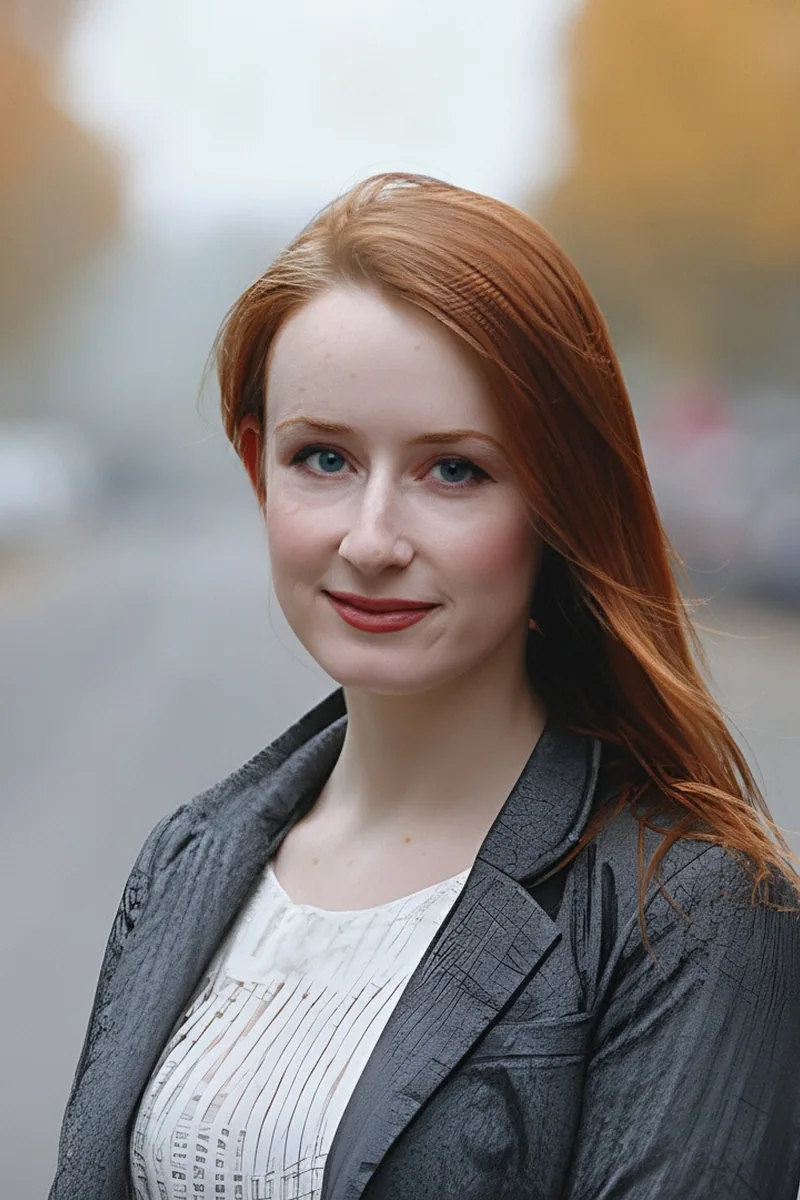
Having gone through the Yale admissions process herself, Annelisa knows what makes a college essay land — it's rarely the topic and almost always the specificity of detail and the authenticity of voice. She digs into early drafts to find the one sentence that actually sounds like the student, then builds outward from there. The result is an essay that reads as genuinely personal rather than strategically polished.
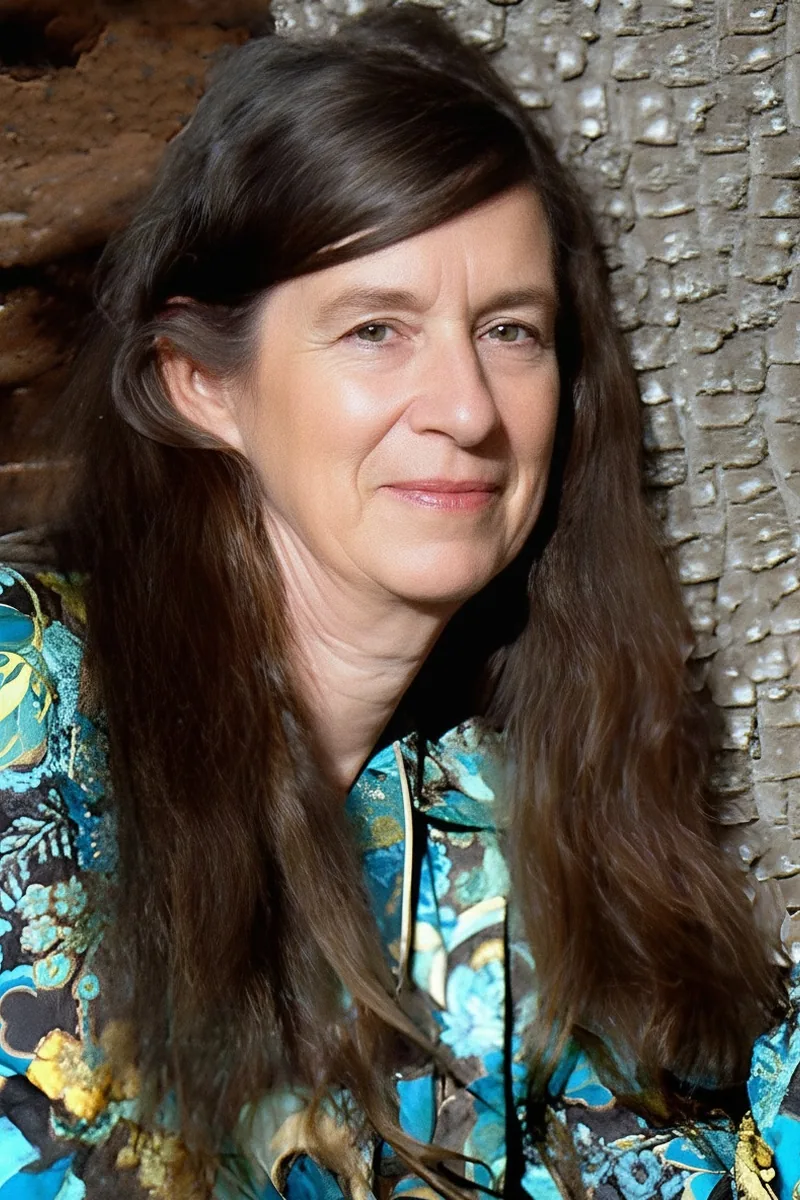
A strong college essay isn't about listing accomplishments — it's about constructing an argument for who you are, using specific details as evidence. Diana's philosophy training at Stanford and Brown was built entirely on crafting precise, compelling written arguments, and she applies that same structural thinking to personal statements and supplemental essays. She walks students through the process of finding a genuine angle and then revising until every sentence earns its place.
A strong college essay isn't about listing achievements — it's about making an admissions reader pause and pay attention. Steven, a Notre Dame and ASU graduate, knows what rigorous academic programs look for and coaches students on shaping a compelling narrative, tightening their prose, and making every sentence earn its place in a 650-word limit.
The hardest part of a college essay isn't the writing — it's figuring out which story actually reveals something meaningful about who you are. Jessica digs into brainstorming sessions that uncover those moments, then coaches students through drafts that sharpen voice, trim filler, and land on an authentic narrative admissions readers remember.
College admissions essays need a specific voice that's personal without being unfocused, and Lindsay approaches each draft by identifying the one story or detail that makes a student's application distinct. She walks through structure, tone, and word-level choices, drawing on her own experience navigating the admissions process and her background in both scientific and expository writing.
A strong college essay doesn't summarize a résumé — it reveals how a student actually thinks. Aaron spent eighteen years raising five kids and now designs homes professionally, which gives him a sharp eye for narrative structure and authentic voice. He walks students through brainstorming, drafting, and refining until the essay sounds unmistakably like them.
The hardest part of a college essay isn't the writing — it's figuring out which story actually reveals something meaningful about you. Spencer spent years in international relations and business, disciplines that demand persuasive, audience-aware writing, and he applies that same lens to admissions essays: what does this reader need to hear, and how do you deliver it authentically? He's particularly sharp at turning vague personal anecdotes into focused narratives with real stakes.
A strong college essay doesn't summarize a résumé — it reveals how a student thinks. Rochelle digs into brainstorming and revision with each writer, pulling out the specific details and voice that admissions officers remember. Her cognitive science training sharpens her ear for what makes a narrative feel authentic versus generic.
A strong college essay isn't about listing accomplishments — it's about revealing how you think. Atley is currently navigating the pre-med track at the University of Arizona and recently went through the process of crafting personal statements that connect academic interests to a larger purpose. She tackles brainstorming, structure, and voice, pushing drafts toward specificity and authenticity.
A strong college essay isn't about listing accomplishments — it's about revealing how a student thinks. Charles, who is completing a Master's in Education at Arizona State, brings both a writer's eye and an educator's understanding of what admissions readers look for, coaching students to find a specific, authentic angle and develop it with concrete detail.
Currently navigating the medical school admissions process herself, Niabari knows firsthand what makes a personal statement land with a review committee. She teaches students to identify a single compelling thread in their experience and build every paragraph around it, turning vague drafts into essays with genuine voice and structure.
The college essay isn't about listing accomplishments — it's about finding the precise language for an idea only you can express. Galen studied philosophy and English specifically to sharpen that skill, and he walks students through every stage from brainstorming a genuine topic to crafting a final draft that sounds like them, not like a template. Rated 5.0 by students.
A strong college essay doesn't summarize a résumé — it reveals how a student thinks. As someone deep in the law school application process herself, Alexis understands what admissions readers look for: a clear voice, a specific story, and a structure that earns the reader's attention in the first paragraph. She walks students from brainstorming through final draft, pushing them to find the one angle that only they could write.
A strong college essay needs a specific, honest moment — not a grand thesis about changing the world. Courtney walks students through brainstorming exercises that surface the small stories admissions officers actually remember, then structures drafts around a single narrative arc. Her own graduate-level writing experience at ASU sharpened her ability to give line-by-line feedback that tightens voice without erasing it.
Every admissions reader skims hundreds of essays that open with "I've always been passionate about..." — Elizabeth teaches students to ditch the generic and find the specific story only they can tell. Her master's-level writing background and experience with college application essays mean she knows how to shape a draft that sounds authentic and lands with purpose.
A college essay isn't a résumé — admissions officers want a specific moment, an honest voice, and a structure that doesn't feel formulaic. Michelle reads widely and writes constantly, which makes her a strong sounding board for finding the one story worth telling and cutting everything that dilutes it. She edits for both substance and rhythm, so the final draft sounds like the student, not a template.
A college essay needs to do something most high schoolers have never been asked to do — reveal character through a specific, well-crafted story rather than list accomplishments. Linda has guided first-generation college students and Harvard-level applicants alike through the process of finding that story, shaping it into a compelling narrative, and editing it until every sentence earns its place. Her background in publishing gives her an editor's instinct for what admissions readers actually remember.
Getting into a school like Harvard — where Kristi earned her dual BA — meant crafting essays that turned a specific passion into a compelling narrative. She walks students through every stage, from brainstorming the right topic to sharpening the final draft so each sentence earns its place. Her experience writing across scientific and creative contexts (she also writes screenplays) gives her a sharp eye for voice and structure.
Having navigated admissions processes across multiple academic programs — including a master's in political science — Ivanna knows what makes a personal statement land with a committee. She digs into a student's experiences to find the narrative thread that feels authentic, then sharpens the structure and voice until every paragraph earns its place.
Getting into professional school is something Daniel knows firsthand — he navigated the application process for dental school and understands what admissions committees look for in a personal statement. He teaches students to build essays around one specific, revealing experience rather than cramming in every accomplishment, then sharpens the narrative until it reads with clarity and purpose.
Studying cellular and molecular biology at Yale while also diving deep into literature and writing means Alice lives in both halves of the Common App — the STEM applicant and the storytelling one — and knows how to bridge them. She scored a 36 on the ACT, so she's been through the admissions gauntlet recently enough to remember what made her own essays click: finding the one small, honest detail and building everything around it instead of trying to summarize an entire high school career in 650 words.
A college essay that reads like a résumé summary gets skimmed; one built around a single vivid moment gets remembered. Jake's marketing background trained him to think about audience and narrative arc, and he applies that instinct to admissions writing — pinpointing the one story detail that reveals character, then shaping everything else around it. He walks students from messy brainstorm to polished final draft without flattening their voice.
Having spent over two decades communicating complex technical ideas to diverse audiences — from conference presentations to published papers — Tim knows how to structure an argument that lands. He applies that clarity to college essays, teaching students to identify their strongest narrative thread and build each paragraph around it. His bilingual background in English and Mandarin also makes him a natural fit for international applicants navigating the U.S. admissions process.
Admissions officers read thousands of essays that say the same things in the same way, so the challenge isn't being impressive — it's being specific and honest about one meaningful experience. Rachelle brings an unusual combination of perspectives to essay editing: the logical structure of a philosophy major, the narrative instincts of an avid reader and writer, and real-world experience as a Military Police Officer in the Arizona Army National Guard. She pushes students to find the concrete details that make their story unmistakably theirs.
Getting into medical school meant Alex had to write personal statements that turned a chemical engineering and anthropology double major into a coherent narrative — and that experience now directly informs how he approaches college essays with applicants. He teaches students to identify the one specific story that makes an admissions reader stop skimming, then structure every paragraph around that throughline.
John's path from law school to co-founding a tech startup in NYC gives him a unusual vantage point on the personal essay — he understands how admissions readers respond to narrative risk and genuine intellectual curiosity. He walks students through brainstorming, structural choices, and the line-level revision that turns a decent draft into a compelling one.
Having navigated the UC application system herself, Arshia knows what admissions readers are scanning for — and it's not a thesaurus-heavy life summary. She digs into a student's specific experiences to find the narrative thread that makes an essay genuinely distinctive, then tightens the structure so every paragraph earns its place. Her mentorship background at UCLA's Peer Mentorship Program sharpened her instinct for what resonates with admissions committees.
I am Arizona born and raised, my education includes an NYC law school degree with an undergraduate BS degree from University of Miami. In college I majored in Health Sciences with minors in Psychology and Public Health while in law school I leaned into corporate law and finance. Between law school and college I've pretty much covered every topic under the sun! In my spare time, I enjoy reading (especially mystery novels), pretending I'm a chef, and meditating.
A strong college essay doesn't just list accomplishments — it reveals how a student thinks. Kyle's international studies background and master's in global management taught him to craft narratives that connect personal experiences to bigger ideas, which is exactly the skill admissions officers look for in a standout personal statement.
Three years teaching math and reading to kids ranging from pre-K through 12th grade at a Kumon center means Megan has spent a lot of time figuring out how different people learn and communicate — a skill that sharpens her instinct for what makes a college essay voice sound genuine versus forced. As a computer science student at Harvey Mudd, she's especially effective with applicants who lean analytical and need help turning a love of problem-solving or code into a personal narrative that doesn't read like a résumé. Her own recent experience with the admissions process keeps her advice grounded in what actually works on the page right now.
A strong college essay doesn't just list accomplishments — it reveals how a student thinks. Elise went through the medical school application process herself, crafting personal statements that earned her admission to Creighton's M.D. program, so she knows what admissions readers look for when distinguishing genuine voice from generic filler. She digs into brainstorming and revision, shaping each draft until it sounds like the student who wrote it.
College application essays live or die on specificity, and Alex — a current grad student who recently navigated the admissions process twice — knows what a compelling personal narrative actually looks like from the inside. He pushes students past vague claims about leadership or passion and toward the concrete moments and details that admissions readers remember.
I am a graduate student at Arizona State University studying Human and Social Dimensions of Science and Technology, and am passionate about the value of education at all levels. Previously I worked at the US Department of Energy on energy technology in Washington, DC. I have enjoyed setting up roots in Phoenix over the past few years, and am excited about sharing my knowledge and passion for learning with others in the area.I have a knack for explaining complicated ideas to people in simple terms, enjoy deepening people's understandings of issues, and value education highly. All of these characteristics make me an ideal tutor for Varsity Tutors, and I look forward to the opportunity to share my academic experiences and skills with tutees. In addition, I can give an expert's perspective on a wide range of topics including political science, public policy, various topics in science and technology, as well as an academic success-oriented mindset.
Law school admissions and college admissions have something in common: the personal statement has to do real work. Jeff went through the college essay process himself and then repeated it at a higher level for his Juris Doctor program at Arizona State, so he knows how to help a student find a genuine story and shape it into a compelling, structurally tight essay.
The hardest part of a college essay isn't the writing — it's figuring out which story actually reveals something meaningful about you. Jamila digs into brainstorming and drafting with students to find a genuine narrative thread, then sharpens structure and voice until the essay reads as distinctly theirs. Her Cornell background means she understands what selective admissions committees look for.
Having navigated graduate admissions himself, Robert knows what makes a college essay land: a specific voice, a genuine story, and structure that doesn't waste a single sentence. He walks students through brainstorming, drafting, and revising so the final essay sounds unmistakably like them — not like a template filled in with adjectives.
Having recently navigated the college application process — earning admission to ASU's selective Barrett Honors College — Ken knows what admissions readers are actually looking for in a personal statement. He teaches students to build essays around a single concrete moment rather than broad claims about their character, then shape the narrative so the "so what" lands clearly.
A strong college essay isn't about listing accomplishments — it's about finding one genuine moment or idea and letting it reveal something specific about who the applicant is. Thara recently went through the admissions process herself and earned a spot at Duke, so she knows how to shape a personal narrative, tighten a draft, and cut the filler that admissions officers see hundreds of times a day.
I am here because I thoroughly enjoy working with students and watching them succeed in their academic studies. As a Mathematics major at the University of Arizona (currently a junior), I have extensive experience teaching and tutoring: I have been a teacher's assistant for a Calculus II section at my university and have spent a great deal of time assisting students with non-math related subjects as well such as English and essay-writing, time management and study skills techniques, and standardized test prep (SAT).
A compelling college essay isn't about listing achievements — it's about revealing how you think. Luke treats each draft as a storytelling problem, pushing students to find the specific moment or detail that makes their voice unmistakable. Rated 4.9 by students, he's particularly effective at helping writers move from a vague topic idea to a tight, honest narrative.
Testimonials
Because the right College Essays tutor makes all the difference.
Average Session Rating – Based on 3.4M Learner Ratings
Other Mesa Tutors
Related English Tutors in Mesa
Frequently Asked Questions
A strong college essay has a clear thesis that answers the prompt, specific examples or stories that support your main idea, and authentic voice that shows who you are as a person. The essay should follow a logical structure—introduction with a hook, body paragraphs with evidence, and a conclusion that reinforces your point—while maintaining proper grammar and style throughout. Admissions officers want to see your perspective and personality, not a generic response.
A tutor provides personalized feedback on your essay's structure, thesis clarity, and argument development—areas that are hard to evaluate on your own. They can help you brainstorm compelling stories, organize your ideas logically, refine your voice, and revise for both content and mechanics. With one-on-one guidance, you'll understand not just what to fix, but why it matters for your overall message.
Many students struggle with staying focused on the prompt, using clichés instead of authentic details, or trying to sound overly formal rather than like themselves. Others have trouble organizing their thoughts clearly, leading to rambling paragraphs, or they spend too much time on editing grammar before they've developed their main ideas. The biggest mistake is waiting until the last minute, which leaves no room for meaningful revision and feedback.
Your first session focuses on understanding your goals, reviewing the essay prompt, and discussing your initial ideas or draft. The tutor will ask questions to help you clarify your main message, identify what makes your story unique, and create a plan for revision or writing. This foundation ensures that all future sessions build directly on what matters most for your specific essay.
Writer's block often happens when you're trying to write the "perfect" first sentence instead of just getting ideas down. Try brainstorming freely without judging your thoughts, listing specific moments or challenges that shaped you, or answering the prompt in conversational language first—perfection comes later. A tutor can ask targeted questions to help you discover compelling stories and organize your thoughts before you write formally.
Most strong essays go through multiple revisions—typically 3-5 rounds—focusing on different elements each time: first on content and structure, then on clarity and flow, and finally on grammar and style. Rather than trying to fix everything at once, revising in stages helps you strengthen your argument before worrying about word choice. A tutor can guide you through this process, prioritizing changes that have the biggest impact on your message.
Your authentic voice comes through when you write about something meaningful to you and use language that feels natural, not stiff or overly formal. Read your essay aloud to catch awkward phrasing, use specific details and examples rather than generalizations, and let your personality show through your word choices and perspective. A tutor can help you identify where your voice is strongest and where you're falling into generic patterns, then guide you to strengthen it throughout.
Varsity Tutors connects you with expert tutors who specialize in college essay writing and understand what admissions officers are looking for. You can share your essay prompt and goals, and get matched with a tutor who fits your needs and schedule. With personalized 1-on-1 instruction, you'll receive detailed feedback and strategies tailored to your specific essay and writing style.
Let’s find your perfect tutor
Answer a few quick questions. We’ll recommend the right plan and match you with a top 5% tutor.