Award-Winning College Essays Tutors
serving Phoenix, AZ
College Essays
Tutors in Phoenix
Private 1-on-1 tutoring, weekly live classes for academic support, test prep & enrichment, practice tests and diagnostics, and more to elevate grades and test scores.
Based on 3.4M Learner Ratings
UniversitiesSchools & Universities
DeliveredHours Delivered
ProficiencyGrowth in Proficiency
Who needs tutoring?
No obligation. Takes ~1 minute.
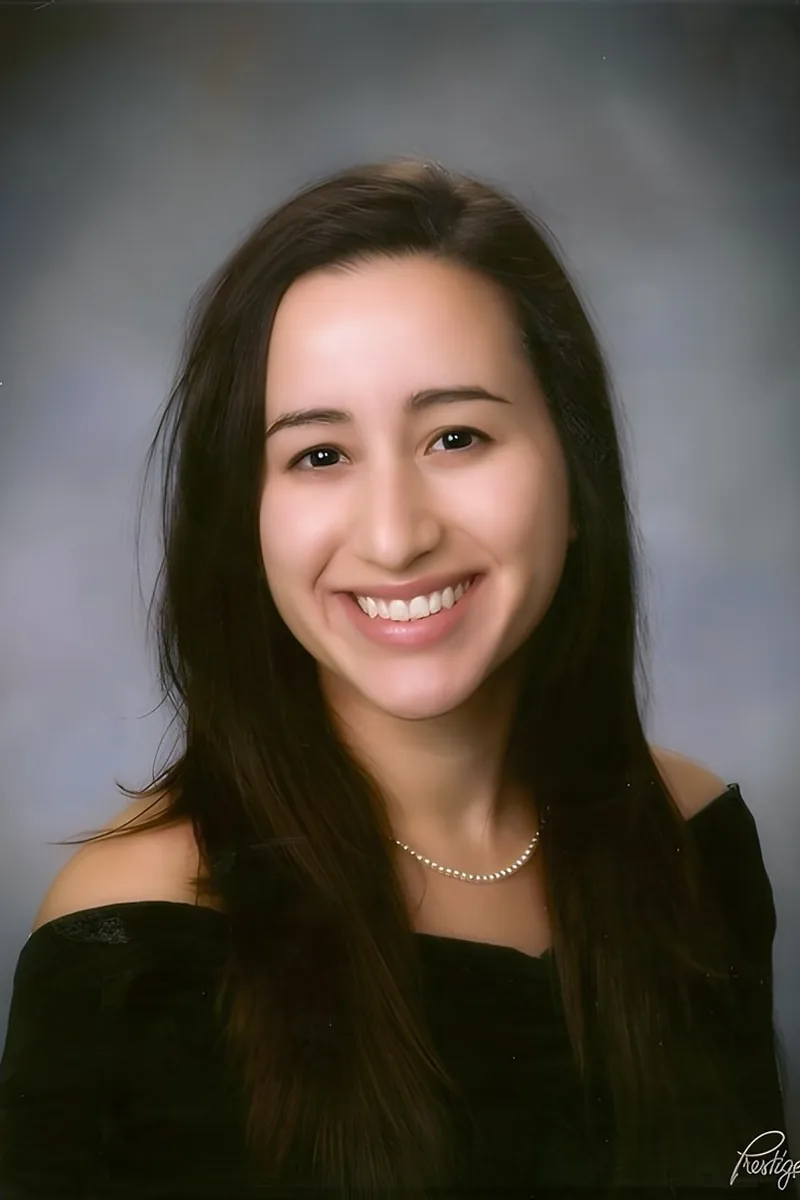
A strong college essay doesn't summarize a résumé — it reveals how a student thinks. As someone deep in the law school application process herself, Alexis understands what admissions readers look for: a clear voice, a specific story, and a structure that earns the reader's attention in the first paragraph. She walks students from brainstorming through final draft, pushing them to find the one angle that only they could write.
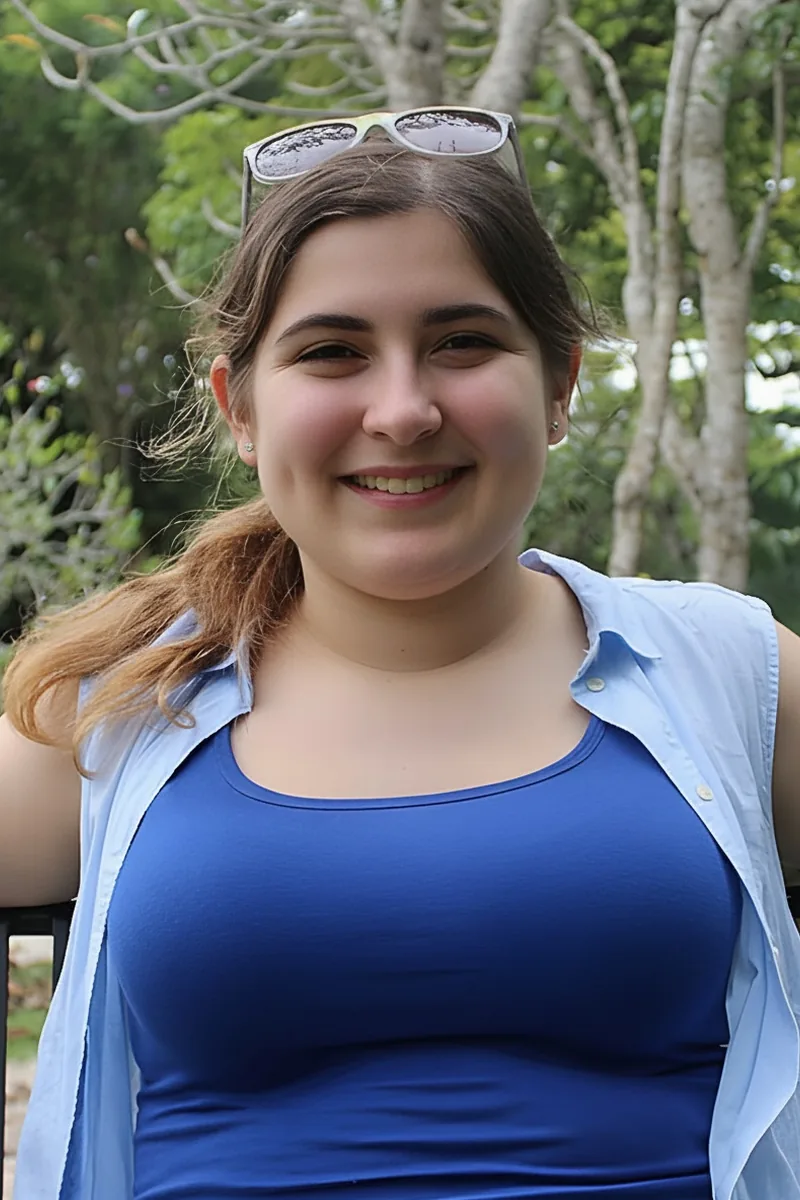
Every admissions reader skims hundreds of essays that open with "I've always been passionate about..." — Elizabeth teaches students to ditch the generic and find the specific story only they can tell. Her master's-level writing background and experience with college application essays mean she knows how to shape a draft that sounds authentic and lands with purpose.
Getting into a school like Harvard — where Kristi earned her dual BA — meant crafting essays that turned a specific passion into a compelling narrative. She walks students through every stage, from brainstorming the right topic to sharpening the final draft so each sentence earns its place. Her experience writing across scientific and creative contexts (she also writes screenplays) gives her a sharp eye for voice and structure.
A college essay needs to do something most high schoolers have never been asked to do — reveal character through a specific, well-crafted story rather than list accomplishments. Linda has guided first-generation college students and Harvard-level applicants alike through the process of finding that story, shaping it into a compelling narrative, and editing it until every sentence earns its place. Her background in publishing gives her an editor's instinct for what admissions readers actually remember.
Admissions officers read thousands of essays that say the same things in the same way, so the challenge isn't being impressive — it's being specific and honest about one meaningful experience. Rachelle brings an unusual combination of perspectives to essay editing: the logical structure of a philosophy major, the narrative instincts of an avid reader and writer, and real-world experience as a Military Police Officer in the Arizona Army National Guard. She pushes students to find the concrete details that make their story unmistakably theirs.
Getting into medical school meant Alex had to write personal statements that turned a chemical engineering and anthropology double major into a coherent narrative — and that experience now directly informs how he approaches college essays with applicants. He teaches students to identify the one specific story that makes an admissions reader stop skimming, then structure every paragraph around that throughline.
A strong college essay doesn't just list accomplishments — it reveals how a student thinks. Elise went through the medical school application process herself, crafting personal statements that earned her admission to Creighton's M.D. program, so she knows what admissions readers look for when distinguishing genuine voice from generic filler. She digs into brainstorming and revision, shaping each draft until it sounds like the student who wrote it.
Three years teaching math and reading to kids ranging from pre-K through 12th grade at a Kumon center means Megan has spent a lot of time figuring out how different people learn and communicate — a skill that sharpens her instinct for what makes a college essay voice sound genuine versus forced. As a computer science student at Harvey Mudd, she's especially effective with applicants who lean analytical and need help turning a love of problem-solving or code into a personal narrative that doesn't read like a résumé. Her own recent experience with the admissions process keeps her advice grounded in what actually works on the page right now.
A strong college essay isn't about listing accomplishments — it's about finding one genuine moment or idea and letting it reveal something specific about who the applicant is. Thara recently went through the admissions process herself and earned a spot at Duke, so she knows how to shape a personal narrative, tighten a draft, and cut the filler that admissions officers see hundreds of times a day.
Law school admissions and college admissions have something in common: the personal statement has to do real work. Jeff went through the college essay process himself and then repeated it at a higher level for his Juris Doctor program at Arizona State, so he knows how to help a student find a genuine story and shape it into a compelling, structurally tight essay.
A theater degree teaches you something most writing courses don't: how to reveal character through specific, concrete detail instead of generic self-description. Tucker applies that storytelling instinct to college essays, pushing students past vague claims like "I'm passionate about leadership" toward scenes and moments that actually show who they are. He also handles structural editing, making sure the essay's arc holds together from hook to closing line.
Getting into medical school required Claire to write personal statements that turned lab research and clinical experiences into compelling narratives — and she knows how to teach that same skill. She breaks the college essay process into brainstorming, structuring a central theme, and revising for voice, so the final draft sounds like the student and not a template. Rated 5.0 by students.
Writing a compelling college essay means constructing an argument about who you are — and Veronica knows arguments. Her legal career in Uruguay required persuasive, tightly structured writing in two languages, and she applies that same discipline to helping students craft personal statements that are honest, specific, and memorable.
Adrian's chemical engineering coursework means he spends most of his time writing for precision — but his naturally outgoing, connector personality is what makes him effective on the essay side, where the goal is making an admissions reader feel something in 650 words. He's especially good at drawing out quieter applicants who struggle to talk about themselves, helping them identify the one understated moment that carries more weight than any list of achievements.
Writing a compelling college essay means finding the specific story only you can tell, and Sebastian approaches the process as someone who recently navigated admissions himself. He teaches students to draft with honesty, cut filler ruthlessly, and structure their narrative so the reader remembers them long after the last line.
An avid reader and writer herself, Tracey approaches college essays as storytelling problems: how do you take one specific moment or detail and make an admissions reader understand something true about who you are? She walks students through brainstorming, drafting, and ruthless revision until the voice on the page sounds unmistakably like theirs.
A college essay that sounds like every other applicant's "overcoming adversity" narrative won't stand out — Shannon knows this and pushes students to find the specific, small-scale moments that reveal character. She walks through multiple drafts, tightening structure and voice until the essay reads like the student actually wrote it, not like they followed a template. Her editing background across subjects makes her especially sharp on clarity and tone.
A college essay needs a voice that admissions officers remember, and Wallace's own path — from philosophy at Williams College to touring musician, farm manager, and solar installer — gives him a sharp eye for what makes a personal narrative compelling. He teaches students to identify the single story only they can tell, then structure it with a clear arc and precise language.
The hardest part of a college essay isn't the writing — it's figuring out which story actually reveals something about you. Jared walks students through brainstorming, structural choices, and tone calibration so the final draft sounds like them at their sharpest, not like a thesaurus explosion. His background in Romance Languages and literature gives him a keen editorial eye for narrative voice.
As a senior at ASU finishing a degree that blends biology with secondary education, Anita recently navigated the college application process herself and knows how to turn a specific experience into an essay that sounds like a real person wrote it. She digs into brainstorming and structural revision — not just polishing sentences, but making sure every paragraph earns its place in the narrative.
Geologists read landscapes the way admissions officers read essays — looking for the one detail that tells a bigger story. Paul's science background means he's especially good at helping STEM-oriented applicants who default to listing achievements and lab results, coaching them to find the specific personal moment underneath and build a draft around it. He also brings structured revision habits from scientific writing, where every sentence has to earn its place.
A strong college essay doesn't summarize a résumé — it reveals how a student thinks. As a psychology graduate student at NYU who also writes regularly, Chris digs into the brainstorming stage to find the specific story or reflection that admissions officers will actually remember. He then walks through structure and voice revision until the essay sounds like the student, not a template.
Writing a compelling college essay means finding the specific story only you can tell — and then structuring it so an admissions reader remembers it. Cameron combines his scientific precision with a genuine love of writing to help students draft, revise, and sharpen personal statements that sound like them, not like a thesaurus. He's particularly good at coaching students who feel more comfortable with numbers than narratives.
A strong college essay doesn't just list accomplishments — it reveals how a student thinks. Maurice, who holds a master's in Special Education, approaches the personal statement as a storytelling exercise, teaching students to identify one specific moment or tension that admissions readers will remember. He walks through brainstorming, drafting, and revision as distinct phases so no part of the process feels overwhelming.
Getting into Georgia Tech's aerospace program meant Naveen had to write essays that turned a STEM-heavy profile into a compelling personal narrative — and he knows how hard that pivot can be. He digs into brainstorming and revision with students, pushing them past generic "why this school" drafts toward essays that sound like an actual person wrote them.
A strong college essay doesn't summarize a résumé — it reveals how a student actually thinks. Shadman approaches the personal statement as a storytelling exercise, helping writers identify one specific moment or tension and develop it into a narrative that admissions readers remember. His volunteer work tutoring refugee students also sharpened his ear for authentic, individual voice.
A creative writing degree means Isabel has spent years learning how to make a personal narrative land — pacing, voice, specificity, and knowing what to leave out. She applies that craft directly to college essays, pushing students past generic "lesson learned" drafts toward pieces that sound unmistakably like them.
Engineering might seem far from essay writing, but Daniel's approach to college essays is surprisingly analytical: identify the core story, structure it with a clear arc, and cut everything that doesn't serve the main idea. As an avid reader and writer himself, he also has a sharp ear for voice and knows how to make an application essay sound genuinely like the student who wrote it.
A strong college essay doesn't summarize a résumé — it reveals how a student thinks. Samuel walks writers through the process of finding a specific, honest angle and shaping it into a narrative that admissions officers actually remember, from brainstorming through final draft.
Applying to college as a double major in Biology and History, Pooja knows firsthand how to craft essays that weave together diverse interests into a coherent personal narrative. She teaches students to move past generic prompts by identifying the specific moments and details that admissions readers actually remember. Rated 5.0 by students.
A college essay that sounds like everyone else's won't get read twice. Jamison treats the drafting process as a conversation, pulling out the specific stories and details that make a student's voice distinct, then shaping those into a narrative with a clear arc and genuine personality.
College admissions readers spend about four minutes on an essay, which means a compelling opening and a specific, authentic story aren't optional — they're everything. As a Notre Dame alumna who went on to earn a master's at Arizona State, Teresa knows what selective admissions committees respond to and what reads as generic. She digs into a student's actual experiences to find the narrative thread that makes their voice unmistakable on the page.
Switching from loathing organic chemistry to co-teaching it at UC Berkeley taught Yuxuan something useful for college essays: how to write about genuine transformation without making it sound rehearsed. He knows the STEM applicant's trap of defaulting to résumé-speak, and he's good at pulling out the specific moment — a failed reaction, a late-night study session, a shift in thinking — that actually belongs in a personal statement. Rated 4.9 by students.
Emeka went through the college application process as a student pursuing both engineering and architecture at the University of Pittsburgh, so he knows how to frame a technical mindset within a compelling personal narrative. He digs into what makes each student's story distinct and shapes essays around a single, memorable through-line rather than a résumé in paragraph form.
A strong college essay doesn't summarize a résumé — it reveals how a student thinks, what they value, and why it matters. Mladen's Juris Doctor trained him to construct persuasive narratives under strict constraints, a skill that maps directly onto the 650-word Common App format. He digs into brainstorming and revision with students until the essay sounds unmistakably like them, not like a template.
Testimonials
Because the right College Essays tutor makes all the difference.
Average Session Rating – Based on 3.4M Learner Ratings
Other Phoenix Tutors
Related English Tutors in Phoenix
Frequently Asked Questions
A compelling college essay typically follows a clear arc: a compelling introduction that hooks the reader with a specific moment or question, body paragraphs that develop your main ideas with concrete examples and reflection, and a conclusion that ties your experiences back to who you are as a student and person. The key is moving beyond simple storytelling—admissions officers want to see self-awareness and growth. Varsity Tutors connects you with expert tutors who can help you develop a thesis for your essay, strengthen your paragraph organization, and ensure each section serves a purpose in telling your authentic story.
Most college essays benefit from multiple revision rounds—typically 3-5 passes depending on where you're starting. Your first revision should focus on big-picture issues: Does your essay answer the prompt? Is your main idea clear? Subsequent revisions can tackle sentence-level clarity, word choice, and grammar. For students in Phoenix working on college essays, personalized 1-on-1 instruction is particularly valuable during the revision process. Tutors provide detailed feedback on what's working in your draft, identify sections that need development, and help you strengthen your voice without losing authenticity.
Your authentic voice comes through when you write about what genuinely matters to you, using language and details that feel natural to how you actually think and speak. Avoid trying to sound "impressive" or formal—admissions officers read thousands of essays and can tell when a student is being inauthentic. Instead, focus on specific moments, dialogue, sensory details, and honest reflection that reveal who you really are. Varsity Tutors connects you with tutors who specialize in helping students find and refine their voice, offering feedback on word choice and tone while encouraging you to stay true to your perspective.
Writer's block on college essays often happens when you're trying to write the "perfect" opening or when you're not clear on what story you actually want to tell. Start by brainstorming freely without judgment—jot down meaningful moments, challenges you've overcome, things you're passionate about, or questions that fascinate you. Then try writing a rough draft focusing on getting ideas down, not on polish. For students in Phoenix, working with a tutor can help you move past the blank page by asking clarifying questions about your experiences, helping you identify which story will resonate most with admissions officers, and supporting you through the messy middle of the writing process.
The first step is reading the prompt multiple times and underlining key words—especially looking for what the college is actually asking you to reveal about yourself. Are they asking about an obstacle you've overcome? A moment of growth? Your intellectual curiosity? Your essay should directly address what they're looking for while still maintaining your authentic voice. Many students lose points by writing a great essay that doesn't align with the specific prompt. Varsity Tutors connects you with expert tutors who can help you unpack what each prompt is really asking for, brainstorm examples that fit that specific question, and ensure your draft stays focused on answering it throughout.
Most Common Application essays have a 650-word limit, though some schools set different limits—always check the specific institution's requirements. The key is using your available space efficiently: every sentence should move your essay forward and help admissions officers understand who you are. A 400-word essay can be just as powerful as 650 words if each sentence earns its place. For students in Phoenix working on college essays, tutors can help you evaluate whether your essay is the right length for maximum impact, cut unnecessary words while preserving meaning, or expand underdeveloped sections that deserve more space.
Getting feedback from multiple people helps—teachers, school counselors, family members, and trusted adults can all offer valuable perspectives. However, everyone will have different opinions, so it's important to hear feedback while ultimately trusting your own judgment about what serves your essay best. A teacher or counselor can spot grammar and clarity issues; a family member can verify that your stories are accurate and that your voice sounds like you; a peer can tell you if your main idea comes across clearly. Varsity Tutors connects you with tutors experienced in college essay coaching who provide expert feedback on structure, voice, argument, and execution—helping you understand not just what to change, but why those changes strengthen your essay.
Let’s find your perfect tutor
Answer a few quick questions. We’ll recommend the right plan and match you with a top 5% tutor.