Award-Winning Mandarin Chinese Tutors
serving Atlanta, GA
Mandarin Chinese
Tutors in Atlanta
Private 1-on-1 tutoring, weekly live classes for academic support, test prep & enrichment, practice tests and diagnostics, and more to elevate grades and test scores.
Based on 3.4M Learner Ratings
UniversitiesSchools & Universities
DeliveredHours Delivered
ProficiencyGrowth in Proficiency
Who needs tutoring?
No obligation. Takes ~1 minute.

Yilin teaches both Mandarin Chinese and conversational Mandarin, and her psychology background gives her a sharp read on how learners internalize a language where a single tone shift changes a word's entire meaning. She pairs vocabulary building with real dialogue practice, so students move from pinyin drills to actual conversation with confidence. Rated 5.0 by students.
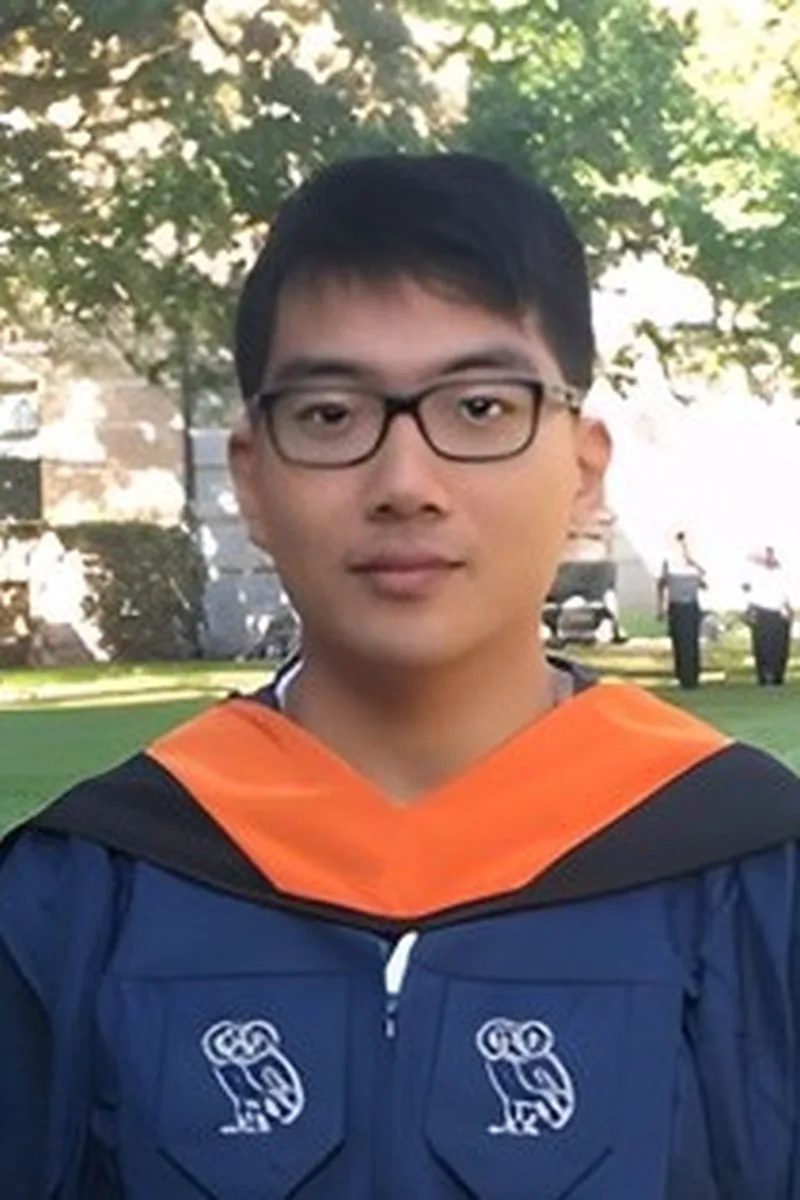
As a native Mandarin speaker, Xihao teaches the language with an intuitive grasp of tonal nuance and character logic that textbooks often flatten. He's particularly effective at explaining the structural differences between Mandarin and English — from measure words to sentence-final particles — in ways that make the grammar feel systematic rather than random.
Learning Mandarin from a linguist is a different experience than learning it from someone who simply speaks it. Wei's research in language acquisition means she understands exactly why tonal distinctions trip up English speakers, how to build character recognition systematically, and when to push conversational fluency versus grammatical accuracy. Her 5.0 rating speaks to how well that approach works.
Ocean speaks Mandarin Chinese and brings the same structured, analytical approach from a Georgia Tech math degree to language learning — breaking down tonal distinctions, character stroke order, and sentence patterns into repeatable systems. Whether a student is tackling pinyin basics or working through HSK-level reading passages, that methodical mindset makes complex grammar and vocabulary far more approachable.
Growing up speaking Mandarin at home gives Caleb an intuitive grasp of tonal distinctions, measure words, and sentence structures that textbooks often explain poorly. He teaches character recognition and writing alongside conversational fluency, so students build literacy and speaking ability in parallel. Whether someone is tackling their first semester or refining intermediate grammar like 把-constructions and complement phrases, Caleb adjusts the pace accordingly.
Tackling Mandarin means mastering tones, radicals, and measure words all at once, and June breaks each of these down systematically rather than expecting students to absorb them through repetition alone. Her engineering mindset at Brown carries over: she treats character memorization as a pattern-recognition problem, grouping radicals and phonetic components so new vocabulary builds on what students already know.
Having taught at a Mandarin school, Nova approaches Chinese instruction with an ear for the tonal precision and character stroke order that textbooks often gloss over. She's particularly effective at bridging the gap between conversational ability and written literacy — teaching students to read and write characters while reinforcing proper pronunciation. Her 5.0 rating speaks to how well that balance works.
Learning Mandarin means juggling tones, character recognition, and a grammar system that works nothing like English — and Patricia tackles all three without overwhelming students. She sequences lessons so that new vocabulary and sentence patterns build on what a student already knows, making the jump from pinyin to characters feel manageable. Her experience teaching beginners through more advanced learners means she can calibrate to whatever stage a student is in.
Brittaney teaches Mandarin Chinese across four proficiency levels, from character recognition and tonal pronunciation basics through more advanced reading and composition. She connects language learning to cultural context, which makes vocabulary and grammar patterns stick instead of feeling like rote memorization. Her 5.0 rating speaks to how well that approach works for students at every stage.
Yan is a Chinese language tutor who brings both native fluency and formal teaching training to Mandarin instruction. She tackles tones, character writing, and conversational patterns by designing custom materials that match each student's level — whether they're learning pinyin basics or preparing for more advanced reading and composition. Her four years of classroom teaching in Boston sharpened her ability to explain tricky grammar structures in ways that actually stick.
Annie teaches Mandarin with attention to the details that trip up English speakers most — tonal pronunciation, measure words, and the logic behind character radicals. Whether a student is working through basic sentence patterns or tackling more complex grammar like 把 constructions, she breaks down the structure so it makes sense rather than just requiring rote repetition.
Learning Mandarin means training your ear for four tones, memorizing character stroke order, and internalizing grammar patterns that have no English equivalent. Tracy grew up speaking Mandarin natively and teaches everything from pinyin fundamentals for beginners to reading comprehension and essay composition for advanced learners.
Learning Mandarin means juggling tones, character recognition, and a grammar structure that looks nothing like English — all at once. Andrew has studied Mandarin through multiple levels and tackles each of these layers separately before combining them, so students build real reading and speaking ability instead of just memorizing phrases.
Learning Mandarin means training your ear for tonal distinctions and building comfort with a writing system that has no alphabet. Yuyi is a native speaker who also understands English-language learning patterns deeply, so she can pinpoint exactly where pronunciation, character recognition, or sentence structure is breaking down for each student.
As a native speaker of both Mandarin and Cantonese, KC understands the tonal system and character logic from the inside — she doesn't just teach pinyin drills but explains why tone pairs shift in conversation and how radicals reveal a character's meaning. Her genuine love of Chinese culture and language means lessons often connect vocabulary to real cultural context, from idioms rooted in classical literature to modern slang. She calls Chinese her favorite subject to teach, and her 4.9 student rating backs that up.
Mandarin's tonal system and character-based writing can feel overwhelming without a structured plan of attack. Zora applies the same analytical problem-solving she uses in her Stanford engineering program to break down radicals, stroke order, and pinyin pronunciation into repeatable, logical steps that build real reading and speaking ability.
Cindy is a heritage Mandarin speaker who also passed the SAT Subject Test in Chinese with Listening, giving her both native fluency and an understanding of how the language looks from a learner's perspective. She tackles everything from tone drilling and character stroke order to reading comprehension of longer passages, adjusting her approach based on whether a student is building from scratch or refining existing skills.
Testimonials
Because the right Mandarin Chinese tutor makes all the difference.
Average Session Rating – Based on 3.4M Learner Ratings
Nearby Mandarin Chinese Tutors
Other Atlanta Tutors
Related Languages Tutors in Atlanta
Frequently Asked Questions
Fluency depends on your starting level and study intensity, but the U.S. Foreign Service Institute estimates approximately 2,200 hours of study to reach professional proficiency in Mandarin. With consistent personalized tutoring—typically 1-2 sessions per week combined with independent practice—many students progress from beginner to conversational level within 12-18 months. The key is regular exposure to all four skills: speaking, listening, reading, and writing.
In a typical Atlanta classroom with a 12.7:1 student-teacher ratio, individual speaking time is limited. Personalized tutoring gives you dedicated conversation practice every session, allowing tutors to correct pronunciation, model natural speech patterns, and adjust difficulty in real-time. This focused speaking practice is essential for developing confidence and authentic communication skills that classroom instruction alone can't provide.
Mandarin's four tones are challenging because they don't exist in English, but consistent feedback from an expert tutor makes a huge difference. Tutors can model correct pronunciation, listen carefully to your attempts, and provide specific guidance on pitch patterns. Regular practice with immediate correction—combined with listening exercises and shadowing native speakers—helps train your ear and mouth to produce tones accurately over time.
Many students find character learning overwhelming, but breaking it into manageable chunks with strategic repetition works well. Tutors can teach you radicals (character components) and stroke order patterns that make learning more logical, then use spaced repetition to reinforce retention. Personalized instruction lets you focus on characters relevant to your goals—whether that's conversational fluency, HSK exam prep, or academic Chinese—rather than memorizing randomly.
The most effective approach combines both. Understanding basic grammar structures (like subject-verb-object word order and measure words) gives you a framework, but Mandarin is ultimately learned through exposure to natural patterns and usage. Tutors balance explicit grammar instruction with conversational practice, so you internalize how native speakers actually communicate rather than just memorizing rules.
Passive vocabulary lists fade quickly—active usage is what sticks. Tutors help you learn new words in context through conversation, reading passages, and real-world scenarios relevant to your interests. Combining multiple exposures (hearing, speaking, reading, writing) with spaced repetition over weeks and months builds durable vocabulary that you can actually use, rather than memorize and forget.
Language and culture are inseparable, especially with Mandarin. Expert tutors weave cultural insights into lessons—explaining why certain phrases matter, how politeness levels work, and the thinking behind idioms and expressions. This cultural foundation helps you communicate authentically and understand not just what to say, but why and when to say it.
Varsity Tutors connects you with expert Mandarin tutors based on your proficiency level, goals, and schedule. Whether you're preparing for the HSK exam, improving conversational skills, or learning for academic purposes, tutors are matched to your specific needs. Your first session is a chance to discuss your objectives and ensure the teaching style is a good fit before committing to ongoing lessons.
Let’s find your perfect tutor
Answer a few quick questions. We’ll recommend the right plan and match you with a top 5% tutor.