Award-Winning German Tutors
serving Syracuse, NY
German
Tutors in Syracuse
Private 1-on-1 tutoring, weekly live classes for academic support, test prep & enrichment, practice tests and diagnostics, and more to elevate grades and test scores.
Based on 3.4M Learner Ratings
UniversitiesSchools & Universities
DeliveredHours Delivered
ProficiencyGrowth in Proficiency
Who needs tutoring?
No obligation. Takes ~1 minute.
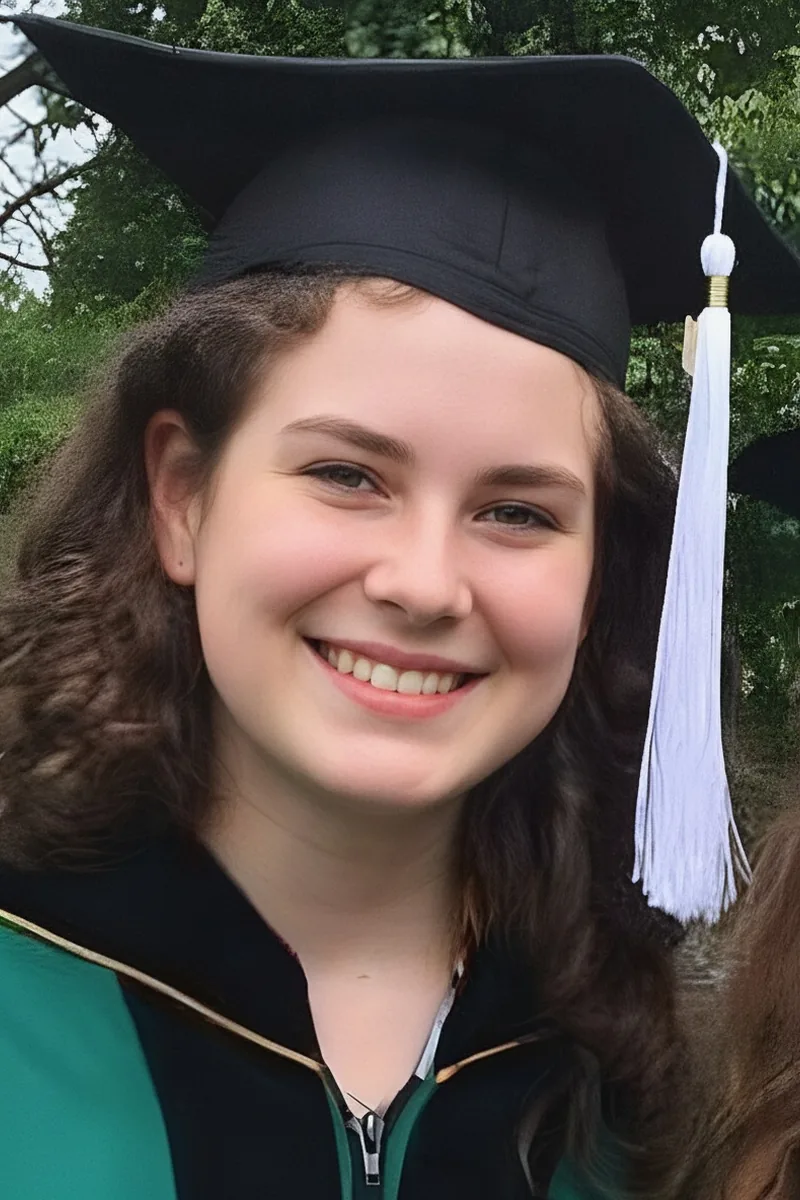
Lisa has studied German through an advanced level, covering everything from case declensions and subordinate clause word order to reading authentic texts. She approaches grammar as a logical system rather than a set of rules to memorize, which makes tricky concepts like dative prepositions and adjective endings feel more predictable. Her 5.0 rating speaks to how well that approach lands.
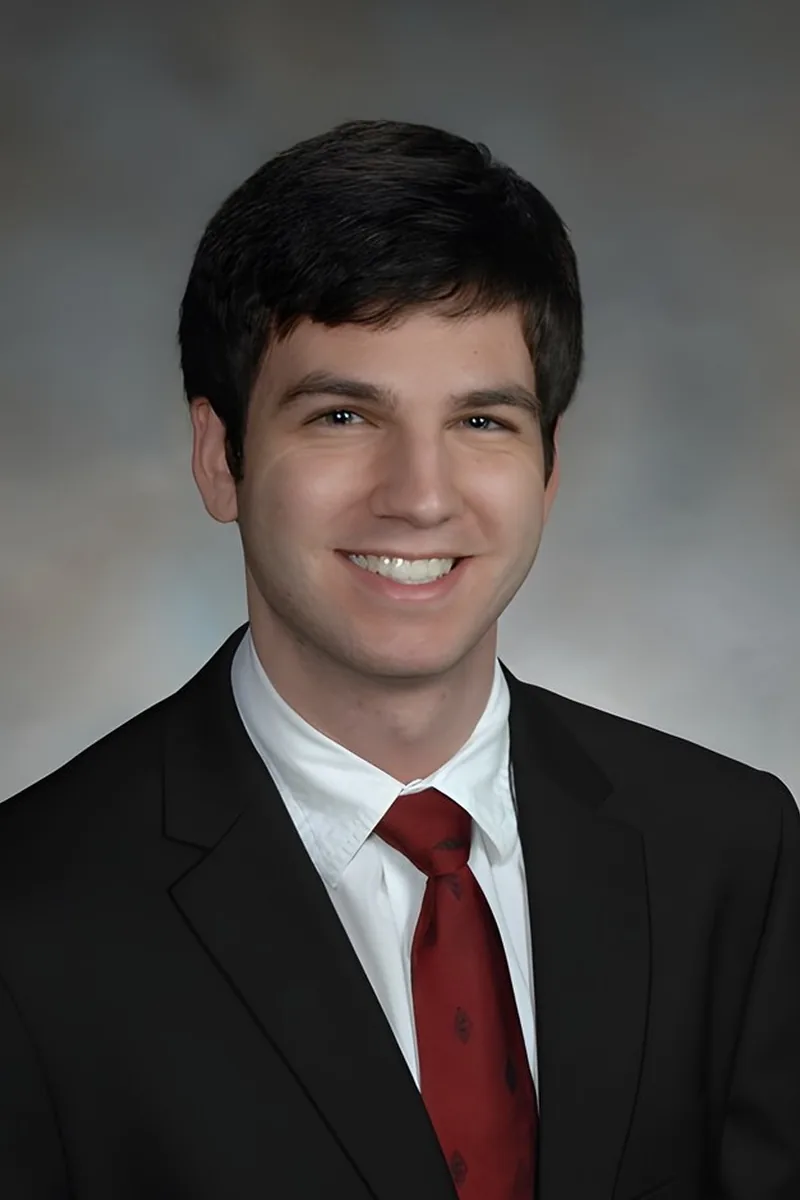
Learning German grammar — cases, verb conjugation, word order — rewards the same kind of systematic pattern recognition that Eric uses in his science background. He tackles tricky concepts like accusative vs. dative case by connecting rules to practical usage, so the logic behind the language starts to feel intuitive rather than arbitrary.
Willow didn't just study German in a classroom — she earned departmental honors in German Studies at UCLA and spent time at Humboldt Universität Berlin immersed in the language. She tackles grammar concepts like case endings, subordinate clause word order, and verb conjugation patterns by connecting them to how native speakers actually think about sentence structure. That academic depth paired with real immersion experience makes a difference for students at any level.
Learning German means wrestling with case endings, separable verbs, and a sentence structure that puts the verb in places English speakers don't expect. Dan teaches German at multiple levels and brings a literary scholar's sensitivity to how the language actually works — not just memorizing der/die/das tables, but understanding the patterns behind them. He's rated 5.0 and is comfortable with everything from basic conversation to reading German-language texts.
Morgan speaks three languages — Russian, Spanish, and German — which means she's internalized the process of learning a new grammar system from scratch more than once. That multilingual perspective is especially useful for German, where she can draw parallels between Russian's case system and German's four cases to make declensions feel less arbitrary. Rated 4.7 by students.
German's case system, separable prefixes, and word order rules intimidate a lot of learners, but Jamie tackles them through immersion in compelling, context-rich material rather than isolated grammar exercises. Students pick up Akkusativ and Dativ distinctions by hearing and reading them repeatedly in stories and cultural content that actually holds their attention. The result is German that sticks because it was acquired, not just memorized.
I am most passionate about helping people learn history, social sciences, and mathematics. I also assist with standardized test prep, primarily with the Reading and Writing sections of the exams. In my spare time, I enjoy photography, hiking and other outdoor activities, and reading about philosophy, evolutionary biology, and human history.
Three levels of German instruction give Ben a clear picture of where students stumble — whether it's navigating noun cases, mastering separable verbs, or building confidence with spoken conversation. He approaches German grammar as a logical system with predictable patterns, which makes concepts like dative prepositions and adjective endings feel less arbitrary and more manageable.
A Master's degree in Germanic Languages from Columbia, combined with years living and teaching in Austria, means Jacquelyn doesn't just know textbook German — she knows how dative prepositions sound in a Salzburg café and why Konjunktiv II matters in real conversation. She scored highly enough on the SAT Subject Test in German with Listening to tutor it, and she tackles everything from case endings to advanced reading comprehension.
Being fluent in German and studying it through the lens of computational linguistics gives Justin an unusual ability to explain the language's trickiest features — case endings, separable verbs, subordinate clause word order — as logical systems rather than arbitrary rules. He walks students through German sentence structure the way a programmer would debug code: piece by piece, until the pattern is clear.
Philipp grew up in Germany and spoke the language natively before moving to the U.S. at age eleven, so his grasp of German grammar — case systems, verb placement, gendered articles — comes from lived fluency rather than textbook study. He covers everything from beginner declension tables to advanced reading comprehension, adjusting to whatever level a student needs.
German's case system, separable prefixes, and sentence-final verb placement can feel like a puzzle with no picture on the box. Ethan studied linguistics and has taught German from beginner through advanced levels, so he can explain *why* the dative case exists and how word order rules actually follow predictable patterns. That structural understanding turns grammar from rote memorization into something that makes intuitive sense.
Learning German means wrestling with case endings, separable verbs, and word order rules that feel completely alien to English speakers. Corinna teaches German from beginner through advanced levels and approaches grammar as a logical system to decode rather than a set of rules to memorize. Her experience as a classroom teacher in NYC means she's skilled at adjusting explanations on the fly when something isn't landing.
Studying dramatic writing at NYU means Jamie spends every day crafting dialogue, building voice, and thinking about how people actually speak — skills that translate directly into learning a living language like German. Covering German 1 through AP German Language and Culture, Jamie uses that playwright's ear to teach conversational rhythm, natural phrasing, and the sentence structures that make spoken German sound fluent rather than textbook-stiff.
Timothy's German proficiency goes beyond classroom study — he's taken the CLEP German exam and engages with the language across academic and cultural contexts. He tackles tricky areas like case declensions, separable verbs, and subordinate clause word order with the same systematic precision he brings to his physics coursework.
Joseph studied German across multiple levels and brings a linguist's perspective to the language — his NYU degree in Language & Mind means he understands how German grammar actually works structurally, from case systems to word order rules, not just as a set of tables to memorize. He connects each grammatical concept to the underlying logic so that accusative versus dative, for instance, starts to feel intuitive rather than arbitrary.
I am a recent graduate of Brown University. I received my Bachelor of the Arts with honors in Literary Arts. As an undergraduate, I tutored foreign graduate students in order to improve their English and bolster their familiarity with American culture and history. I also served as a teaching assistant and worked one-on-one with elementary school students at Camp Invention, a summer camp providing instruction in math and science. In my experience, the greatest strides for teaching a struggling student are made when the process of learning occurs as a product of conversation rather than rigid instruction and rote memorization. Though I tutor across a variety of subjects my passions are English, Literature, and History. Education, I believe, is a process of empowerment and helping students reach their potential through an engaged and productive pedagogy is something I highly value. In my spare time I enjoy reading, writing, traveling, playing soccer, and learning new languages.
Learning German means wrestling with case endings, separable verbs, and a sentence structure that puts the verb in places English speakers don't expect. Susie has studied German extensively and teaches grammar as a logical system — once students see the patterns behind accusative versus dative, for instance, the rules stop feeling arbitrary. She pairs structural drills with reading and listening practice to build real fluency.
Learning multiple languages — Mandarin, Japanese, French, and German — gave Jacob firsthand insight into what makes German grammar click for English speakers and where the friction points are. He tackles case endings, word order, and verb conjugation by drawing comparisons across languages, which makes abstract rules more concrete. Students consistently rate him 5.0.
German's case system and verb placement rules trip up most English speakers, but they follow a logic that becomes intuitive once someone lays it out clearly. Ardis teaches all levels of German — from navigating der/die/das and accusative vs. dative cases to constructing complex subordinate clauses — building grammatical understanding that holds up in both writing and conversation.
Evan studied German formally as part of his undergraduate degree, which means he knows the grammar inside out — case endings, separable verbs, subordinate clause word order, all of it. He connects each rule to how German actually sounds and reads in real texts, so students internalize patterns instead of just memorizing tables.
Learning German means wrestling with case endings, separable verbs, and word order rules that feel completely alien to English speakers. Colin breaks these grammar patterns into logical systems, connecting each rule to how German actually sounds and reads in practice so the structure clicks instead of feeling arbitrary.
German isn't Lesleigh's core subject, but her graduate training in classical and modern languages gives her a strong grasp of how Germanic grammar systems work — case endings, word order, and verb placement that trip up English speakers. She approaches German the way she approaches Latin: by teaching students to recognize structural patterns rather than memorize phrase lists.
Carolyn's academic training in theology and religious studies required extensive work with German-language primary texts — a tradition where precise reading comprehension and command of complex sentence structures are non-negotiable. She teaches German 1 through German 4, bringing that text-heavy background to bear on vocabulary acquisition and the grammatical logic behind cases and word order.
Ema earned a certificate in German language through UCF, which means she's gone well beyond introductory vocabulary into grammar-heavy territory — cases, verb conjugation patterns, and sentence structure that trips up English speakers. She approaches German systematically, connecting grammatical rules to patterns students can actually internalize rather than just memorize for a quiz.
Between German 1 and German 2, Rachel covers everything from noun genders and case endings to more complex structures like subordinate clauses and the Konjunktiv. She teaches grammar as a system with internal logic rather than a pile of exceptions to memorize, which makes each new rule easier to absorb. Her relaxed approach takes the intimidation out of a language that looks harder on paper than it actually is.
German's case system and word-order rules intimidate a lot of learners, but Elise approaches them as a linguist — explaining the underlying logic of accusative versus dative, or why the verb jumps to the end in subordinate clauses. Her coursework through German 4 means she can take students from basic declensions all the way through complex literary and academic texts.
A year living in Germany gave Richard the kind of fluency that textbooks can't replicate — intuitions about word order, case endings, and the subtle differences between written and spoken registers. He teaches German grammar systematically while weaving in the cultural context that makes vocabulary and idioms easier to internalize.
Jonas teaches German with attention to the structural logic of the language — case endings, verb placement, and the way compound words build meaning from smaller parts. His background in Classical Greek means he's comfortable explaining grammatical concepts like dative versus accusative in terms that actually clarify rather than confuse. Students working through noun declensions or separable-prefix verbs get explanations rooted in how the language thinks, not just how to memorize tables.
Testimonials
Because the right German tutor makes all the difference.
Average Session Rating – Based on 3.4M Learner Ratings
Other Syracuse Tutors
Related Languages Tutors in Syracuse
Frequently Asked Questions
Varsity Tutors matches Syracuse students with expert German tutors for 1-on-1 instruction. We pair each student with a tutor based on their specific needs, learning style, and goals.
Whether you need homework help, exam prep, or want to get ahead, our German tutors are ready to help.
Common challenges include gaps from earlier material, difficulty with specific concepts, and trouble applying learning to new problems. These issues can snowball quickly in German.
A tutor identifies where you're stuck, fills in gaps, and provides targeted practice. The 1-on-1 format means you get help exactly where you need it.
Tutors work with your student's actual coursework—homework assignments, class notes, and upcoming tests. This keeps tutoring directly relevant to what's happening in the classroom.
When you share information about your student's school and curriculum, we can match you with a tutor who has relevant experience.
All tutors complete background checks, credential verification, and teaching evaluation. Many of our German tutors hold advanced degrees or have years of teaching experience.
You can review tutor profiles to find someone with the right background for your student's level and needs.
Many students see improved grades within a few weeks, along with better understanding of German concepts and more confidence tackling challenging material.
Tutors track progress and adjust their approach to ensure continued improvement.
Most students benefit from 1-2 sessions per week. More frequent sessions help if your student is significantly behind or has an important exam coming up.
Your tutor can recommend a schedule based on your student's specific situation and goals.
Tutoring is purchased in packages of hours, with rates varying by tutor experience. Varsity Tutors offers several options to fit different budgets and needs.
You can discuss pricing during your consultation to find what works best.
Your tutor will assess where your student is, discuss goals, and start working on priority areas. Most students bring current homework or upcoming test material to focus on.
By the end, you'll have a clear sense of how the tutor can help and a plan for moving forward.
Let’s find your perfect tutor
Answer a few quick questions. We’ll recommend the right plan and match you with a top 5% tutor.