Award-Winning German Tutors
serving Albany, NY
German
Tutors in Albany
Private 1-on-1 tutoring, weekly live classes for academic support, test prep & enrichment, practice tests and diagnostics, and more to elevate grades and test scores.
Based on 3.4M Learner Ratings
UniversitiesSchools & Universities
DeliveredHours Delivered
ProficiencyGrowth in Proficiency
Who needs tutoring?
No obligation. Takes ~1 minute.
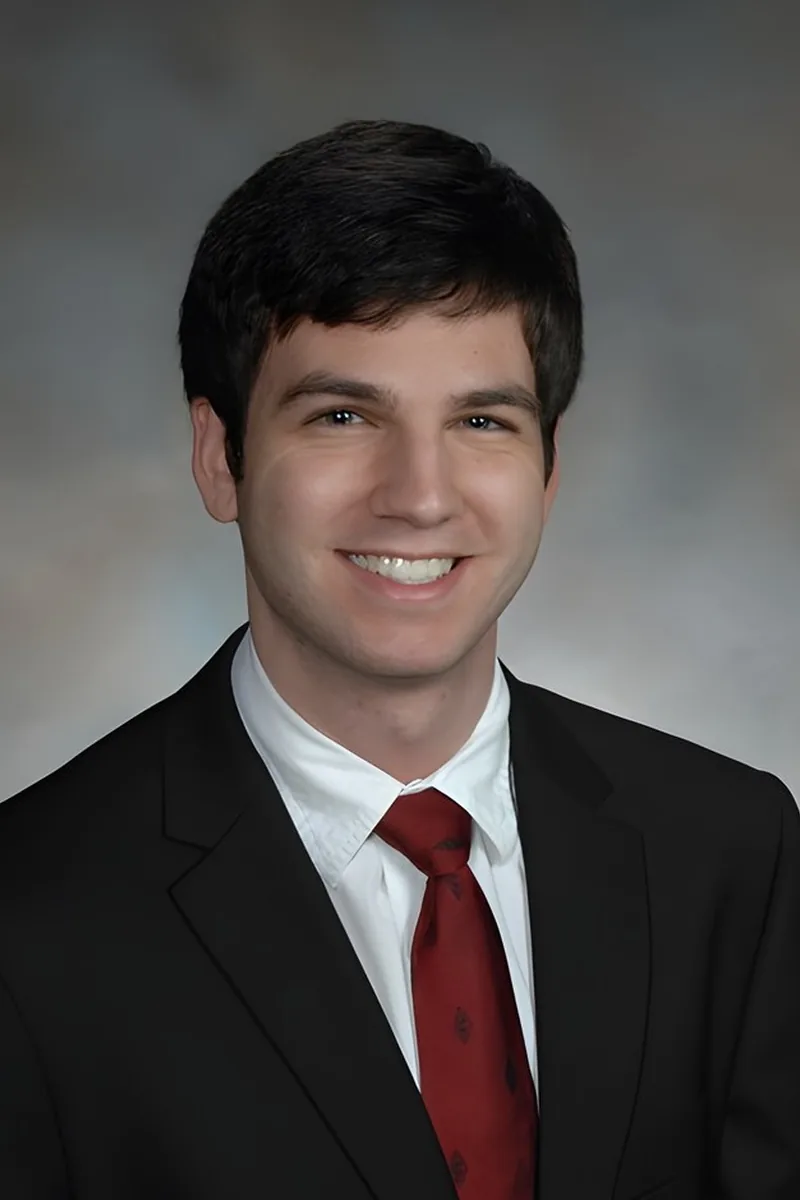
Learning German grammar — cases, verb conjugation, word order — rewards the same kind of systematic pattern recognition that Eric uses in his science background. He tackles tricky concepts like accusative vs. dative case by connecting rules to practical usage, so the logic behind the language starts to feel intuitive rather than arbitrary.
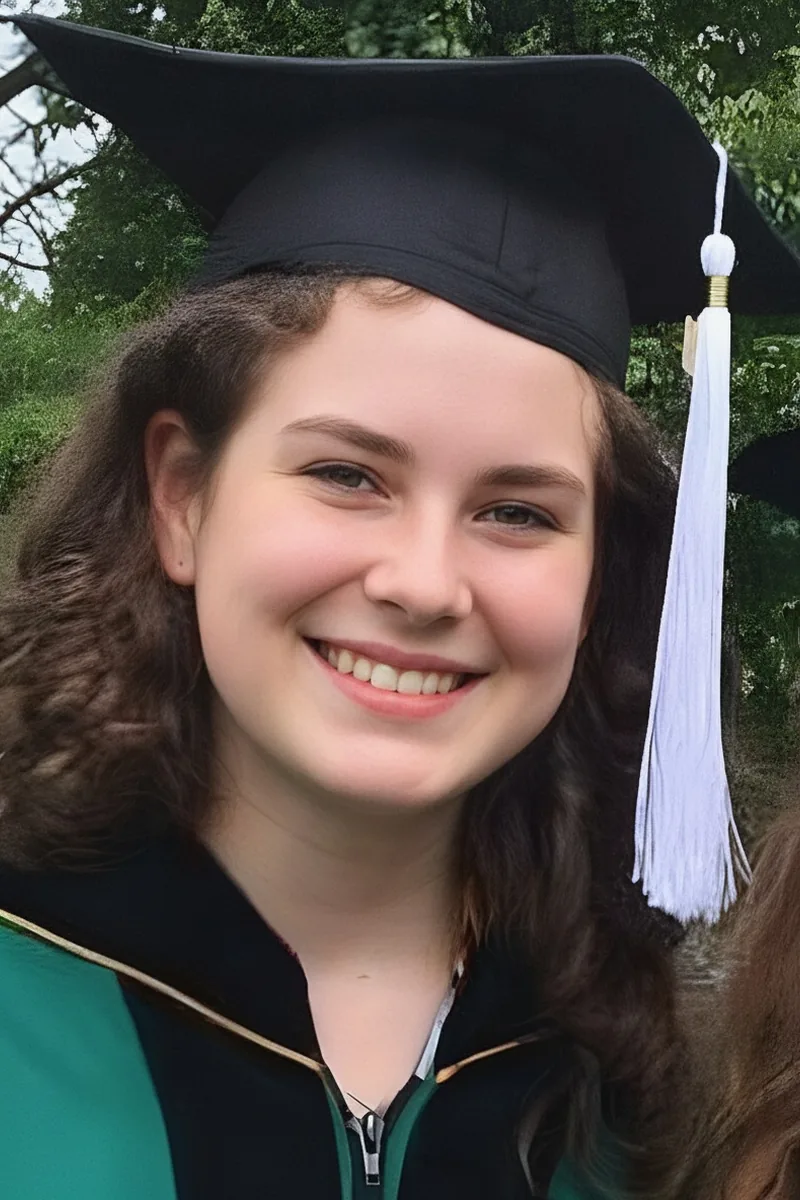
Lisa has studied German through an advanced level, covering everything from case declensions and subordinate clause word order to reading authentic texts. She approaches grammar as a logical system rather than a set of rules to memorize, which makes tricky concepts like dative prepositions and adjective endings feel more predictable. Her 5.0 rating speaks to how well that approach lands.
Willow didn't just study German in a classroom — she earned departmental honors in German Studies at UCLA and spent time at Humboldt Universität Berlin immersed in the language. She tackles grammar concepts like case endings, subordinate clause word order, and verb conjugation patterns by connecting them to how native speakers actually think about sentence structure. That academic depth paired with real immersion experience makes a difference for students at any level.
Learning German means wrestling with case endings, separable verbs, and a sentence structure that puts the verb in places English speakers don't expect. Dan teaches German at multiple levels and brings a literary scholar's sensitivity to how the language actually works — not just memorizing der/die/das tables, but understanding the patterns behind them. He's rated 5.0 and is comfortable with everything from basic conversation to reading German-language texts.
Morgan speaks three languages — Russian, Spanish, and German — which means she's internalized the process of learning a new grammar system from scratch more than once. That multilingual perspective is especially useful for German, where she can draw parallels between Russian's case system and German's four cases to make declensions feel less arbitrary. Rated 4.7 by students.
German's case system, separable prefixes, and word order rules intimidate a lot of learners, but Jamie tackles them through immersion in compelling, context-rich material rather than isolated grammar exercises. Students pick up Akkusativ and Dativ distinctions by hearing and reading them repeatedly in stories and cultural content that actually holds their attention. The result is German that sticks because it was acquired, not just memorized.
I am most passionate about helping people learn history, social sciences, and mathematics. I also assist with standardized test prep, primarily with the Reading and Writing sections of the exams. In my spare time, I enjoy photography, hiking and other outdoor activities, and reading about philosophy, evolutionary biology, and human history.
A Master's degree in Germanic Languages from Columbia, combined with years living and teaching in Austria, means Jacquelyn doesn't just know textbook German — she knows how dative prepositions sound in a Salzburg café and why Konjunktiv II matters in real conversation. She scored highly enough on the SAT Subject Test in German with Listening to tutor it, and she tackles everything from case endings to advanced reading comprehension.
Three levels of German instruction give Ben a clear picture of where students stumble — whether it's navigating noun cases, mastering separable verbs, or building confidence with spoken conversation. He approaches German grammar as a logical system with predictable patterns, which makes concepts like dative prepositions and adjective endings feel less arbitrary and more manageable.
Being fluent in German and studying it through the lens of computational linguistics gives Justin an unusual ability to explain the language's trickiest features — case endings, separable verbs, subordinate clause word order — as logical systems rather than arbitrary rules. He walks students through German sentence structure the way a programmer would debug code: piece by piece, until the pattern is clear.
Philipp grew up in Germany and spoke the language natively before moving to the U.S. at age eleven, so his grasp of German grammar — case systems, verb placement, gendered articles — comes from lived fluency rather than textbook study. He covers everything from beginner declension tables to advanced reading comprehension, adjusting to whatever level a student needs.
German's case system, separable prefixes, and sentence-final verb placement can feel like a puzzle with no picture on the box. Ethan studied linguistics and has taught German from beginner through advanced levels, so he can explain *why* the dative case exists and how word order rules actually follow predictable patterns. That structural understanding turns grammar from rote memorization into something that makes intuitive sense.
Learning German means wrestling with case endings, separable verbs, and word order rules that feel completely alien to English speakers. Corinna teaches German from beginner through advanced levels and approaches grammar as a logical system to decode rather than a set of rules to memorize. Her experience as a classroom teacher in NYC means she's skilled at adjusting explanations on the fly when something isn't landing.
Studying dramatic writing at NYU means Jamie spends every day crafting dialogue, building voice, and thinking about how people actually speak — skills that translate directly into learning a living language like German. Covering German 1 through AP German Language and Culture, Jamie uses that playwright's ear to teach conversational rhythm, natural phrasing, and the sentence structures that make spoken German sound fluent rather than textbook-stiff.
Timothy's German proficiency goes beyond classroom study — he's taken the CLEP German exam and engages with the language across academic and cultural contexts. He tackles tricky areas like case declensions, separable verbs, and subordinate clause word order with the same systematic precision he brings to his physics coursework.
Joseph studied German across multiple levels and brings a linguist's perspective to the language — his NYU degree in Language & Mind means he understands how German grammar actually works structurally, from case systems to word order rules, not just as a set of tables to memorize. He connects each grammatical concept to the underlying logic so that accusative versus dative, for instance, starts to feel intuitive rather than arbitrary.
I am a recent graduate of Brown University. I received my Bachelor of the Arts with honors in Literary Arts. As an undergraduate, I tutored foreign graduate students in order to improve their English and bolster their familiarity with American culture and history. I also served as a teaching assistant and worked one-on-one with elementary school students at Camp Invention, a summer camp providing instruction in math and science. In my experience, the greatest strides for teaching a struggling student are made when the process of learning occurs as a product of conversation rather than rigid instruction and rote memorization. Though I tutor across a variety of subjects my passions are English, Literature, and History. Education, I believe, is a process of empowerment and helping students reach their potential through an engaged and productive pedagogy is something I highly value. In my spare time I enjoy reading, writing, traveling, playing soccer, and learning new languages.
German's case system and word-order rules intimidate a lot of learners, but Elise approaches them as a linguist — explaining the underlying logic of accusative versus dative, or why the verb jumps to the end in subordinate clauses. Her coursework through German 4 means she can take students from basic declensions all the way through complex literary and academic texts.
Cornelia teaches German across all four levels, from nominative case basics to navigating subordinate clauses and the subjunctive mood. She integrates games, images, and cultural context into grammar-heavy lessons — an approach that keeps vocabulary and case endings from feeling like pure memorization. Her 5.0 rating speaks to how well that method lands with students.
Six months of full-immersion study in Berlin gave Daniel a feel for German that textbooks alone can't replicate — the way case endings sound natural in conversation, or how separable verbs behave in real speech versus grammar drills. He earned his B.A. in German from Duke with a focus that included twentieth-century German history and politics, which means his lessons often connect language to the culture that shapes it.
A pre-med student at UNC with minors in chemistry and biology, Dimitry also carries German through the advanced level — an uncommon combination that means he's used to toggling between technical and linguistic precision. He approaches German grammar with the same diagnostic thinking he brings to the sciences, making case systems and verb conjugation feel less like arbitrary rules and more like solvable puzzles. Rated 4.9 by students.
Earning a PhD in German at Harvard means Zachary has spent years reading, writing, and thinking in the language — from Kant's dense philosophical prose to contemporary academic discourse. He teaches grammar not as a set of rules to memorize but as a system with its own internal logic, making case endings and word order click for students at every level. Whether the goal is passing a college course or reading Goethe in the original, he knows how to get there.
Kelsey has studied German through advanced levels, tackling complex grammar structures like subjunctive mood, relative clauses, and case-driven syntax. She breaks down tricky concepts like dative prepositions and adjective endings by connecting them to patterns rather than rote memorization tables, making the logic of German grammar feel less arbitrary.
German's case system and word-order rules can overwhelm students who try to absorb them all at once. Elizabeth breaks the four cases down methodically — nominative, accusative, dative, genitive — linking each to specific prepositions and verb patterns so students build reliable instincts rather than guessing at endings.
Joshua teaches German across three levels, with particular attention to case systems and verb conjugation patterns that trip up English speakers. His approach connects grammar rules to the underlying logic of the language, drawing on the same analytical rigor he developed studying philosophy.
Learning multiple languages — Mandarin, Japanese, French, and German — gave Jacob firsthand insight into what makes German grammar click for English speakers and where the friction points are. He tackles case endings, word order, and verb conjugation by drawing comparisons across languages, which makes abstract rules more concrete. Students consistently rate him 5.0.
German isn't Lesleigh's core subject, but her graduate training in classical and modern languages gives her a strong grasp of how Germanic grammar systems work — case endings, word order, and verb placement that trip up English speakers. She approaches German the way she approaches Latin: by teaching students to recognize structural patterns rather than memorize phrase lists.
As a native German speaker from Austria, Silvia teaches the language the way it's actually spoken — with attention to cases, gendered articles, and verb placement that trips up English speakers most. She tutored her own son in German for four years to maintain his fluency, so she understands exactly where American students stumble with dative versus accusative or separable prefix verbs. Her 5.0 rating speaks to how naturally she makes those tricky grammar patterns stick.
Nicholas's primary expertise is in mathematics and statistics, not German — but he's conversational in the language and brings the same structured, analytical thinking that defines his math tutoring to learning grammar rules and vocabulary. For students who respond better to logical pattern-based explanations of things like case endings and verb placement, his approach can be a surprisingly good fit.
Testimonials
Because the right German tutor makes all the difference.
Average Session Rating – Based on 3.4M Learner Ratings
Other Albany Tutors
Related Languages Tutors in Albany
Frequently Asked Questions
Classroom instruction in Albany's schools often focuses on reading and writing, leaving limited time for meaningful conversation practice. Personalized 1-on-1 German tutoring provides dedicated speaking time where you can practice pronunciation, build confidence, and receive immediate feedback on your accent and fluency. This direct interaction helps you develop natural conversational ability that's difficult to achieve in a group setting.
German verbs change based on person, tense, and mood, making conjugation one of the most difficult aspects of the language for English speakers. A tutor can break down conjugation patterns systematically, show you the logic behind irregular verbs, and give you targeted practice until these patterns become automatic. Personalized instruction helps you move from memorizing rules to using them naturally in conversation.
Research on learning shows that spaced repetition and using words in context are far more effective than cramming. Expert tutors use strategies like contextual practice, conversation-based vocabulary building, and strategic review to help words stick. Rather than isolated lists, you'll encounter vocabulary through real dialogues and scenarios, making retention stronger and recall faster.
Yes. While true immersion requires time in a German-speaking country, personalized tutoring can create an immersion-adjacent experience by conducting portions of lessons in German, incorporating cultural materials, and simulating real-world scenarios. This approach helps you think in German rather than translating, and exposes you to authentic language use that goes beyond textbook examples.
Tutors working with students for students in Albany are familiar with the German programs taught across the city's 13 school districts and can align their instruction with your specific course or proficiency level. Whether you're in a high school German I class or preparing for AP German, personalized tutoring complements your classroom work and addresses gaps in understanding before they accumulate.
German grammar structures like case systems and word order differ significantly from English, making reading comprehension and writing accuracy challenging. Tutors break down these structures, help you understand how to construct grammatically correct sentences, and provide guided practice with real German texts. Over time, you'll develop the ability to read authentic materials and express complex ideas in writing.
Your first session focuses on assessment and goal-setting. A tutor will evaluate your current level across all four skills—reading, writing, speaking, and listening—identify your strongest areas and challenges, and learn what you want to achieve. This foundation allows the tutor to create a personalized learning plan tailored to your needs, whether you're aiming for better grades, AP exam success, or conversational fluency.
Language and culture are inseparable. Understanding German customs, media, history, and social norms helps you use language appropriately and appreciate nuance that textbooks often miss. Tutors can incorporate cultural materials—films, news articles, literature, and current events—into lessons, making German feel like a living language rather than a set of abstract rules.
Let’s find your perfect tutor
Answer a few quick questions. We’ll recommend the right plan and match you with a top 5% tutor.