Award-Winning German Tutors
serving Buffalo, NY
German
Tutors in Buffalo
Private 1-on-1 tutoring, weekly live classes for academic support, test prep & enrichment, practice tests and diagnostics, and more to elevate grades and test scores.
Based on 3.4M Learner Ratings
UniversitiesSchools & Universities
DeliveredHours Delivered
ProficiencyGrowth in Proficiency
Who needs tutoring?
No obligation. Takes ~1 minute.
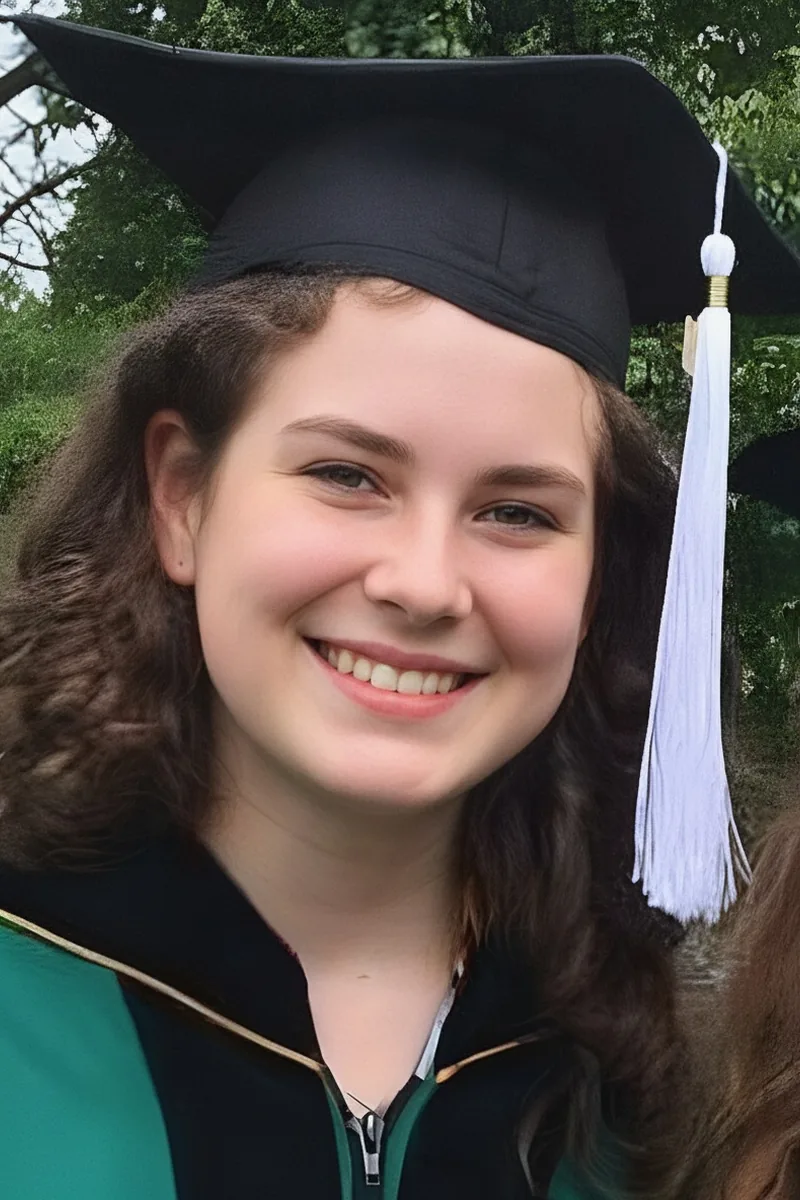
Lisa has studied German through an advanced level, covering everything from case declensions and subordinate clause word order to reading authentic texts. She approaches grammar as a logical system rather than a set of rules to memorize, which makes tricky concepts like dative prepositions and adjective endings feel more predictable. Her 5.0 rating speaks to how well that approach lands.
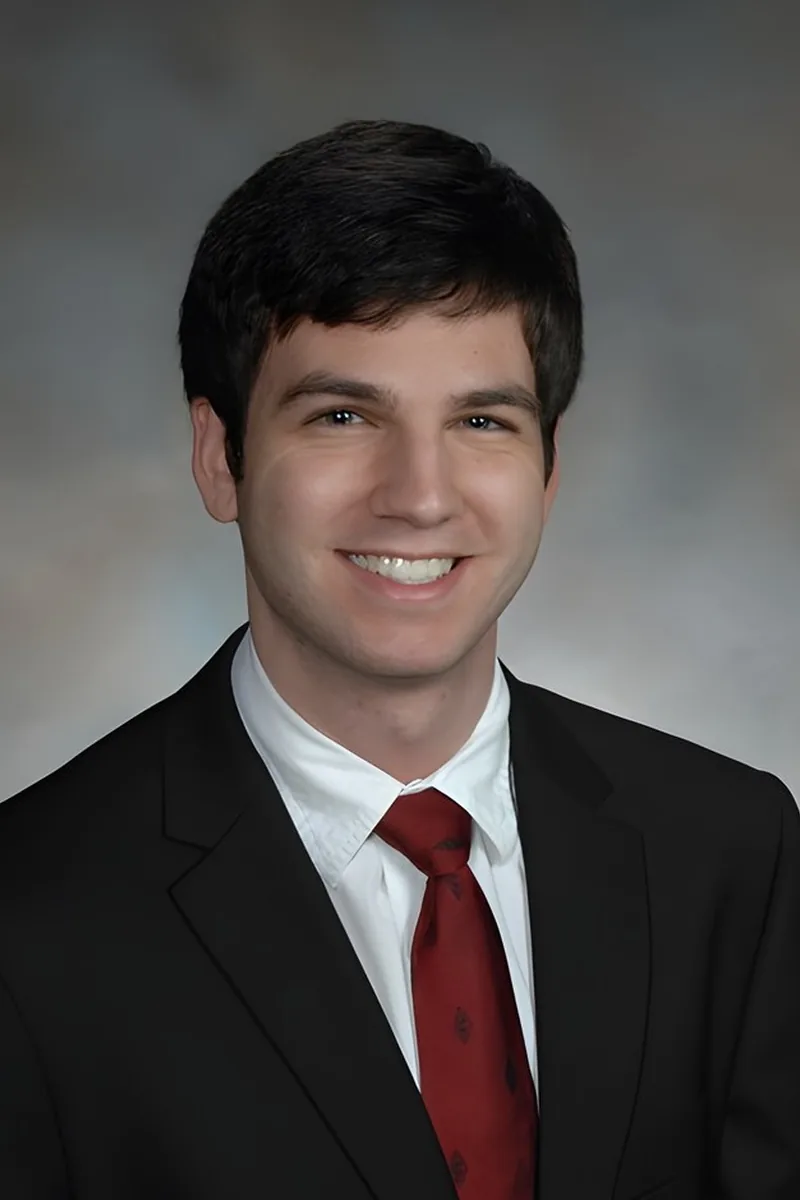
Learning German grammar — cases, verb conjugation, word order — rewards the same kind of systematic pattern recognition that Eric uses in his science background. He tackles tricky concepts like accusative vs. dative case by connecting rules to practical usage, so the logic behind the language starts to feel intuitive rather than arbitrary.
Willow didn't just study German in a classroom — she earned departmental honors in German Studies at UCLA and spent time at Humboldt Universität Berlin immersed in the language. She tackles grammar concepts like case endings, subordinate clause word order, and verb conjugation patterns by connecting them to how native speakers actually think about sentence structure. That academic depth paired with real immersion experience makes a difference for students at any level.
Morgan speaks three languages — Russian, Spanish, and German — which means she's internalized the process of learning a new grammar system from scratch more than once. That multilingual perspective is especially useful for German, where she can draw parallels between Russian's case system and German's four cases to make declensions feel less arbitrary. Rated 4.7 by students.
Learning German means wrestling with case endings, separable verbs, and a sentence structure that puts the verb in places English speakers don't expect. Dan teaches German at multiple levels and brings a literary scholar's sensitivity to how the language actually works — not just memorizing der/die/das tables, but understanding the patterns behind them. He's rated 5.0 and is comfortable with everything from basic conversation to reading German-language texts.
German's case system, separable prefixes, and word order rules intimidate a lot of learners, but Jamie tackles them through immersion in compelling, context-rich material rather than isolated grammar exercises. Students pick up Akkusativ and Dativ distinctions by hearing and reading them repeatedly in stories and cultural content that actually holds their attention. The result is German that sticks because it was acquired, not just memorized.
I am most passionate about helping people learn history, social sciences, and mathematics. I also assist with standardized test prep, primarily with the Reading and Writing sections of the exams. In my spare time, I enjoy photography, hiking and other outdoor activities, and reading about philosophy, evolutionary biology, and human history.
Three levels of German instruction give Ben a clear picture of where students stumble — whether it's navigating noun cases, mastering separable verbs, or building confidence with spoken conversation. He approaches German grammar as a logical system with predictable patterns, which makes concepts like dative prepositions and adjective endings feel less arbitrary and more manageable.
A Master's degree in Germanic Languages from Columbia, combined with years living and teaching in Austria, means Jacquelyn doesn't just know textbook German — she knows how dative prepositions sound in a Salzburg café and why Konjunktiv II matters in real conversation. She scored highly enough on the SAT Subject Test in German with Listening to tutor it, and she tackles everything from case endings to advanced reading comprehension.
Being fluent in German and studying it through the lens of computational linguistics gives Justin an unusual ability to explain the language's trickiest features — case endings, separable verbs, subordinate clause word order — as logical systems rather than arbitrary rules. He walks students through German sentence structure the way a programmer would debug code: piece by piece, until the pattern is clear.
Philipp grew up in Germany and spoke the language natively before moving to the U.S. at age eleven, so his grasp of German grammar — case systems, verb placement, gendered articles — comes from lived fluency rather than textbook study. He covers everything from beginner declension tables to advanced reading comprehension, adjusting to whatever level a student needs.
German's case system, separable prefixes, and sentence-final verb placement can feel like a puzzle with no picture on the box. Ethan studied linguistics and has taught German from beginner through advanced levels, so he can explain *why* the dative case exists and how word order rules actually follow predictable patterns. That structural understanding turns grammar from rote memorization into something that makes intuitive sense.
Learning German means wrestling with case endings, separable verbs, and word order rules that feel completely alien to English speakers. Corinna teaches German from beginner through advanced levels and approaches grammar as a logical system to decode rather than a set of rules to memorize. Her experience as a classroom teacher in NYC means she's skilled at adjusting explanations on the fly when something isn't landing.
Studying dramatic writing at NYU means Jamie spends every day crafting dialogue, building voice, and thinking about how people actually speak — skills that translate directly into learning a living language like German. Covering German 1 through AP German Language and Culture, Jamie uses that playwright's ear to teach conversational rhythm, natural phrasing, and the sentence structures that make spoken German sound fluent rather than textbook-stiff.
Timothy's German proficiency goes beyond classroom study — he's taken the CLEP German exam and engages with the language across academic and cultural contexts. He tackles tricky areas like case declensions, separable verbs, and subordinate clause word order with the same systematic precision he brings to his physics coursework.
Joseph studied German across multiple levels and brings a linguist's perspective to the language — his NYU degree in Language & Mind means he understands how German grammar actually works structurally, from case systems to word order rules, not just as a set of tables to memorize. He connects each grammatical concept to the underlying logic so that accusative versus dative, for instance, starts to feel intuitive rather than arbitrary.
I am a recent graduate of Brown University. I received my Bachelor of the Arts with honors in Literary Arts. As an undergraduate, I tutored foreign graduate students in order to improve their English and bolster their familiarity with American culture and history. I also served as a teaching assistant and worked one-on-one with elementary school students at Camp Invention, a summer camp providing instruction in math and science. In my experience, the greatest strides for teaching a struggling student are made when the process of learning occurs as a product of conversation rather than rigid instruction and rote memorization. Though I tutor across a variety of subjects my passions are English, Literature, and History. Education, I believe, is a process of empowerment and helping students reach their potential through an engaged and productive pedagogy is something I highly value. In my spare time I enjoy reading, writing, traveling, playing soccer, and learning new languages.
Zachary teaches German with a literary sensibility, connecting grammar concepts like case endings and verb placement to how meaning actually shifts in real German sentences. His background in comparative literature means students get exposure to authentic texts early, building vocabulary and syntax together rather than in isolation.
Learning German means wrestling with case endings, separable verbs, and a sentence structure that puts the verb in places English speakers don't expect. Susie has studied German extensively and teaches grammar as a logical system — once students see the patterns behind accusative versus dative, for instance, the rules stop feeling arbitrary. She pairs structural drills with reading and listening practice to build real fluency.
Sabrina minors in German studies at Princeton and has done physics research at a Max Planck Institute in Germany, so her command of the language extends well beyond the classroom. She tackles everything from case endings and verb conjugation patterns to reading comprehension of authentic German texts.
German's case system and verb placement rules trip up nearly every beginner, but they follow a logic that becomes intuitive with the right explanations. Alice teaches German at multiple levels and breaks down concepts like accusative vs. dative usage through pattern recognition rather than rote chart memorization. Her conversational teaching style means grammar drills feel more like a dialogue than a worksheet.
A pre-med student at UNC with minors in chemistry and biology, Dimitry also carries German through the advanced level — an uncommon combination that means he's used to toggling between technical and linguistic precision. He approaches German grammar with the same diagnostic thinking he brings to the sciences, making case systems and verb conjugation feel less like arbitrary rules and more like solvable puzzles. Rated 4.9 by students.
German's case system and verb placement rules trip up most English speakers, but they follow a logic that becomes intuitive once someone lays it out clearly. Ardis teaches all levels of German — from navigating der/die/das and accusative vs. dative cases to constructing complex subordinate clauses — building grammatical understanding that holds up in both writing and conversation.
Cognitive science trains you to think about how people actually learn — how memory encodes new information, why certain practice patterns stick and others don't — and Megan applies that lens directly to picking up German vocabulary and grammar. She's not a German major, but her adaptive, learner-first approach means she tailors drills, mnemonics, and visual aids to how each student's brain best absorbs a new language. Rated 5.0 by students.
Covering German 1 through German 4, Kristina pairs her language study with a Contemporary Studies background that naturally weaves in cultural literacy — giving students context for why Germans say things a certain way, not just how. Her 5.0 rating and pursuit of a Texas teaching certification in German signal someone who takes the language seriously enough to build a career around it.
Four levels of German means William has moved well past conjugation tables into complex grammar — subordinate clauses, subjunctive mood, case system nuances that trip up even advanced students. As a linguistics major at Yale, he can explain the structural logic behind German syntax in a way that makes rules feel less arbitrary. He's rated 5.0 by students.
Jay minored in German at Penn State and has studied the language across all four levels, from foundational grammar and case systems to advanced literary and academic texts. He breaks down tricky concepts like adjective endings, subordinate clause word order, and the subjunctive mood in ways that make German's structural logic click rather than feel like arbitrary rules.
Fluent in German and trained as a PhD-level linguist, Niko teaches the language with an ear for how its grammar actually works — case endings, verb placement, subordinate clause structure — instead of treating rules as arbitrary things to memorize. He connects German's logic to patterns students may already recognize, making concepts like the dative case or separable prefixes click faster. Whether the goal is passing German 1 or reading Kafka in the original, he builds real comprehension.
Two years of teaching German as a camp counselor gave Adam something most language tutors lack: practice explaining grammar concepts like case endings and separable-prefix verbs to students who've never encountered them before. He's completing a German certificate at UW-Madison and knows how to break down everything from der/die/das confusion to subordinate clause word order.
Testimonials
Because the right German tutor makes all the difference.
Average Session Rating – Based on 3.4M Learner Ratings
Other Buffalo Tutors
Related Languages Tutors in Buffalo
Frequently Asked Questions
Speaking is one of the most challenging skills to develop in a classroom setting, where you might only get a few minutes of conversation time per class. Personalized 1-on-1 instruction gives you dedicated speaking practice with tutors who can correct pronunciation, help you think through responses, and adjust the difficulty in real time. Regular conversation practice—even 30 minutes weekly—builds confidence and fluency much faster than classroom instruction alone.
German verb conjugation is challenging because verbs change based on person, tense, and mood—and irregular verbs don't follow predictable patterns. Rather than memorizing conjugation tables, expert tutors help you understand the underlying patterns and practice conjugations in context through conversation and writing. This approach makes the rules stick better than rote memorization and helps you apply them naturally when speaking or writing.
Vocabulary sticks best when you encounter words in meaningful contexts and use them repeatedly—something that's hard to do in a traditional classroom. Tutors can tailor vocabulary lessons to topics you care about, use spaced repetition techniques to reinforce retention, and incorporate new words into conversation practice. This personalized approach helps you build an active vocabulary you can actually use, not just recognize on a test.
Understanding German culture—from media and current events to social norms and communication styles—helps you grasp why certain phrases are used and how to communicate authentically. Tutors can incorporate cultural context into lessons, recommend German films and podcasts, and explain idioms and expressions that don't translate directly. This immersion-style approach makes the language feel more real and helps you connect with native speakers more naturally.
German pronunciation has specific rules—like the guttural 'r' sound and precise vowel sounds—that are hard to master without feedback from someone who knows the language well. A tutor can model correct pronunciation, identify which sounds are hardest for you, and give you targeted practice to improve. Regular one-on-one sessions mean you get immediate correction and can build muscle memory for sounds that feel unfamiliar.
Absolutely. While speaking often gets the most attention, reading and writing are equally important for fluency. Tutors can help you navigate German grammar in written form, work through authentic texts at your level, and provide detailed feedback on your writing. With personalized instruction, you can focus on the specific skills you need—whether that's understanding complex sentences or writing essays for class.
Buffalo's 24 school districts follow different pacing and standards, but most German programs emphasize the four language skills—reading, writing, speaking, and listening—along with cultural knowledge. Tutors who work with Buffalo students understand local curriculum requirements and can support you whether you're preparing for AP German, working toward proficiency levels, or just trying to keep up with classroom material. Personalized instruction fills gaps and accelerates progress beyond what classroom time allows.
Your first session is about getting to know each other and understanding your goals—whether you're learning German for a class, travel, family heritage, or personal interest. A tutor will assess your current level across all four skills, identify your biggest challenges (like verb conjugation or conversation confidence), and create a personalized plan. This foundation helps ensure every future session is focused and productive.
Let’s find your perfect tutor
Answer a few quick questions. We’ll recommend the right plan and match you with a top 5% tutor.