Award-Winning Computer Science Tutors
serving Tucson, AZ
Computer Science
Tutors in Tucson
Private 1-on-1 tutoring, weekly live classes for academic support, test prep & enrichment, practice tests and diagnostics, and more to elevate grades and test scores.
Based on 3.4M Learner Ratings
UniversitiesSchools & Universities
DeliveredHours Delivered
ProficiencyGrowth in Proficiency
Who needs tutoring?
No obligation. Takes ~1 minute.

John transitioned from law into co-founding a software company, which meant teaching himself to think in algorithms, data structures, and system design under real deadlines. He approaches computer science the same way — breaking problems into smaller, solvable pieces before writing a single line of code. That builder's mindset makes debugging and logic design feel less intimidating.
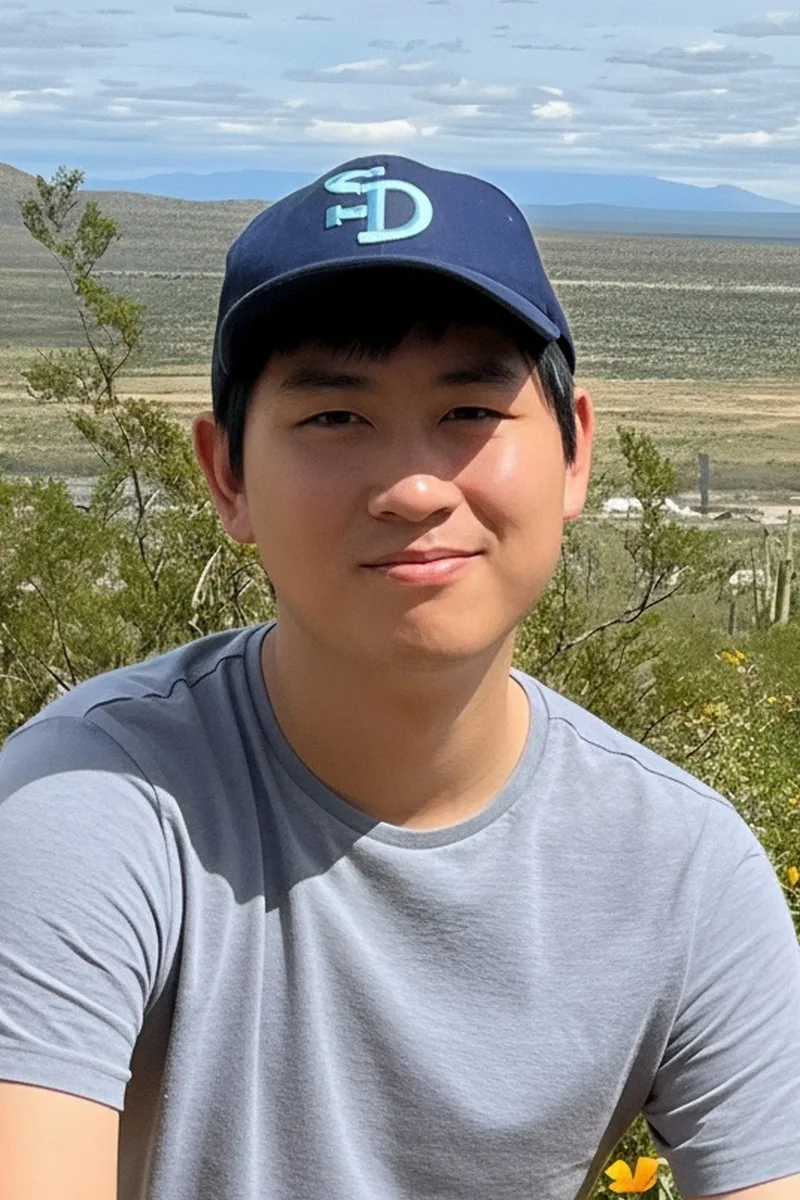
I am a graduate student currently working on my Master's Degree in Big Data Systems.
From sorting algorithms and Big-O analysis to data structures like trees and hash maps, computer science is ultimately about choosing the right tool for a given problem. Mehek earned her degree in computer and information sciences and teaches across multiple programming languages, which means she can explain concepts at the theoretical level without losing sight of implementation. She's rated 4.7 by students.
Geoffrey's electrical engineering coursework at ASU means he lives in code daily — from writing embedded C for microcontrollers to building data structures in Python. He tackles computer science as applied problem-solving, connecting abstract concepts like recursion and algorithmic complexity to tangible projects students can see working.
From sorting algorithms and Big-O analysis to database design and operating system fundamentals, computer science covers enormous ground. Ajay brings both an electrical engineering degree and hands-on software engineering experience to the table, which means he can explain not just how an algorithm works in pseudocode but what's actually happening at the hardware level when it runs.
Spencer approaches computer science the way he approaches any complex system: by breaking it into smaller, logical components and understanding how they connect. His analytical training across international relations, business, and quantitative coursework at BYU and Thunderbird gives him a structured problem-solving mindset that translates well to topics like algorithms, data structures, and programming logic. He's especially effective with students who think conceptually but struggle to translate ideas into code.
Concepts like recursion, data structures, and algorithm complexity click faster when someone can show you why a linked list matters, not just how to implement one. Ayushi studied computer science through her master's at Arizona State and spent time tutoring CS students at the university's engineering tutoring center, so she's seen exactly where beginners and intermediate students get stuck. She unpacks abstract ideas with concrete examples and traces through code step by step.
I'm excited to start sharing my love of learning with everyone else.
Recursion, data structures, algorithmic complexity — these topics trip up students who try to memorize patterns without understanding why they work. Kevin holds both a bachelor's and master's in computer science from NYU, and he's the kind of tutor who will explain a concept three different ways until the logic genuinely lands. Rated 4.8 by students.
Between his coursework at Rice and his background in algorithms, Daniel tackles computer science from both the practical and theoretical sides — writing clean code and understanding why one sorting algorithm outperforms another for a given dataset. He's especially strong at breaking down recursion, data structures, and algorithmic complexity into steps that build logically on each other.
Pursuing both computer science and data science at NYU's Courant Institute with a cybersecurity minor, Diego lives in this material daily — from algorithms and data structures to networking and systems-level thinking. He breaks abstract CS concepts into smaller, buildable pieces so students can trace the logic themselves rather than just copying solutions.
Trained in computer science at UT Austin and currently pursuing a PhD that blends computational methods with social science, David brings both theoretical depth and applied versatility to CS instruction. He digs into core topics like algorithm analysis, data structures, and computational complexity, connecting them to the kind of real-world problem-solving that makes the discipline click.
From data structures and algorithms to computational complexity, Michelle covers the core CS curriculum with the depth you'd expect from a Duke CS graduate heading into a PhD at Michigan. She's especially strong at explaining abstract concepts like recursion and graph traversal by connecting them to concrete, visual examples that make the logic intuitive.
From data structures and algorithms to computational complexity, Victoria covers the core CS concepts that show up in both coursework and technical interviews. Studying computer science and math simultaneously at WashU gave her a knack for explaining the mathematical reasoning behind topics like recursion, sorting efficiency, and graph traversal. She holds a 5.0 rating from students.
Building AI systems and low-level software at Stanford — in both Python and C++ — Kevin knows where the theoretical meets the practical in computer science. His biocomputation specialization means he can explain not just how to implement an algorithm, but why certain computational approaches work better for different problem domains. Rated 5.0 by students.
Earning a computer science minor at Penn meant Cody went deep on data structures, algorithms, and programming logic alongside students in one of the country's top CS programs. His cognitive science major adds an unusual edge: he understands how people learn to think computationally, which makes him effective at explaining recursion, sorting algorithms, or Big-O analysis in ways that actually stick.
From recursion and sorting algorithms to Big-O analysis and object-oriented design, Ethan covers core computer science concepts with the rigor of someone studying it as a second major alongside aerospace engineering. He emphasizes understanding why an algorithm works — tracing through execution step by step — so students can adapt their thinking to new problems on exams and in projects.
From basic programming constructs all the way up to computational analysis and finite automata, Andrew has tutored the full range of computer science topics at both the high school and college level. His CS degree gives him the depth to explain not just how an algorithm works but why its time complexity matters. Rated 5.0 by students.
Studying computer science at Cornell's College of Engineering, Ravnoor digs into topics like data structures, algorithms, and object-oriented design on a daily basis. He breaks complex problems — recursion, linked lists, sorting efficiency — into smaller, concrete steps so students build genuine understanding they can apply to new challenges independently.
As a computer science major at Boston University, Irene is immersed in the subject daily — from data structures and algorithms to object-oriented design. She breaks down abstract programming concepts into concrete steps, walking through how to trace logic, debug code, and think like a developer rather than just memorize syntax.
Testimonials
Because the right Computer Science tutor makes all the difference.
Average Session Rating – Based on 3.4M Learner Ratings
Other Tucson Tutors
Related Technology and Coding Tutors in Tucson
Frequently Asked Questions
Your first session is about understanding your current level and goals. A tutor will review what you're working on—whether that's learning Python basics, debugging complex code, or preparing for AP Computer Science—and identify specific areas where you need support. This helps create a personalized plan that matches your learning pace and coding interests.
Debugging is a critical skill that goes beyond just fixing syntax errors. Tutors teach you how to read error messages, trace through your logic step-by-step, and use debugging tools effectively. Rather than just telling you what's wrong, they guide you through the problem-solving process so you develop the independent debugging skills you'll need in any programming language.
Syntax is the specific rules of a programming language (like Python or Java), while logic is the underlying problem-solving approach—how you break down a problem and write the steps to solve it. Many students struggle when they focus only on syntax memorization. Tutors help you build strong logical thinking first, which makes learning any language much easier and helps you write better code overall.
Absolutely. Project-based learning is one of the most effective ways to solidify your skills, whether you're interested in web development, game design, data science, or building applications. Tutors can guide you through building real projects, review your code, suggest improvements, and help you understand design decisions—giving you practical experience that goes beyond textbook problems.
Data structures and algorithms are abstract concepts that many students find challenging. Tutors break these down with visual explanations, real-world examples, and hands-on practice. They help you understand not just how arrays, linked lists, or sorting algorithms work, but when and why to use them—building the algorithmic thinking that's essential for computer science success.
Yes. Tutors for students in Tucson are familiar with the Computer Science courses offered across the district's 67 school districts, from introductory programming classes to AP Computer Science Principles and AP Computer Science A. Whether you need help keeping up with coursework or want to dive deeper into specific concepts, tutors can align their instruction with what you're learning in class.
That's completely normal. Tutors can help you explore different areas—web development, game design, data science, or systems programming—through small projects and conversations about what excites you. This exploration helps you discover your interests while building foundational skills that apply across all programming disciplines.
Varsity Tutors connects you with tutors who have expertise in Computer Science and understand how to teach coding effectively. You'll share your goals, current level, and what you're working on, and we'll match you with someone who fits your learning style and schedule. Most students start seeing results within the first few sessions as they gain clarity and confidence in their coding skills.
Let’s find your perfect tutor
Answer a few quick questions. We’ll recommend the right plan and match you with a top 5% tutor.