Award-Winning Computer Science Tutors
serving Mesa, AZ
Computer Science
Tutors in Mesa
Private 1-on-1 tutoring, weekly live classes for academic support, test prep & enrichment, practice tests and diagnostics, and more to elevate grades and test scores.
Based on 3.4M Learner Ratings
UniversitiesSchools & Universities
DeliveredHours Delivered
ProficiencyGrowth in Proficiency
Who needs tutoring?
No obligation. Takes ~1 minute.
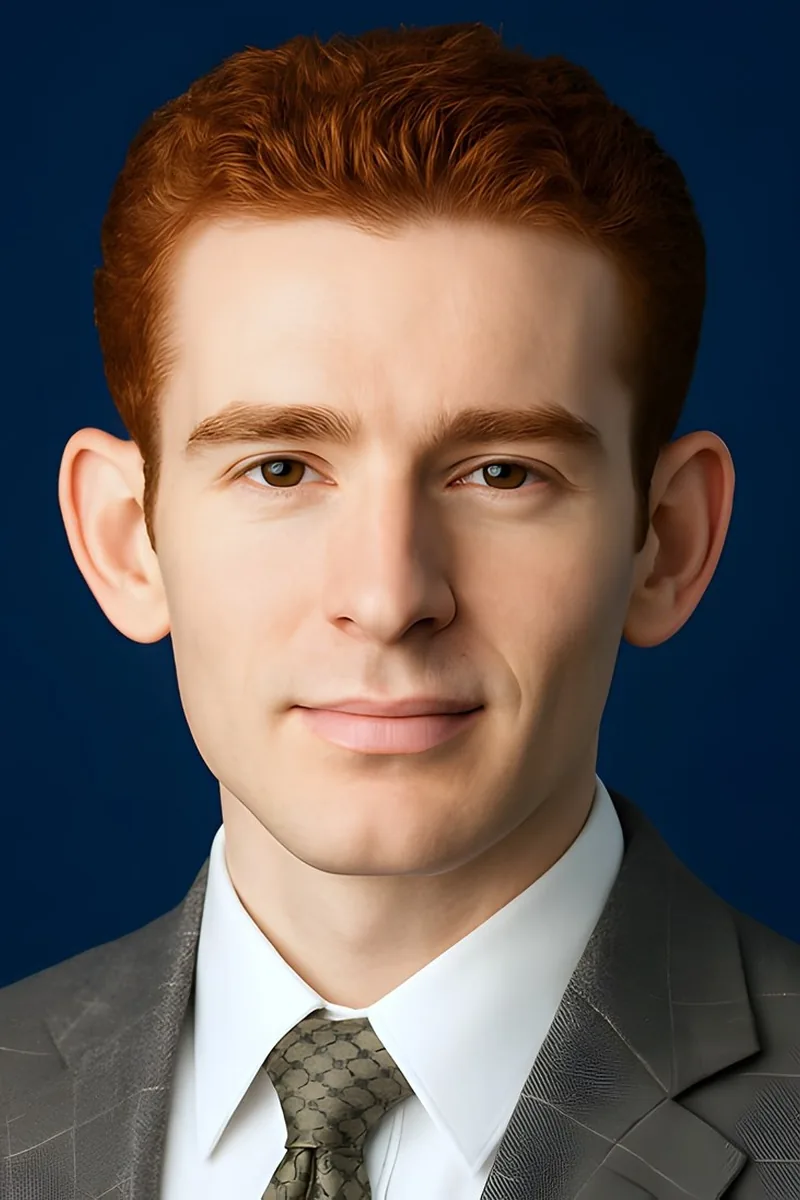
Spencer approaches computer science the way he approaches any complex system: by breaking it into smaller, logical components and understanding how they connect. His analytical training across international relations, business, and quantitative coursework at BYU and Thunderbird gives him a structured problem-solving mindset that translates well to topics like algorithms, data structures, and programming logic. He's especially effective with students who think conceptually but struggle to translate ideas into code.

John transitioned from law into co-founding a software company, which meant teaching himself to think in algorithms, data structures, and system design under real deadlines. He approaches computer science the same way — breaking problems into smaller, solvable pieces before writing a single line of code. That builder's mindset makes debugging and logic design feel less intimidating.
I am a graduate student currently working on my Master's Degree in Big Data Systems.
Geoffrey's electrical engineering coursework at ASU means he lives in code daily — from writing embedded C for microcontrollers to building data structures in Python. He tackles computer science as applied problem-solving, connecting abstract concepts like recursion and algorithmic complexity to tangible projects students can see working.
From sorting algorithms and Big-O analysis to data structures like trees and hash maps, computer science is ultimately about choosing the right tool for a given problem. Mehek earned her degree in computer and information sciences and teaches across multiple programming languages, which means she can explain concepts at the theoretical level without losing sight of implementation. She's rated 4.7 by students.
From sorting algorithms and Big-O analysis to database design and operating system fundamentals, computer science covers enormous ground. Ajay brings both an electrical engineering degree and hands-on software engineering experience to the table, which means he can explain not just how an algorithm works in pseudocode but what's actually happening at the hardware level when it runs.
Concepts like recursion, data structures, and algorithm complexity click faster when someone can show you why a linked list matters, not just how to implement one. Ayushi studied computer science through her master's at Arizona State and spent time tutoring CS students at the university's engineering tutoring center, so she's seen exactly where beginners and intermediate students get stuck. She unpacks abstract ideas with concrete examples and traces through code step by step.
Hi! I'm a STEM, SAT/ACT, and language tutor with over a decade of teaching and tutoring experience. I have tutored students in every grade level in K-12 and first and second year college students. I mainly teach Math, Science, Physics, Hindi, English, French, ACT (35 score), and SAT (1560 score), and other subjects upon request.
I'm excited to start sharing my love of learning with everyone else.
From data structures and algorithms to computational complexity, Michelle covers the core CS curriculum with the depth you'd expect from a Duke CS graduate heading into a PhD at Michigan. She's especially strong at explaining abstract concepts like recursion and graph traversal by connecting them to concrete, visual examples that make the logic intuitive.
Biomedical engineering at Rice requires heavy computational coursework, so Theresa has tackled core computer science concepts — from object-oriented programming and data structures to algorithm complexity — in the context of solving real problems. She explains abstract ideas like recursion and sorting algorithms by connecting them to concrete examples rather than letting students drown in theory. Rated 5.0 by students.
A Stanford MS in Computer Science means David can teach everything from data structures and algorithms to object-oriented design with the depth that comes from building real systems — not just reading about them. He spent a summer teaching web and app development to high school students in Palestine, so he knows how to make abstract CS concepts click through hands-on projects.
Between his coursework at Rice and his background in algorithms, Daniel tackles computer science from both the practical and theoretical sides — writing clean code and understanding why one sorting algorithm outperforms another for a given dataset. He's especially strong at breaking down recursion, data structures, and algorithmic complexity into steps that build logically on each other.
Recursion, data structures, algorithmic complexity — these topics trip up students who try to memorize patterns without understanding why they work. Kevin holds both a bachelor's and master's in computer science from NYU, and he's the kind of tutor who will explain a concept three different ways until the logic genuinely lands. Rated 4.8 by students.
Benjamin's finance and economics training at Notre Dame means he learned to code as a problem-solving tool — building models, analyzing datasets, and automating calculations — rather than through a traditional CS curriculum. That pragmatic entry point makes him effective at teaching programming logic and computational thinking to students who want to understand how code actually gets used in business and quantitative fields. Rated 5.0 by students.
From sorting algorithms to recursion to object-oriented architecture, computer science rewards the ability to think in layers of abstraction. Joel is pursuing CS at Cornell alongside physics, which means he approaches programming problems with both mathematical rigor and practical debugging instincts. He's comfortable across Python and Java and adapts to whatever language a student's course requires.
Most CS tutors come from pure software backgrounds — Clive's path runs through economics at Brown, where he picked up Java, Python, JavaScript, SQL, and HTML as tools for data analysis and building real projects rather than just completing problem sets. That applied angle makes him especially effective at teaching programming fundamentals and web technologies to students who learn better when code solves a tangible problem.
Margaret studies Computer Science at Stanford alongside Political Science, giving her a broad perspective on how computational thinking applies beyond just writing code. She breaks down core topics like data structures, algorithms, and recursion by connecting each one to real problems students can visualize. Rated 4.8 by her students.
Studying Computer Science alongside Math/Stats at Carleton College, Thomas lives at the intersection of algorithms, data structures, and mathematical reasoning. He digs into topics like recursion, sorting algorithms, and object-oriented design by building understanding from first principles rather than rote code memorization.
Justin's PhD research in computational mathematics meant writing code daily — building simulations, implementing algorithms, and debugging in MATLAB and other languages. He teaches computer science concepts like data structures, recursion, and algorithmic complexity by connecting them to real computational problems rather than treating them as abstract definitions to memorize.
From automata theory and computational complexity to practical algorithm design, Firas covers computer science as both a theoretical discipline and a hands-on craft. His Ph.D. research at the intersection of machine learning and big data means he can connect abstract CS concepts — graph traversals, runtime analysis, NP-completeness — to the systems that actually use them. Rated 5.0 by students.
Testimonials
Because the right Computer Science tutor makes all the difference.
Average Session Rating – Based on 3.4M Learner Ratings
Other Mesa Tutors
Related Technology and Coding Tutors in Mesa
Frequently Asked Questions
Your first session is about understanding your goals and current skill level. A tutor will ask about the programming languages you're learning, any specific challenges you're facing (like debugging or understanding loops), and what you want to accomplish—whether that's acing your AP Computer Science class, building a personal project, or preparing for coding interviews. This helps them create a personalized plan that matches your pace and learning style.
Debugging is one of the most valuable skills in computer science, and tutors help you develop a systematic approach to finding and fixing errors. Rather than just pointing out what's wrong, a tutor will walk you through reading error messages, using debugging tools, and thinking through your logic step-by-step. This builds your problem-solving skills so you can tackle unfamiliar errors independently in the future.
Syntax is the specific rules of a programming language (like how to write an if statement in Python vs Java), while logic is the problem-solving approach—understanding *why* you need that if statement and *how* it solves your problem. Many students struggle because they focus only on memorizing syntax without building algorithmic thinking. Tutoring helps you master both: learning syntax quickly while developing the logical thinking that transfers across any language.
Data structures (like arrays, linked lists, and hash maps) and algorithms are abstract concepts that benefit greatly from hands-on explanation and practice. Tutors use visualizations, code walkthroughs, and real coding exercises to help you understand how data structures work in memory and why you'd choose one over another. They'll also help you practice implementing algorithms and analyzing their efficiency—skills essential for computer science classes and technical interviews.
Absolutely. Project-based learning is one of the most effective ways to develop real programming skills. Tutors can guide you through building web applications, games, data analysis projects, or whatever aligns with your interests and goals. They'll help with code review, suggest improvements, explain design decisions, and teach you best practices—turning your projects into deep learning experiences rather than just getting something working.
That depends on your interests and goals. Tutors can help you explore different areas by discussing what appeals to you and what skills you're already building in your coursework. If you're in a general computer science class, a tutor can introduce you to different specializations through small projects or explanations. If you're already drawn to a specific path, they'll tailor your learning to build the languages and concepts most relevant to that field.
Yes. Varsity Tutors connects you with tutors experienced in helping students in Mesa succeed in computer science courses at all levels—from introductory programming classes to AP Computer Science A and AP Computer Science Principles. Whether you need help understanding course material, preparing for the AP exam, or building required projects, tutors can align their instruction with what your school is teaching.
Hands-on practice is central to learning computer science effectively. Most tutoring sessions include live coding where you write and run code with a tutor's guidance, immediate feedback on your approach, and opportunities to experiment and make mistakes in a supportive environment. This active practice—combined with explanation and code review—is far more effective than passively watching someone else code or just reading textbooks.
Let’s find your perfect tutor
Answer a few quick questions. We’ll recommend the right plan and match you with a top 5% tutor.