Award-Winning Computer Science Tutors
serving Cleveland, OH
Computer Science
Tutors in Cleveland
Private 1-on-1 tutoring, weekly live classes for academic support, test prep & enrichment, practice tests and diagnostics, and more to elevate grades and test scores.
Based on 3.4M Learner Ratings
UniversitiesSchools & Universities
DeliveredHours Delivered
ProficiencyGrowth in Proficiency
Who needs tutoring?
No obligation. Takes ~1 minute.
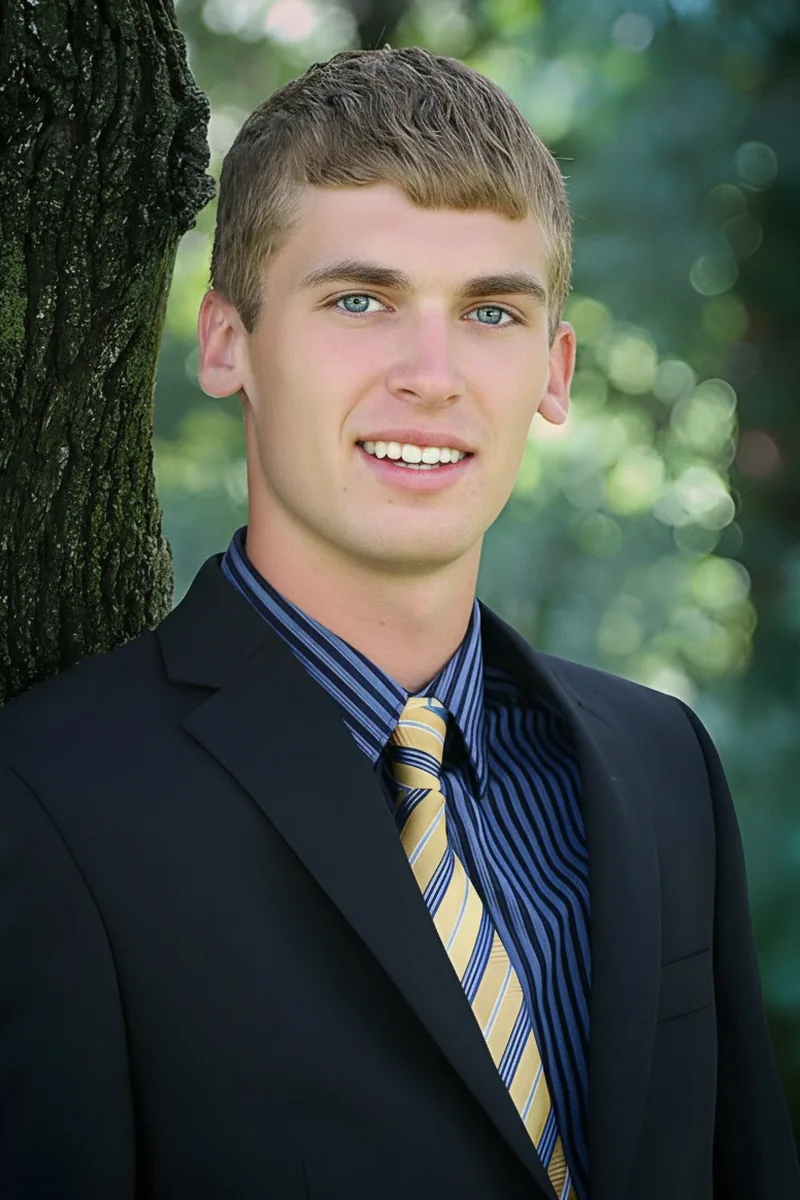
Between his CS degree at Case Western Reserve and running a web design business, Brian writes code in both academic and real-world contexts every day. He unpacks foundational topics like data structures, sorting algorithms, and recursion by connecting them to practical applications — showing why a hash map outperforms a list search, or how recursion models real problems like file system traversal.
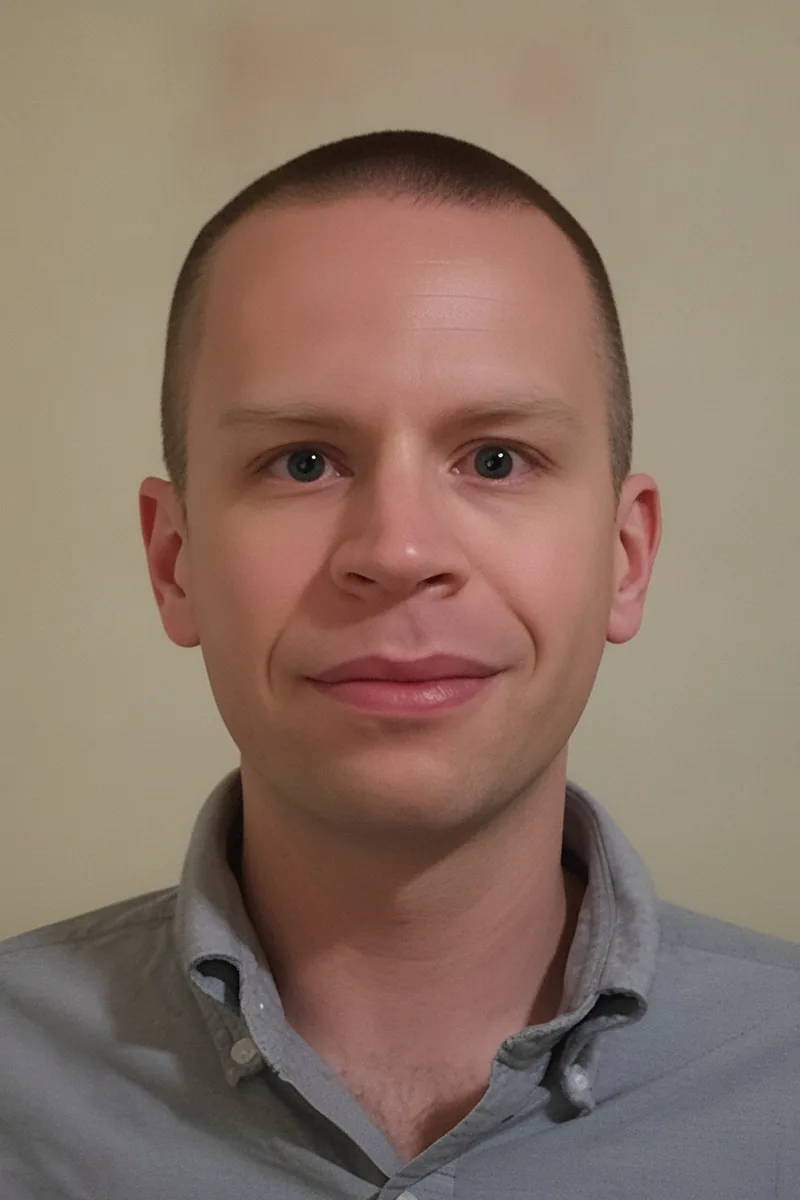
Software development taught Michael something that textbooks often skip: the discipline of decomposing a massive, ambiguous problem into small, testable pieces — and that's exactly how he teaches computer science. His professional coding experience across languages like Java, Python, Ruby, and C means he can ground abstract topics like object-oriented design or control flow in real working code rather than classroom-only exercises. Rated 4.9 by students.
I'm a recent college graduate with degrees in Biological Sciences and Russian from Ohio University. During my time there, I tutored students in a variety of subjects, including biology, chemistry, and Spanish. In addition, I worked as both a peer advisor and teaching assistant, which gives me insight into the learning strategies and study skills that students need to succeed. As a tutor, I like to focus on doing actual problems with students because it is the most effective way to immediately identify their strengths and weaknesses and to address them. In my free time, I like to lift weights, read books, and spend time with my friends.
Between his engineering curriculum and competition math background, Kevin tackles computer science from both the theoretical and applied sides — algorithm complexity, recursion, sorting strategies, and how hardware constraints shape software decisions. He's especially effective at translating the mathematical foundations of CS into intuition students can actually use when writing and debugging code.
I am a recent graduate with a master's in electrical engineering from Case Western Reserve University. I won the Bill and Melinda Gates Millennium Scholarship which covers full tuition up to Ph.D. I was on the Dean's List for three consecutive years. Additionally, I won the OZY Media Genius Award in 2015 to work on high-temperature superconductors. I currently work as a Technology Analyst at Accenture. I am also seriously considering whether I should go for a Ph.D. or not.
Studying computer science engineering at Ohio State with honors, Samuel digs into the discipline well beyond surface-level coding — think algorithm complexity, memory management, and how data structures like hash maps and trees actually work under the hood. He connects abstract CS theory to real implementations so the concepts stick long after the exam.
Two years writing computerized tasks for Ohio State's Clinical Neuroscience Laboratory taught Luke how to translate experimental logic into working code — structuring programs around precise conditions, variables, and outcomes. That lab experience, combined with his Java and AP Computer Science teaching, means he approaches programming as applied problem-solving rather than abstract syntax drills. Rated 4.8 by students.
I am passionate about the subject, they may feel that they can tap into that passion. Second, I like to engage the student personally. Education can sometimes feel transactional or even coercive. I want my student to feel that I am working for their benefit, and because I care about them, not because I'm getting paid.
I am passionate about teaching because I love helping someone understand and become confident in a concept that previously baffled them. I am a student at The Ohio State University working towards a Computer Science degree. I have experience tutoring math up through AP Calculus BC, French, and AP Literature. My experience in tutoring comes from the free weekly French tutoring program I initiated at my high school, which grew to me tutoring other subjects as well. My teaching philosophy involves discussion and helping the student come to an answer themselves, which allows the topic to stick. Because of this one of my favorite subjects to tutor is writing. Writing tutoring helps the student grow and allows them to see the problems in their writing themselves. Outside of academia I enjoy calligraphy and playing piano.
I am currently pursuing my B.S. in microbiology as a pre-medical student with hopes to attend medical school.
Justin's PhD research in computational mathematics meant writing code daily — building simulations, implementing algorithms, and debugging in MATLAB and other languages. He teaches computer science concepts like data structures, recursion, and algorithmic complexity by connecting them to real computational problems rather than treating them as abstract definitions to memorize.
John transitioned from law into co-founding a software company, which meant teaching himself to think in algorithms, data structures, and system design under real deadlines. He approaches computer science the same way — breaking problems into smaller, solvable pieces before writing a single line of code. That builder's mindset makes debugging and logic design feel less intimidating.
From automata theory and computational complexity to practical algorithm design, Firas covers computer science as both a theoretical discipline and a hands-on craft. His Ph.D. research at the intersection of machine learning and big data means he can connect abstract CS concepts — graph traversals, runtime analysis, NP-completeness — to the systems that actually use them. Rated 5.0 by students.
From data structures and algorithm analysis to the fundamentals of how operating systems and networks function, Nicholas covers computer science with the depth his Penn State CS degree provided. He's especially strong at explaining recursion, sorting algorithms, and Big-O notation — the concepts that separate students who can code from students who truly understand computation. Rated 5.0 by students.
Isabella TA'd multiple computer science courses at MIT, so she's seen exactly where students get stuck — whether it's tracing recursive calls, understanding how data structures like linked lists and trees actually work in memory, or debugging logic errors in their code. She explains the underlying concepts so that writing correct programs becomes intuitive rather than trial-and-error. Rated 5.0 by students.
Philosophy trained Calin to build rigorous logical arguments; his math and CS degrees taught him to express that logic in C++ and JavaScript. That combination means he teaches programming concepts — from algorithm design to data structure selection — as exercises in precise reasoning, where every line of code follows from a clear chain of thought. Rated 5.0 by students.
Between his AP Computer Science 5 and his engineering coursework at Vanderbilt, William has written code across contexts — from introductory Java to computational modeling in his chemical engineering classes. He breaks down abstract concepts like recursion, data structures, and algorithm efficiency by walking through concrete examples line by line. Students who can follow the logic but freeze when writing code from a blank screen tend to gain traction quickly with his approach.
From basic programming constructs all the way up to computational analysis and finite automata, Andrew has tutored the full range of computer science topics at both the high school and college level. His CS degree gives him the depth to explain not just how an algorithm works but why its time complexity matters. Rated 5.0 by students.
Trained in computer science at UT Austin and currently pursuing a PhD that blends computational methods with social science, David brings both theoretical depth and applied versatility to CS instruction. He digs into core topics like algorithm analysis, data structures, and computational complexity, connecting them to the kind of real-world problem-solving that makes the discipline click.
Engineering science at Vanderbilt means Ethan writes code to solve real problems — simulations, data analysis, algorithm design — not just textbook exercises. He breaks down core concepts like recursion, data structures, and object-oriented design by connecting them to projects that actually do something interesting.
Allison's CS degree from Dartmouth means she's worked through the full arc — from writing first programs to tackling data structures, algorithms, and computational theory. She unpacks abstract concepts like recursion and Big-O analysis by walking through concrete code examples, making the logic visible before the notation takes over.
Benjamin's finance and economics training at Notre Dame means he learned to code as a problem-solving tool — building models, analyzing datasets, and automating calculations — rather than through a traditional CS curriculum. That pragmatic entry point makes him effective at teaching programming logic and computational thinking to students who want to understand how code actually gets used in business and quantitative fields. Rated 5.0 by students.
Testimonials
Because the right Computer Science tutor makes all the difference.
Average Session Rating – Based on 3.4M Learner Ratings
Other Cleveland Tutors
Related Technology and Coding Tutors in Cleveland
Frequently Asked Questions
Your first session is all about understanding where you are and what you want to achieve. A tutor will assess your current programming knowledge, discuss your goals (whether that's mastering a specific language, building projects, or preparing for AP Computer Science), and identify areas where you're struggling most—like debugging, algorithmic thinking, or data structures. From there, they'll create a personalized plan tailored to your learning style and pace.
Debugging is one of the most valuable skills a programmer can develop, and tutors excel at teaching systematic approaches to finding and fixing errors. Rather than just telling you the answer, a tutor will walk you through reading error messages, tracing code execution, and using debugging tools effectively. This hands-on code review process helps you build the problem-solving mindset you need to tackle unfamiliar bugs independently.
Syntax is the specific rules of a programming language (like how to write a for loop in Python vs. Java), while logic is the underlying thinking—how to break down a problem and design a solution algorithmically. Many students get stuck because they focus too much on syntax memorization instead of understanding the logic. A tutor helps you master both by teaching you to think algorithmically first, then apply that logic in whatever language you're learning.
Absolutely. Project-based learning is one of the most effective ways to solidify computer science skills, and tutors can guide you through building real applications—whether that's a web app, game, data analysis project, or something else entirely. Tutors provide code review, help you plan your project architecture, troubleshoot issues as they arise, and teach you best practices along the way. This hands-on experience is invaluable for building a portfolio and truly understanding how concepts work in practice.
Data structures and algorithms are abstract concepts that many students find challenging, but they're crucial for writing efficient code and passing technical interviews. Tutors break these down using visual explanations, real-world examples, and hands-on coding practice. They'll help you understand why you'd use an array versus a linked list, how sorting algorithms work, and how to analyze code efficiency—moving beyond memorization to genuine comprehension.
Yes. Varsity Tutors connects you with tutors who specialize in different areas of computer science. Whether you're focused on web development (frontend/backend), data science and machine learning, game development, or another specialization, you can find a tutor with expertise in your area of interest. They'll help you learn the languages, frameworks, and concepts most relevant to your goals while building a strong foundational understanding of core CS principles.
Definitely. Whether you're taking AP Computer Science Principles, AP Computer Science A, or a school-based CS course, tutoring provides personalized support tailored to your curriculum and teacher's expectations. Tutors help you understand course concepts, complete assignments and projects, prepare for exams, and develop the problem-solving skills that make computer science click. With Cleveland's 18.8:1 student-teacher ratio, personalized 1-on-1 instruction can make a real difference in your understanding and performance.
Absolutely. Many students start with zero programming experience, and tutors are skilled at building foundational knowledge from the ground up. They'll introduce you to programming concepts at a pace that makes sense for you, choose a beginner-friendly language (like Python), and help you build confidence through small, achievable projects. Starting with personalized instruction means you'll develop strong habits and understanding right from the beginning, rather than struggling through on your own.
Let’s find your perfect tutor
Answer a few quick questions. We’ll recommend the right plan and match you with a top 5% tutor.