Award-Winning AP Computer Science A Tutors
serving Cleveland, OH
AP Computer Science A
Tutors in Cleveland
Private 1-on-1 tutoring, weekly live classes for academic support, test prep & enrichment, practice tests and diagnostics, and more to elevate grades and test scores.
Based on 3.4M Learner Ratings
UniversitiesSchools & Universities
DeliveredHours Delivered
ProficiencyGrowth in Proficiency
Who needs tutoring?
No obligation. Takes ~1 minute.

As a computer science major at Case Western Reserve, Brian writes Java daily — the same language students need to master for AP Computer Science A. He tackles the concepts that trip students up most, like recursive methods, array manipulation, and object-oriented design, by assigning targeted practice problems that build real fluency with the exam format. Rated 5.0 by students.
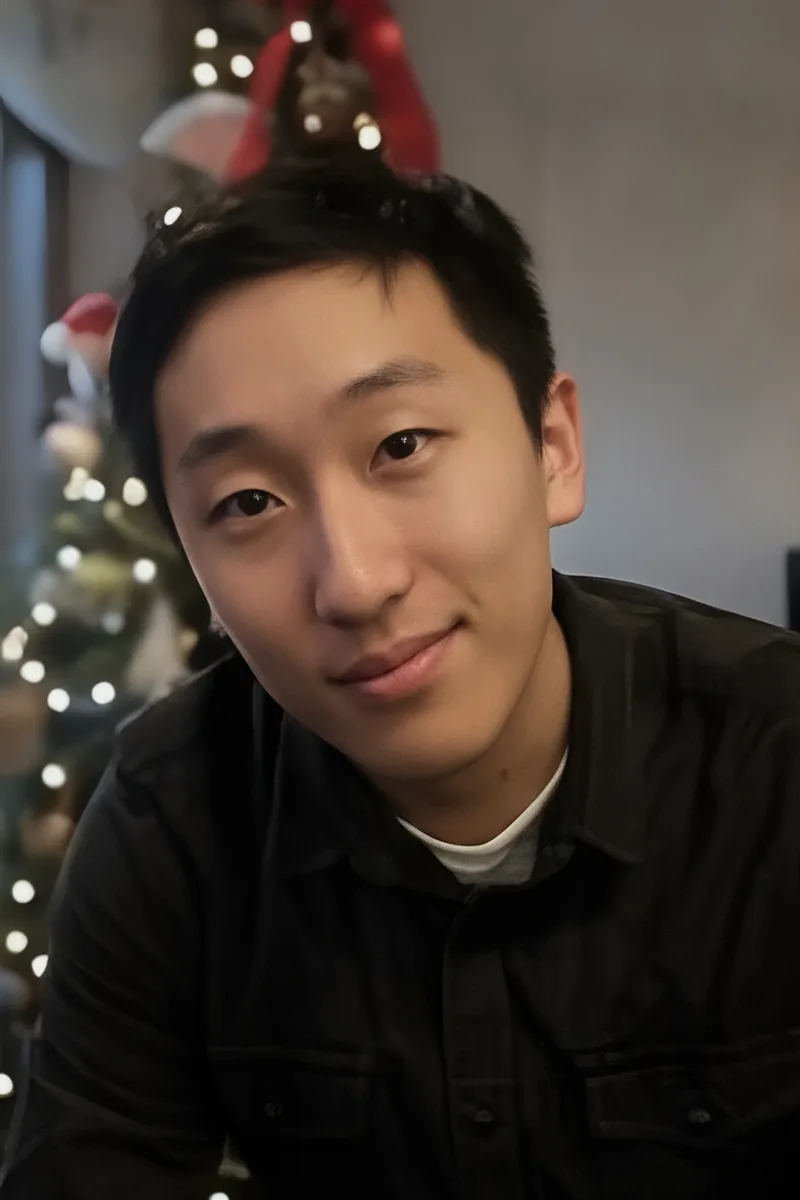
Mechanical engineering at Case Western means Kevin codes in MATLAB and CAD environments where logical structure matters — the same kind of structured thinking that Java's object-oriented model demands in AP CSA. He approaches topics like loop construction and array manipulation the way an engineer solves a design problem: define the inputs, trace the logic, then build. Rated 4.8 by students.
The AP Computer Science A exam lives and dies on Java fundamentals — array traversal, recursive methods, ArrayList manipulation, and class design. Maxwell breaks down each free-response question type so students learn to trace code execution step by step and catch the off-by-one errors and null-pointer pitfalls the exam is designed to test. He holds a 5.0 client rating.
Studying computer science engineering with a math minor at Ohio State, Samuel codes in Java daily — and his 36 ACT reflects the kind of precise, detail-oriented thinking that AP CSA's free-response section punishes you for lacking. He digs into the *why* behind object-oriented design, teaching students to trace through class relationships and recursive calls until they can predict exactly what a block of code will do before it runs.
A microbiology major might seem like an unusual fit for AP Computer Science A, but Sashwat's pre-med coursework means he writes code to analyze biological data — and that practical Java experience translates directly to the array manipulation, loop logic, and class design the exam tests. He approaches each concept by building small, testable programs that make abstract ideas like recursion and object interaction concrete.
Two years writing computerized tasks for Ohio State's Clinical Neuroscience Laboratory taught Luke to think like a programmer — designing logic flows, debugging behavioral scripts, and structuring code that had to run reliably in a research setting. He brings that same careful, build-it-and-test-it mindset to AP CSA topics like loop construction, array manipulation, and writing methods that do exactly what the prompt asks. Rated 4.8 by students.
Java's object-oriented structure is where most AP Computer Science A students get stuck — inheritance hierarchies, polymorphism, and writing classes that actually do what the problem asks. Christina studied these concepts deeply during her CS degree and breaks them down by walking through real code examples line by line. She also drills the free-response question format so students know exactly how to earn partial credit even when a solution isn't perfect.
Scoring a 5 on AP Computer Science A himself, Joshua knows exactly where students tend to stumble — recursive methods, array traversal logic, and the finer points of inheritance and polymorphism. He walks through each concept by writing and tracing real Java code rather than relying on abstract explanations, which mirrors how the free-response questions actually test understanding.
Leading sessions at Code Ninjas meant Lucas wasn't just teaching kids to code — he was diagnosing misconceptions in real time across Java, Python, and JavaScript, which is exactly the skill that matters when an AP CSA student can't figure out why their loop runs one too many times. His CS degree with an AI focus at Penn State means he thinks about Java's object-oriented structure as a foundation for bigger ideas, so he teaches class design and array logic with an eye toward where those patterns show up next. Rated 4.9 by students.
With a strong background in STEM education and administration, I am passionate about helping students achieve academic success through personalized learning. My experience as a high school STEM teacher has allowed me to guide students in subjects such as artificial intelligence, machine learning, renewable energy technology, supply chain management, and manufacturing systems. Additionally, my administrative expertise has honed my ability to provide structured and efficient support to learners of all levels. I have earned certifications from the Massachusetts Institute of Technology, International Business Machines (IBM), and the New York Institute of Finance, dedicating years to making complex concepts more engaging and accessible. My tutoring style is adaptive, ensuring that each student's unique learning needs are met with patience and clarity. I believe in creating a supportive learning environment where students feel confident in tackling challenges and mastering new skills. While I tutor a broad range of subjects, I am particularly passionate about STEM-related fields, as they shape the future of technology and innovation. Beyond academics, I enjoy exploring advancements in artificial intelligence, renewable energy solutions, and automotive technology. My goal is to inspire curiosity, critical thinking, and a lifelong love of learning in every student I work with.
As experienced and passionated educator with a Bachelor's degree in Computer Science from Rice University, I am passionate about empowering students to achieve their academic goals. With over 3 years of tutoring experience in subjects such as AP Computer Science A, Machine Learning, and SAT Math, I adapt to different learning styles and create a supportive learning environment. My teaching philosophy centers on personalized instruction, where I connect with each student to understand their unique learning styles and challenges. I take pride in guiding students through the complexities of computer science and college application essays, equipping them with the skills they need for future success. Outside of tutoring, I enjoy exploring new technologies and engaging in coding projects to improve my teaching approach.
Four years of tutoring and a computer science major at Boston University mean Irene is actively immersed in Java — writing it for her own coursework while teaching it to others, which keeps her tuned into exactly where AP CSA students get tripped up on concepts like loop logic and object interaction. She's especially sharp at catching the small misunderstandings in how students trace through code, the kind that lead to wrong answers on free-response questions without anyone realizing why. Rated 4.8 by students.
Fresh out of Duke's CS program and heading into a PhD at Michigan, Michelle writes Java the way the AP CSA exam expects — with careful attention to how classes interact, how recursion unwinds, and how data structures behave under the hood. She pairs that technical depth with a sociology-trained instinct for clear communication, breaking down abstract concepts like polymorphism and encapsulation into language that actually sticks. Rated 5.0 by students.
Irene's PhD in Mathematics and Computer Science means she learned Java and object-oriented design not as a side skill but as core dissertation-level work — so AP CSA topics like recursion, sorting algorithms, and class structure sit squarely in her wheelhouse. She teaches the logic behind the code, connecting how a for-loop traverses an array to the same discrete math reasoning she's used for decades. Rated 4.9 by students.
Currently studying computer science at Duke, Susie codes in Java daily — which means AP CSA topics like array manipulation, loop construction, and object-oriented design aren't exam abstractions but tools she actually uses in her coursework. She teaches the reasoning behind each concept first, so students can trace through free-response problems with confidence instead of guessing at syntax.
Having built a career in software development while completing a master's in Computer Science, Daniel writes Java professionally — which means he can teach AP Computer Science A concepts like class design, recursion, and polymorphism the way working programmers actually think about them. He walks students through free-response problems by connecting each prompt to real coding patterns he uses daily, building the kind of fluency that makes exam questions feel like familiar territory.
A pre-med track at Northwestern might not scream Java, but Manideep's coursework in Python and computer science means he's comfortable translating programming logic across languages — exactly the skill that makes AP CSA's object-oriented concepts and recursive thinking accessible. He breaks down class design and array problems by connecting them to the structured, methodical reasoning his science background demands. Rated 5.0 by students.
Dylan minors in computer science at Vanderbilt and codes in both Java and C++, so he understands how object-oriented principles like encapsulation and inheritance translate across languages — a perspective that sharpens how he teaches AP CSA's class design and polymorphism questions. His physics background also means he's used to building models from scratch, which maps naturally onto writing and debugging multi-class programs where every method needs a clear purpose.
Testimonials
Because the right AP Computer Science A tutor makes all the difference.
Average Session Rating – Based on 3.4M Learner Ratings
Practice AP Computer Science A
Free practice tests, flashcards, and AI tutoring for AP Computer Science A
Other Cleveland Tutors
Related Technology and Coding Tutors in Cleveland
Frequently Asked Questions
AP Computer Science A focuses on object-oriented programming fundamentals using Java. The curriculum covers variables and data types, control structures (loops and conditionals), methods and functions, arrays and ArrayLists, 2D arrays, classes and objects, inheritance and polymorphism, and algorithmic thinking. Students also learn to write, test, and debug code while understanding computational thinking principles. The course emphasizes both writing code and analyzing existing code to solve real-world problems.
Score improvement depends on your starting point and how consistently you engage with tutoring. Students who work with tutors typically see gains by strengthening weak areas—whether that's understanding object-oriented concepts, improving code writing efficiency, or mastering the free-response section. Most students benefit from identifying specific gaps early (like inheritance or ArrayList manipulation) and practicing targeted problem sets. Realistic expectations involve steady progress over several months rather than dramatic overnight changes.
Many students struggle with the transition from basic programming to object-oriented design, particularly understanding inheritance and polymorphism. The free-response section—which requires writing code from scratch under time pressure—challenges students who haven't practiced enough under exam conditions. Debugging skills and reading complex code are also frequent weak spots. Additionally, students often underestimate the importance of understanding *why* code works, not just memorizing syntax, which becomes critical on the multiple-choice section.
On the multiple-choice section, read questions carefully to identify what the code actually does rather than what you think it should do—this catches many mistakes. For the free-response section, start by outlining your solution in plain language before coding, which saves time and reduces errors. Practice managing the 90-minute exam by doing full-length practice tests under timed conditions so you know your pacing. Finally, review the AP Computer Science A Quick Reference guide thoroughly during prep—knowing what methods are available can save you from writing unnecessary code.
Consistent practice throughout the school year is more effective than cramming. Aim for regular coding practice (3-4 times weekly) where you write code, debug, and understand solutions deeply. As the exam approaches, incorporate full-length practice tests every 2-3 weeks to build stamina and identify remaining weak areas. Working with a tutor helps you prioritize which topics need the most attention based on your specific gaps, making your study time more efficient than studying alone.
Look for tutors with strong Java programming experience and ideally AP Computer Science A teaching or tutoring background. They should understand the AP exam format, including the multiple-choice and free-response sections, and be able to explain not just *how* to code but *why* certain approaches work better than others. A good tutor will also help you develop debugging strategies and test-taking techniques, not just review content. Varsity Tutors connects you with expert tutors in Cleveland who specialize in AP Computer Science A and understand the specific challenges students face.
Your first session focuses on understanding your current level and identifying specific gaps. A tutor will likely review your recent assignments or practice test results, ask about which topics feel strongest and weakest, and discuss your goals for the exam. This diagnostic approach helps create a personalized study plan tailored to your needs rather than generic test prep. You'll leave with clarity on where to focus and a roadmap for how tutoring will help you prepare.
While AP Computer Science A curriculum is standardized nationwide, Cleveland schools across the 55 school districts may have slightly different pacing or emphasis areas. Tutors in Cleveland are familiar with how local schools teach the course and can align tutoring with your specific teacher's approach and expectations. This local knowledge, combined with expertise in the AP exam format, helps you succeed both in your course and on test day.
Let’s find your perfect tutor
Answer a few quick questions. We’ll recommend the right plan and match you with a top 5% tutor.