Award-Winning College Essays Tutors
serving College Station, TX
College Essays
Tutors in College Station
Private 1-on-1 tutoring, weekly live classes for academic support, test prep & enrichment, practice tests and diagnostics, and more to elevate grades and test scores.
Based on 3.4M Learner Ratings
UniversitiesSchools & Universities
DeliveredHours Delivered
ProficiencyGrowth in Proficiency
Who needs tutoring?
No obligation. Takes ~1 minute.
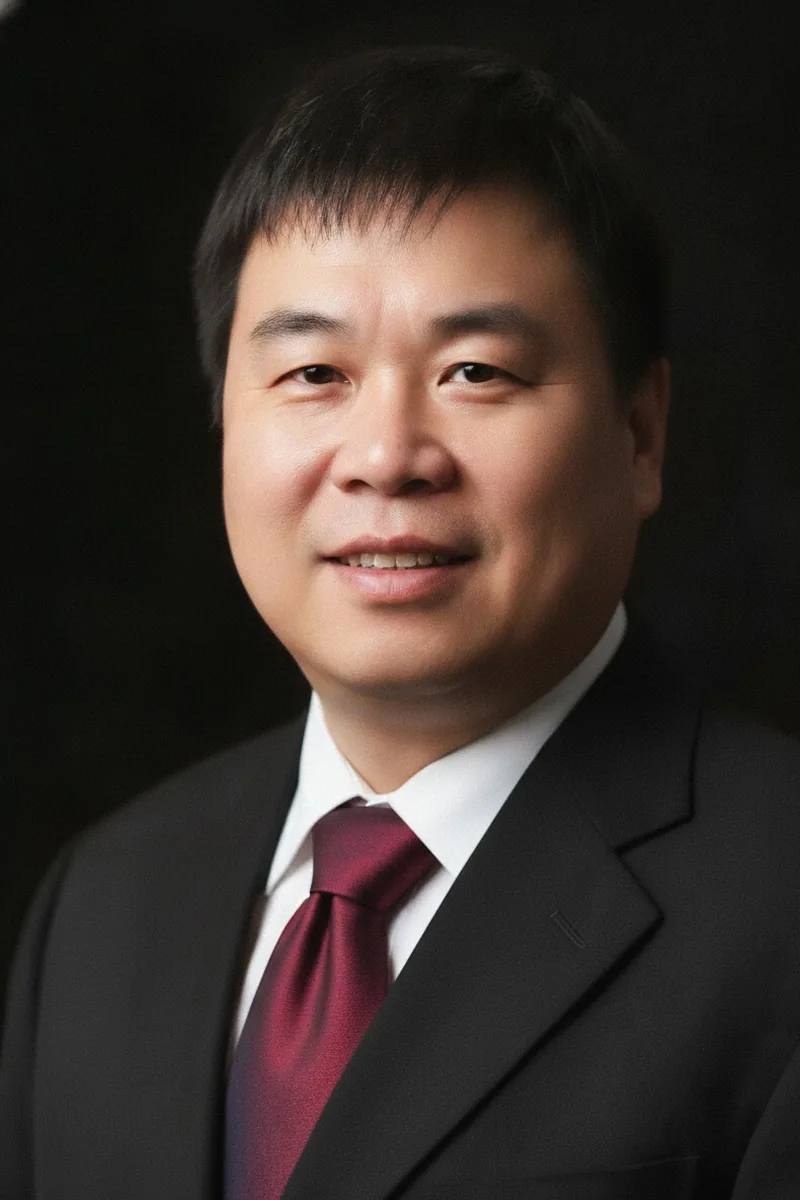
A compelling college essay doesn't summarize a résumé — it reveals how a student thinks. Zhengdong, who has navigated the admissions process through a doctoral program, teaches applicants to identify one specific moment or idea and develop it with the kind of reflective depth that admissions readers remember.

A strong college essay does one specific thing: it reveals how a student thinks, not just what they've accomplished. Paris, who went through the admissions process herself at Texas A&M and is preparing for medical school applications, knows how to pull a genuine narrative out of a student's experiences and shape it into a compelling, structurally tight personal statement. She's especially good at helping students who feel like they have "nothing interesting to write about" find their angle.
A strong college essay doesn't summarize a résumé — it reveals how a student thinks. Christina went through the admissions process for both an engineering program and a master's in finance at Texas A&M, so she knows how to shape a personal narrative that stands out to committees reviewing thousands of applications. She digs into structure, voice, and specificity with each draft.
A great college essay doesn't summarize a résumé — it reveals how a student thinks. As a current college student who recently navigated this process himself, Ryan brings a sharp editorial eye to brainstorming, drafting, and revision, pushing writers to find the one specific story that admissions officers will actually remember. He's particularly good at cutting the generic filler that makes essays blend together.
Clara brings a distinctive perspective to college essays: she's a mechanical engineering major in the Texas A&M Corps of Cadets with a Marine Corps contract, and she knows how to translate an unconventional story into compelling prose. She digs into what makes each student's experience specific and memorable, then shapes that raw material into essays with a clear narrative arc and authentic voice.
A strong college essay doesn't summarize a résumé — it reveals how a student thinks, what they value, and why it matters. Lee digs into brainstorming and drafting with students to uncover the specific story or perspective that admissions readers will remember. His editing eye then tightens structure and voice until the essay sounds unmistakably like the person writing it.
The hardest part of a college essay isn't the writing — it's figuring out which story actually reveals something about you. As a Texas A&M junior who recently went through the admissions process herself, Shubhada knows how to pull a compelling narrative from everyday experiences and shape it into a draft that sounds like the applicant, not a template.
Having navigated medical school applications at Baylor College of Medicine, Michelle understands how to shape a personal narrative that admissions readers actually remember. She teaches students to identify the one specific story that reveals something a transcript can't, then structure it with a clear arc. Her feedback targets both the big-picture argument and the sentence-level choices that separate a good essay from a compelling one.
Having served on admissions interview committees at both Rice University and Baylor College of Medicine, Sugi reads application essays from the evaluator's side of the table. She knows what makes a personal statement land — specificity, authentic voice, and a narrative arc that answers the prompt without sounding rehearsed. That insider perspective is hard to replicate.
Getting into Stanford Medicine required Maggie to write personal statements that distilled complex experiences into compelling narratives — and she applies that same craft to college essay tutoring. She digs into brainstorming, structure, and voice, making sure each draft reveals something authentic about the applicant rather than reading like a résumé in paragraph form. Rated 5.0 by students.
Getting into a competitive school means writing an essay that sounds like a real person, not a résumé in paragraph form. Bidyut went through the admissions process at Johns Hopkins and understands how to help a student identify a genuine story angle, then shape it into a draft that admissions officers actually remember.
Writing a college essay that actually sounds like you — and not like every other applicant — is harder than any exam. As a current Stanford undergrad who went through this process successfully, Jake digs into brainstorming, narrative structure, and voice, pushing students to find the specific story only they can tell. He's particularly sharp at cutting the generic filler that admissions officers skim past.
A compelling college essay doesn't summarize a résumé — it reveals how a student thinks. Mackenzie, currently a junior at Northwestern, brings firsthand knowledge of what selective admissions readers respond to, and she's especially skilled at helping students find the specific, unexpected details in their own experiences that transform a generic personal statement into something memorable.
Having gone through the college application process at Cornell and later prepared for medical school admissions, Jonathan knows firsthand how to shape a personal narrative that admissions committees remember. He digs into brainstorming and structural choices early — figuring out which story to tell and where to put the emotional weight — before polishing a single sentence.
Having navigated the admissions process at both Washington University in St. Louis and Southern Methodist University's graduate program, Elena understands what makes a personal statement memorable versus forgettable. She digs into a student's specific experiences to find the narrative thread that admissions officers won't skim past, then shapes drafts until every sentence earns its place.
Writing a college essay that sounds like you — not like every other applicant who volunteered abroad or overcame adversity — requires ruthless specificity. Meagen, currently a student at Carleton College, knows what admissions readers respond to because she recently went through the process herself. She walks students from brainstorming through final draft, pushing them to find the one small, concrete story that reveals something a transcript can't.
A strong college essay doesn't summarize a résumé — it reveals how a student actually thinks. As someone heading to UT Law this fall, Paul recently navigated the personal statement process himself and knows how to dig past generic topics to find the specific story or perspective that makes an admissions reader pause. He walks students through brainstorming, drafting, and ruthless editing until every sentence earns its place.
A strong college essay doesn't summarize a résumé — it reveals how a student thinks. Jessy is a Rice University sophomore who recently navigated the admissions process herself and knows what makes a personal statement land with readers. She digs into brainstorming, narrative structure, and voice to turn rough drafts into essays that feel genuinely personal.
A strong college essay doesn't summarize a résumé — it reveals how a student thinks, what they care about, and why it matters. Tegan is currently navigating Rice's pre-med track herself, so she understands the pressure of standing out in competitive admissions and can pinpoint what makes a draft feel generic versus genuinely personal.
A computer science major at Rice who scored a 1540 on the SAT, William knows how to perform under pressure with precise language — but college essays require a different gear entirely, trading optimization for vulnerability. He's recently been through the admissions process himself and brings that fresh memory to brainstorming sessions, helping applicants identify the one specific thread worth pulling on instead of defaulting to a résumé in paragraph form.
At Brown, Carter co-created an entire course from scratch — writing a syllabus, curating readings, and presenting the proposal to an academic dean for approval. That experience taught him how to build a compelling argument for an audience that's evaluating thousands of pitches, which is exactly what a college admissions essay demands. He walks students through brainstorming, structure, and revision until the essay sounds unmistakably like them.
A strong college essay doesn't summarize a résumé — it reveals how a student thinks, and that's a surprisingly difficult thing to put on paper. Patricia treats the drafting process as a series of focused decisions: choosing one moment over another, cutting filler, sharpening the voice until it sounds unmistakably like the applicant. She's especially skilled at helping students who know what they want to say but can't quite find the right angle.
A strong college essay isn't about listing accomplishments — it's about revealing how a student thinks. Adam graduated from Rice and is heading to a master's program at University College London, so he's been through the admissions process on both sides of the Atlantic. He digs into brainstorming, voice, and narrative arc to help applicants turn a rough idea into an essay that admissions officers remember.
A college essay that tries to sound impressive usually falls flat — admissions readers want a specific story told in a genuine voice. Vy has volunteered as a mentor in underserved schools and understands how to draw out the personal details that make an applicant memorable, then shape those details into a narrative with a clear arc. She's rated 5.0 by the students she's worked with.
Having gone through admissions cycles for a Comparative Literature program in New York, a policy master's at UT's LBJ School, and an MBA, Chloe has written — and revised — more personal statements than most people will in a lifetime. She digs into what makes a specific essay prompt tick and teaches students to build a narrative arc that reveals character through concrete detail, not generic claims about passion or leadership.
As a Rice University student who navigated the college application process successfully, Sajel understands what admissions readers are looking for: a genuine voice, a specific story, and clear self-awareness. She digs into brainstorming and revision with students, pushing past generic topic ideas to find the personal details that make an essay memorable rather than interchangeable with thousands of others.
Writing a compelling college essay is less about listing achievements and more about revealing how you actually think. Rishi went through this process recently as a Rice University admit and student athlete, so he remembers what worked — finding a specific angle, cutting the generic filler, and letting personality drive the narrative. He's especially useful for students trying to balance an academic identity with extracurricular stories.
Having just gone through the college application process herself to land at Rice, Aditi knows how to turn a vague personal topic into a focused, compelling essay. She digs into brainstorming and structural choices — figuring out which story actually reveals something about the applicant, then shaping the draft so the voice feels genuine rather than performative.
The hardest part of a college essay isn't the writing — it's figuring out which story to tell and why it matters to you specifically. Aadith went through this process recently as a current Rice undergraduate, and he knows how to help a student move from a vague topic to a draft with a clear, honest voice. He's particularly good at pushing writers past generic "lesson learned" conclusions toward the kind of specific, reflective detail that admissions readers remember.
As a current Rice University student, Alexander went through the college essay process recently enough to remember what actually resonated with admissions readers. He tackles the brainstorming stage first — identifying a specific story or angle that sounds like the student, not like a template — then structures drafts around that core idea. His editing eye catches both structural issues and the small voice details that make an essay memorable.
A strong college essay doesn't summarize a résumé — it reveals how a student thinks. Iselee, who studied writing and communication across two degree programs, digs into brainstorming and narrative structure to help applicants find the one specific story that admissions officers will remember. She's especially skilled at coaching students through multiple drafts without losing their authentic voice.
College admissions officers read thousands of essays that say the same things in the same ways, so the real challenge isn't writing well — it's finding the specific story only you can tell. Liz spends most of the early sessions on brainstorming and narrowing, digging into moments and details that reveal character before a single draft gets written. Her psychology training gives her a sharp eye for what makes a personal narrative genuinely compelling.
I am an Atlanta native. I hold an undergraduate degree in Business from Tennessee State University and graduated degree in Education from Cambridge College. I am a Georgia and Texas certified teacher. I have always enjoyed working with kids. I have taught kindergarten, first, second and fourth grade. I am a hard-worker, team player and passionate about my students succeeding in whatever they set their minds too. I currently hold endorsements in K-5 Mathematics, Teacher Support Specialist, and ESOL (English for Speakers of Other Languages). I am able to provide instruction that meets the needs of all students. I have the ability to differentiate instruction so that I cater to all learning styles and levels.
Sanjay's own path — from Rice biochemistry student to medical school to Spanish medical interpreter — gave him an unusual personal narrative, and he knows how to help applicants find what's distinctive in their own stories. He digs into brainstorming, structural choices, and voice, so the final essay reads like the student actually wrote it rather than a polished template.
A compelling college essay doesn't summarize a résumé — it reveals how a student thinks. Sakibul, currently navigating graduate school at Rice, understands what admissions readers look for and walks students through brainstorming, drafting, and sharpening a personal narrative that sounds genuinely like them.
Rice University admissions is notoriously selective, and Vinson went through the process recently enough to remember what works — specificity over platitudes, a genuine voice over a thesaurus. He walks students through brainstorming, drafting, and revising personal statements that actually sound like the person writing them.
A strong college essay doesn't summarize a résumé — it reveals how a student thinks. Kendall's background in Women, Gender, and Sexuality studies trained her to construct personal, argument-driven narratives, and she applies that same skill to brainstorming, drafting, and revising application essays. She's especially effective at pulling a compelling angle out of experiences students initially dismiss as "not interesting enough."
As a biochemistry major at Rice who also loves writing and reading, Raj brings an unusual perspective to college essays — he knows how to translate a STEM-heavy application into a compelling personal narrative. He digs into brainstorming and structural revision, pushing students to find the one story that admissions officers haven't read a hundred times already.
I am most passionate about biology and chemistry. I am a firm proponent of education, believing it to be absolutely necessary for an improved quality of life, and I try to impart this appreciation to all of my students.
Brett balances NCAA Division 1 athletics at Rice University with a neuroscience degree — the kind of demanding schedule that forces you to know exactly who you are and what you prioritize, which is precisely what a college essay needs to convey. He teaches students to mine their own experiences for the one concrete moment that reveals character, then revise ruthlessly until every sentence earns its place.
Testimonials
Because the right College Essays tutor makes all the difference.
Average Session Rating – Based on 3.4M Learner Ratings
Nearby College Essays Tutors
Other College Station Tutors
Related English Tutors in College Station
Frequently Asked Questions
Varsity Tutors matches College Station students with expert College Essays tutors for 1-on-1 instruction. We pair each student with a tutor based on their specific needs, learning style, and goals.
Whether you need homework help, exam prep, or want to get ahead, our College Essays tutors are ready to help.
Common challenges include gaps from earlier material, difficulty with specific concepts, and trouble applying learning to new problems. These issues can snowball quickly in College Essays.
A tutor identifies where you're stuck, fills in gaps, and provides targeted practice. The 1-on-1 format means you get help exactly where you need it.
Tutors work with your student's actual coursework—homework assignments, class notes, and upcoming tests. This keeps tutoring directly relevant to what's happening in the classroom.
When you share information about your student's school and curriculum, we can match you with a tutor who has relevant experience.
All tutors complete background checks, credential verification, and teaching evaluation. Many of our College Essays tutors hold advanced degrees or have years of teaching experience.
You can review tutor profiles to find someone with the right background for your student's level and needs.
Many students see improved grades within a few weeks, along with better understanding of College Essays concepts and more confidence tackling challenging material.
Tutors track progress and adjust their approach to ensure continued improvement.
Most students benefit from 1-2 sessions per week. More frequent sessions help if your student is significantly behind or has an important exam coming up.
Your tutor can recommend a schedule based on your student's specific situation and goals.
Tutoring is purchased in packages of hours, with rates varying by tutor experience. Varsity Tutors offers several options to fit different budgets and needs.
You can discuss pricing during your consultation to find what works best.
Your tutor will assess where your student is, discuss goals, and start working on priority areas. Most students bring current homework or upcoming test material to focus on.
By the end, you'll have a clear sense of how the tutor can help and a plan for moving forward.
Let’s find your perfect tutor
Answer a few quick questions. We’ll recommend the right plan and match you with a top 5% tutor.