Award-Winning College Essays Tutors
serving Austin, TX
College Essays
Tutors in Austin
Private 1-on-1 tutoring, weekly live classes for academic support, test prep & enrichment, practice tests and diagnostics, and more to elevate grades and test scores.
Based on 3.4M Learner Ratings
UniversitiesSchools & Universities
DeliveredHours Delivered
ProficiencyGrowth in Proficiency
Who needs tutoring?
No obligation. Takes ~1 minute.
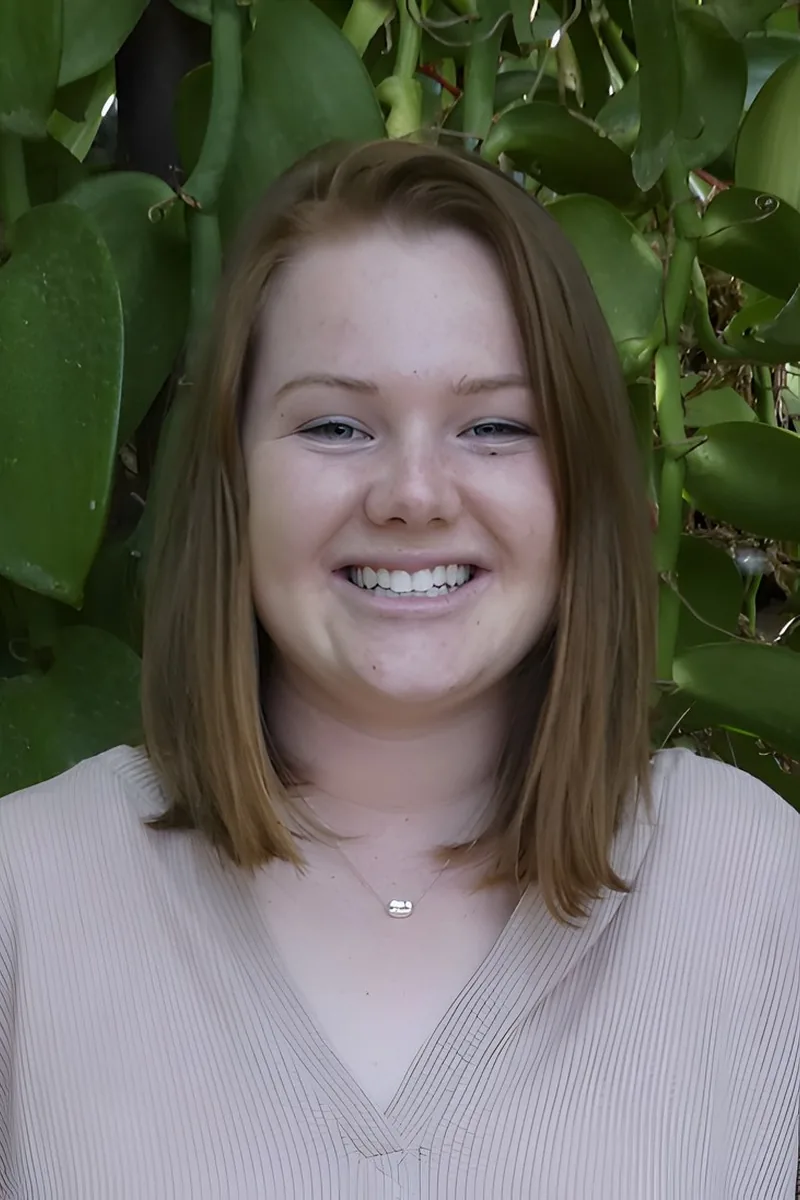
A compelling college essay doesn't summarize a résumé — it reveals how a student thinks. Mackenzie, currently a junior at Northwestern, brings firsthand knowledge of what selective admissions readers respond to, and she's especially skilled at helping students find the specific, unexpected details in their own experiences that transform a generic personal statement into something memorable.
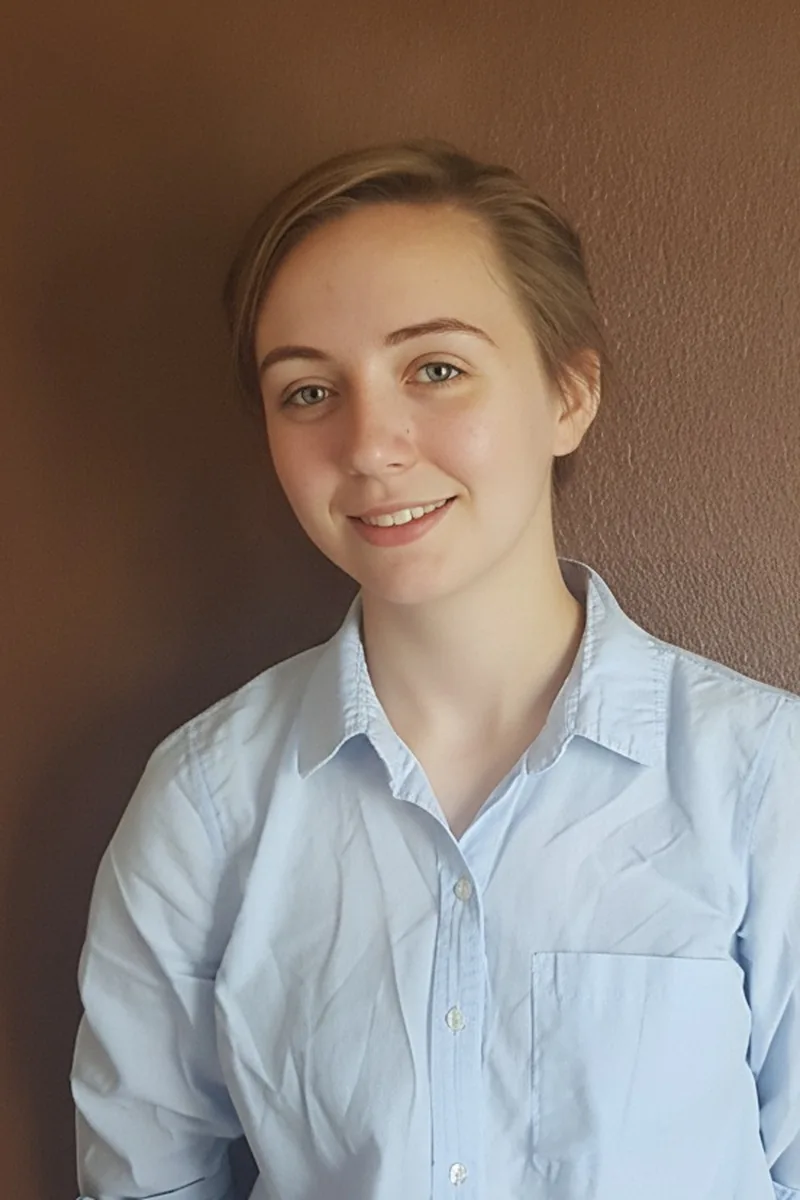
Writing a college essay that sounds like you — not like every other applicant who volunteered abroad or overcame adversity — requires ruthless specificity. Meagen, currently a student at Carleton College, knows what admissions readers respond to because she recently went through the process herself. She walks students from brainstorming through final draft, pushing them to find the one small, concrete story that reveals something a transcript can't.
Writing a compelling college essay is less about listing achievements and more about revealing how you actually think. Rishi went through this process recently as a Rice University admit and student athlete, so he remembers what worked — finding a specific angle, cutting the generic filler, and letting personality drive the narrative. He's especially useful for students trying to balance an academic identity with extracurricular stories.
At Brown, Carter co-created an entire course from scratch — writing a syllabus, curating readings, and presenting the proposal to an academic dean for approval. That experience taught him how to build a compelling argument for an audience that's evaluating thousands of pitches, which is exactly what a college admissions essay demands. He walks students through brainstorming, structure, and revision until the essay sounds unmistakably like them.
A strong college essay doesn't summarize a résumé — it reveals how a student actually thinks. As someone heading to UT Law this fall, Paul recently navigated the personal statement process himself and knows how to dig past generic topics to find the specific story or perspective that makes an admissions reader pause. He walks students through brainstorming, drafting, and ruthless editing until every sentence earns its place.
The college essay isn't about listing accomplishments — it's about revealing how a student thinks. Lisanne earned her BA from Brown and her PhD from Harvard, so she knows firsthand what admissions readers respond to: a clear voice, a specific story, and an argument for why you belong. She walks students through brainstorming, drafting, and refining until the essay sounds unmistakably like them.
Every admissions officer reads thousands of essays that open with "I've always been passionate about..." — John's job is making sure a student's essay doesn't sound like that. With a fine arts background in English and drama, he approaches the college essay as a craft problem: finding the one specific story that reveals character, then shaping its structure, voice, and pacing until it reads like something only that student could have written. Rated 4.9 by students.
A strong college essay isn't about listing accomplishments — it's about revealing how you think. Katelyn's psychology training sharpens her ability to identify what makes a student's perspective genuinely distinctive, and she walks through the drafting process from brainstorming a core narrative thread to tightening the final version for voice and specificity.
Having navigated doctoral admissions in political science, Asha knows what selection committees actually look for: a genuine voice, a coherent narrative arc, and specificity that no other applicant could replicate. She walks students through brainstorming, structural drafts, and final polish, pushing them to replace vague claims about passion with concrete moments that land.
Having read thousands of business school applications and written his own successful Harvard MBA essay, Bill knows what admissions committees look for: a clear narrative arc and specific details that reveal character. He teaches students to identify the one story only they can tell, then shape it into a compelling, polished draft.
A strong college essay isn't about listing accomplishments — it's about finding one specific story that reveals how a student thinks. While Manpinder's primary expertise is in the sciences, her own experience navigating graduate admissions essays and crafting research narratives gives her a practical eye for structure, clarity, and the kind of authentic voice that admissions readers remember.
The college essay is really a linguistics problem: how do you make a reader feel something specific using only a few hundred words? Amy's PhD in Spanish Linguistics sharpened her ear for voice, tone, and narrative structure, and she applies that precision to brainstorming, drafting, and revising personal statements that sound authentically like the student writing them.
A strong college essay doesn't summarize a résumé — it reveals how a student thinks. Jessalyn earned Departmental Honors and a Discovery Scholar's award for independent research at USC, so she knows firsthand what admissions readers look for: a clear voice, a specific narrative arc, and the ability to reflect honestly on experience. She walks students through brainstorming, drafting, and revising until every sentence earns its place.
Applying to college is essentially a storytelling problem — admissions officers read thousands of essays, and the ones that land have a specific, honest angle rather than a laundry list of accomplishments. Anna went through the process herself for both undergraduate and graduate programs (including a competitive dual-degree program at UT), so she knows how to shape a personal narrative that stands out. She walks students through brainstorming, drafting, and ruthless revision until every sentence earns its place.
The personal statement needs to do something most high schoolers haven't practiced: turn lived experience into a compelling narrative with stakes. Jordan went through the medical school admissions process himself and knows how to shape an essay around a single, specific moment rather than a laundry list of accomplishments. He's especially strong at helping students find the story they didn't realize they had.
Having navigated admissions for both a U.S. bachelor's program and a competitive graduate program in Barcelona, Bridget knows firsthand how to craft a personal statement that feels authentic and specific. She walks students through brainstorming, drafting, and revising so the final essay sounds like them — not like a template.
The hardest part of a college essay isn't the writing — it's figuring out which story to tell and why it matters to a specific school. Lillian, a recent Lewis and Clark graduate, walks students through brainstorming, drafting, and sharpening their voice so the final essay reads like them at their most compelling. Her 1450 SAT score also means she understands the broader admissions landscape.
Every admissions officer reads thousands of essays that say the same thing the same way — Natalie's job is to make sure a student's doesn't. As a Cornell English graduate and experienced writing tutor, she tackles both the structural side (narrative arc, specificity, word economy) and the harder question of what makes a particular student's story worth telling. Her 5.0 rating speaks to how well that process works.
Jackson earned a full-ride undergraduate scholarship and a graduate fellowship at Stanford, which means he's been on the winning side of competitive application essays more than once. He teaches students to identify a single compelling narrative thread and structure every paragraph around it, turning vague drafts into essays that admissions readers remember.
Having reviewed and revised dozens of college application essays, Howard knows what admissions readers at competitive schools actually look for — a specific narrative voice, not a résumé in paragraph form. He walks students through brainstorming, structural choices, and the painful but necessary cutting of material that doesn't serve the central story. His 5.0 rating speaks to how well that process works.
A strong college essay doesn't summarize a résumé — it reveals how a student thinks. Leah has guided students through every stage of the application essay process, from brainstorming a distinctive angle to tightening the final draft so every sentence earns its place. Her Ph.D. work in American Studies at UT Austin keeps her immersed in the kind of narrative and analytical writing that admissions readers value.
Between studying English literature at Hamilton and pursuing a master's in Education at UT Austin with a 7-12 English certification, Kathleen has spent years thinking about what makes student writing authentic — a skill that translates directly to the college essay process. She's especially sharp at the brainstorming stage, pulling out the unexpected personal detail that most applicants overlook in favor of safe, predictable topics. Rated 5.0 by students.
The hardest part of a college essay isn't the writing — it's figuring out which story to tell and why it matters to a specific school. China's own path from a political science degree to a year studying Mandarin in Taiwan to a master's program at UT Austin gave her a narrative arc she had to learn to articulate, and she walks students through that same process of finding and shaping their unique angle.
An avid writer with a physics background, Christina brings an unusual perspective to college essays — she knows how to take a specific, concrete experience and build it into a narrative with real structure. She treats essay drafting like problem-solving: define what the prompt actually asks, identify the one story only you can tell, then cut everything that doesn't serve it.
A college essay that tries to sound impressive usually sounds like every other application in the pile. Kristina tackles the brainstorming phase first, pulling out the specific stories and details that admissions readers actually remember, then shapes drafts around a clear narrative arc. Her language arts and writing expertise keeps the voice authentic while making sure the structure does its job.
A pre-med biology major in UT Austin's Health Science Scholars Honors program, Harsh recently navigated the same high-stakes admissions writing his students are facing — and he knows that the essay about the quiet moment in a lab or a shift in perspective lands harder than a résumé in paragraph form. He's especially effective with science-minded applicants who struggle to move from clinical, report-style writing into the kind of specific, personal storytelling that admissions officers actually remember.
College application essays live or die on specificity — admissions readers can spot a generic "overcoming adversity" narrative instantly. Jerry, currently finishing his CS degree at UT Austin, went through the process recently enough to know what resonates, and he pushes students to find the one concrete detail or story that makes their essay unmistakably theirs.
Alicia earned admission to both MIT and UT Austin's graduate program, so she knows firsthand what admissions committees respond to in a personal statement. She treats each essay as a design problem — identifying the core idea, structuring the argument, and refining the voice until every sentence earns its place.
College admissions essays live or die on specificity — a vague paragraph about "overcoming challenges" won't stand out in a stack of thousands. Gabriel recently went through the application process himself and knows how to help a student find the one concrete story that reveals something genuine about who they are. He's particularly good at pushing drafts past the safe, generic first version into something memorable.
A strong college essay doesn't summarize a résumé — it reveals how a student thinks. Tim approaches the personal statement as a writing and revision problem, walking through brainstorming, structural choices, and voice refinement until the essay sounds unmistakably like the person writing it. His own love of writing and reading gives him a sharp editorial eye for what admissions readers actually respond to.
Getting into a competitive engineering program taught Whitney what admissions committees actually look for — specificity, self-awareness, and a narrative arc that connects experiences to goals. She walks students through brainstorming, drafting, and revision with an eye toward making each essay sound unmistakably like the person writing it. Her own path from valedictorian of a 600-student class to Texas A&M gives her firsthand insight into what makes an application stand out.
A rhetoric degree trains you to understand how audiences think — and that's exactly what college admissions officers are. Duy teaches students to identify the one story only they can tell, then structure it with a clear arc that makes a reader care by the second sentence. His approach turns vague brainstorming into polished personal statements that sound authentic, not formulaic.
As a UT Austin sophomore actively navigating college life, Anu remembers exactly what admissions readers responded to — and what fell flat — in her own application essays. She digs into brainstorming and revision with students, pushing them past generic "overcoming adversity" drafts toward specific, voice-driven narratives that actually reveal who they are.
Having studied English at the University of Colorado — including an Honors project on James Joyce — and interned on Capitol Hill with a U.S. Senator, Steve knows how to craft a narrative that's both personal and persuasive. He tackles college essays by pulling out the specific details and voice that admissions readers remember, then tightening structure and language until every sentence earns its place.
Engineering students rarely get credit for writing skill, but Jake's technical background actually gives him a sharp eye for structure — how to build an essay that makes an admissions reader care within the first two sentences. He walks students through brainstorming, drafting, and revising so the final product sounds unmistakably like them, not like a template.
A strong college essay isn't about listing accomplishments — it's about revealing how you think. Rita, who writes fluently in both English and Mandarin, knows how to shape a personal narrative that sounds authentic and specific, then tighten it until every sentence earns its place.
Going through the college application process as a computational engineering major at UT Austin, Atharva learned how to translate technical interests into compelling personal narratives — a skill he now brings to essay brainstorming and drafting sessions. He walks students through identifying a specific moment or theme that admissions readers will remember, then structures revisions around clarity and authentic voice.
College admissions essays aren't academic papers — they reward specificity, honesty, and a voice that sounds like an actual person rather than a thesaurus. Ehigbor digs into brainstorming sessions to find the one story or detail that reveals something genuine, then shapes drafts until every sentence earns its place. She's an avid writer herself, which shows in how precisely she can pinpoint where a draft loses momentum or where a stronger verb changes the whole tone.
Having navigated the competitive admissions process into UT Austin's Cockrell School of Engineering, Ria knows firsthand what makes a personal statement land with readers. She walks students through brainstorming, structuring a narrative arc, and cutting the filler that dilutes a strong essay's voice.
Having reviewed post-undergraduate applications at the UT-Austin Writing Center, Kassidi knows what makes a college essay land — a specific, honest voice and a structure that doesn't bury the point. She treats each draft as a conversation, pulling out the story a student actually wants to tell and shaping it into something admissions readers remember. Rated 5.0 by students.
Testimonials
Because the right College Essays tutor makes all the difference.
Average Session Rating – Based on 3.4M Learner Ratings
Nearby College Essays Tutors
Other Austin Tutors
Related English Tutors in Austin
Frequently Asked Questions
College essay tutoring focuses on helping you craft compelling narratives that showcase your unique voice and experiences to admissions committees. Tutors guide you through the entire writing process—from brainstorming and thesis development to structuring your essay, refining your argument, and polishing your prose. They also help you navigate different essay prompts (personal statements, "Why us?" essays, supplemental prompts) and ensure your writing demonstrates both strong mechanics and authentic voice.
Your first session is about getting to know you and understanding your goals. A tutor will discuss which colleges you're applying to, review any essay prompts you're working with, and assess your current writing level and concerns. You might brainstorm essay topics, discuss your background and experiences, or review a draft if you have one. This foundation helps your tutor create a personalized plan tailored to your needs and timeline.
Writer's block is common when facing high-stakes writing, and tutors are skilled at breaking through it. They use brainstorming techniques, ask probing questions about your experiences and values, and help you identify compelling stories worth telling. Rather than waiting for inspiration, a tutor helps you generate ideas, organize your thoughts, and get words on the page—then refine them through revision, which is often easier than starting from scratch.
Personalized 1-on-1 tutoring provides detailed, ongoing feedback tailored specifically to your writing and goals. Unlike classroom settings, a tutor can spend focused time on your essay, explaining *why* certain changes strengthen your argument or voice, and working with you through multiple revisions. You get real-time dialogue about your ideas, structure, and style—not just marked-up comments—which helps you develop as a writer, not just fix one essay.
Absolutely. Many students struggle to balance "sounding smart" with sounding like themselves, but admissions officers want to hear your genuine voice. Tutors help you find that balance by encouraging you to write naturally about what matters to you, then refining your language and structure without losing authenticity. Through revision and feedback, you'll learn to trust your voice while strengthening clarity, persuasiveness, and impact.
This depends on your timeline and where you're starting. If you're beginning in summer with several essays to write, consistent sessions over a few months works well. If you're closer to deadlines, more frequent sessions help you move quickly. Most students benefit from 2-4 sessions per essay, spacing them out to allow time for writing and revision between meetings. Your tutor can recommend a schedule based on your goals and application deadlines.
Yes. Varsity Tutors connects you with tutors experienced in helping students navigate multiple applications and varying prompts. Whether you're working on a personal statement, "Why us?" essays, or supplemental prompts for different schools, a tutor can help you adapt your writing approach for each one while maintaining consistency in your voice and quality. They'll also help you identify which experiences and stories work best for different prompts.
Austin's competitive academic environment means many students are applying to selective colleges. Personalized tutoring gives you an edge by providing expert guidance on crafting essays that stand out—something difficult to get in large classroom settings. With Austin's 14.9:1 student-teacher ratio across 24 school districts, individual attention from a dedicated tutor can make a meaningful difference in your application and college outcomes.
Let’s find your perfect tutor
Answer a few quick questions. We’ll recommend the right plan and match you with a top 5% tutor.