Award-Winning College Essays Tutors
serving Houston, TX
College Essays
Tutors in Houston
Private 1-on-1 tutoring, weekly live classes for academic support, test prep & enrichment, practice tests and diagnostics, and more to elevate grades and test scores.
Based on 3.4M Learner Ratings
UniversitiesSchools & Universities
DeliveredHours Delivered
ProficiencyGrowth in Proficiency
Who needs tutoring?
No obligation. Takes ~1 minute.
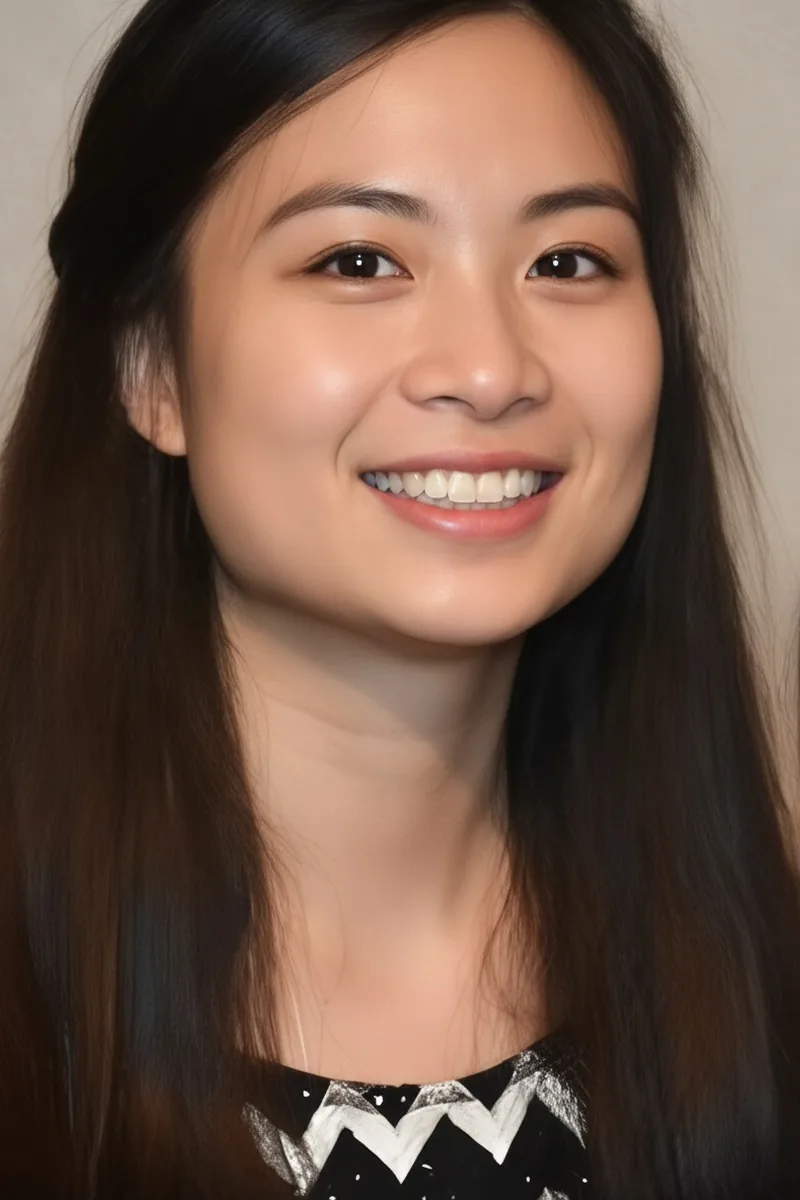
Having navigated medical school applications at Baylor College of Medicine, Michelle understands how to shape a personal narrative that admissions readers actually remember. She teaches students to identify the one specific story that reveals something a transcript can't, then structure it with a clear arc. Her feedback targets both the big-picture argument and the sentence-level choices that separate a good essay from a compelling one.
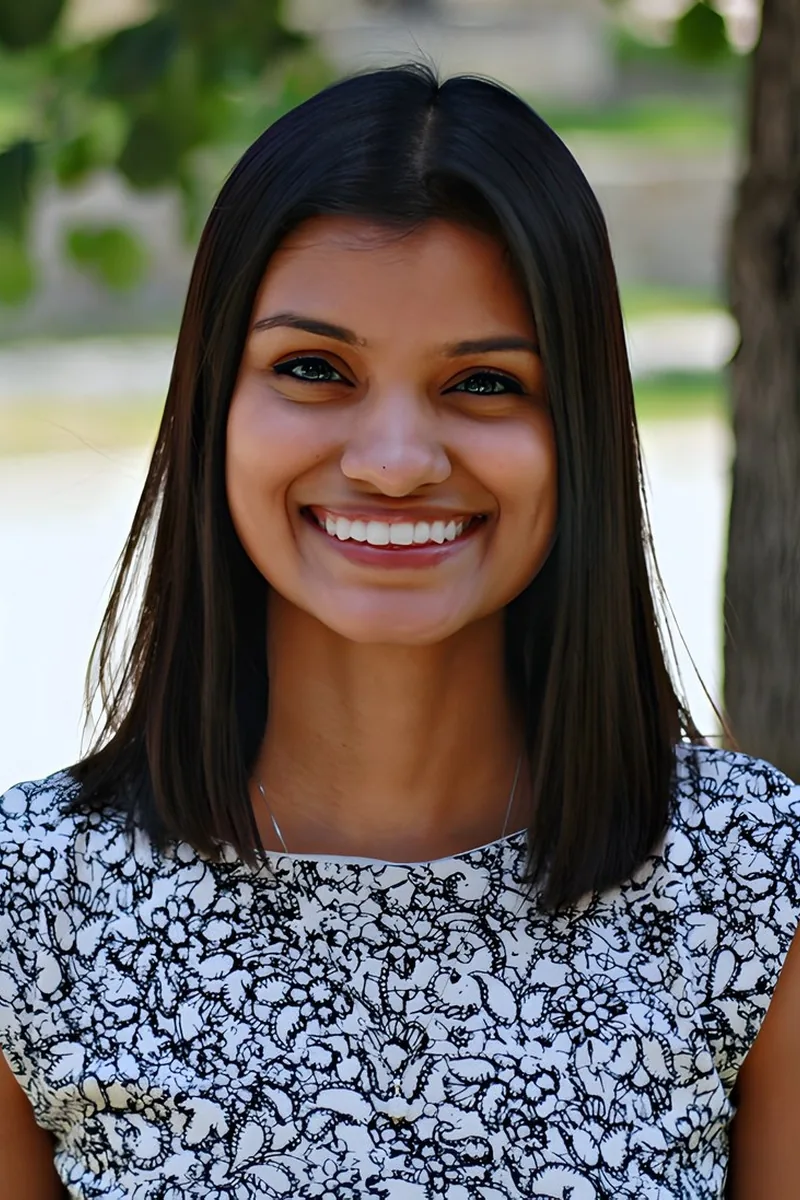
Having served on admissions interview committees at both Rice University and Baylor College of Medicine, Sugi reads application essays from the evaluator's side of the table. She knows what makes a personal statement land — specificity, authentic voice, and a narrative arc that answers the prompt without sounding rehearsed. That insider perspective is hard to replicate.
Having navigated the admissions process at both Washington University in St. Louis and Southern Methodist University's graduate program, Elena understands what makes a personal statement memorable versus forgettable. She digs into a student's specific experiences to find the narrative thread that admissions officers won't skim past, then shapes drafts until every sentence earns its place.
As a current Rice University student, Alexander went through the college essay process recently enough to remember what actually resonated with admissions readers. He tackles the brainstorming stage first — identifying a specific story or angle that sounds like the student, not like a template — then structures drafts around that core idea. His editing eye catches both structural issues and the small voice details that make an essay memorable.
A strong college essay doesn't summarize a résumé — it reveals how a student thinks. Jessy is a Rice University sophomore who recently navigated the admissions process herself and knows what makes a personal statement land with readers. She digs into brainstorming, narrative structure, and voice to turn rough drafts into essays that feel genuinely personal.
A computer science major at Rice who scored a 1540 on the SAT, William knows how to perform under pressure with precise language — but college essays require a different gear entirely, trading optimization for vulnerability. He's recently been through the admissions process himself and brings that fresh memory to brainstorming sessions, helping applicants identify the one specific thread worth pulling on instead of defaulting to a résumé in paragraph form.
As a Rice University student who navigated the college application process successfully, Sajel understands what admissions readers are looking for: a genuine voice, a specific story, and clear self-awareness. She digs into brainstorming and revision with students, pushing past generic topic ideas to find the personal details that make an essay memorable rather than interchangeable with thousands of others.
The hardest part of a college essay isn't the writing — it's figuring out which story to tell and why it matters to you specifically. Aadith went through this process recently as a current Rice undergraduate, and he knows how to help a student move from a vague topic to a draft with a clear, honest voice. He's particularly good at pushing writers past generic "lesson learned" conclusions toward the kind of specific, reflective detail that admissions readers remember.
A strong college essay isn't about listing accomplishments — it's about revealing how a student thinks. Adam graduated from Rice and is heading to a master's program at University College London, so he's been through the admissions process on both sides of the Atlantic. He digs into brainstorming, voice, and narrative arc to help applicants turn a rough idea into an essay that admissions officers remember.
Rice University admissions is notoriously selective, and Vinson went through the process recently enough to remember what works — specificity over platitudes, a genuine voice over a thesaurus. He walks students through brainstorming, drafting, and revising personal statements that actually sound like the person writing them.
College admissions officers read thousands of essays that say the same things in the same ways, so the real challenge isn't writing well — it's finding the specific story only you can tell. Liz spends most of the early sessions on brainstorming and narrowing, digging into moments and details that reveal character before a single draft gets written. Her psychology training gives her a sharp eye for what makes a personal narrative genuinely compelling.
A college essay isn't a résumé in paragraph form — admissions readers want a specific voice and a story only you could tell. Molly's editorial background kicks in during the drafting and revision stages, where she pinpoints the moments in a student's narrative that feel generic and pushes toward the concrete details that make an essay memorable.
Applying to college with a double major in Economics and Biochemistry at Rice, Jennifer knows firsthand how to craft essays that weave together seemingly unrelated interests into a compelling narrative. She breaks down the personal statement into a clear structure — hook, stakes, reflection — so students stop staring at a blank page and start writing with direction.
A compelling college essay doesn't summarize a résumé — it reveals how a student thinks. Emmanuel went through the MD/PhD admissions process himself, writing personal statements that had to convey both scientific rigor and genuine voice for some of the most competitive programs in the country. He walks students through brainstorming, drafting, and revision with an eye for what admissions committees actually remember.
A strong college essay does one specific thing: it reveals how a student thinks, not just what they've accomplished. Emily approaches the drafting process by pulling out the narrative thread that admissions readers remember — identifying which experiences actually show character and which are just résumé padding. Her own science-and-writing background gives her a sharp eye for clarity and structure.
As a biochemistry major at Rice who also loves writing and reading, Raj brings an unusual perspective to college essays — he knows how to translate a STEM-heavy application into a compelling personal narrative. He digs into brainstorming and structural revision, pushing students to find the one story that admissions officers haven't read a hundred times already.
A strong college essay doesn't summarize a résumé — it reveals how a student thinks. Kendall's background in Women, Gender, and Sexuality studies trained her to construct personal, argument-driven narratives, and she applies that same skill to brainstorming, drafting, and revising application essays. She's especially effective at pulling a compelling angle out of experiences students initially dismiss as "not interesting enough."
Six years leading communications at Novartis taught Andria something most essay tutors haven't learned: how to distill a complex personal narrative into a single compelling argument under tight constraints. She applies that same editorial instinct to college essays, pushing students to find the one specific story that admissions readers will remember rather than cramming in every accomplishment.
Having applied to 16 universities herself, Giovanna knows firsthand how to shape a personal statement that sounds like a real person and not a résumé in paragraph form. She walks students through brainstorming, drafting, and ruthless revision — zeroing in on the specific details and narrative arc that admissions readers remember.
Law school applications forced Kenneth to distill his entire identity into a few hundred persuasive words — twice, for both his political science career and his J.D. He knows how to find the one story that makes an admissions reader stop skimming, and he teaches students to cut the filler that buries their strongest material. Rated 5.0 by students.
A strong college essay needs a genuine voice, not a résumé rewritten in paragraph form. Amanda's background in language education and curriculum design gives her a sharp eye for structure and narrative arc, and she coaches students to find the specific story that only they can tell. She's especially skilled at helping multilingual or multicultural students turn their experiences into compelling material.
Engineering applicants face a unique challenge: translating technical passions into compelling personal narratives. Theresa, a biomedical engineering senior at Rice who wrote her way into a top program, knows how to shape essays around specific experiences — like global health design projects — so admissions officers see the person behind the GPA. She breaks down brainstorming, structure, and revision into manageable steps that keep each draft moving forward.
A strong college essay doesn't summarize a résumé — it reveals how a student thinks. Natalie went through the admissions process herself and earned a full scholarship to Rice University, so she knows firsthand what a compelling personal narrative looks like. She walks students through brainstorming, drafting, and refining their voice until the essay sounds unmistakably like them.
The hardest part of a college essay isn't the writing — it's deciding which story to tell and why it matters to an admissions reader. Mingee approaches drafts as a fellow writer, pushing students to find the specific detail or turning point that makes their essay unmistakably theirs. Her background in both science and the humanities gives her a sharp editorial eye for structure, voice, and clarity.
The hardest part of a college essay isn't writing well — it's figuring out which story to tell and how to make it unmistakably yours. Malcolm, a biochemistry major at Rice, brings a scientist's eye for structure alongside a genuine love of writing to help applicants move from a blank page to a polished personal statement. He's particularly sharp at identifying the specific details and turning points that admissions readers remember.
The college essay isn't a résumé in paragraph form — admissions readers want a voice, a specific moment, and genuine reflection. As a Rice University student who recently navigated that process, Caio knows what makes an essay land and what makes it blend into a pile of thousands. He digs into brainstorming and revision until the draft sounds unmistakably like the person writing it.
A strong college essay doesn't summarize a résumé — it reveals how a student thinks. Erik has sat on both sides of the admissions process, having gone through competitive admissions at Georgetown and the University of Chicago Law School, and he knows what makes a reader pause on page 200 of a stack. He digs into brainstorming, structure, and voice until each draft sounds unmistakably like the student who wrote it.
Every admissions officer reads thousands of essays that open with a dramatic anecdote and end with a lesson learned — Briana's approach is to dig into what actually makes a student's story specific and unreplicable before a single word gets drafted. She walks through brainstorming, structural choices, and revision with an editor's eye sharpened by years of analytical writing in her policy graduate program.
Getting into a school like Brown required Chelsea to write essays that were specific, honest, and structurally sharp — and she applies that same standard when working on college application writing. She digs into brainstorming and revision, pushing students to find the one concrete story or detail that makes their voice unmistakable on the page.
A master's degree in Communications from the American University of Paris taught Sarah how to shape a message for an audience that thinks differently than you do — which is exactly what a college essay demands, since admissions readers skim thousands of drafts looking for one that stops them cold. Her art history training adds a surprisingly useful lens: she teaches applicants to build an essay the way a curator builds an exhibition, organizing details around a single controlling idea rather than cataloging every accomplishment.
A bioengineering major who also loves writing and reading, Casey brings an unusual perspective to personal statements — she knows how to translate a STEM-heavy background into a compelling narrative that admissions committees remember. She tackles everything from brainstorming the core theme to tightening the final draft so every sentence earns its place.
An avid writer outside the classroom, Jonathan understands that a strong college essay isn't about listing achievements — it's about revealing how you think. He teaches students to find a specific moment or idea worth exploring and then shape it into a narrative with a clear voice and genuine stakes.
A college essay isn't a five-paragraph theme — it's a personal argument for why you belong at a specific school, told in your own voice. Jocelyn has edited and shaped essays for students targeting a wide range of institutions, and she's especially good at pulling a compelling narrative thread out of a rough brainstorm. Her process moves from messy ideas to polished drafts without flattening what makes each student's story distinct.
Computer science teaches you to debug — to find the one broken line that's keeping the whole program from running — and Xavier applies that same diagnostic instinct to college essay drafts, pinpointing the sentence or paragraph where an applicant's real voice gets buried under filler. As someone currently navigating the undergraduate experience at Vanderbilt, he has recent, firsthand memory of what made his own application essays click and what deserved to be scrapped. Rated 5.0 by students.
Pursuing a PhD in pure mathematics might seem unrelated to college essays, but Jacob's background as an avid reader and writer gives him a sharp eye for narrative structure and voice. He walks students through the process of finding an authentic angle and turning a rough draft into something that sounds unmistakably like them.
A strong college essay doesn't summarize a résumé — it reveals how a student thinks. Logan's experience as a freelance writer means he knows how to find the one detail or moment that makes a draft come alive, then shape it into a narrative that admissions readers actually remember. He walks through brainstorming, structure, and revision as distinct stages so nothing gets rushed.
A strong college essay needs a specific, honest story — not a résumé rewrite or a string of adjectives. Irfan, an avid reader and writer himself, digs into brainstorming with students to find the one moment or detail that reveals something admissions officers can't get from transcripts, then shapes the draft until every sentence earns its place.
Roni went through the college application process as an engineering student targeting selective schools like Brown, so she understands what admissions readers look for — a genuine voice and a specific story, not a résumé in paragraph form. She walks students through brainstorming, drafting, and revision with an emphasis on finding the one detail or moment that makes an essay unmistakably theirs.
A strong college essay turns a specific personal moment into something an admissions reader remembers — and that transformation is harder than it sounds. Wendel digs into the drafting process by pushing students to find the one story only they can tell, then sharpens structure, voice, and pacing until the essay reads as genuinely theirs rather than generically polished.
Getting into medical school meant Enstin had to write personal statements that turned real experiences into compelling narratives — and that's exactly the skill a strong college essay demands. As a Rice University graduate with wide-ranging interests in psychology, biology, and the humanities, he knows how to identify the specific details that make an applicant's voice stand out from thousands of others.
Testimonials
Because the right College Essays tutor makes all the difference.
Average Session Rating – Based on 3.4M Learner Ratings
Nearby College Essays Tutors
Other Houston Tutors
Related English Tutors in Houston
Frequently Asked Questions
College essay tutoring focuses on helping students craft compelling personal statements and supplemental essays that stand out to admissions committees. Tutors guide students through the entire writing process—from brainstorming and thesis development to structuring arguments, refining voice, and polishing final drafts. The goal is to help each student tell their authentic story while meeting college application requirements.
Varsity Tutors connects you with expert tutors who work with you one-on-one to understand your background, goals, and essay prompts. Your tutor will help you brainstorm ideas, develop a strong thesis, organize your thoughts, and revise drafts with personalized feedback. Most students benefit from multiple sessions over several weeks to refine their essays before submission deadlines.
Many Houston students struggle with writer's block, unclear organization, or difficulty finding their authentic voice on the page. Others worry about whether their essay topic is compelling enough or struggle to balance showing rather than telling their story. A tutor can help you overcome these obstacles by providing targeted feedback, suggesting revision strategies, and helping you develop confidence in your writing.
Rather than generic writing feedback, personalized 1-on-1 instruction allows tutors to understand your specific strengths and areas for growth. Tutors can identify patterns in your writing, suggest targeted revisions, and explain the reasoning behind their suggestions so you learn to self-edit more effectively. This individualized approach helps you develop stronger writing skills that extend beyond your college essays.
Ideally, students benefit from starting essay tutoring in the summer before senior year or early fall, giving plenty of time for brainstorming, drafting, and revision before November and December deadlines. However, tutors can also help students who are working closer to application deadlines—the key is starting as soon as you're ready to begin the writing process. Varsity Tutors can connect you with a tutor at whatever stage works best for your timeline.
Varsity Tutors connects you with tutors who have strong backgrounds in writing, English, or humanities—many with experience helping students through the college application process. Expert tutors understand essay structure, argumentation, and the qualities that make college essays memorable. They're skilled at providing constructive feedback and helping students develop their unique voice and perspective.
Absolutely. Many colleges require personal statements plus several supplemental essays with different prompts, and tutors can help you navigate all of them. Your tutor will help you develop a cohesive narrative across your essays while tailoring each one to its specific prompt and college. This ensures your applications feel authentic and strategically positioned for each school.
Bring any college essay prompts you're working on, a list of schools you're applying to, and any drafts or brainstorming notes you've already created. If you haven't started yet, just come ready to discuss your background, interests, and what you want colleges to know about you. Your tutor will use this first session to understand your goals and create a personalized plan for your essay work.
Let’s find your perfect tutor
Answer a few quick questions. We’ll recommend the right plan and match you with a top 5% tutor.