Award-Winning AP Chemistry Tutors
serving Las Vegas, NV
AP Chemistry
Tutors in Las Vegas
Private 1-on-1 tutoring, weekly live classes for academic support, test prep & enrichment, practice tests and diagnostics, and more to elevate grades and test scores.
Based on 3.4M Learner Ratings
UniversitiesSchools & Universities
DeliveredHours Delivered
ProficiencyGrowth in Proficiency
Who needs tutoring?
No obligation. Takes ~1 minute.
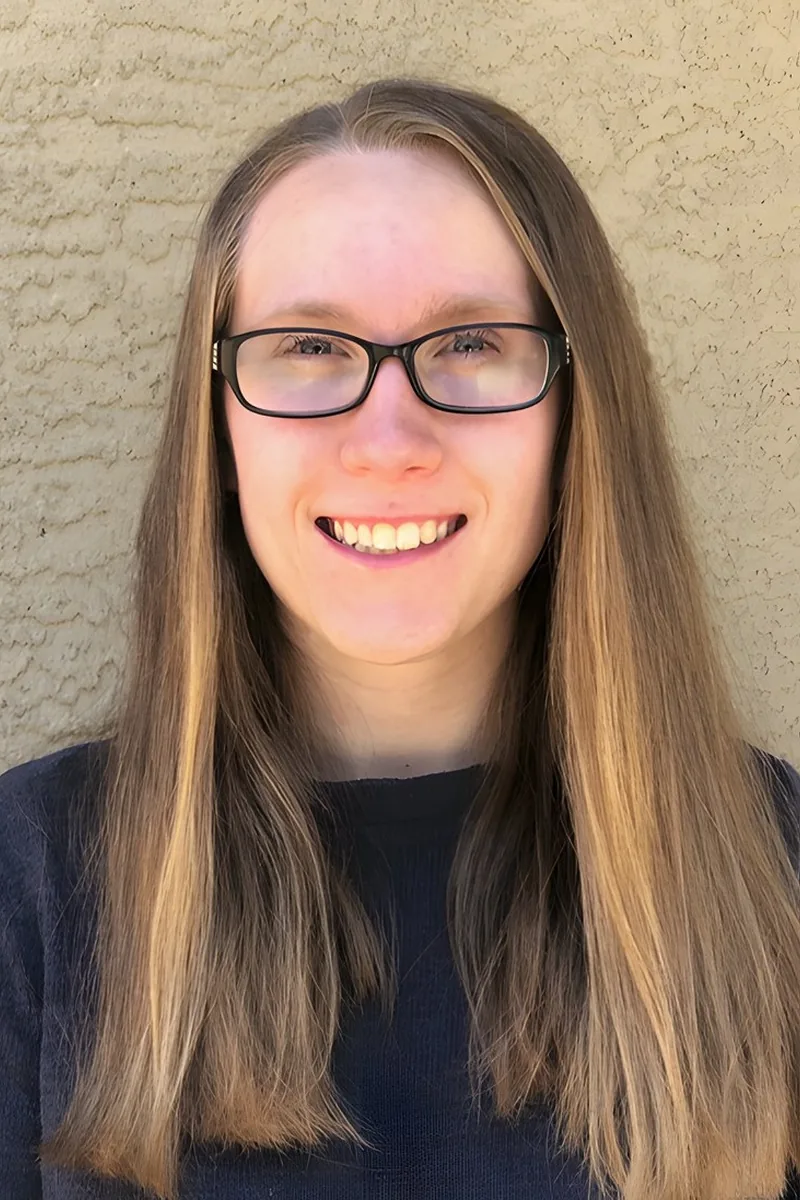
The jump from honors chemistry to AP Chemistry catches students off guard because suddenly they need to explain *why* — why equilibrium shifts, why certain reactions are spontaneous, why atomic structure dictates bonding behavior. Cassandra tackles these conceptual layers by tying each unit back to the underlying thermodynamic and kinetic principles, so students aren't just memorizing trends but understanding the logic that drives them. Her science degree and experience with analytical chemistry give her depth well beyond the AP curriculum.
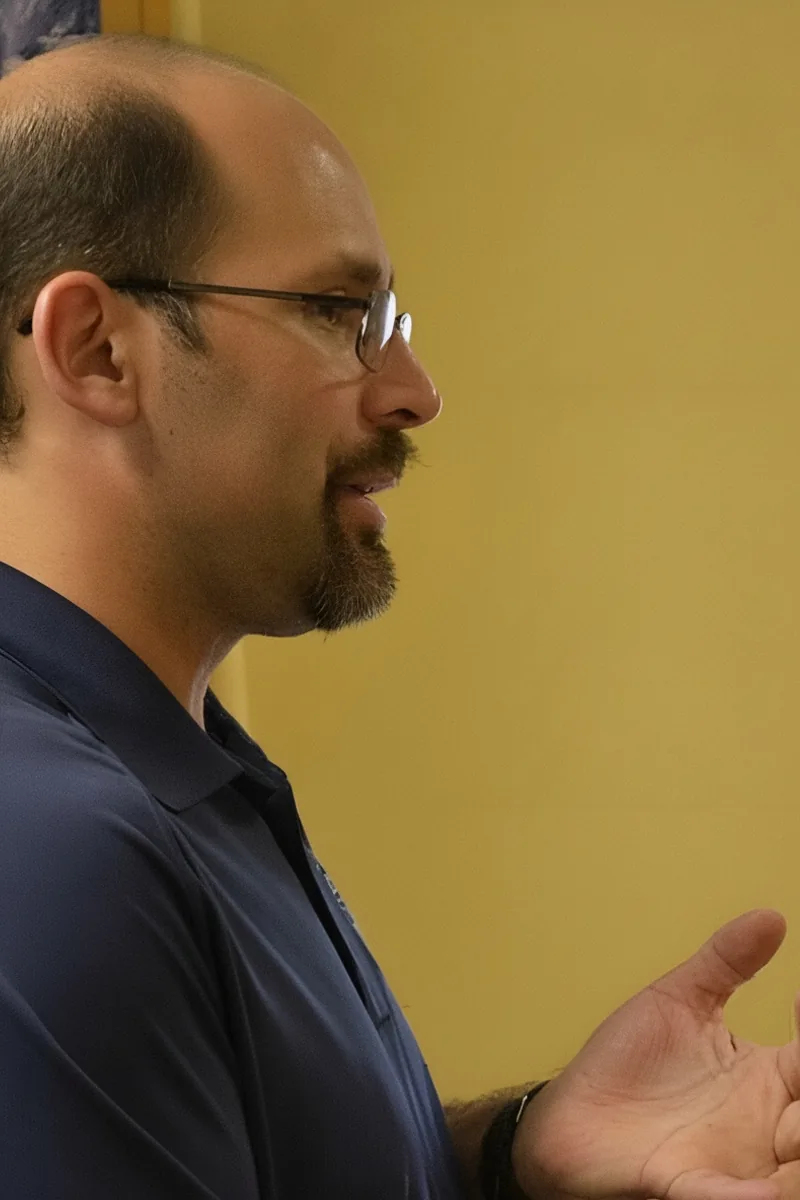
The AP Chemistry exam demands fluency with topics like electrochemistry, kinetics, and thermodynamic favorability — not just memorized formulas but the ability to explain why a reaction proceeds. Shawn earned his Master's in Chemistry, which means he can unpack the theory behind Le Chatelier shifts or galvanic cell potentials at whatever depth a student needs. His approach prioritizes the conceptual reasoning the free-response section rewards.
Running an immunology lab at Columbia University Medical Center means Matthew deals with chemical assays, buffer systems, and reaction protocols daily — the kind of hands-on chemistry that makes AP topics like acid-base equilibria and reaction energetics feel concrete rather than abstract. His physics degree also sharpens how he teaches the thermodynamics and kinetics portions of the exam, where understanding energy relationships mathematically is just as important as knowing the chemistry. A 35 ACT and 1540 SAT reflect the analytical precision he brings to exam preparation.
Eric earned his master's in inorganic chemistry and scored a 1500 on the SAT, so he knows both the content depth and the test-taking stamina that AP Chemistry demands. He digs into the trickiest parts of the exam — equilibrium calculations, electrochemistry, and thermodynamic reasoning — with the kind of precision that turns 3s into 5s. His 5.0 client rating speaks to how well that approach lands.
A mechanical engineering degree from WashU (Magna Cum Laude) and refinery work at ExxonMobil mean Caroline has applied thermodynamics, kinetics, and gas behavior in industrial settings where precision isn't optional — that real-world fluency translates directly to AP Chemistry's most calculation-heavy units. She teaches concepts like enthalpy changes and reaction spontaneity by connecting them to the energy systems she actually engineered, giving students a concrete anchor for abstract ideas. Rated 5.0 by students.
Thermodynamics, equilibrium, and electrochemistry each require a different style of problem-solving, and AP Chemistry crams all of them into one exam. Andrew's biochemistry degree and lab research give him deep fluency with these concepts at the molecular level, so he can unpack why Le Chatelier's principle works or how entropy drives spontaneity — not just which formula to plug numbers into.
Neuroscience at Yale meant David didn't just take chemistry — he needed it to make sense of membrane potentials, neurotransmitter synthesis, and receptor pharmacology, all of which rest on principles like electrochemistry and molecular interactions that show up directly on the AP Chemistry exam. That gives him a knack for explaining why a reaction proceeds spontaneously or how intermolecular forces dictate physical properties, because he learned those concepts as tools for solving real problems, not as isolated textbook chapters. Rated 5.0 by students.
Stoichiometry, equilibrium, and thermodynamics each require a different kind of problem-solving, and AP Chemistry expects fluency in all of them by May. Kendall approaches each unit by anchoring the math in the underlying chemical logic — why a reaction favors products, what a mole ratio actually represents — so students can reason through unfamiliar problems on the exam. She also dedicates time to the lab-based questions that many students overlook in their prep.
Cornell's Chemistry & Chemical Biology program meant Samantha spent years doing the kind of lab work and quantitative problem-solving that AP Chemistry's free-response section is designed to test — from designing experiments around reaction stoichiometry to interpreting spectroscopic data. She's a deeply visual teacher who uses molecular models and diagrams to make abstract ideas like orbital hybridization and intermolecular forces click, especially for students who struggle when the textbook stays purely symbolic. Rated 5.0 by students.
Cornell's engineering curriculum put Ravnoor through rigorous college-level chemistry, and his computer science training sharpened the algorithmic thinking that pays off when students need to systematically work through multi-step problems like limiting reagent calculations or electrochemical cell setups. He teaches AP Chemistry's quantitative sections by treating each problem like a debugging exercise — isolating variables, checking units at every step, and building toward answers methodically rather than jumping to formulas. Rated 5.0 by students.
Few AP Chemistry tutors have actually written and graded college chemistry exams for years. Jeremy, a Yale-trained Ph.D. who has taught General Chemistry at the college level many times, knows precisely how equilibrium, thermodynamics, and kinetics questions are designed to test conceptual understanding versus rote calculation. He breaks down free-response strategies and teaches students to connect the big ideas the exam rewards.
Pratik's strongest subject is chemistry, and it shows — he tutors it at both the high school and college level from his home base as a premed biology major at Cornell. He digs into the conceptual logic behind equilibrium, thermodynamics, and electrochemistry so that students can reason through unfamiliar free-response prompts instead of relying on memorized shortcuts.
Samantha's psychology studies at Princeton might seem unrelated to AP Chemistry, but her neuropsychology focus requires understanding the chemical processes underlying brain function — neurotransmitter synthesis, ion channel dynamics, and the thermodynamics of cellular signaling all draw on the same principles tested in AP Chem. She applies that molecular-level thinking to topics like atomic structure and reaction energetics, teaching students to reason through problems rather than memorize isolated facts. Rated 4.9 by students.
AP Chemistry's free-response questions demand more than knowing reactions — they require students to connect thermodynamic principles, equilibrium shifts, and kinetic data into coherent written arguments. Andrew's molecular biology background means he understands these concepts at the research level, and his 4.8 rating shows he communicates that understanding clearly.
Testimonials
Because the right AP Chemistry tutor makes all the difference.
Average Session Rating – Based on 3.4M Learner Ratings
Practice AP Chemistry
Free practice tests, flashcards, and AI tutoring for AP Chemistry
Other Las Vegas Tutors
Related Science Tutors in Las Vegas
Frequently Asked Questions
Score improvement depends on your starting point and commitment level, but students typically see gains of 1-2 points on the AP scale (out of 5) with consistent, focused preparation. The AP Chemistry exam is challenging—the national average score hovers around 2.5—so working with a tutor to master equilibrium, thermodynamics, and reaction mechanisms can make a meaningful difference. Your tutor will identify weak areas through practice tests and targeted review to maximize your score potential.
Students in Las Vegas and beyond often struggle most with equilibrium calculations, thermodynamics (especially entropy and free energy), and kinetics—topics that require both conceptual understanding and problem-solving skills. Acid-base chemistry and electrochemistry also trip up many students because they involve layered concepts and multi-step calculations. A tutor can break these topics into manageable pieces, use real-world examples, and provide plenty of practice to build confidence.
The AP Chemistry exam has two sections: a 90-minute multiple-choice section (60 questions) and a 105-minute free-response section (3 long questions and 4 short questions). Success requires both quick recall and deep problem-solving ability. Your tutor will help you develop time-management strategies, practice the specific question formats, and build the conceptual foundation you need to tackle unfamiliar problems on test day.
Most students benefit from taking 4-6 full-length practice tests spaced throughout their preparation, starting 2-3 months before the exam. This gives you enough data to identify weak areas without burning out. Between full tests, your tutor can assign targeted practice on specific topics and question types. The goal is to use practice tests diagnostically—reviewing every mistake carefully—rather than just taking them for a score.
Ideally, students begin tutoring early in the AP Chemistry course (September or October) to build a strong foundation and avoid cramming. However, if you're starting later—even in March or April—targeted tutoring can still help you focus on high-yield topics and test-taking strategies. The earlier you start, the more time you have to master difficult concepts like equilibrium and thermodynamics, but consistent effort in the final weeks can also yield real improvements.
Look for tutors with strong chemistry backgrounds—ideally a degree in chemistry or a related field, and experience teaching or tutoring AP-level content. They should be familiar with the current AP Chemistry curriculum, understand common student misconceptions, and have a track record of helping students improve their scores. Varsity Tutors connects you with expert tutors in Las Vegas who can demonstrate their expertise and teaching approach during an initial session.
Your first session is about building a roadmap. Your tutor will assess your current understanding, discuss your goals and timeline, and identify which topics need the most work. You might take a diagnostic quiz or review recent exams to pinpoint weak areas. From there, your tutor will create a personalized study plan that focuses on your priorities—whether that's mastering a specific unit or building test-taking confidence.
Test anxiety often stems from feeling unprepared or uncertain about question formats. A tutor builds confidence by helping you master the material, practice under timed conditions, and develop strategies for managing stress on exam day. Regular practice tests with your tutor simulate the real exam environment, so test day feels familiar rather than frightening. You'll also learn to recognize your strongest topics and leverage them when you encounter harder questions.
Let’s find your perfect tutor
Answer a few quick questions. We’ll recommend the right plan and match you with a top 5% tutor.