Award-Winning Anatomy Tutors
serving Columbus, GA
Anatomy
Tutors in Columbus
Private 1-on-1 tutoring, weekly live classes for academic support, test prep & enrichment, practice tests and diagnostics, and more to elevate grades and test scores.
Based on 3.4M Learner Ratings
UniversitiesSchools & Universities
DeliveredHours Delivered
ProficiencyGrowth in Proficiency
Who needs tutoring?
No obligation. Takes ~1 minute.
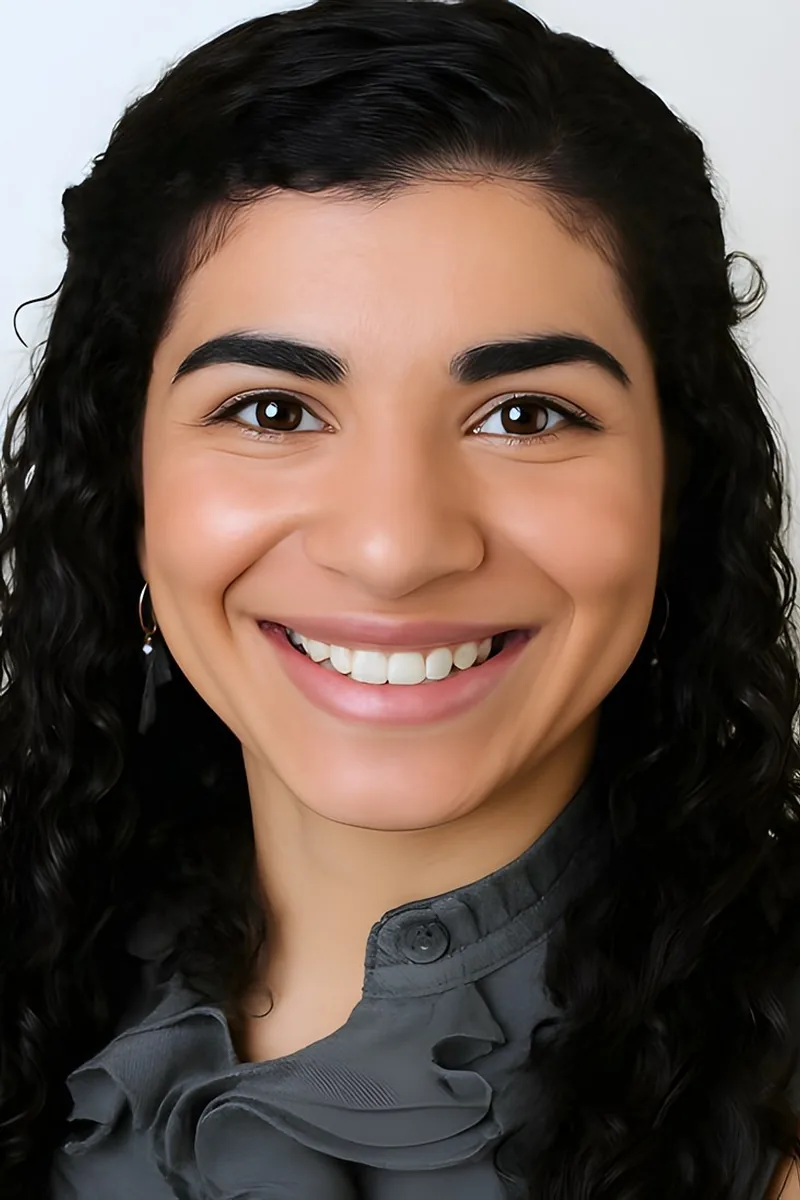
I am extremely passionate about academics and learning; the value of each was inculcated into me at a very young age. I tutor a variety of subjects largely because I have so many areas of interests and have been privileged enough to pursue knowledge in those areas. I even enjoy tucking away "useless facts"...in fact, those very tidbits got me past the Jeopardy! Online Test and into the Contestant Audition!
Prosthetics and orthotics — Michael's specialty at Georgia Tech — is applied anatomy: fitting a prosthetic limb requires precise knowledge of residual musculoskeletal structures, nerve pathways, and how soft tissue interfaces with bone. That clinical engineering perspective means he teaches anatomy by connecting each structure to its mechanical role in the body, which gives students a concrete reason to remember what they're learning.
Memorizing every bone, muscle, and nerve pathway in anatomy feels overwhelming until someone shows you the organizational logic underneath it all. Eugene's doctoral studies in biomedical science at Morehouse School of Medicine gave him a systematic way to learn anatomical structures — grouping them by region, function, and clinical relevance. He teaches students to build mental maps of the body rather than relying on brute-force memorization.
Learning anatomy means building a three-dimensional map of the body — knowing not just the name of a muscle or nerve, but where it sits relative to everything around it. Krystal's pre-med background and physiology expertise let her teach structures in functional context, connecting each bone, vessel, or organ to the role it plays in a living system.
Jenny's neurobiology and physiology degree means she learned anatomy the way medical professionals use it — not just labeling structures, but understanding how the brachial plexus innervates the upper limb or why the portal system routes blood through the liver before returning it to the heart. She connects each structure to its function so the material clicks instead of requiring brute-force memorization.
Between his science degree and current medical training, Samuel has learned human anatomy from multiple angles — first as textbook systems and labeled diagrams, then as living structures in clinical contexts. He teaches musculoskeletal, cardiovascular, and nervous system anatomy by building spatial understanding, not just memorizing origin-insertion charts.
Learning anatomy often feels like drinking from a firehose — hundreds of structures, origins, insertions, and pathways to keep straight. Brittany tackles this by teaching organizational strategies that group structures by function and region, turning overwhelming lists into logical systems that actually stick.
I am a graduate of Rice University in Houston, Texas where I received my Bachelor of Arts in Biochemistry and Cell Biology with a minor in Neuroscience. I then earned my MD from Baylor College of Medicine in Houston, Texas. I am now in residency and training to become a dermatologist . My tutoring experience includes being a neuroscience T.A. during undergrad, an anatomy tutor during medical school, and as a volunteer tutor for middle school-aged children through various organizations. While I tutor a broad range of subjects, I am most passionate about math and science. I understand that each student requires different strategies to learn and am prepared to provide a unique and adaptable approach to each student. In my spare time, I enjoy playing tennis or ping pong, watching anime and youtube, and playing with my dog.
I am a 3rd year bio major at GT with minors in biochemistry and computer science. My tutoring subjects are math, bio, and chem. I have tutored for a few years, and I have also TAed! My favorite subjects are general chemistry and molecular biology (: My personal belief is that anyone can enjoy a subject once they truly understand it.
I am a medical student and public health student who is very passionate about teaching! I have over 200 hours of tutoring experience, and am also an assistant professor who enjoys engaging with students and helping them achieve their full potential. I have experience teaching many many subjects such as English, literature, history, writing, psychology, anatomy, biology, as well as many test prep subjects. I am very passionate about tutoring and love to motivate my students and cater to their learning style in order to maximize their scores. I have worked with students in middle school and high school and have also provided university application guidance and have helped many students with their college applications and essays. I look forward to working with you and helping you get the grade you need to succeed!!
I am passionate about helping students. I understand other students needs and how to make insensible content finally make sense and click. I have been tutoring for over 2 years at a refugee tutoring center, helping refugees adapt to their lives socially and academically. I have tutored people of all ages, including elementary-school-aged, middle-school-aged, high-school-aged, and adults in all types of subjects. After every class, my students are excited to come back for more!
I am currently applying to medical schools and hope to become a pediatrician. My hobbies and interests include: singing, spending time with friends when I can, astronomy, working out, staying tuned to scientific discoveries and healthcare reform, catching up on shows like The Daily Show, Dexter, and Big Bang Theory, and listening to music.
I'm Sylvan. I am a nursing student, and a TA for anatomy and physiology.
I'm a pre-medical student at Emory University with a biology major and an anthropology minor. Before entering college, I tutored freshmen in high school through a peer leadership program, traveled to elementary schools as part of volunteer opportunities, and often coached family friends to help them prepare for standardized tests. The subjects I'm most passionate about include literature, Spanish, and sciences like biology. However, I also enjoy helping students prepare for standardized tests like the SAT or ACT. My teaching style is centered around the idea that learning is a process, and the key aspect to successful tutoring is persistence. Outside of academia, some of my hobbies include volunteering, exercising, and traveling to new places.
As a dedicated tutor with a Doctorate in Physical Therapy from Florida Gulf Coast University, I am passionate about helping students and aspiring health care professionals in anatomy and physiology, and aspiring physical therapists excel in preparing for the NPTE. I focus on creating a supportive and engaging learning environment tailored to each student's unique needs. My approach combines evidence-based strategies with practical applications, ensuring that students not only understand the material but also feel confident in their abilities. I find immense satisfaction in watching my students succeed and develop their skills, and I am committed to guiding them on their journey to becoming competent professionals. Outside of tutoring, I enjoy staying active and exploring new wellness practices, which enriches my teaching and connects me further with my students.
Learning anatomy often feels like brute-force memorization of Latin terms, but Garrett reframes it around functional relationships — why the brachial plexus is organized the way it is, or how the arrangement of cardiac valves relates to blood flow direction. He uses spatial reasoning and system-level logic to give each structure a purpose students can recall under exam pressure. His biology background ensures the anatomy always connects back to underlying physiology.
Memorizing every muscle insertion and nerve pathway in anatomy can feel overwhelming without a framework for organizing the material. Rachelle teaches students to approach structures by functional systems — grouping muscles by movement, tracing blood supply logically — so that recall becomes intuitive rather than brute force. Her disciplined study habits, honed through a philosophy degree and military service, translate directly into efficient anatomy prep.
Memorizing every bone, muscle, and nerve pathway in anatomy can feel overwhelming without a system. Krishna approaches the subject by linking structure to function — explaining why the brachial plexus is organized the way it is, or how the histology of the small intestine relates to nutrient absorption. Her pre-med coursework and biology research background at Cornell keep her explanations grounded in clinical relevance.
Memorizing every bone, muscle, and nerve pathway in anatomy can feel overwhelming without a framework. Shayan teaches structural relationships rather than isolated labels — once a student understands why the brachial plexus is organized the way it is, the individual nerve branches become far easier to recall. His pre-health background at Penn keeps the clinical relevance front and center.
Learning anatomy is as much about spatial reasoning as it is about vocabulary — you need to picture where the brachial plexus runs or how the heart's chambers connect to the great vessels. Amir, currently finishing medical school, teaches anatomy through detailed visual cues and diagrams that map structures in three dimensions, turning rote memorization into genuine understanding.
Memorizing bones, muscles, and organ systems can feel overwhelming without a framework to hang it all on. Benjamin approaches anatomy by teaching students to think in terms of structure-function relationships — why the femur is shaped the way it is, how alveoli maximize gas exchange — so the details stick. His psychology training gives him a sharp sense of how memory and recall actually work, which he applies directly to study strategies.
Currently in medical school after graduating summa cum laude from Duke with a cell and molecular biology concentration, Emily learned anatomy through cadaver dissection and clinical coursework where knowing the layers of the abdominal wall or the path of the femoral nerve isn't optional. She teaches the subject by anchoring each structure to its physiological role — so students understand what a muscle does before they try to memorize its origin, insertion, and innervation. Rated 5.0 by students.
Learning anatomy means building a mental map of the body where every structure has a reason for its location and shape. Nicholas's biology degree gave him deep exposure to human systems, and he teaches anatomical relationships — like why the recurrent laryngeal nerve takes its peculiar path — in ways that make spatial memorization far more intuitive.
From brachial plexus branching patterns to the fascial compartments of the lower limb, anatomy rewards spatial thinking and systematic review. Emad has taught anatomy as an adjunct professor and conducted research at Columbia University, so he approaches each region with the precision of someone who has dissected, diagrammed, and clinically applied this material across two medical programs.
Medical school means Timothy is learning anatomy at the most rigorous level right now, which keeps every muscle origin, nerve pathway, and organ system fresh in his mind. He tackles the memorization challenge head-on with spatial reasoning tricks and mnemonic strategies that make structures like the brachial plexus or cranial nerves far more manageable.
A PhD in biophysics and a clinical research fellowship at MGH mean Amin has studied the human body at every scale — from molecular interactions up to whole-organ systems — which gives him an unusual ability to explain why anatomical structures are shaped and positioned the way they are. He's particularly strong on topics where physiology and anatomy overlap, like cardiovascular or renal system architecture, where understanding the underlying chemistry makes the spatial relationships click.
Jacob doesn't just know anatomy from a textbook — he's worked hands-on with the skeletal archives at the American Museum of Natural History, cataloging and studying actual specimens. That experience makes him especially effective at teaching musculoskeletal structures, bone landmarks, and organ systems in a way that connects memorization to real physical context.
Testimonials
Because the right Anatomy tutor makes all the difference.
Average Session Rating – Based on 3.4M Learner Ratings
Practice Anatomy
Free practice tests, flashcards, and AI tutoring for Anatomy
Nearby Anatomy Tutors
Other Columbus Tutors
Related Science Tutors in Columbus
Frequently Asked Questions
Varsity Tutors matches Columbus students with expert Anatomy tutors for 1-on-1 instruction. We pair each student with a tutor based on their specific needs, learning style, and goals.
Whether you need homework help, exam prep, or want to get ahead, our Anatomy tutors are ready to help.
Common challenges include gaps from earlier material, difficulty with specific concepts, and trouble applying learning to new problems. These issues can snowball quickly in Anatomy.
A tutor identifies where you're stuck, fills in gaps, and provides targeted practice. The 1-on-1 format means you get help exactly where you need it.
Tutors work with your student's actual coursework—homework assignments, class notes, and upcoming tests. This keeps tutoring directly relevant to what's happening in the classroom.
When you share information about your student's school and curriculum, we can match you with a tutor who has relevant experience.
All tutors complete background checks, credential verification, and teaching evaluation. Many of our Anatomy tutors hold advanced degrees or have years of teaching experience.
You can review tutor profiles to find someone with the right background for your student's level and needs.
Many students see improved grades within a few weeks, along with better understanding of Anatomy concepts and more confidence tackling challenging material.
Tutors track progress and adjust their approach to ensure continued improvement.
Most students benefit from 1-2 sessions per week. More frequent sessions help if your student is significantly behind or has an important exam coming up.
Your tutor can recommend a schedule based on your student's specific situation and goals.
Tutoring is purchased in packages of hours, with rates varying by tutor experience. Varsity Tutors offers several options to fit different budgets and needs.
You can discuss pricing during your consultation to find what works best.
Your tutor will assess where your student is, discuss goals, and start working on priority areas. Most students bring current homework or upcoming test material to focus on.
By the end, you'll have a clear sense of how the tutor can help and a plan for moving forward.
Let’s find your perfect tutor
Answer a few quick questions. We’ll recommend the right plan and match you with a top 5% tutor.