Award-Winning English Tutors
serving Appleton, WI
English
Tutors in Appleton
Private 1-on-1 tutoring, weekly live classes for academic support, test prep & enrichment, practice tests and diagnostics, and more to elevate grades and test scores.
Based on 3.4M Learner Ratings
UniversitiesSchools & Universities
DeliveredHours Delivered
ProficiencyGrowth in Proficiency
Who needs tutoring?
No obligation. Takes ~1 minute.

Tracy's 1540 SAT and 36 ACT required serious command of reading comprehension, evidence-based analysis, and clear written argumentation — the same core skills that define high school English. She's particularly effective at teaching students how to break down a passage's argument structure and build thesis-driven essays with specific textual support.
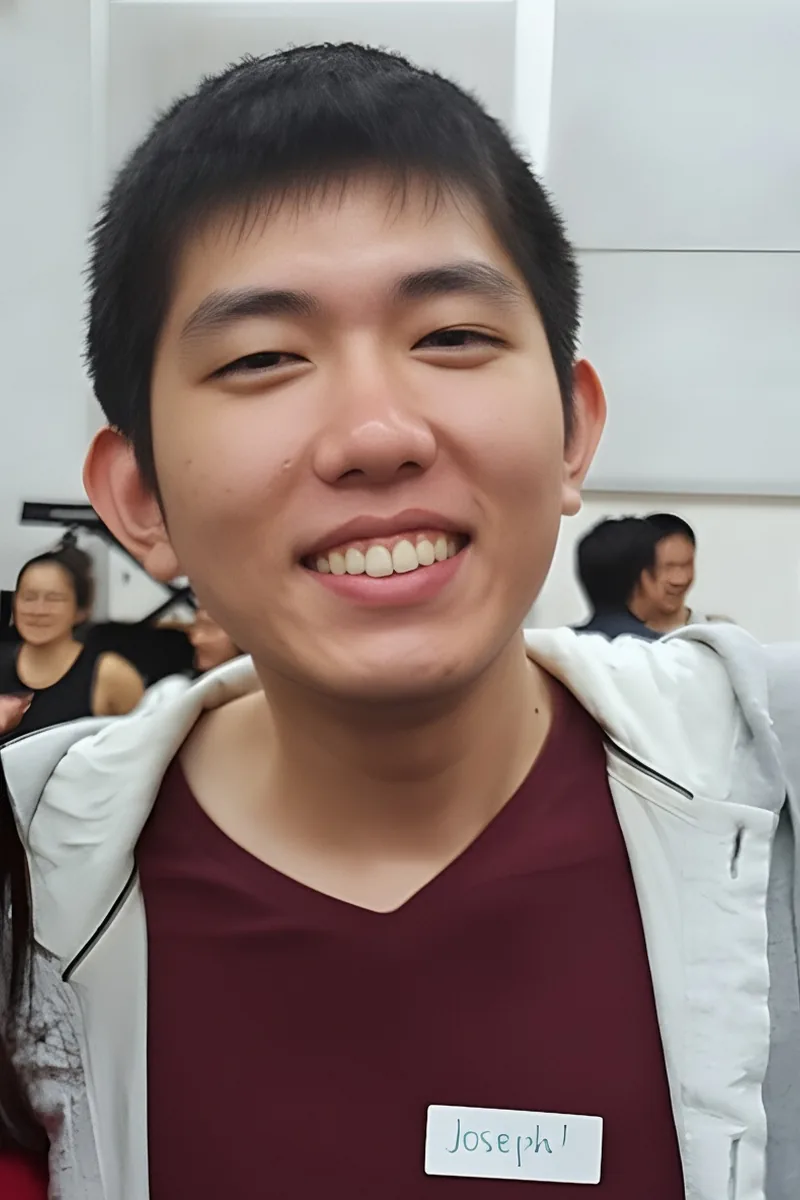
From close reading and literary analysis to essay structure and thesis development, Joseph covers the full range of English skills students need at any level. His experience coaching college application essays sharpened his ability to show students how to build an argument from a text and express it with clarity and precision. Rated 4.9 by students.
Amber's double background in theater and literature gives her a distinctive lens on English — she reads texts the way an actor reads a script, digging into character motivation, subtext, and authorial intent. Whether a student is writing an analytical essay or unpacking a poem's figurative language, she teaches them to build arguments grounded in close reading of the actual words on the page.
Between teaching literature, editing college essays, and prepping students for the ACT's English and Reading sections, Quinn has spent serious time inside the mechanics of how written language works. He unpacks everything from close-reading poetry to structuring a persuasive argument, always connecting the skill back to whatever a student is actually writing or reading for class.
Reading a dense passage and actually extracting an argument from it is a different skill than reading for pleasure, and it's one Elyse sharpens daily through her American Studies coursework at Stanford. She teaches students to annotate strategically, identify rhetorical moves, and build thesis-driven essays that go beyond summary — skills that show up in everything from AP Lit to college application writing. Rated 5.0 by students.
Having taught ESL to business professionals in South Korea, guided fifth graders through grammar on Chicago's south side, and coached incoming university students on academic writing, Patrick has seen how differently people struggle with English depending on where they're starting from. His dual degrees in English Literature and Linguistics from the University of Chicago give him both the literary sensibility and the structural understanding of how language works — particularly useful when a student needs to move from knowing what they want to say to actually saying it clearly on the page.
Samuel's academic life has been split between quantitative and literary worlds, which gives him an unusual angle on English instruction: he approaches essays and reading passages with the same structured reasoning he'd bring to a proof. Whether a student is working on thesis development, close reading, or argument organization, he walks through each skill as a repeatable process.
Earning a biology degree cum laude at UCLA while minoring in Asian Languages meant Abrahim was constantly switching between scientific writing and humanities-style analysis — two modes that sharpen very different English skills. He applies that versatility to grammar, essay structure, and reading comprehension, teaching students how to build a clear argument whether they're writing a literary analysis or a personal statement. Holds a 5.0 rating.
From Shakespeare to detective novels, Maura reads voraciously and brings that enthusiasm into every English session. Her writing center background means she can walk a student through crafting a thesis, organizing body paragraphs, and weaving in textual evidence — the skills that turn a rough draft into a polished essay.
Between AP English Language tutoring, essay editing, and literature, Sophie covers the full range of what English class demands — close reading, argumentation, and polished writing. She's particularly effective at teaching students to move from a vague reaction to a text toward a specific, evidence-backed claim, rated 4.8 by her students.
Strong English skills start with being able to read critically and write clearly, and Alex built both through a psychology degree that demanded constant analysis of dense research texts and persuasive writing. From constructing a thesis statement to unpacking an author's argument in a novel or essay, Alex walks students through the thinking process behind each skill so they can apply it independently.
Two English degrees from the University of Jordan plus a doctorate in education give Alia an unusual dual lens: she reads literature as both a scholar and a teacher of reading. Whether a student is unpacking symbolism in a novel or structuring a thesis-driven essay, she connects the analytical thinking behind both skills so they reinforce each other.
Reading and writing are central to Karann's life both inside and outside academia — she's an avid reader who also produces doctoral-level research prose at UW-Madison. She tackles English by connecting close reading skills to clear, structured writing, teaching students how to build an argument from textual evidence rather than summarize a plot.
Between her psychology minor, her MBA coursework at UVA Darden, and years of writing analytical papers, Megan knows how to read a text closely and build a clear argument from evidence. She tackles English by teaching students to identify an author's rhetorical choices — tone, structure, figurative language — and then translate those observations into well-organized essays with strong thesis statements.
Most people don't associate engineering with strong writing, but Matt's background required constant technical communication — structuring arguments, supporting claims with evidence, and revising for clarity. He brings that same precision to English tutoring, whether a student is analyzing a novel's themes or tightening a persuasive essay draft. His 5.0 rating speaks to how well that analytical approach translates.
Between her medical school training and her love of writing and reading, Elizabeth brings an analytical mindset to English that clicks for students who think of themselves as "math people." She teaches close reading as a skill — pulling apart an author's argument, identifying rhetorical moves, and building written responses that go beyond summary into genuine analysis.
A math and stats major might seem like an unusual pick for English tutoring, but Thomas brings the same structured thinking to essay organization, thesis development, and close reading that he applies to problem sets. He breaks down writing assignments into clear, logical steps — outline the argument, find textual evidence, then refine the prose — so students always know what to do next. Rated 5.0 by students.
Between his love of reading, writing, and singing, Joel engages with language from multiple angles — analytical, creative, and performative. He teaches English skills like close reading, thesis development, and textual analysis by encouraging students to dig into why an author made specific choices rather than just summarizing what happens on the page.
Three arts degrees gave Alexander an unusual amount of time dissecting texts, constructing thesis statements, and revising prose under deadline. He applies that background to English tutoring by walking students through close reading techniques and showing them how to turn scattered observations about a passage into a coherent, well-supported argument.
Between her legal training and her love of reading and writing, Nupur approaches English as both an analytical and a creative discipline. She digs into how authors build arguments, how paragraphs hold together, and how word choice shifts tone — skills that pay off whether a student is drafting an essay or interpreting a short story. Rated 5.0 across her sessions.
Neil's experience ranges from editing college essays to teaching literature, and his international teaching background gives him a practical perspective on clear communication. He digs into thesis development, paragraph structure, and how to support an argument with textual evidence — skills that transfer whether a student is writing a literary analysis or a personal statement.
Elizabeth's experience writing college essays and editing student work gives her a sharp eye for the gap between what a writer means and what actually lands on the page. She digs into thesis development, paragraph organization, and evidence integration, pushing students to articulate their ideas more precisely with each draft. Her analytical mindset — honed through math and CS — makes her feedback unusually specific and actionable.
Between literature analysis, essay writing, and reading comprehension, English covers a lot of ground — and Elise teaches across all of it, from phonics-level foundations through college essay coaching. Her approach leans on connecting what students read to how they write, so a discussion about an author's tone or structure becomes a concrete tool they can use in their own paragraphs. She holds a 5.0 client rating.
Reading closely and writing clearly were daily requirements in James's political science and economic policy coursework at the University of Pennsylvania, where analyzing dense texts and building thesis-driven arguments were nonnegotiable skills. He brings that same rigor to English tutoring — whether a student is unpacking a novel's themes, structuring a literary analysis essay, or learning to support claims with textual evidence.
Strong English skills come down to reading critically and writing clearly, and Maddy approaches both as trainable habits rather than innate talent. She unpacks passages by asking students to identify an author's argument before worrying about literary devices, building the kind of active reading that improves both classroom essays and standardized test performance. She's rated 5.0 by her students.
Between his lifelong reading habit, his writing background, and years spent teaching in both English and Spanish, Richard brings an unusually layered perspective to grammar, composition, and literary analysis. He treats English as a craft — breaking down thesis construction, paragraph transitions, and close-reading techniques so students can articulate their ideas with precision.
From close reading a poem to structuring a five-paragraph essay, English demands that students think critically and communicate clearly at the same time. Alexis — who teaches everything from literature and creative writing to ESL — brings a rare breadth to the subject, adapting her approach based on whether a student needs help decoding a text, organizing their ideas, or simply building confidence with the language.
Between teaching comparative religion and communications/writing at UW-Madison and earning a master's in Asian languages and cultures, Sarah built her English expertise across multiple dimensions — analytical reading, argumentative writing, and close textual interpretation. She's especially strong at connecting literature and nonfiction to their cultural contexts, turning a reading assignment into something students actually want to dig into.
Translating between French and English for a living means Lexy thinks about word choice, tone, and sentence structure more deliberately than most people ever need to. That awareness makes her especially effective at teaching reading comprehension and analytical writing, where students need to notice how language shapes meaning. She also spent time as a conversation partner for international students in Madison, sharpening her ability to explain English's quirks to all kinds of learners.
Reading comprehension and analytical writing reinforce each other, and Abhinav tackles both sides when working on English skills. His experience coaching students through essay editing and college application writing means he can pinpoint where an argument loses clarity or where a thesis needs sharper support — then walk through the revision process sentence by sentence.
Madeline's background spans literature, philosophy, and scientific writing, which means she approaches English from multiple angles — analytical reading, persuasive argumentation, and precise use of language. She's especially strong at teaching students how to build a thesis from a close reading of a text and support it with specific evidence rather than vague summary.
Between his literature tutoring and extensive college essay coaching, Dylan treats English as an argument-building discipline. He digs into how to construct a thesis from a close reading, how to integrate textual evidence without letting quotes do all the talking, and how to revise a draft until the reasoning is as tight as the prose.
Michael brings a scientist's precision to English, which turns out to be exactly what many students need: clear explanations of *why* a thesis statement is weak, *why* a paragraph loses its thread, or *why* a particular word choice undermines tone. His own interests in reading and writing keep him grounded in the creative side of the subject, not just the mechanical one.
Andrew's background in Japanese Studies required heavy reading across genres and constant analytical writing, skills he now brings to English tutoring. Whether a student is dissecting a novel's theme, structuring a persuasive essay, or learning to revise their own prose for clarity and voice, he approaches each task as both a reader and a writer who genuinely loves the craft.
Teaching communication at the university level sharpens a specific skill that transfers directly to English tutoring — the ability to break down how language actually works in context, from sentence-level grammar to the way an argument builds across paragraphs. Jacob brings that lens to everything from close reading and literary analysis to crafting thesis statements that do more than restate a prompt. Rated 4.9 by students, he's equally comfortable dissecting a Shakespeare passage or untangling a run-on sentence.
I am excited about the opportunity to apply my skills and experience for Varsity Tutors. In addition to my Bachelor of Arts in Spanish, I also have six years of experience teaching Spanish to middle school students.
Pursuing a PhD in Literature while holding a bachelor's in Cultural Studies and Comparative Literature, Sophie lives inside the English discipline every day. She's especially skilled at showing students how to move from surface-level reading to genuine analysis — identifying rhetorical strategies, tracing thematic patterns, and building arguments that hold up under scrutiny. Rated 5.0 by students.
As a speech-language pathologist who works daily with English language learners, Mary brings an unusually deep understanding of how English actually works — its sentence structures, word relationships, and the unspoken rules native speakers take for granted. She breaks down reading comprehension and written expression into concrete strategies students can apply on their own, whether they're analyzing a passage or building more complex sentences.
A degree spanning English Literature, Comparative Literature, and Classical Greek means Jonas reads texts across traditions and time periods with unusual range. He teaches students to do more than summarize a novel or poem — he walks them through how tone, structure, and figurative language build meaning, whether they're tackling Shakespeare's sonnets or a contemporary short story.
Between his dual majors at Tufts and his preparation for Duke Law, Mark has spent years dissecting complex texts and building written arguments under pressure. He tackles English by connecting close reading to strong writing — teaching students how to pull a thesis out of a passage and defend it with textual evidence, whether they're working on literary analysis or timed essays. Rated 4.9 by students.
Testimonials
Because the right English tutor makes all the difference.
Average Session Rating – Based on 3.4M Learner Ratings
Nearby English Tutors
Other Appleton Tutors
Related English Tutors in Appleton
Frequently Asked Questions
Varsity Tutors matches Appleton students with expert English tutors for 1-on-1 instruction. We pair each student with a tutor based on their specific needs, learning style, and goals.
Whether you need homework help, exam prep, or want to get ahead, our English tutors are ready to help.
Common challenges include gaps from earlier material, difficulty with specific concepts, and trouble applying learning to new problems. These issues can snowball quickly in English.
A tutor identifies where you're stuck, fills in gaps, and provides targeted practice. The 1-on-1 format means you get help exactly where you need it.
Tutors work with your student's actual coursework—homework assignments, class notes, and upcoming tests. This keeps tutoring directly relevant to what's happening in the classroom.
When you share information about your student's school and curriculum, we can match you with a tutor who has relevant experience.
All tutors complete background checks, credential verification, and teaching evaluation. Many of our English tutors hold advanced degrees or have years of teaching experience.
You can review tutor profiles to find someone with the right background for your student's level and needs.
Many students see improved grades within a few weeks, along with better understanding of English concepts and more confidence tackling challenging material.
Tutors track progress and adjust their approach to ensure continued improvement.
Most students benefit from 1-2 sessions per week. More frequent sessions help if your student is significantly behind or has an important exam coming up.
Your tutor can recommend a schedule based on your student's specific situation and goals.
Tutoring is purchased in packages of hours, with rates varying by tutor experience. Varsity Tutors offers several options to fit different budgets and needs.
You can discuss pricing during your consultation to find what works best.
Your tutor will assess where your student is, discuss goals, and start working on priority areas. Most students bring current homework or upcoming test material to focus on.
By the end, you'll have a clear sense of how the tutor can help and a plan for moving forward.
Let’s find your perfect tutor
Answer a few quick questions. We’ll recommend the right plan and match you with a top 5% tutor.