Award-Winning AP World History Tutors
serving Appleton, WI
AP World History
Tutors in Appleton
Private 1-on-1 tutoring, weekly live classes for academic support, test prep & enrichment, practice tests and diagnostics, and more to elevate grades and test scores.
Based on 3.4M Learner Ratings
UniversitiesSchools & Universities
DeliveredHours Delivered
ProficiencyGrowth in Proficiency
Who needs tutoring?
No obligation. Takes ~1 minute.
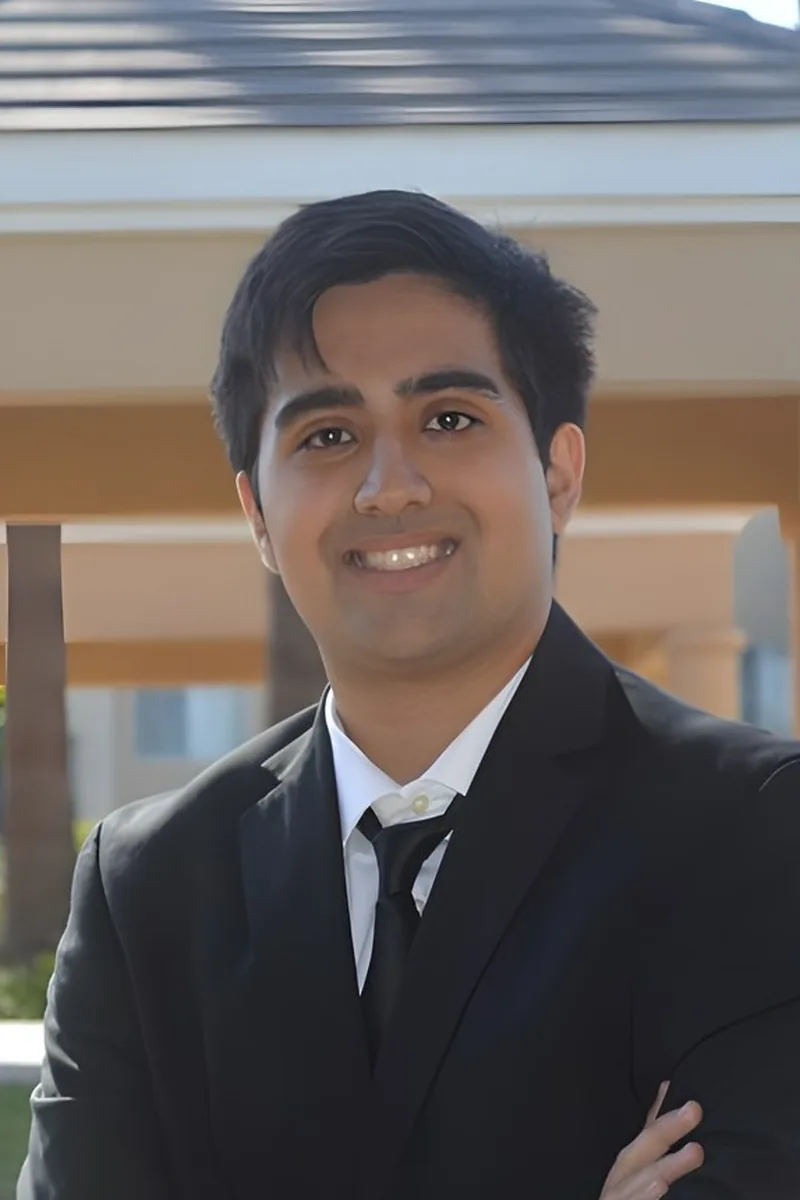
Earning a perfect score on the SAT World History subject test gave Abrahim a deep familiarity with the cross-cultural comparisons and periodization that drive AP World History. He teaches students to spot continuity-and-change patterns across civilizations and translate that analysis into high-scoring essays and short answers.

The sheer scope of AP World History — from early civilizations through globalization — overwhelms most students until they learn to think in comparative frameworks. Mark teaches students to spot patterns across regions and time periods, like how trade networks reshape cultures or how empires rise and collapse for structurally similar reasons. His international relations degree from Tufts makes those global connections second nature.
The AP World History exam covers thousands of years across every continent, which can feel overwhelming without a framework. Julia breaks the course into comparative threads — how trade networks, empire-building, and religious diffusion repeat across time periods — so students can tackle any stimulus-based question with confidence. Her background as an aspiring graduate-level historian means she genuinely enjoys digging into the connections between eras.
Studying anthropology and linguistics at the University of Chicago means Araxie spends her coursework doing exactly what AP World History's toughest prompts ask — analyzing how cultures interact, absorb, and transform each other across time and space. That training sharpens her approach to the cultural diffusion and comparison questions where students need to explain not just what spread along trade routes or through empires, but how contact reshaped societies on both sides. Rated 4.8 by students.
Cultural anthropology and history — Conor's actual degrees — are essentially the backbone disciplines of AP World History, which means he reads exam prompts about cultural diffusion, state-building, and belief systems through the same analytical framework that produced the content in the first place. His time as a middle school Language Arts teacher also sharpened his ability to break down dense primary source documents into manageable pieces, a skill that pays off directly on DBQ prep. He's especially strong on the cross-cultural interaction themes that run through every period of the exam.
Studying philosophy at MIT trained Tim to do exactly what AP World History's essay prompts demand — construct an argument from limited evidence, weigh competing interpretations, and defend a thesis under pressure. He applies that analytical rigor to DBQ prep and the causation essays where students need to explain not just what happened but why one development in, say, Song Dynasty China reverberates through Indian Ocean trade networks centuries later. Rated 4.9 by students.
An English major with a 1540 SAT and a 5.0 tutoring rating, Ayako treats AP World History's essay sections as writing problems first — teaching students to craft tight thesis statements and weave document evidence into arguments that actually persuade, not just summarize. Her literature training at Trinity College Dublin means she's practiced at close reading unfamiliar texts under pressure, which is exactly what the DBQ throws at students. She's especially effective for those who grasp the historical content but struggle to translate it into structured, rubric-hitting prose.
Iliana studied government and political philosophy at Dartmouth with a focus on Western colonialism and indigenous political movements — exactly the kind of cross-cultural power dynamics that run through the AP World History curriculum. She brings that lens to topics like imperialism, decolonization, and the political structures that shaped colonial and post-colonial societies, giving students a richer read on the exam's modern period content.
Elena's dual undergraduate majors in Art History & Archaeology and History — with a focus on medieval civilizations — gave her deep practice in the kind of cross-regional, cross-temporal analysis that AP World History demands. She teaches students to read primary sources the way an art historian reads an artifact: pulling context, audience, and purpose out of a single document, which is exactly what the DBQ requires. Rated 4.7 by students.
High school teaching in Boston means Max deals daily with the challenge of making nine periods of world history land for students who'd rather not read another textbook chapter — and his Master's in Teaching sharpened his ability to break sprawling content into the specific comparisons and cause-and-effect chains the AP exam actually scores. His history degree gives him the sourcing instincts the DBQ demands, particularly when students face unfamiliar documents and need to contextualize them on the spot. Rated 5.0 by students.
Having studied both history and Spanish as undergraduate majors, Adam reads AP World History's cross-cultural content — Islamic Spain, the Columbian Exchange, Latin American independence movements — with the kind of bilingual, dual-perspective lens that makes primary source analysis richer than a single-language approach allows. He digs into the document-based questions by teaching students to interrogate authorship and purpose before summarizing content, a skill honed through his library science graduate work in evaluating sources. His 1500 SAT speaks to the timed analytical reading the exam's free-response sections demand.
The AP World History exam covers thousands of years across every continent, which means students need frameworks, not just facts. Reid tackles this by teaching comparative analysis — showing how trade networks, state-building, and cultural exchange follow recognizable patterns from the Silk Roads to the Columbian Exchange. His political science background makes him especially sharp on empire, governance, and power dynamics.
Terry's Wharton economics training — analyzing how markets form, trade networks expand, and institutions shape incentives — gives him a practical framework for the economic systems questions that run through every AP World History period, from early agrarian societies to globalization. He's particularly sharp on the continuity-and-change prompts where students need to explain how something like mercantilism or tributary systems evolved rather than just identifying them. A 1530 SAT scorer, he brings strong timed writing instincts to DBQ and LEQ prep.
Covering thousands of years across every continent, AP World History overwhelms students who try to memorize everything. Maxwell zeroes in on the comparative and continuity-and-change-over-time frameworks the exam actually tests, teaching students to spot patterns — like how trade networks reshape cultures — across regions and eras. That analytical lens turns an impossibly broad course into something manageable.
Jonathan's debate background at the University of Chicago — where arguing both sides of a position was the norm — translates directly to the AP World History DBQ, which asks students to weigh conflicting documents and stake out a defensible claim under time pressure. His political science training sharpened his ability to trace how governance structures and revolutionary movements echo across regions, from the Abbasid caliphate to Atlantic revolutions. A 1550 SAT scorer, he brings the same analytical discipline to teaching students how to connect specific evidence to sweeping historical arguments.
Testimonials
Because the right AP World History tutor makes all the difference.
Average Session Rating – Based on 3.4M Learner Ratings
Practice AP World History
Free practice tests, flashcards, and AI tutoring for AP World History
Nearby AP World History Tutors
Other Appleton Tutors
Related Social Studies Tutors in Appleton
Frequently Asked Questions
Varsity Tutors matches Appleton students with expert AP World History tutors for 1-on-1 instruction. We pair each student with a tutor based on their specific needs, learning style, and goals.
Whether you need homework help, exam prep, or want to get ahead, our AP World History tutors are ready to help.
Common challenges include gaps from earlier material, difficulty with specific concepts, and trouble applying learning to new problems. These issues can snowball quickly in AP World History.
A tutor identifies where you're stuck, fills in gaps, and provides targeted practice. The 1-on-1 format means you get help exactly where you need it.
Tutors work with your student's actual coursework—homework assignments, class notes, and upcoming tests. This keeps tutoring directly relevant to what's happening in the classroom.
When you share information about your student's school and curriculum, we can match you with a tutor who has relevant experience.
All tutors complete background checks, credential verification, and teaching evaluation. Many of our AP World History tutors hold advanced degrees or have years of teaching experience.
You can review tutor profiles to find someone with the right background for your student's level and needs.
Many students see improved grades within a few weeks, along with better understanding of AP World History concepts and more confidence tackling challenging material.
Tutors track progress and adjust their approach to ensure continued improvement.
Most students benefit from 1-2 sessions per week. More frequent sessions help if your student is significantly behind or has an important exam coming up.
Your tutor can recommend a schedule based on your student's specific situation and goals.
Tutoring is purchased in packages of hours, with rates varying by tutor experience. Varsity Tutors offers several options to fit different budgets and needs.
You can discuss pricing during your consultation to find what works best.
Your tutor will assess where your student is, discuss goals, and start working on priority areas. Most students bring current homework or upcoming test material to focus on.
By the end, you'll have a clear sense of how the tutor can help and a plan for moving forward.
Let’s find your perfect tutor
Answer a few quick questions. We’ll recommend the right plan and match you with a top 5% tutor.