Award-Winning SAT Tutors
serving Spokane, WA
SAT
Tutors in Spokane
Private 1-on-1 tutoring, weekly live classes for academic support, test prep & enrichment, practice tests and diagnostics, and more to elevate grades and test scores.
Based on 3.4M Learner Ratings
UniversitiesSchools & Universities
DeliveredHours Delivered
ProficiencyGrowth in Proficiency
Who will be getting tutoring?
No obligation. Takes ~1 minute.
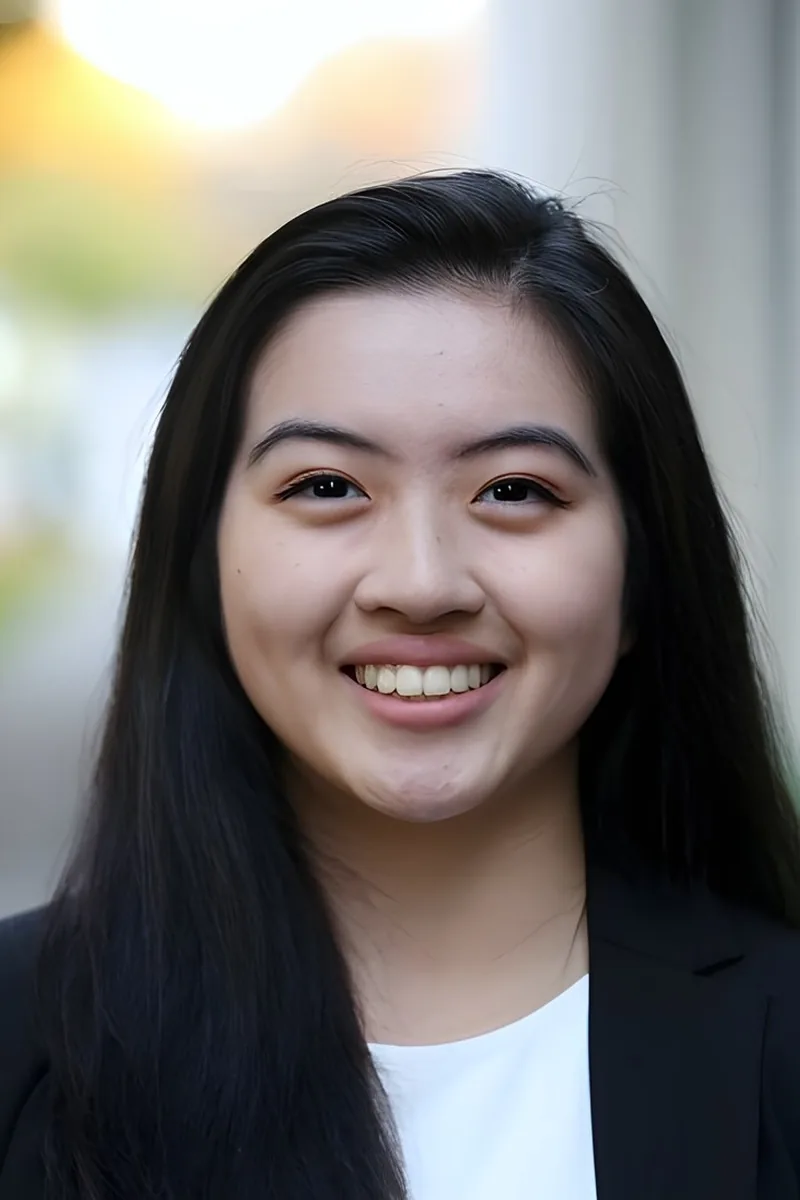
What separates a 1400 from a 1550 on the SAT often comes down to recognizing the exam's repeatable patterns — the algebra setups that recycle across tests, the evidence-pair traps in Reading, the handful of grammar rules that account for most Writing questions. Alice earned a 1550 herself and has spent over a year editing college admissions essays for students accepted to schools like CalTech and Northwestern, giving her unusual fluency across both the quantitative and verbal sides of the test. Rated 5.0 by students, she builds section-specific strategies rather than generic test-taking advice.

Most SAT prep treats the Reading and Math sections as completely separate animals, but Alex's PhD work in English trained the same close-analysis skills that unlock both evidence-based passage questions and the careful reasoning behind tricky word problems. He scored a 1560 on the SAT and knows exactly where the verbal sections punish sloppy reading — rhetorical purpose questions, command-of-evidence pairs, and grammar rules disguised as style choices. Rated 5.0 by students.
Scoring a 1520 on the SAT required Chica to master both the math and evidence-based reading sections at a high level — and her economics background in econometrics means she's especially sharp on the quantitative reasoning and data interpretation questions that trip students up. She breaks down each section's timing and question patterns so students know exactly where to push for extra points, rated 5.0 by her students.
What separates a good SAT score from a great one is often the ability to read like a test-maker — spotting how answer choices are designed to mislead on both the Reading and Writing sections. Grant's English degree and 1530 SAT score mean he teaches students to recognize those traps structurally, not just intuitively, while his comfort with math keeps the quantitative side from dragging down the composite. Rated 5.0 by students.
Students who speak Mandarin at home sometimes hit unexpected walls on the SAT — not from lack of ability, but from subtle differences in how English grammar and rhetoric questions are structured. Xiansheng's cellular and molecular biology degree sharpens his approach to the Math and data interpretation side, while his deep fluency in both Mandarin and English (he tutors AP Chinese and all levels of Mandarin) lets him pinpoint exactly where bilingual students misread passage-based questions. He scored a 1450 on the SAT himself and holds a 4.7 rating.
Scoring well on the SAT means treating the Reading & Writing and Math sections as two different skill sets that share one trait: pattern recognition. Sameer approaches full-test prep by diagnosing where a student's time is leaking — slow reading, algebraic missteps, or second-guessing on evidence-based questions — and drilling that specific weakness rather than re-teaching content a student already knows.
Majoring in both English and Spanish at George Fox University gave Elizabeth the kind of close-reading stamina that pays off across the SAT's verbal sections — she teaches students to trace argument structure in dense passages and spot the grammar rules the Writing and Language section recycles most often. Her own 1490 SAT score means she's recently navigated the same test her students are preparing for, and she uses that familiarity to build section-specific pacing strategies that keep timing pressure from eroding accuracy.
Substitute teaching across every grade from kindergarten through twelfth gave Angela a clear picture of where foundational skills break down — exactly the kind of gaps the SAT exploits in its math and evidence-based reading sections. She scored a 1500 on the SAT herself and uses that experience to coach students on pacing, process-of-elimination strategies, and the Writing and Language grammar patterns that repeat test after test. Rated 5.0 by students.
Antonia approaches SAT prep as two linked skill sets: the math side, where she drills Heart of Algebra and Passport to Advanced Math patterns, and the evidence-based reading and writing side, where she teaches students to use line references and elimination strategically. Because she tutors both English and math at advanced levels, she can build a unified study plan instead of treating each section in isolation. Students get a tutor who actually understands every part of the test, not just half of it.
I am a professional scientist with multiple years of experience in the biopharmaceutical field. I have spent time in the classroom with elementary aged students and am comfortable with this age group. I am also familiar with AP classes and ACT/SAT preparation. I look forward to sharing my love of learning with students and helping them achieve academic goals!
Scoring a 1470 on the SAT takes both strong content knowledge and smart pacing — and Madyson's biochemistry background at Northeastern means she can tackle the math and evidence-based reading sections with equal confidence. She breaks down tricky algebra and data interpretation questions while also teaching students how to dissect passage structure and eliminate wrong answers efficiently.
Nina's biostatistics training at Columbia and Northwestern means the SAT Math section — especially data analysis, scatterplot interpretation, and multi-step algebra — plays directly to her strengths. She scored a 1550 and knows how to teach the quantitative reasoning patterns that separate a good math score from a great one, while her experience with college essays and literature gives her practical tools for the Reading and Writing sections too.
Law school at the University of Chicago sharpened exactly the skills the SAT rewards — picking apart dense passages under time pressure, spotting logical gaps, and choosing precise language over vague alternatives. Elena pairs that training with a perfect 1600 SAT score and a tutoring approach built around listening to students reason through problems so she can pinpoint the specific assumptions or misreadings costing them points. Her government, Spanish, and legal background gives her unusually natural command of both the verbal and quantitative sides of the exam.
Physics PhD work at Michigan required Michael to read dense technical passages, interpret data under pressure, and solve multi-step quantitative problems — which maps almost exactly onto what the SAT demands across both sections. He scored a 1570 and uses that experience to teach students how to navigate the math section's algebra and data analysis questions with the same systematic reasoning he applies to physics problems. His comfort with both verbal analysis and quantitative logic means students get full-test coaching without switching gears.
Most SAT prep treats the Reading and Math sections as completely separate skill sets, but Emily's science training at Yale — where she spent years parsing dense research literature and working with data — means she teaches both sides of the exam as exercises in precise interpretation. She scored a 1550 on the SAT and builds her coaching around the specific reasoning habits that earned it: identifying exactly what a question asks before touching the answer choices, and translating word problems into structures rather than guessing at operations. Rated 5.0 by students.
Scoring a 1550 on the SAT while juggling a dual PhD/MD track at Northwestern says something about efficiency under pressure — Chelain knows how to maximize points per minute on both the math and evidence-based reading sections. She breaks down SAT questions by what they're actually testing (inference vs. command of evidence, heart-of-algebra vs. passport-to-advanced-math) so students stop second-guessing and start recognizing patterns. Rated 5.0 by students.
Going from a 25 ACT to a perfect 36 taught Astoria something most tutors never learn firsthand: how to reverse-engineer a standardized test and build strategies section by section. She applies that same diagnostic approach to the SAT — breaking down question types in Evidence-Based Reading, pinpointing grammar patterns in Writing and Language, and identifying the algebra and data analysis concepts that appear most frequently on test day. Her 1530 SAT score and 4.8 rating speak to how well those strategies translate.
Comparative literature trains you to read closely across genres, registers, and rhetorical styles — exactly the skill set the SAT's Evidence-Based Reading section demands when it throws a paired science passage next to an 18th-century political argument. Cassandra pairs that background with a perfect 1600 SAT score, meaning she knows how to turn deep reading instincts into points under timed conditions. She also covers the Writing and Language section by teaching the specific grammar and usage rules the test cycles through, drawing on her Latin and Spanish fluency to make sentence structure feel intuitive.
A 1560 SAT scorer with a Master's in Education from Harvard, Mimi brings a structured yet creative approach to test prep — particularly the evidence-based reading passages, where her art history and literary analysis background makes dissecting complex texts second nature. She teaches students to identify argument structure and eliminate trap answers systematically across both the reading and writing sections.
Three semesters teaching ESL to immigrants and refugees at Tufts gave Danielle a sharp sense for how people actually process language under pressure — a skill that translates directly to coaching the SAT's Reading and Writing sections, where time management and passage decoding matter more than vocabulary size. She scored a 1550 on the SAT herself and pairs that with a systematic, pacing-driven approach to the Math section built during her biology and pre-med coursework. Rated 5.0 by students.
Keith's political science and history coursework at Williams built exactly the kind of dense, argument-heavy reading that mirrors SAT Evidence-Based Reading passages — he teaches students to trace an author's claim through supporting evidence and spot the distractor answers designed to punish skimming. His 1560 SAT score backs up a full-test approach that extends to the math and Writing & Language sections, where he emphasizes the repeatable grammar rules and algebraic setups that appear on every administration.
Chemical engineering coursework at Michigan means Edward lives in the kind of multi-step quantitative reasoning that dominates the SAT Math section — translating word problems, manipulating algebraic expressions, and interpreting data under time pressure. He pairs that with a structured approach to the Reading and Writing sections, teaching students to identify evidence patterns and grammar rules rather than relying on instinct. His 1520 SAT and 4.8 rating speak to how well that approach transfers to test day.
Scoring a 1550 on the SAT herself, Kiersten spent two semesters as a CollegeSpring Mentor preparing charter school juniors for test day — breaking down everything from evidence-based reading passages to no-calculator math strategies. Her screenwriting background at USC gives her a unique edge on the Reading and Writing sections, where she teaches students to dissect argument structure and pinpoint rhetorical choices under time pressure.
Testimonials
Because the right SAT tutor makes all the difference.
Average Session Rating – Based on 3.4M Learner Ratings
Practice SAT
Free practice tests, flashcards, and AI tutoring for SAT
Other Spokane Tutors
Related Test Prep Tutors in Spokane
Frequently Asked Questions
Varsity Tutors matches Spokane students with expert SAT tutors for 1-on-1 instruction. We pair each student with a tutor based on their specific needs, learning style, and goals.
Whether you need homework help, exam prep, or want to get ahead, our SAT tutors are ready to help.
Common challenges include gaps from earlier material, difficulty with specific concepts, and trouble applying learning to new problems. These issues can snowball quickly in SAT.
A tutor identifies where you're stuck, fills in gaps, and provides targeted practice. The 1-on-1 format means you get help exactly where you need it.
Tutors work with your student's actual coursework—homework assignments, class notes, and upcoming tests. This keeps tutoring directly relevant to what's happening in the classroom.
When you share information about your student's school and curriculum, we can match you with a tutor who has relevant experience.
All tutors complete background checks, credential verification, and teaching evaluation. Many of our SAT tutors hold advanced degrees or have years of teaching experience.
You can review tutor profiles to find someone with the right background for your student's level and needs.
Many students see improved grades within a few weeks, along with better understanding of SAT concepts and more confidence tackling challenging material.
Tutors track progress and adjust their approach to ensure continued improvement.
Most students benefit from 1-2 sessions per week. More frequent sessions help if your student is significantly behind or has an important exam coming up.
Your tutor can recommend a schedule based on your student's specific situation and goals.
Tutoring is purchased in packages of hours, with rates varying by tutor experience. Varsity Tutors offers several options to fit different budgets and needs.
You can discuss pricing during your consultation to find what works best.
Your tutor will assess where your student is, discuss goals, and start working on priority areas. Most students bring current homework or upcoming test material to focus on.
By the end, you'll have a clear sense of how the tutor can help and a plan for moving forward.
Let’s find your perfect tutor
Answer a few quick questions. We’ll recommend the right plan and match you with a top 5% tutor.