Award-Winning AP US History Tutors
serving Norfolk, VA
AP US History
Tutors in Norfolk
Private 1-on-1 tutoring, weekly live classes for academic support, test prep & enrichment, practice tests and diagnostics, and more to elevate grades and test scores.
Based on 3.4M Learner Ratings
UniversitiesSchools & Universities
DeliveredHours Delivered
ProficiencyGrowth in Proficiency
Who needs tutoring?
No obligation. Takes ~1 minute.
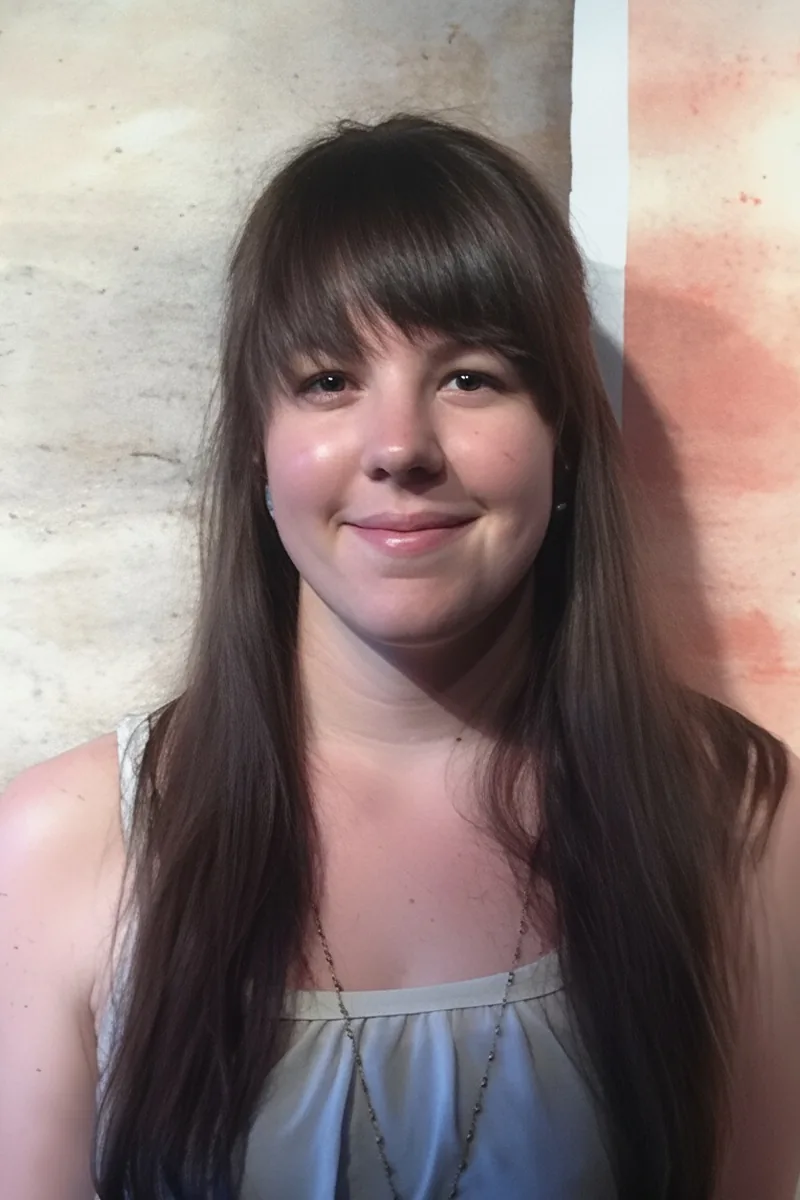
The AP US History exam tests whether students can construct a defensible argument under time pressure, using specific historical evidence — not just recall facts. Julia's English degree makes her particularly effective at teaching the document-based question, where strong writing and source analysis matter as much as historical knowledge. She breaks down each DBQ into a repeatable process: contextualize, identify perspective, build a thesis, and organize evidence.
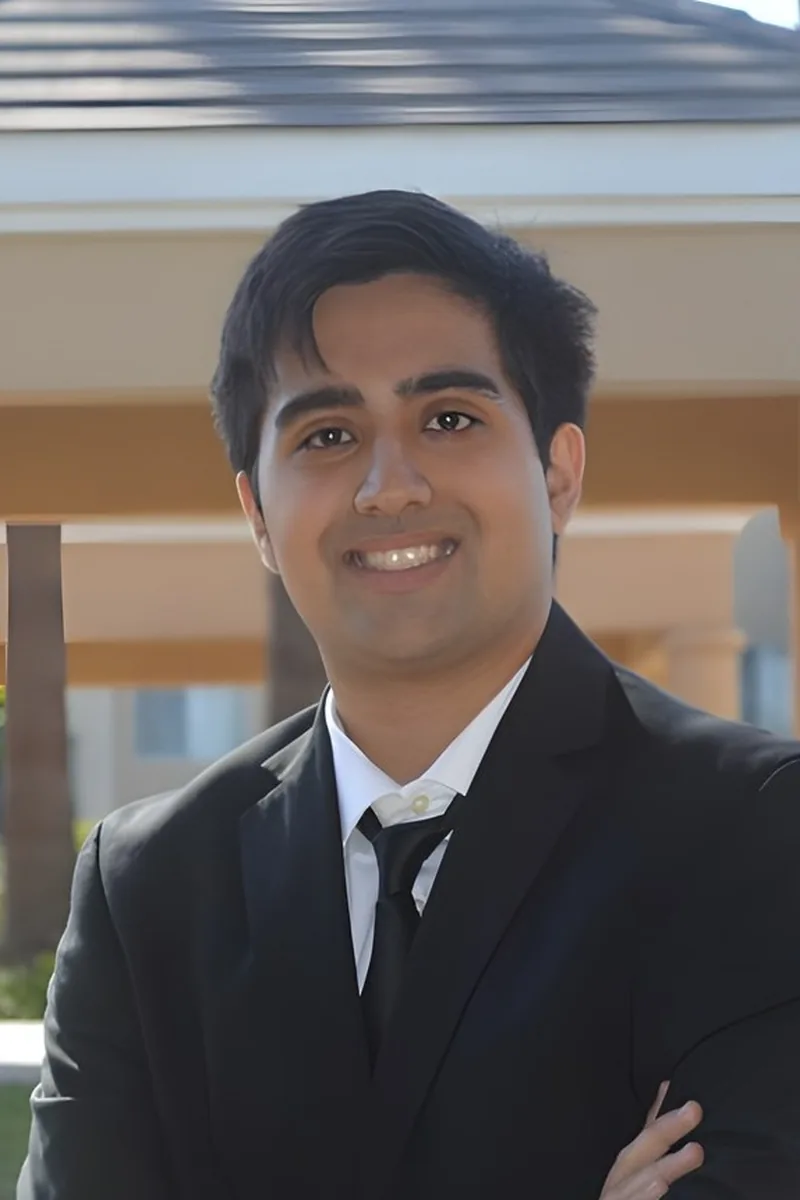
As a first-generation college student who graduated cum laude from UCLA with a biology degree and Asian Languages minor, Abrahim brings an outsider's analytical eye to American history — he learned to question assumptions rather than take narratives at face value. That mindset translates well to APUSH's emphasis on sourcing and contextualization, where students need to interrogate *why* a document was created, not just what it says. Rated 5.0 by students, he approaches each historical period as a puzzle to decode rather than a list to memorize.
John's English and writing background translates directly to the essay-heavy demands of APUSH — the DBQ and LEQ are fundamentally persuasive writing tasks that happen to use historical evidence. He teaches students to treat each document like a text to be analyzed for purpose and audience, then build that analysis into a thesis-driven argument. His 4.9 rating and 36 ACT suggest the kind of analytical precision that makes timed essay writing click.
Studying economics and public policy at the University of Chicago means Ethan spends his coursework analyzing the same forces — tariff debates, fiscal policy, institutional power shifts — that APUSH tests across every period from Hamilton's economic plan through Great Society legislation. That policy-analysis training makes him especially sharp on the causation and continuity-and-change reasoning the exam's essays demand, since he's used to tracing how one political decision cascades through decades of consequences. His 1550 SAT reflects the timed reading and argumentation stamina the DBQ requires.
Studying molecular biology at Yale might seem unrelated to APUSH, but Maxwell's scientific training sharpens exactly the kind of evidence-based reasoning the exam demands — evaluating sources, identifying patterns across data, and defending a thesis. He applies that analytical rigor to helping students dissect documents for context and purpose, particularly in periods where science, policy, and society collide, like industrialization or Cold War-era politics. Rated 5.0 by students.
Studying health policy at Stanford means Jake spends his coursework tracing how government decisions — from Progressive-era public health campaigns to the ACA — reshape American life, which is exactly the kind of policy-to-impact reasoning APUSH essays reward. His 34 ACT and dual background in SAT US History and Spanish give him both the timed analytical speed and the multicultural lens that strengthen document analysis on topics like immigration, expansion, and reform. Rated 5.0 by students.
The AP US History exam rewards students who can do more than recall events — they need to analyze documents, identify historical causation, and write a convincing DBQ under time pressure. Jeff earned his MA in history from UC Berkeley, where he taught undergraduates how to build arguments from primary sources. He applies that same document-analysis approach to APUSH prep, breaking down rubric expectations so students know exactly what earns top scores.
AP US History's DBQ is really a timed argument-building exercise disguised as a history test — students need to group documents, identify point of view, and connect evidence to a thesis in under an hour. Cassandra tackles this by drilling the skill of contextualization, teaching students to place each document within the broader political or economic forces of its era. Her analytical, evidence-first approach translates well from her science background.
This isn't Nima's core subject — his background is in physics, not history — but a 1580 SAT means he's sharp at the kind of timed analytical reading and evidence-based argumentation that APUSH document questions actually test. He approaches the exam's essays like a scientist building a case: identify the claim, marshal the evidence, eliminate what doesn't support the thesis.
I'm excited to work with you or your child either on standardized test preparation or on generally improving performance in history, English, and social studies!
Jay earned his history degree with honors from Penn State's Schreyer Honors College, and AP US History plays directly to that strength. He digs into the DBQ and LEQ formats specifically, teaching students how to contextualize documents, build defensible claims, and weave evidence from periods like Reconstruction or the New Deal into arguments that score well on exam day.
Architecture school at Columbia trains you to research how buildings, cities, and spaces reflect the political and economic forces of their time — a habit of thinking that maps surprisingly well onto APUSH's emphasis on causation and contextualization across periods. Andrew brings that design-history lens to document analysis, teaching students to read sources for intent and audience the way an architect reads a site for constraints and possibilities. His 4.9 rating speaks to how well that cross-disciplinary approach clicks.
Before medical school, Jessica earned her history degree at Penn — meaning she studied American political and constitutional development at a university where those debates literally happened, steps from Independence Hall and the National Constitution Center. That immersion in primary-source-rich coursework carries over to APUSH's document-based questions, where she teaches students to read for authorial intent and historical context before building their thesis. Rated 4.8 by students.
Testimonials
Because the right AP US History tutor makes all the difference.
Average Session Rating – Based on 3.4M Learner Ratings
Practice AP US History
Free practice tests, flashcards, and AI tutoring for AP US History
Other Norfolk Tutors
Related Social Studies Tutors in Norfolk
Frequently Asked Questions
Varsity Tutors matches Norfolk students with expert AP US History tutors for 1-on-1 instruction. We pair each student with a tutor based on their specific needs, learning style, and goals.
Whether you need homework help, exam prep, or want to get ahead, our AP US History tutors are ready to help.
Common challenges include gaps from earlier material, difficulty with specific concepts, and trouble applying learning to new problems. These issues can snowball quickly in AP US History.
A tutor identifies where you're stuck, fills in gaps, and provides targeted practice. The 1-on-1 format means you get help exactly where you need it.
Tutors work with your student's actual coursework—homework assignments, class notes, and upcoming tests. This keeps tutoring directly relevant to what's happening in the classroom.
When you share information about your student's school and curriculum, we can match you with a tutor who has relevant experience.
All tutors complete background checks, credential verification, and teaching evaluation. Many of our AP US History tutors hold advanced degrees or have years of teaching experience.
You can review tutor profiles to find someone with the right background for your student's level and needs.
Many students see improved grades within a few weeks, along with better understanding of AP US History concepts and more confidence tackling challenging material.
Tutors track progress and adjust their approach to ensure continued improvement.
Most students benefit from 1-2 sessions per week. More frequent sessions help if your student is significantly behind or has an important exam coming up.
Your tutor can recommend a schedule based on your student's specific situation and goals.
Tutoring is purchased in packages of hours, with rates varying by tutor experience. Varsity Tutors offers several options to fit different budgets and needs.
You can discuss pricing during your consultation to find what works best.
Your tutor will assess where your student is, discuss goals, and start working on priority areas. Most students bring current homework or upcoming test material to focus on.
By the end, you'll have a clear sense of how the tutor can help and a plan for moving forward.
Let’s find your perfect tutor
Answer a few quick questions. We’ll recommend the right plan and match you with a top 5% tutor.