Award-Winning IB Chemistry Tutors
serving Chattanooga, TN
IB Chemistry
Tutors in Chattanooga
Private 1-on-1 tutoring, weekly live classes for academic support, test prep & enrichment, practice tests and diagnostics, and more to elevate grades and test scores.
Based on 3.4M Learner Ratings
UniversitiesSchools & Universities
DeliveredHours Delivered
ProficiencyGrowth in Proficiency
Who needs tutoring?
No obligation. Takes ~1 minute.

IB Chemistry's internal assessment and data-analysis questions demand more than content knowledge — they require scientific reasoning and clear written explanations. Fay digs into both the conceptual side (energetics, bonding, redox) and the practical skills like error analysis and graph interpretation that IB examiners specifically look for in HL and SL responses.
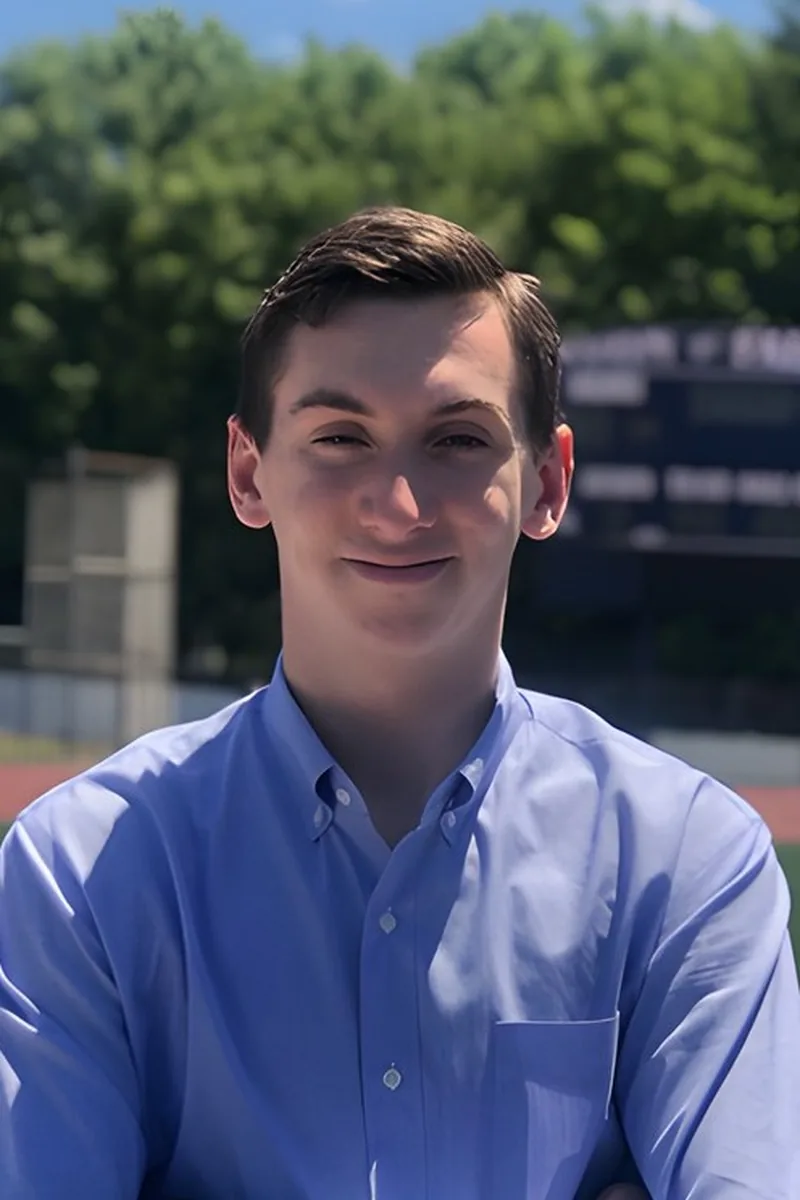
Having TA'd general chemistry at Cornell and taught genetics through applied problem-solving, Alec knows how to bridge the gap between memorizing content and actually using it under exam conditions — which is exactly what IB Chemistry's Paper 2 and Paper 3 demand. His genetics and genomics focus gives him a natural edge on the Biochemistry option and HL topics where organic structures and biological context overlap. Rated 4.8 by students.
Completing premed requirements at UPenn meant Jessi spent serious time with general and organic chemistry — the same foundational concepts that IB Chemistry tests through stoichiometry, bonding theory, and energetics. She approaches IB-specific challenges like Paper 3 options and internal assessments with firsthand knowledge of the program's structure from her own IB diploma. Students get someone who can connect abstract chemical principles to the exact way IB examiners phrase their questions.
The IB Chemistry curriculum weaves together quantitative problem-solving and theoretical explanation in a way that rewards deep understanding over rote memorization — especially on Paper 2's extended-response questions. James brings a Harvard chemistry degree and real lab experience to his tutoring, which means he can explain concepts like periodicity or chemical kinetics with the kind of concrete examples that make abstract theory stick. He's rated 4.9 by students across his subjects.
IB Chemistry's Internal Assessment alone can make or break a final score, and Zhenrui knows the program inside out — having completed IB Chemistry HL and now tackling advanced chemistry through Columbia's premed curriculum. He breaks down tough topics like equilibrium constants, redox electrochemistry, and organic reaction mechanisms by connecting them to the specific way IB examiners frame their mark schemes.
IB Chemistry's internal assessment alone can make or break a final grade, and the HL content on energetics, equilibrium, and redox demands precise quantitative reasoning. Juan's strength here comes from his statistics and engineering math training — he's comfortable with the calculations behind Hess's law, electrode potentials, and rate-order analysis. He approaches each topic by tying the math to the chemistry so neither half feels disconnected.
The IB Chemistry curriculum layers conceptual depth with data analysis and extended-response questions that trip up students who only studied the content. William's familiarity with IB assessment structures means he can coach students on how to earn marks on Paper 2 explanations and link topics like energetics, bonding, and equilibrium across the syllabus.
IB Chemistry's internal assessment alone can make or break a final score, and the exam's data-based questions demand more than rote recall. Akshaya approaches IB Chem the way her engineering program taught her — by connecting quantitative problem-solving (enthalpy calculations, Hess's law, redox balancing) to conceptual understanding so students can handle both Paper 1's multiple choice and Paper 2's extended response.
Between redox balancing, enthalpy cycles, and equilibrium calculations, IB Chemistry demands more mathematical confidence than most students expect from a science course. Ben pairs his Penn math training with IB Chemistry experience to tackle the quantitative problem types that tend to cost students the most marks. He's rated 5.0 by the students he's worked with.
Spending two semesters instructing general chemistry classes and organic chemistry labs at UGA gave Katheryn a clear picture of where students hit walls — and IB Chemistry's SL and HL syllabi lean heavily on exactly those foundational areas like stoichiometry, bonding, and reaction mechanisms. Her chemistry degree means she can dig into the quantitative reasoning behind topics like enthalpy calculations without oversimplifying, while her 4.8 rating suggests students find her explanations genuinely accessible.
Eric holds a master's in inorganic chemistry, which means topics like periodicity, bonding models, and transition metal chemistry — areas that trip up many IB students — are squarely in his wheelhouse. He teaches the underlying "why" behind trends and reactions so that when an IB Paper 2 question asks students to "explain" rather than "state," they can construct answers that actually earn full marks. Rated 5.0 by students.
As a biomedical engineering student, Nymisha tackles chemistry through the lens of real-world applications — how stoichiometry governs drug dosing, or why molecular polarity determines whether a compound can cross a cell membrane. That engineering mindset translates well to IB Chemistry's data-based questions, where pulling quantitative meaning out of graphs and tables matters more than memorizing definitions.
Neuroscience at Duke means Michelle spends her coursework deep in the chemistry that underpins biological systems — reaction kinetics, thermodynamics, and the molecular interactions that IB Chemistry tests heavily at both SL and HL. She brings that applied perspective to topics like equilibrium and energetics, connecting abstract calculations to the biological contexts that make them easier to internalize. Rated 5.0 by students.
Testimonials
Because the right IB Chemistry tutor makes all the difference.
Average Session Rating – Based on 3.4M Learner Ratings
Nearby IB Chemistry Tutors
Other Chattanooga Tutors
Related Science Tutors in Chattanooga
Frequently Asked Questions
Varsity Tutors matches Chattanooga students with expert IB Chemistry tutors for 1-on-1 instruction. We pair each student with a tutor based on their specific needs, learning style, and goals.
Whether you need homework help, exam prep, or want to get ahead, our IB Chemistry tutors are ready to help.
Common challenges include gaps from earlier material, difficulty with specific concepts, and trouble applying learning to new problems. These issues can snowball quickly in IB Chemistry.
A tutor identifies where you're stuck, fills in gaps, and provides targeted practice. The 1-on-1 format means you get help exactly where you need it.
Tutors work with your student's actual coursework—homework assignments, class notes, and upcoming tests. This keeps tutoring directly relevant to what's happening in the classroom.
When you share information about your student's school and curriculum, we can match you with a tutor who has relevant experience.
All tutors complete background checks, credential verification, and teaching evaluation. Many of our IB Chemistry tutors hold advanced degrees or have years of teaching experience.
You can review tutor profiles to find someone with the right background for your student's level and needs.
Many students see improved grades within a few weeks, along with better understanding of IB Chemistry concepts and more confidence tackling challenging material.
Tutors track progress and adjust their approach to ensure continued improvement.
Most students benefit from 1-2 sessions per week. More frequent sessions help if your student is significantly behind or has an important exam coming up.
Your tutor can recommend a schedule based on your student's specific situation and goals.
Tutoring is purchased in packages of hours, with rates varying by tutor experience. Varsity Tutors offers several options to fit different budgets and needs.
You can discuss pricing during your consultation to find what works best.
Your tutor will assess where your student is, discuss goals, and start working on priority areas. Most students bring current homework or upcoming test material to focus on.
By the end, you'll have a clear sense of how the tutor can help and a plan for moving forward.
Let’s find your perfect tutor
Answer a few quick questions. We’ll recommend the right plan and match you with a top 5% tutor.