Award-Winning AP Calculus AB Tutors
serving Myrtle Beach, SC
AP Calculus AB
Tutors in Myrtle Beach
Private 1-on-1 tutoring, weekly live classes for academic support, test prep & enrichment, practice tests and diagnostics, and more to elevate grades and test scores.
Based on 3.4M Learner Ratings
UniversitiesSchools & Universities
DeliveredHours Delivered
ProficiencyGrowth in Proficiency
Who needs tutoring?
No obligation. Takes ~1 minute.
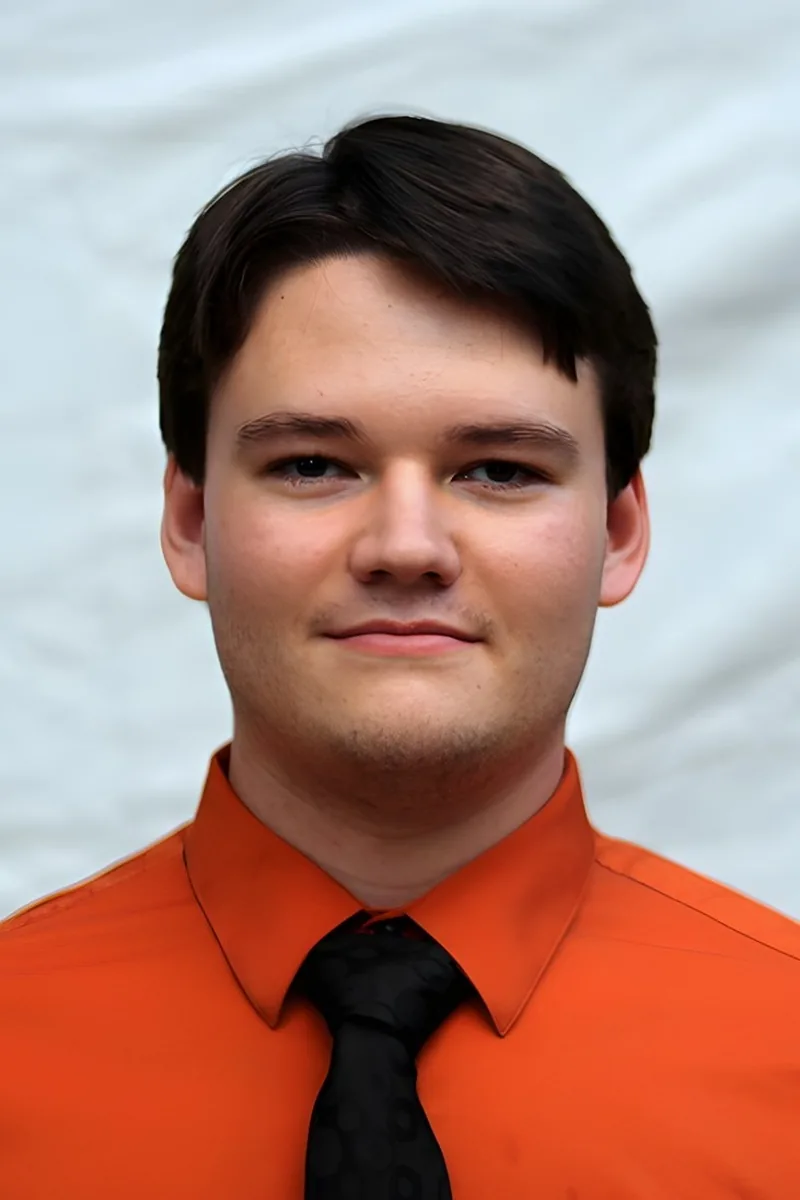
The moment limits click — really click — the rest of AP Calculus AB starts to make sense, from derivative rules to the Fundamental Theorem. Garrick zeroes in on that conceptual turning point early, then uses it as the anchor for everything from related rates to accumulation problems. He's studying mathematics at the undergraduate level and treats AB as the foundation it's meant to be.
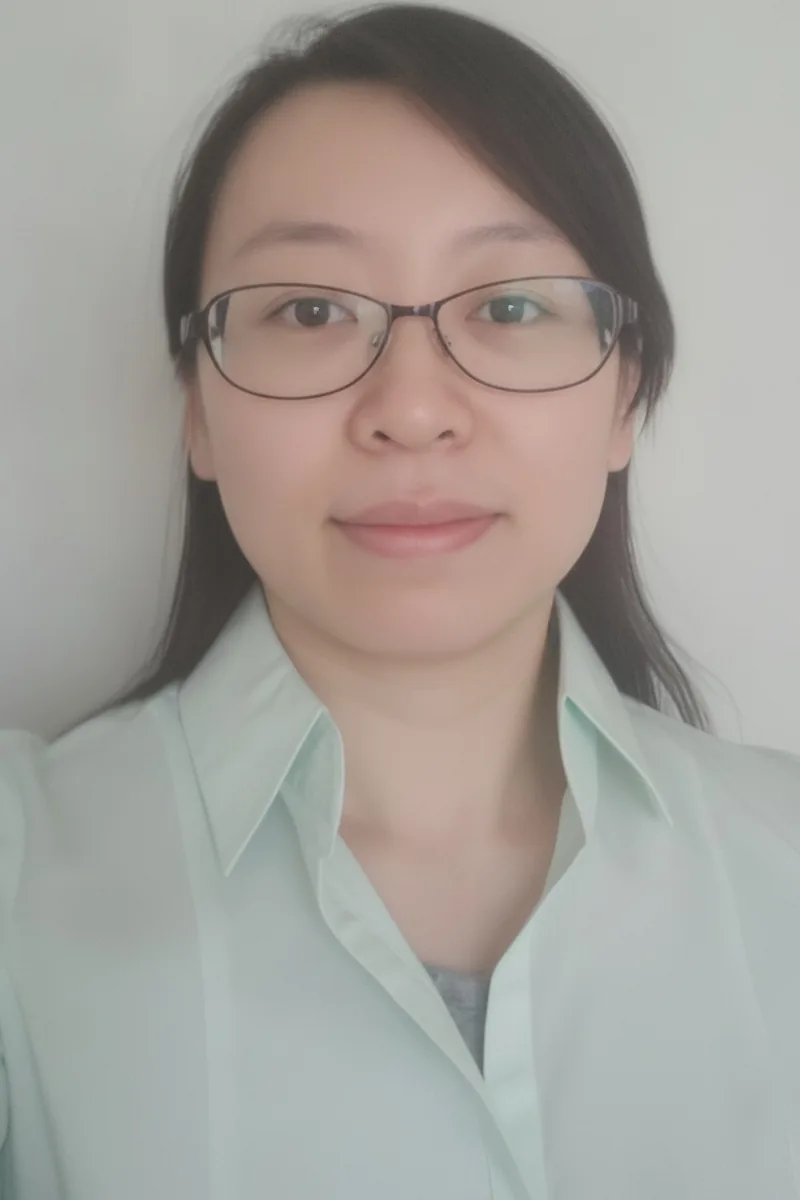
Materials science engineers live in calculus — Jennifer's coursework meant using derivatives to characterize how material properties change under stress and integrals to calculate energy absorption across deformation curves, so she teaches AB concepts with that built-in sense of what the math physically describes. Her 1550 SAT and 33 ACT back up the quantitative precision she brings to tricky topics like implicit differentiation and area-between-curves problems. Rated 5.0 by students.
When limits and derivatives feel like arbitrary rules, it often helps to have a tutor who genuinely enjoys the logic underneath — James pairs a math background with the kind of close-reading discipline that comes from studying paleography, which means he's unusually patient at walking through each step of a proof or free-response setup until the reasoning is airtight. His 1590 SAT and 5.0 rating back up an approach that prioritizes understanding why L'Hôpital's Rule or the Fundamental Theorem works, not just when to apply it.
The jump from memorizing derivative rules to actually applying them — related rates, optimization, accumulation functions — is where most AP Calc AB students stall. Joshitha teaches problem-solving frameworks that make it clear which technique fits which scenario, so students aren't guessing on free-response questions. Rated 5.0 by her students.
Pre-med biology and chemistry at Northwestern means Kade is constantly using calculus to make sense of other disciplines — enzyme kinetics, population growth models, dose-response curves — which keeps the AB material grounded in something tangible. He's especially good at walking through limit definitions and continuity arguments, the early-course concepts that quietly determine whether the rest of the year clicks or collapses. His 1550 SAT reflects the kind of precise, methodical thinking that pays off on AP free-response questions.
Mechanical and aerospace engineering at Princeton means Matthew builds on calculus daily — computing trajectories, analyzing forces, optimizing structural loads — so the AB curriculum's core techniques are second nature to him. He teaches each new concept by working through a few problems step by step, then hands students progressively harder variations, asking targeted questions that expose gaps before they become exam-day surprises. His 34 ACT underscores the quantitative precision behind that approach.
Teaching calculus at Harvard as a Course Assistant gives Sanjana a front-row seat to the mistakes students make most often — and the explanations that actually click. She breaks down AB topics like related rates, the Fundamental Theorem, and integration techniques by connecting each one back to the graphical intuition behind it.
The jump from Pre-Calc to AP Calculus AB trips up students who never fully grasped limits or the logic behind the chain rule. Daniel's approach is to rebuild each concept from scratch when needed — he's an applied math major who got where he is by sitting with hard material until it clicked, not by breezing through it. That means he knows exactly where the confusion usually lives in topics like related rates, Riemann sums, and the Fundamental Theorem.
Rachel treats AP Calculus AB as a course built on a handful of core ideas — limits, the derivative as a rate of change, and accumulation through integrals — and teaches students to see every problem as a variation on those themes. Her economics and strategy studies at Washington University mean she's applying derivatives and optimization regularly outside the classroom. That real-world fluency makes related rates and curve sketching click faster for students.
Limits, derivatives, and integrals each build on the last, so a shaky understanding of one topic creates problems that compound through the entire AP Calculus AB curriculum. Alex's applied math background at Stanford keeps him immersed in calculus daily, and he teaches the chain rule, related rates, and accumulation functions by tying abstract procedures to the reasoning behind them. Rated 4.8 by students.
The jump from pre-calculus to AP Calculus AB is where many students first encounter limits, derivatives, and the chain rule as interconnected ideas rather than isolated procedures. Corrina breaks down each concept using visual and physical intuition drawn from her engineering background, making abstractions like related rates feel concrete and solvable.
IB Diploma graduates know what it's like to hit calculus from multiple directions at once — Dalton's experience completing that program means he learned early how to manage the conceptual load of limits, derivatives, and integrals alongside heavy coursework in other subjects. He's especially good at teaching students how to pace themselves through the AB curriculum and build the kind of problem-setup instincts that free-response graders reward. His 35 ACT and 4.9 rating back up an approach built on disciplined preparation rather than shortcuts.
The jump from memorizing derivative rules to actually reasoning through related rates and accumulation problems is where most AP Calc AB students stall. Agustin breaks those multi-step problems into smaller physical questions — what's changing, what's fixed, what depends on what — an approach rooted in how he uses calculus in his molecular biology studies. Rated 4.5 by students.
Testimonials
Because the right AP Calculus AB tutor makes all the difference.
Average Session Rating – Based on 3.4M Learner Ratings
Practice AP Calculus AB
Free practice tests, flashcards, and AI tutoring for AP Calculus AB
Nearby AP Calculus AB Tutors
Other Myrtle Beach Tutors
Related Math Tutors in Myrtle Beach
Frequently Asked Questions
Varsity Tutors matches Myrtle Beach students with expert AP Calculus AB tutors for 1-on-1 instruction. We pair each student with a tutor based on their specific needs, learning style, and goals.
Whether you need homework help, exam prep, or want to get ahead, our AP Calculus AB tutors are ready to help.
Common challenges include gaps from earlier material, difficulty with specific concepts, and trouble applying learning to new problems. These issues can snowball quickly in AP Calculus AB.
A tutor identifies where you're stuck, fills in gaps, and provides targeted practice. The 1-on-1 format means you get help exactly where you need it.
Tutors work with your student's actual coursework—homework assignments, class notes, and upcoming tests. This keeps tutoring directly relevant to what's happening in the classroom.
When you share information about your student's school and curriculum, we can match you with a tutor who has relevant experience.
All tutors complete background checks, credential verification, and teaching evaluation. Many of our AP Calculus AB tutors hold advanced degrees or have years of teaching experience.
You can review tutor profiles to find someone with the right background for your student's level and needs.
Many students see improved grades within a few weeks, along with better understanding of AP Calculus AB concepts and more confidence tackling challenging material.
Tutors track progress and adjust their approach to ensure continued improvement.
Most students benefit from 1-2 sessions per week. More frequent sessions help if your student is significantly behind or has an important exam coming up.
Your tutor can recommend a schedule based on your student's specific situation and goals.
Tutoring is purchased in packages of hours, with rates varying by tutor experience. Varsity Tutors offers several options to fit different budgets and needs.
You can discuss pricing during your consultation to find what works best.
Your tutor will assess where your student is, discuss goals, and start working on priority areas. Most students bring current homework or upcoming test material to focus on.
By the end, you'll have a clear sense of how the tutor can help and a plan for moving forward.
Let’s find your perfect tutor
Answer a few quick questions. We’ll recommend the right plan and match you with a top 5% tutor.