Award-Winning Special Education Tutors
serving Scranton, PA
Special Education
Tutors in Scranton
Private 1-on-1 tutoring, weekly live classes for academic support, test prep & enrichment, practice tests and diagnostics, and more to elevate grades and test scores.
Based on 3.4M Learner Ratings
UniversitiesSchools & Universities
DeliveredHours Delivered
ProficiencyGrowth in Proficiency
Who needs tutoring?
No obligation. Takes ~1 minute.

A PhD in neuroscience means Elliot understands learning differences at the biological level — how attention, working memory, and processing speed vary across brains and what that means for instruction. He explicitly welcomes learners on the spectrum and tailors pacing, scaffolding, and sensory considerations to each student rather than defaulting to one-size-fits-all methods. His 5.0 rating speaks to that individualized care.
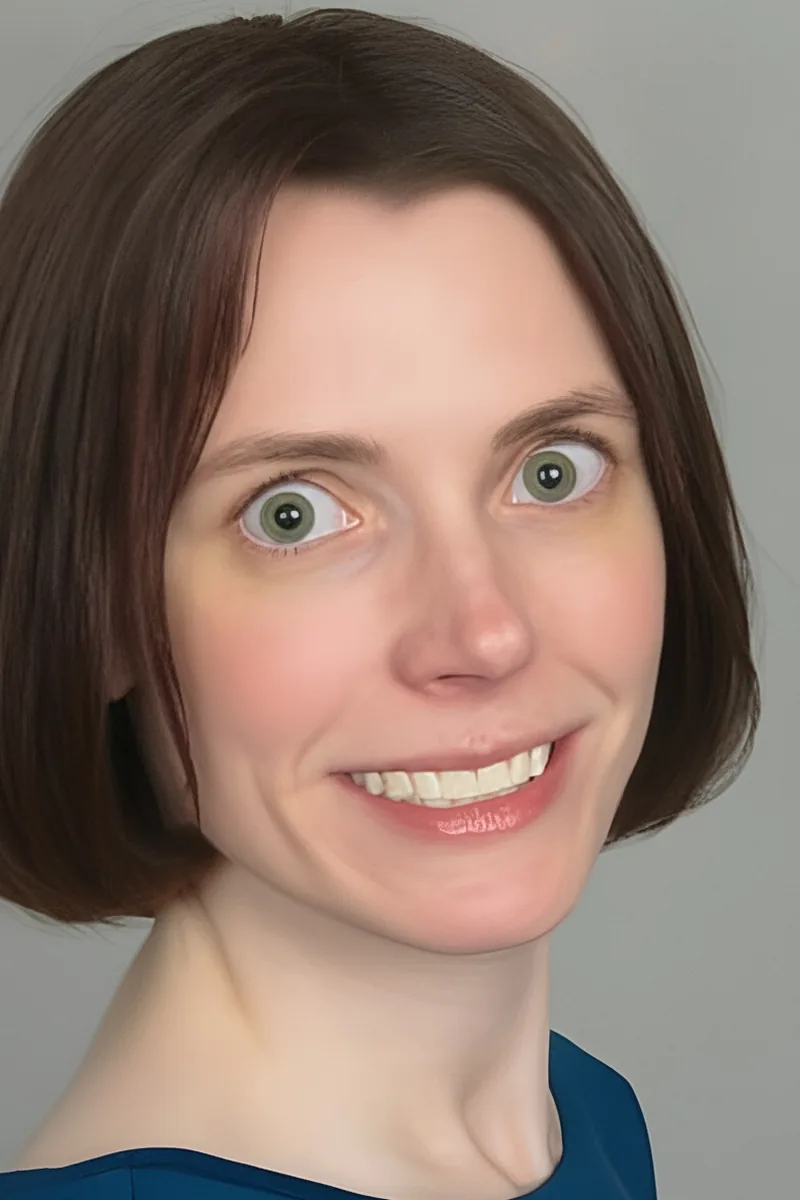
Every learner processes information differently, and Kate's years in the classroom have sharpened her ability to adapt explanations on the fly — whether that means using visual organizers for a student with ADHD or scaffolding a reading passage into smaller chunks for someone with a processing difference. She builds lessons around each student's strengths rather than forcing a one-size-fits-all approach.
Annie's graduate training in counseling psychology gave her direct experience with IEPs, learning accommodations, and the cognitive frameworks behind conditions like dyslexia, ADHD, and processing disorders. She adapts lesson pacing, breaks tasks into smaller chunks, and uses multi-sensory techniques tailored to each learner's profile — not a one-size-fits-all script.
Clinical psychology training fundamentally changes how you understand a struggling learner — Danny's PhD work gives him insight into the cognitive, emotional, and behavioral dimensions that shape how students with learning differences engage with academic material. He draws on formal counseling psychology methods to identify what's actually getting in the way, then adapts instruction accordingly, whether the barrier is processing speed, attention, anxiety around schoolwork, or something else entirely. Rated 5.0 by families.
Rosemary's graduate work in occupational therapy included extensive training in adaptive learning strategies, sensory processing, and task analysis — the clinical side of what special education looks like in practice. She volunteers regularly with the Down syndrome community, giving her hands-on experience tailoring instruction to different cognitive and developmental profiles. That combination means she doesn't just know accommodations exist; she knows how to implement them in real learning moments.
Every learner processes information differently, and Howe adapts pacing, materials, and communication style to match each student's needs rather than forcing a one-size-fits-all approach. Whether the focus is reading comprehension, written expression, or building organizational skills, Howe breaks tasks into manageable steps and adjusts in real time based on what's clicking. That patience and flexibility show up in a consistent 34 ACT-level command of the academic content itself.
Every learner processes information differently, and Zoe's experience in special education means she knows how to identify what's getting in the way — whether it's working memory, processing speed, or difficulty with executive function — and adjust her teaching accordingly. She creates multi-sensory lessons and scaffolded tasks that let students build confidence at their own pace. Her anthropology training also gives her a deep respect for different ways of knowing, which shapes how she approaches every session.
Years of experience working one-on-one with students who have ADHD and other learning differences taught Jillian that the right approach matters more than the right answer. She adapts pacing, breaks concepts into smaller chunks, and uses multiple modes — visual diagrams, verbal walkthroughs, hands-on practice — to match how each student learns best. Her background spans math and life sciences, so she can support students across several core subjects.
Alice's Child and Family Studies minor and education certification program trained her in differentiated instruction and individualized learning plans — skills she's applied across elementary, middle, and high school settings. She adapts pacing, materials, and communication style to each learner's needs, whether that means using graphic organizers to scaffold writing or breaking multi-step math problems into concrete, manageable pieces.
I am an Educator with 22 years of experience working with students of all ages, ability levels, and subject areas. I received my Masters of Education from Slippery Rock and my Bachelors of Art in Sociology with a focus on Secondary Teaching from Geneva College. I've taught in a variety of academic settings; private, public, alternative education, and online. Subjects taught include; Social Studies, Reading, English Language Arts, Math, Science, Biology, AP Psychology, Health, and Study Skills. I hold a Level II Pennsylvania Teaching Certification in the following areas: Special Education N-12, Social Studies, Mid-Level Math, and English. While I tutor a broad range of subjects, I am most passionate about English, Writing, Biology, Social Studies and Social Sciences. When working with students, whether in the classroom or in tutoring sessions, my mission is to assist them in reaching their maximum potential by using research based and innovative teaching methods. I aim to promote success and accomplishment for all students and look forward to working with you!
Students with learning differences often need material broken into smaller, more deliberate steps — especially in reading and writing. Paige uses phonics-based decoding, structured sentence-building exercises, and adaptive reading strategies to meet each learner's pace without skipping the foundational skills they need.
A PhD in neuropsychology means Bill understands learning differences — ADHD, dyslexia, processing speed challenges — at the neurological level, not just as labels on an IEP. He adapts his teaching to how each student's brain actually processes information, whether that means restructuring how material is presented or building in specific compensatory strategies for memory and attention.
Teaching on an ESL elementary campus meant Madison regularly adapted lessons for students with vastly different learning needs, processing speeds, and communication styles. She builds individualized approaches — breaking instructions into smaller steps, using visual and auditory reinforcement, and adjusting in real time — so that each student can access the material at their own pace without feeling left behind.
Earning her Master's in Special Education at NC State gave Sonja deep training in differentiated instruction, IEP goal alignment, and executive function coaching — the behind-the-scenes skills that make tutoring actually work for students with learning differences. She tailors sessions around each student's specific profile, whether that means multisensory reading strategies for dyslexia or chunked math instruction for students with attention challenges. Her 5.0 rating speaks to how well that individualized approach lands.
During her years teaching second through fourth grade, Molly worked daily with students who had a wide range of learning needs, from reading intervention to modified math instruction. She pulls from multiple curricula and adapts materials on the fly — adjusting pacing, breaking tasks into smaller steps, and using multisensory approaches to make concepts accessible. Her 5.0 rating speaks to how well that individualized approach works.
I am able to create quality, yet comprehensive curriculum for my students that will thrust them to succeed. I am very detailed oriented, creative, and have a passion for ensuring student success. It is my endeavor to combine my range of experience with my wealth of education. This includes being a loving, motivating, supporting, fun, and integral educator who will make a positive contribution to each student. I want to help all students build confidence, which will enhance their self esteem as well as personal values. Reaching this objective will directly reflect in the progression of their academic success.
Earning her Master's in Elementary Inclusive Education and Special Education at Columbia's Teachers College, Olivia is trained to differentiate instruction across learning profiles — whether a student has an IEP, a 504 plan, or simply learns differently than the standard classroom assumes. She breaks down academic content using multisensory techniques and scaffolded steps, connecting each lesson to the student's strengths rather than defaulting to one-size-fits-all methods.
Jamie holds a Master's in Special Education, which means he doesn't just adapt lessons on the fly — he designs instruction around how each student processes, retains, and demonstrates understanding. Whether a learner has an IEP addressing executive function challenges, reading disabilities, or autism spectrum needs, Jamie builds structured, multi-sensory approaches that connect to the student's strengths rather than spotlighting gaps.
Kim's approach starts with identifying the specific barrier a student faces — whether it's processing speed, attention, or difficulty transferring skills across contexts — and then adapting instruction around it. Her background spanning anthropology and business gives her an unusually flexible toolkit for reframing concepts in ways that click for different learners. She holds a 5.0 rating across her students.
As a practicing Special Education Social Worker in Minneapolis, Emily understands IEPs, accommodations, and learning differences from the inside — not just as theory. She adapts her approach to each student's specific needs, whether that means breaking reading passages into smaller chunks, using visual supports for math, or building executive functioning skills like task initiation and self-monitoring.
A psychology degree gave Maggie a deep understanding of how learning differences — from ADHD to processing disorders — affect the way students absorb and retain information. She adapts lessons using multi-sensory techniques, scaffolded instructions, and frequent check-ins that keep students engaged without overwhelming them. Her approach is patient and structured, building skills at a pace that respects each learner's needs.
Every learner processes information differently, and Morgan's Psychology degree provides a grounded understanding of how cognitive and behavioral differences shape the way students engage with material. Morgan adapts explanations, pacing, and task structure to match each student's needs — whether that means breaking reading assignments into smaller chunks or using visual organizers to make abstract concepts concrete.
Theresa adapts her teaching pace, format, and explanations to match how each learner actually processes information, whether that means visual organizers for reading comprehension or step-by-step scaffolding in math. Her range across subjects — from writing to algebra to study skills — means she can meet a student's needs without constantly switching tutors.
Testimonials
Because the right Special Education tutor makes all the difference.
Average Session Rating – Based on 3.4M Learner Ratings
Other Scranton Tutors
Frequently Asked Questions
Varsity Tutors matches Scranton students with expert Special Education tutors for 1-on-1 instruction. We pair each student with a tutor based on their specific needs, learning style, and goals.
Whether you need homework help, exam prep, or want to get ahead, our Special Education tutors are ready to help.
Common challenges include gaps from earlier material, difficulty with specific concepts, and trouble applying learning to new problems. These issues can snowball quickly in Special Education.
A tutor identifies where you're stuck, fills in gaps, and provides targeted practice. The 1-on-1 format means you get help exactly where you need it.
Tutors work with your student's actual coursework—homework assignments, class notes, and upcoming tests. This keeps tutoring directly relevant to what's happening in the classroom.
When you share information about your student's school and curriculum, we can match you with a tutor who has relevant experience.
All tutors complete background checks, credential verification, and teaching evaluation. Many of our Special Education tutors hold advanced degrees or have years of teaching experience.
You can review tutor profiles to find someone with the right background for your student's level and needs.
Many students see improved grades within a few weeks, along with better understanding of Special Education concepts and more confidence tackling challenging material.
Tutors track progress and adjust their approach to ensure continued improvement.
Most students benefit from 1-2 sessions per week. More frequent sessions help if your student is significantly behind or has an important exam coming up.
Your tutor can recommend a schedule based on your student's specific situation and goals.
Tutoring is purchased in packages of hours, with rates varying by tutor experience. Varsity Tutors offers several options to fit different budgets and needs.
You can discuss pricing during your consultation to find what works best.
Your tutor will assess where your student is, discuss goals, and start working on priority areas. Most students bring current homework or upcoming test material to focus on.
By the end, you'll have a clear sense of how the tutor can help and a plan for moving forward.
Let’s find your perfect tutor
Answer a few quick questions. We’ll recommend the right plan and match you with a top 5% tutor.