Award-Winning AP Computer Science Principles Tutors
serving Scranton, PA
AP Computer Science Principles
Tutors in Scranton
Private 1-on-1 tutoring, weekly live classes for academic support, test prep & enrichment, practice tests and diagnostics, and more to elevate grades and test scores.
Based on 3.4M Learner Ratings
UniversitiesSchools & Universities
DeliveredHours Delivered
ProficiencyGrowth in Proficiency
Who needs tutoring?
No obligation. Takes ~1 minute.
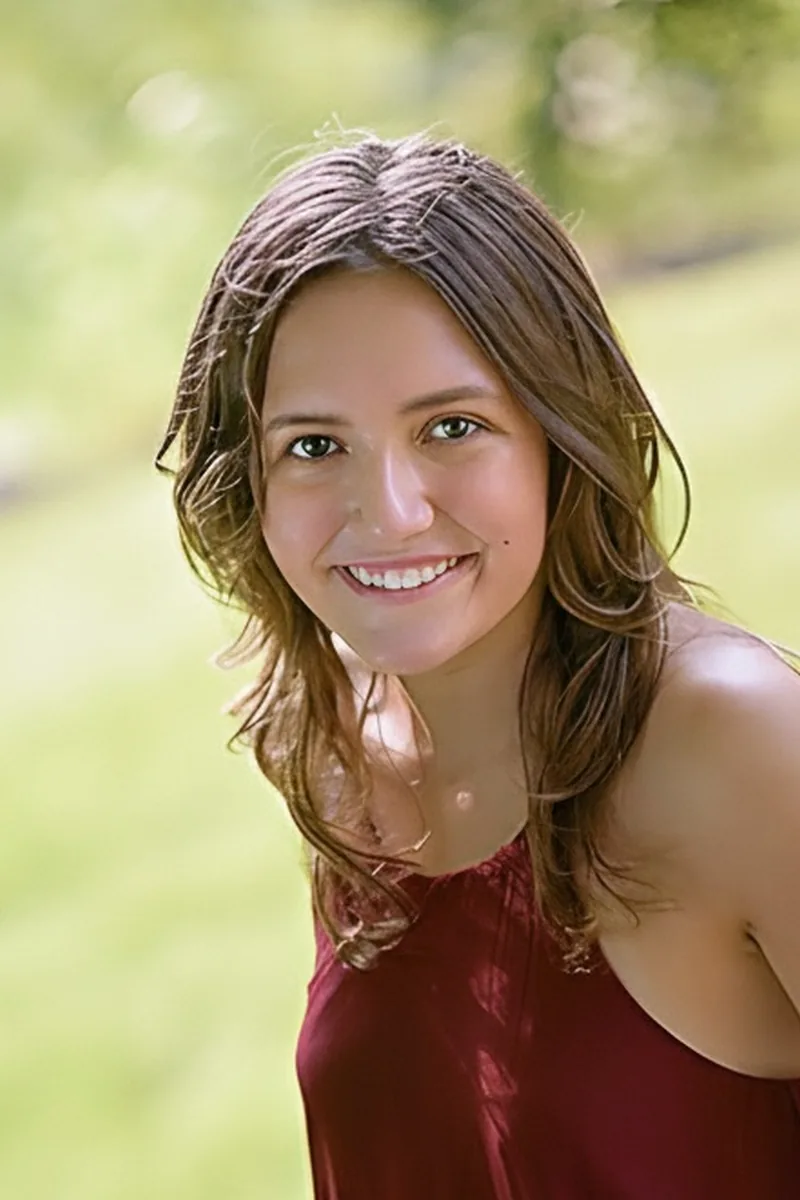
Biomedical engineering at Cornell means Annie writes Python and MATLAB to process real research data — skills that map directly onto AP CSP's emphasis on programming, data analysis, and algorithmic thinking. She teaches the Create Task as a scaled-down version of the same design process she uses in lab: define the problem, plan the logic, build iteratively, then explain your choices clearly. Rated 4.9 by students.
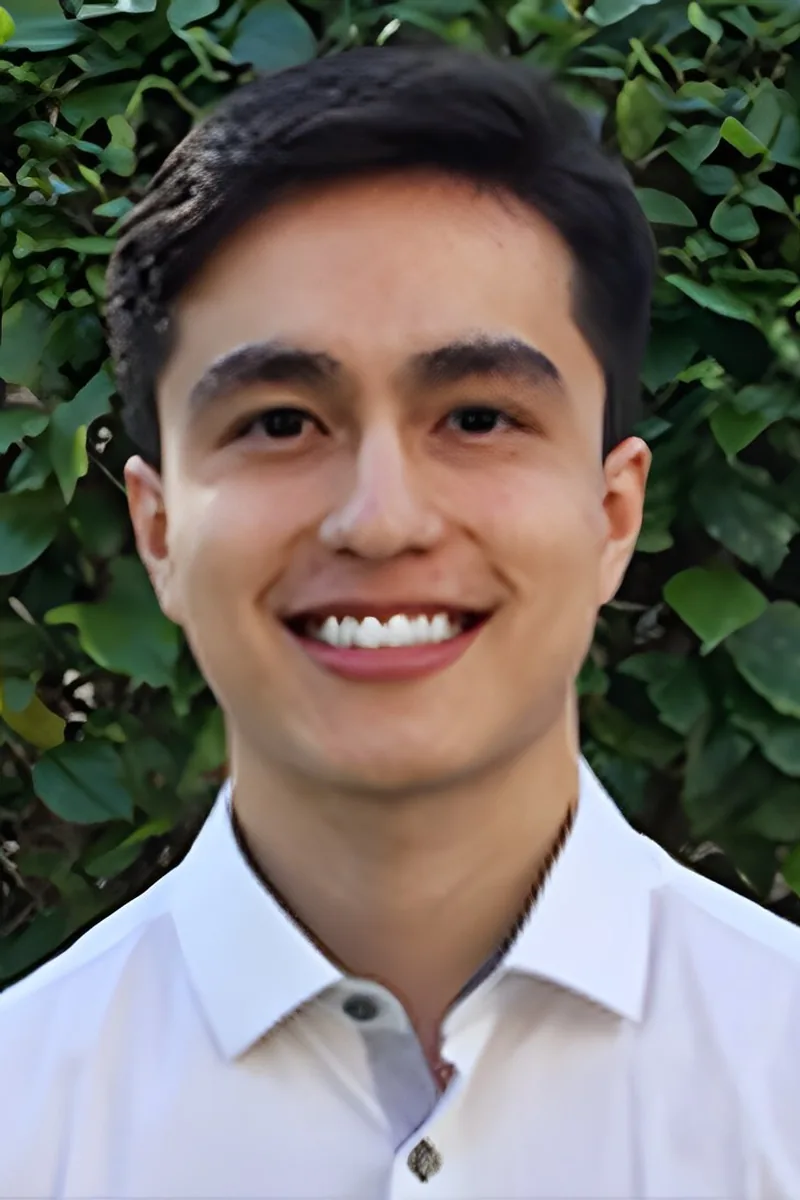
Teaching discrete math at Penn means Keenan spends his weeks translating abstract computational thinking into language undergraduates actually absorb — a skill that maps directly onto AP CSP's pseudocode reasoning and algorithm analysis questions. His philosophy degree also gives him an unusual edge on the exam's societal-impact questions, where students need to construct clear written arguments about data privacy, bias in algorithms, and computing ethics. Rated 5.0 by students.
Matthew codes in Java, C++, Python, and JavaScript — so when AP CSP asks students to reason about algorithms or explain how a program works in pseudocode, he can ground those abstractions in actual programming logic most students haven't seen yet. His Harvard math and CS coursework also means he's sharp on the data analysis and binary representation questions that trip up students who only studied the vocabulary. Rated 4.9 by students.
Kevin has taught AP CSP to first-time coders and students prepping specifically for the exam, so he knows the exact gap between 'I get the concept' and 'I can explain it in exam language.' His data science concentration sharpens the units on data representation and analysis, where he teaches students to interpret tables and draw conclusions the way a working analyst would. The Create Task gets special attention — he builds it backward from the rubric so no documentation points slip away.
Programming in Java and C# across multiple courses gives Steven a working vocabulary for the kind of logic AP CSP tests — but instead of syntax, he zeroes in on the conceptual layer: how loops, conditionals, and variables behave in pseudocode traces where you can't rely on a compiler to catch mistakes. That shift from writing real code to reasoning about code on paper is exactly where most students lose points, and his 5.0 rating suggests he's closing that gap effectively.
AP CSP's exam leans heavily on reading and reasoning through pseudocode — a skill that clicks faster when you already think in real programming languages. Sarah codes in C++ and Python as part of her computer science degree and works as an IT technician, so she bridges the gap between the abstract logic on the exam and the concrete debugging instincts students need for the Create Task.
I am graduated from Penn State University in Industrial Engineering in 2017. I've tutored ever since I was in high school, and I love helping people! I like to help my students understand math (and other topics) instead of just doing it blindly. My goal is to help my students improve their math (and other topics) and build skills that will help them find learning easier in the future! Fun fact, I used to work for Disney and I like to salsa dance!
Most AP CSP students get tripped up not by the coding but by the Big Idea questions that ask them to reason about how computing affects the world — privacy, bias in algorithms, digital divide issues. Susie pairs her Duke CS coursework with a genuine interest in the humanities side of tech, which means she can coach students through both the conceptual exam material and the written responses on the Create Task without defaulting to jargon.
AP CSP covers a surprisingly wide range — the internet, data analysis, cybersecurity, and the societal impacts of computing — without going deep into any single programming language. Samuel connects these broad topics back to concrete examples from his own CS studies at Florida Tech, making the create task and multiple-choice exam feel far more manageable. Rated 5.0 by students.
John's CS degree plus years coding in Java, C++, and SQL means he can ground AP CSP's more abstract units — like how the internet actually moves data or why abstraction matters in program design — in real programming experience. He also brings a finance MBA perspective to the data analysis and societal impact questions, giving students a practical lens that makes exam responses sharper and more specific.
Computer engineering majors live inside the concepts AP CSP tests — binary representation, how the internet's layers talk to each other, the way abstraction turns messy problems into clean designs. Alfred studies exactly this at URI, so he can ground pseudocode questions and Create Task planning in the real engineering systems he's building in his own coursework. Rated 5.0 by students.
Software engineering internships at Apple and Microsoft gave Jerry a firsthand view of how the concepts in AP CSP — abstraction, algorithm design, data representation — actually play out in production code. He uses that industry context to make the Create Performance Task feel like a real development project rather than a classroom exercise, which sharpens both the programming and the written-response components. Rated 4.9 by students.
Bryan codes in Java, C++, Python, and JavaScript daily as a CS major at Penn, which means the programming and algorithm design portions of AP CSP come naturally — but he's equally sharp on the conceptual side, like explaining how data travels across the internet or why abstraction matters in system design. He scored a 35 ACT and holds a 5.0 tutoring rating, and he's particularly effective at coaching students through the written response component of the Create Task, where clear technical communication counts as much as the code itself.
Cognitive science training at Stanford gave David an unusual lens for AP CSP — he studied how humans process information before studying how computers do, which means he can explain abstraction, algorithms, and data representation in terms that actually click. His experience teaching web and app development to high schoolers abroad sharpened his ability to walk students through the Create Task from planning to polished written response.
Adel's PhD in mechanical engineering required extensive work in Java and computational modeling — skills that translate directly to the algorithmic thinking and pseudocode analysis at the heart of AP CSP. He unpacks topics like data representation and abstraction by tying them to engineering simulations where those concepts have real consequences. Rated 4.8 by students.
I am a recent graduate with a master's in electrical engineering from Case Western Reserve University. I won the Bill and Melinda Gates Millennium Scholarship which covers full tuition up to Ph.D. I was on the Dean's List for three consecutive years. Additionally, I won the OZY Media Genius Award in 2015 to work on high-temperature superconductors. I currently work as a Technology Analyst at Accenture. I am also seriously considering whether I should go for a Ph.D. or not.
Six semesters as a teaching assistant for digital logic at Cornell gave Alexander a deep intuition for how computers actually think — the binary, the abstraction layers, the logic gates underneath every algorithm. He brings that hardware-level understanding to AP CSP's big ideas, especially when explaining how the internet and data representation work under the hood. Rated 5.0 by students.
Evan's game development work in Unity — building systems that rely on abstraction layers, event-driven logic, and efficient data handling — maps directly onto the computational thinking AP CSP tests. He uses his own projects to show students how pseudocode translates into real design decisions, which makes the Create Task feel like building something instead of checking rubric boxes. His 34 ACT reflects the kind of cross-disciplinary reasoning this exam rewards.
Testimonials
Because the right AP Computer Science Principles tutor makes all the difference.
Average Session Rating – Based on 3.4M Learner Ratings
Nearby AP Computer Science Principles Tutors
Other Scranton Tutors
Related Technology and Coding Tutors in Scranton
Frequently Asked Questions
Varsity Tutors matches Scranton students with expert AP Computer Science Principles tutors for 1-on-1 instruction. We pair each student with a tutor based on their specific needs, learning style, and goals.
Whether you need homework help, exam prep, or want to get ahead, our AP Computer Science Principles tutors are ready to help.
Common challenges include gaps from earlier material, difficulty with specific concepts, and trouble applying learning to new problems. These issues can snowball quickly in AP Computer Science Principles.
A tutor identifies where you're stuck, fills in gaps, and provides targeted practice. The 1-on-1 format means you get help exactly where you need it.
Tutors work with your student's actual coursework—homework assignments, class notes, and upcoming tests. This keeps tutoring directly relevant to what's happening in the classroom.
When you share information about your student's school and curriculum, we can match you with a tutor who has relevant experience.
All tutors complete background checks, credential verification, and teaching evaluation. Many of our AP Computer Science Principles tutors hold advanced degrees or have years of teaching experience.
You can review tutor profiles to find someone with the right background for your student's level and needs.
Many students see improved grades within a few weeks, along with better understanding of AP Computer Science Principles concepts and more confidence tackling challenging material.
Tutors track progress and adjust their approach to ensure continued improvement.
Most students benefit from 1-2 sessions per week. More frequent sessions help if your student is significantly behind or has an important exam coming up.
Your tutor can recommend a schedule based on your student's specific situation and goals.
Tutoring is purchased in packages of hours, with rates varying by tutor experience. Varsity Tutors offers several options to fit different budgets and needs.
You can discuss pricing during your consultation to find what works best.
Your tutor will assess where your student is, discuss goals, and start working on priority areas. Most students bring current homework or upcoming test material to focus on.
By the end, you'll have a clear sense of how the tutor can help and a plan for moving forward.
Let’s find your perfect tutor
Answer a few quick questions. We’ll recommend the right plan and match you with a top 5% tutor.