Award-Winning AP Computer Science Principles Tutors
serving Harrisburg, PA
AP Computer Science Principles
Tutors in Harrisburg
Private 1-on-1 tutoring, weekly live classes for academic support, test prep & enrichment, practice tests and diagnostics, and more to elevate grades and test scores.
Based on 3.4M Learner Ratings
UniversitiesSchools & Universities
DeliveredHours Delivered
ProficiencyGrowth in Proficiency
Who needs tutoring?
No obligation. Takes ~1 minute.
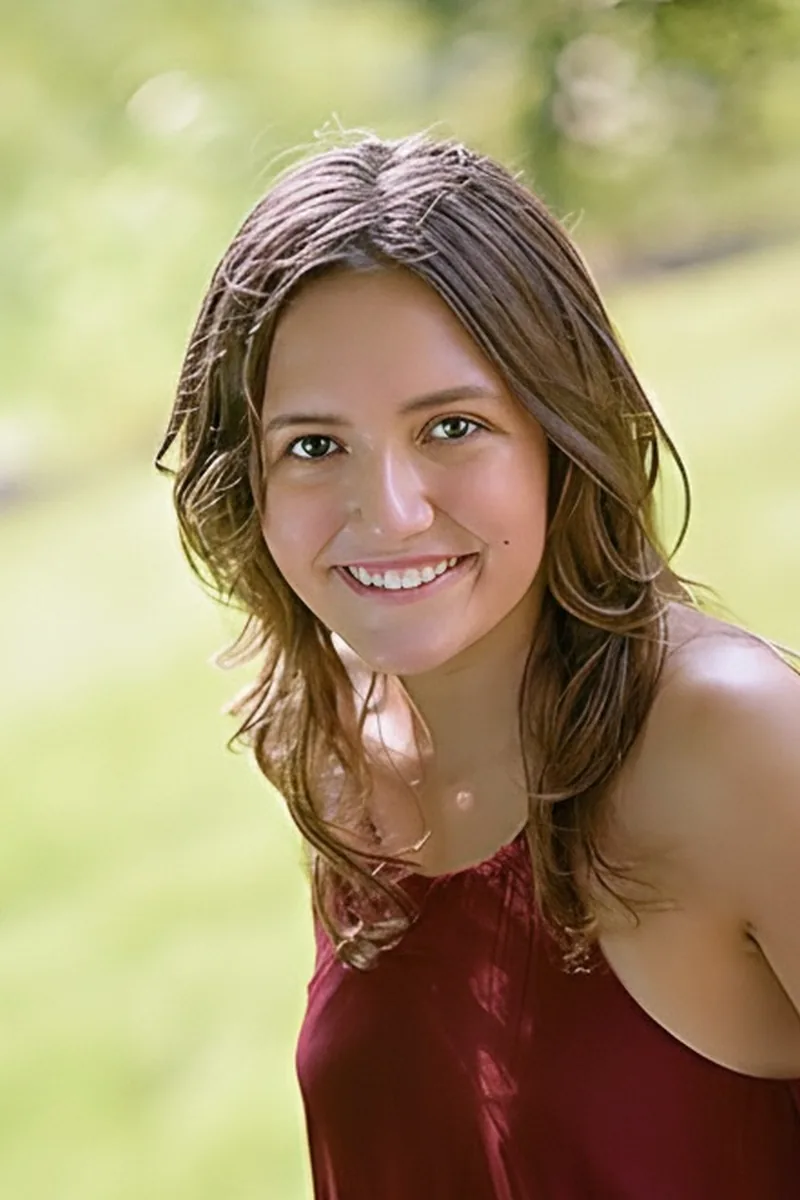
Biomedical engineering at Cornell means Annie writes Python and MATLAB to process real research data — skills that map directly onto AP CSP's emphasis on programming, data analysis, and algorithmic thinking. She teaches the Create Task as a scaled-down version of the same design process she uses in lab: define the problem, plan the logic, build iteratively, then explain your choices clearly. Rated 4.9 by students.
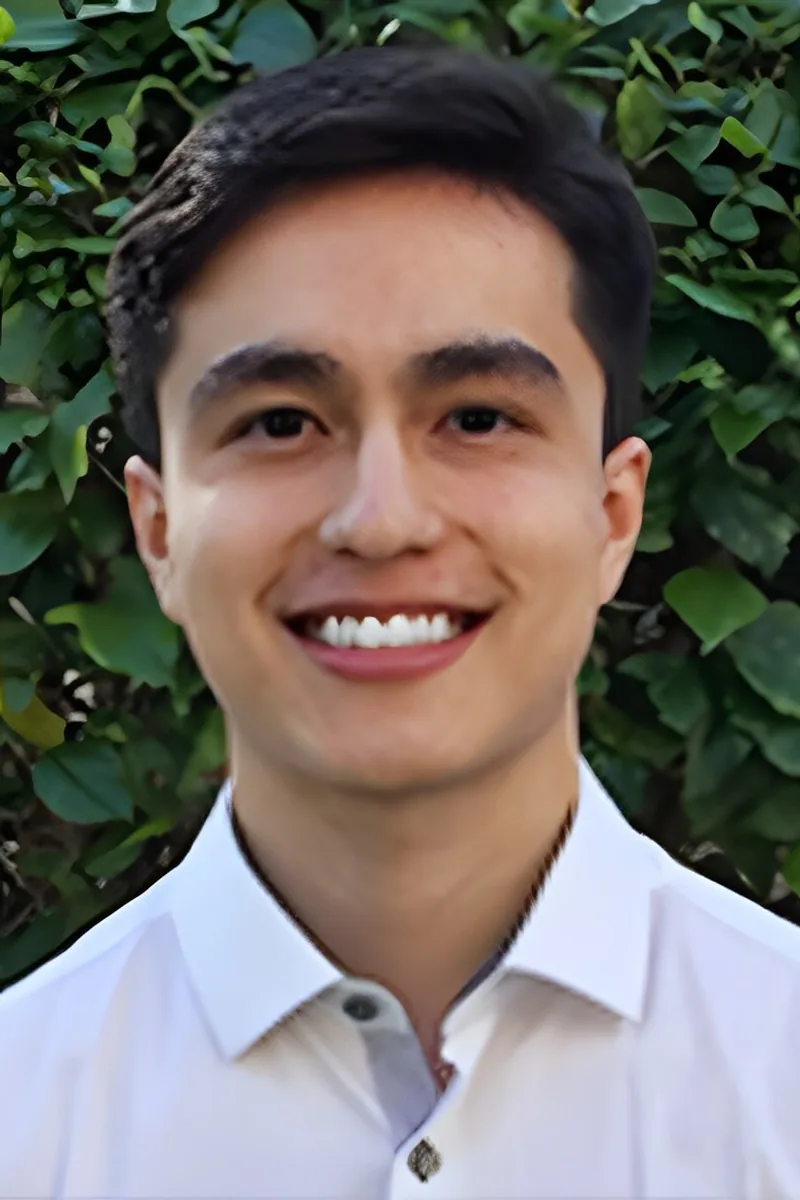
Teaching discrete math at Penn means Keenan spends his weeks translating abstract computational thinking into language undergraduates actually absorb — a skill that maps directly onto AP CSP's pseudocode reasoning and algorithm analysis questions. His philosophy degree also gives him an unusual edge on the exam's societal-impact questions, where students need to construct clear written arguments about data privacy, bias in algorithms, and computing ethics. Rated 5.0 by students.
Matthew codes in Java, C++, Python, and JavaScript — so when AP CSP asks students to reason about algorithms or explain how a program works in pseudocode, he can ground those abstractions in actual programming logic most students haven't seen yet. His Harvard math and CS coursework also means he's sharp on the data analysis and binary representation questions that trip up students who only studied the vocabulary. Rated 4.9 by students.
Kevin has taught AP CSP to first-time coders and students prepping specifically for the exam, so he knows the exact gap between 'I get the concept' and 'I can explain it in exam language.' His data science concentration sharpens the units on data representation and analysis, where he teaches students to interpret tables and draw conclusions the way a working analyst would. The Create Task gets special attention — he builds it backward from the rubric so no documentation points slip away.
Programming in Java and C# across multiple courses gives Steven a working vocabulary for the kind of logic AP CSP tests — but instead of syntax, he zeroes in on the conceptual layer: how loops, conditionals, and variables behave in pseudocode traces where you can't rely on a compiler to catch mistakes. That shift from writing real code to reasoning about code on paper is exactly where most students lose points, and his 5.0 rating suggests he's closing that gap effectively.
AP CSP's exam leans heavily on reading and reasoning through pseudocode — a skill that clicks faster when you already think in real programming languages. Sarah codes in C++ and Python as part of her computer science degree and works as an IT technician, so she bridges the gap between the abstract logic on the exam and the concrete debugging instincts students need for the Create Task.
Benjamin's finance and economics training at Notre Dame meant constant work with data modeling, algorithmic thinking, and spreadsheet automation — skills that map directly onto AP CSP's units on data analysis, abstraction, and the impact of computing. He approaches the Create Task like a business case: define the problem, plan the logic in pseudocode, build it, then write it up so a non-technical audience gets it. Rated 5.0 by students.
Coming from Thomas Jefferson High School for Science and Technology — one of the most competitive STEM programs in the country — and now studying computer engineering at Vanderbilt, Rhamy brings real depth to the algorithms and abstraction concepts that AP CSP tests. He digs into how programming logic actually maps to hardware, which gives students an intuitive grasp of topics like data representation and protocol layers that most review guides gloss over. Rated 5.0 by students.
Studying both neuroscience and computer science at Duke means Ankit lives at the intersection AP CSP actually tests — how computing shapes real-world systems, from brain imaging pipelines to cybersecurity ethics. He digs into the algorithmic thinking and data representation questions that trip students up on the multiple-choice section, and coaches the Create Task from initial planning through the written response. Rated 4.8 by students.
Ronit studies computer science at Yale and knows AP CSP's curriculum from the student side — which Big Ideas actually trip people up on the multiple-choice and where the Create Task rubric quietly punishes vague written responses. He digs into the explanatory writing piece that most students underestimate, teaching how to describe an algorithm's purpose and trace through pseudocode with the precision the exam expects. Rated 5.0 by students.
Stanford's economics curriculum leans heavily on data analysis and programming — skills that map directly onto AP CSP's units on data representation, algorithms, and computational thinking. Julia applies that quantitative training to demystify pseudocode logic and the Create Task's written responses, where clearly explaining your program matters as much as building it. Rated 4.8 by students.
Nicholas codes in Java, Python, JavaScript, C#, and HTML/CSS daily — so when AP CSP asks students to reason about algorithms or data representation in pseudocode, he can instantly translate those abstractions into real programming scenarios that make the logic click. His Penn State CS degree also means he understands the networking and cybersecurity concepts woven through the course at a technical level most high schoolers never see. Rated 5.0 by students.
Derek scored 5s on both AP Computer Science A and AP Physics C while taking 16 APs at the high school level, so he knows how to manage the breadth of a course like AP CSP without letting any Big Idea slip through the cracks. Now studying CS at Harvard with an applied math minor, he digs into the algorithmic thinking and pseudocode reasoning that drive the multiple-choice section — and coaches students through the Create Task with the structured planning habits that come from building real software projects.
Electrical engineering taught Jake to think in systems — how signals move, how data gets encoded, how layers of abstraction stack to make hardware and software talk to each other. That mindset maps directly onto AP CSP's trickiest material, from binary representation to internet protocols to algorithm tracing in pseudocode. He also teaches across five programming languages, so the Create Task's coding component comes naturally.
Lance studied both theoretical mathematics and computer science as an undergraduate before entering medical school, which means he's written real code in Java, C, and SQL — not just traced pseudocode on a worksheet. That practical depth lets him teach AP CSP's algorithmic thinking and abstraction concepts through actual programming logic, giving students a clearer mental model when they hit the Create Task or encounter unfamiliar algorithm-tracing questions on the exam.
Daniel writes production software for a living and is pursuing a PhD in Computer Science, which means he can show students exactly how concepts like abstraction, algorithms, and data representation play out in real codebases — not just on slides. He's particularly effective at coaching the Create Task, walking students through project planning and the written responses that separate a 3 from a 5. Rated 5.0 by students.
Sasha's computer engineering degree means the hardware side of AP CSP — binary encoding, logic gates, how data physically moves through networks — isn't abstract theory but something she's built circuits around. She uses that hands-on perspective to make the course's Big Ideas feel grounded, especially when students hit the units on data representation and internet protocols that tend to blur together without a concrete mental model. Rated 4.9 by students.
Studying Computer Science at UNC Chapel Hill, Jack brings hands-on programming experience in Java and C to a course where most students are writing their first real program for the Create Task. He digs into the pseudocode logic and algorithm design questions that trip up students on the multiple-choice section, connecting them back to actual coding patterns so the reasoning clicks. Rated 4.7 by students.
Testimonials
Because the right AP Computer Science Principles tutor makes all the difference.
Average Session Rating – Based on 3.4M Learner Ratings
Nearby AP Computer Science Principles Tutors
Other Harrisburg Tutors
Related Technology and Coding Tutors in Harrisburg
Frequently Asked Questions
AP Computer Science Principles focuses on computational thinking, algorithms, programming, data, the internet, cybersecurity, and the global impact of computing. Unlike AP Computer Science A, it emphasizes breadth over depth, making it accessible to students without prior coding experience. The course includes both multiple-choice and free-response sections on the exam, plus a Create Performance Task completed during the school year that counts toward your final score.
A score of 3 or higher is considered passing and earns college credit at most institutions. The exam is scored 1-5, and roughly 65-70% of test-takers earn a 3 or above. Your target score depends on your college goals—competitive schools typically prefer 4s or 5s. Personalized tutoring can help you identify weak areas early and develop a study plan to reach your goal score.
Many students struggle with understanding algorithms and tracing code logic, especially if they're new to programming. Others find the free-response questions challenging because they require explaining computational concepts in writing, not just selecting answers. The Create Performance Task also trips up students who underestimate the documentation and reflection requirements. Tutors can break down these concepts step-by-step and provide targeted practice on question formats you find most difficult.
Most students benefit from starting tutoring 8-12 weeks before the exam in May, though earlier preparation helps if you're building foundational programming skills. A typical study schedule includes 3-5 hours per week of focused practice, supplemented by 1-2 tutoring sessions. If you're working on your Create Performance Task, starting tutoring in the fall allows time to refine your project and practice explaining your work clearly.
Your first session focuses on assessment and planning. A tutor will review your current understanding of key AP CSP concepts, identify which topics need the most work, and discuss your target score. You'll also go over practice test results (if available) to pinpoint specific question types or concepts causing trouble. From there, your tutor creates a personalized study plan that fits your timeline and learning style.
Practice tests are essential for success on the AP exam. They help you get comfortable with the exam format, timing, and question styles, while revealing exactly which concepts need more review. Taking full-length practice tests under timed conditions builds test-taking stamina and confidence. Tutors can review your practice test results with you, explain why you missed questions, and target your study sessions on weak areas rather than wasting time on topics you already know.
Yes. Tutors can help you understand the task requirements, brainstorm project ideas, review your code for clarity, and practice explaining your computational thinking and design decisions. The Create Task requires strong written explanations of your program's purpose, functionality, and impact—skills a tutor can coach you through. Many students in Harrisburg's 11 school districts benefit from tutoring support on this component since it counts significantly toward your final AP score.
Look for tutors with strong computer science backgrounds, ideally with experience teaching or tutoring AP CSP specifically. They should understand both the technical content (algorithms, programming, data representation) and the AP exam format. Experience with the Create Performance Task is a plus, as is familiarity with the scoring rubrics. Varsity Tutors connects you with expert tutors who have proven success helping students master AP Computer Science Principles and improve their exam performance.
Let’s find your perfect tutor
Answer a few quick questions. We’ll recommend the right plan and match you with a top 5% tutor.