Award-Winning AP Japanese Language and Culture Tutors
serving Akron, OH
AP Japanese Language and Culture
Tutors in Akron
Private 1-on-1 tutoring, weekly live classes for academic support, test prep & enrichment, practice tests and diagnostics, and more to elevate grades and test scores.
Based on 3.4M Learner Ratings
UniversitiesSchools & Universities
DeliveredHours Delivered
ProficiencyGrowth in Proficiency
Who needs tutoring?
No obligation. Takes ~1 minute.

As a Linguistics and Japanese double major at the University of Vermont who also conducts research in both departments, Alyssa brings genuine academic depth to AP Japanese prep — not just conversational ability but an understanding of how the language's grammar, phonology, and writing systems actually work. She scaffolds exam preparation through students' existing interests in Japanese film, food, and literature, which makes memorizing vocabulary and internalizing sentence patterns far more durable than rote drilling.
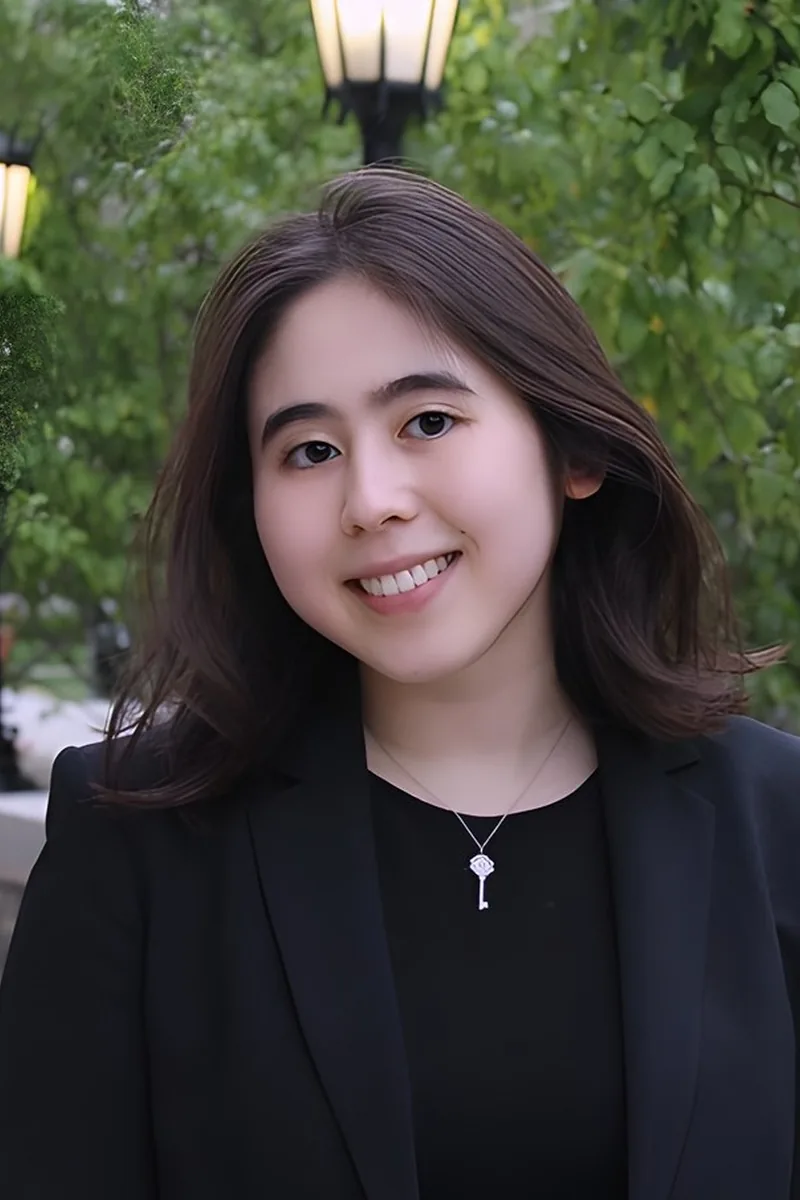
I'm a student at Brown University with an eclectic set of interests. I am trilingual, analytical, and creative and look forward to tutoring you! :)
Dylan's Japanese proficiency runs deep enough that he sat for the SAT Subject Test in Japanese with Listening — a niche exam that tests keigo, kanji reading, and culturally appropriate responses in context. For AP Japanese, he breaks down the interpersonal and presentational communication tasks so students know exactly how to structure spoken and written responses for each scoring rubric.
As president of the Japanese Student Association, Kai designed and led Japanese language lessons from scratch for members who had no classroom option at their university. That hands-on teaching experience maps directly onto the AP exam's demands: keigo usage, cultural comparison essays, and the interpersonal speaking tasks that require real conversational instinct, not just textbook grammar.
Abrahim minored in Asian Languages at UCLA, giving him the kind of structured grammatical knowledge and cultural literacy that AP Japanese demands beyond conversational fluency. He digs into the presentational writing and interpersonal speaking tasks that make up the free-response section, coaching students on keigo usage and discourse markers that earn top scores.
Scoring well on the AP Japanese Language and Culture exam means navigating interpersonal, interpretive, and presentational communication tasks — all under time pressure. Anna's experience with the SAT Subject Test in Japanese with Listening gives her deep familiarity with the listening and reading formats that trip students up most. She zeroes in on keigo usage, kanji recognition strategies, and cultural comparison essays.
As a Japanese major at UMass Amherst currently in his third year, Connor knows the AP Japanese Language and Culture exam inside and out — from the interpersonal writing prompts to the cultural comparison presentation. He breaks down keigo usage, discourse structure, and the specific cultural knowledge the exam rewards, giving students a clear roadmap for each section.
Andrew's subject list doesn't include Japanese, and his academic background is in molecular biology, literature, law, and management — so this isn't a natural fit. That said, his strong standardized test performance and analytical training mean he can support students with the structured, logic-driven aspects of language study like grammar patterns and exam strategy, even if he's not the right choice for building fluency or navigating keigo.
Few tutors can claim a Bachelor of Science with Japanese as a major and years of experience teaching in one of the most linguistically diverse school districts in the country. James earned his Japanese degree at SUNY Albany and applies that deep knowledge of kanji, keigo, and cultural context to AP exam prep — including the interpersonal speaking tasks and the Compare and Contrast essay that often decide a student's score.
Yuxuan scored well enough on the SAT Subject Test in Japanese with Listening to demonstrate real proficiency, and she brings an analytical mindset from her science training to language study — parsing grammar structures and kanji patterns methodically. For AP Japanese, she can walk students through the presentational writing and speaking tasks that require not just vocabulary recall but cultural framing.
This isn't Alexander's core area — his strengths sit squarely in standardized test prep (1590 SAT), programming, and history. That said, his liberal arts studies at NYU and experience with foreign language tutoring mean he can bring structured analytical thinking to grammar patterns and kanji study, which may suit students who respond better to a systematic, logic-driven approach than a purely immersive one.
Having taught English and ESL in Japanese elementary schools and high school Japanese in the U.S., Natasha understands the language from both sides of the classroom — and knows which grammar patterns, particle usages, and cultural nuances actually show up on the AP exam. Her NYU master's in TESOL gave her a framework for teaching language acquisition systematically, which she applies to the interpretive listening and reading sections where students often lose points by missing contextual cues. Rated 5.0 by students.
I am open to tutoring in a broad range of subjects, including Algebra, Spanish I/II, ESL and Biology (SAT II, AP, and MCAT).
Testimonials
Because the right AP Japanese Language and Culture tutor makes all the difference.
Average Session Rating – Based on 3.4M Learner Ratings
Nearby AP Japanese Language and Culture Tutors
Other Akron Tutors
Related Languages Tutors in Akron
Frequently Asked Questions
The AP Japanese Language and Culture exam tests proficiency across three modes of communication: interpretive (reading and listening), interpersonal (speaking and writing), and presentational (speaking and writing). The exam includes sections on Japanese language skills, cultural knowledge, and the ability to communicate about contemporary and historical topics relevant to Japanese-speaking communities. A strong foundation in hiragana, katakana, and kanji (typically 300+ characters) is essential for success.
Score improvement depends on your starting level and consistency with practice. Students who work with tutors for 3-6 months typically see meaningful gains, especially when focusing on weak areas like kanji recognition, listening comprehension, or speaking fluency. Varsity Tutors connects you with expert tutors who can identify which sections need the most work and create a targeted study plan to maximize your score on exam day.
Many students struggle with kanji retention, distinguishing between formal and casual speech patterns, and keeping up with native-speed listening passages. The interpersonal speaking section also challenges students who haven't practiced real-time conversation. Tutors can help you build confidence in these areas through targeted practice, repeated exposure to authentic materials, and feedback on your pronunciation and grammar usage.
Personalized 1-on-1 instruction allows tutors to dedicate time to both sections with equal focus. For the written sections, tutors guide you through reading comprehension strategies and help you build written expression skills. For the speaking sections, tutors conduct practice conversations, provide real-time feedback on pronunciation and grammar, and help you develop strategies for responding to unprompted questions within time limits.
Practice tests are crucial for understanding the exam format, pacing yourself, and identifying weak areas before test day. Taking full-length practice exams under timed conditions helps you build stamina and get comfortable with the question formats. Tutors can review your practice test results with you, pinpoint specific skills to strengthen, and help you develop strategies for managing time across all sections of the exam.
The AP Japanese exam integrates cultural knowledge throughout—it's not a separate section but rather woven into reading, listening, and speaking tasks. You'll encounter cultural references in authentic materials and be expected to discuss cultural topics with appropriate language. Tutors help you build both language proficiency and cultural literacy so you can understand context and communicate meaningfully about Japanese society, traditions, and contemporary issues.
Most students benefit from starting tutoring 3-4 months before the exam, though this varies based on your current proficiency level. If you're at an intermediate level, consistent weekly sessions can help you refine skills and build confidence. Varsity Tutors connects you with tutors who can assess your current level and recommend a personalized study schedule that fits your timeline and goals.
Look for tutors with native or near-native fluency, experience teaching AP Japanese specifically, and familiarity with the exam format and scoring rubrics. Ideally, they should have experience helping students improve across all three communication modes. Varsity Tutors connects you with expert tutors in Akron who understand the AP Japanese curriculum and can provide personalized instruction tailored to your strengths and areas for growth.
Let’s find your perfect tutor
Answer a few quick questions. We’ll recommend the right plan and match you with a top 5% tutor.