Award-Winning Computer Science Tutors
serving Raleigh, NC
Computer Science
Tutors in Raleigh
Private 1-on-1 tutoring, weekly live classes for academic support, test prep & enrichment, practice tests and diagnostics, and more to elevate grades and test scores.
Based on 3.4M Learner Ratings
UniversitiesSchools & Universities
DeliveredHours Delivered
ProficiencyGrowth in Proficiency
Who needs tutoring?
No obligation. Takes ~1 minute.

I graduated from the University of North Carolina at Chapel Hill with a Bachelor of Science in Physics. I work with students in a variety of subjects, including Math, Physics, and Chemistry. I have experience working with students on the Autism spectrum and with ADHD.
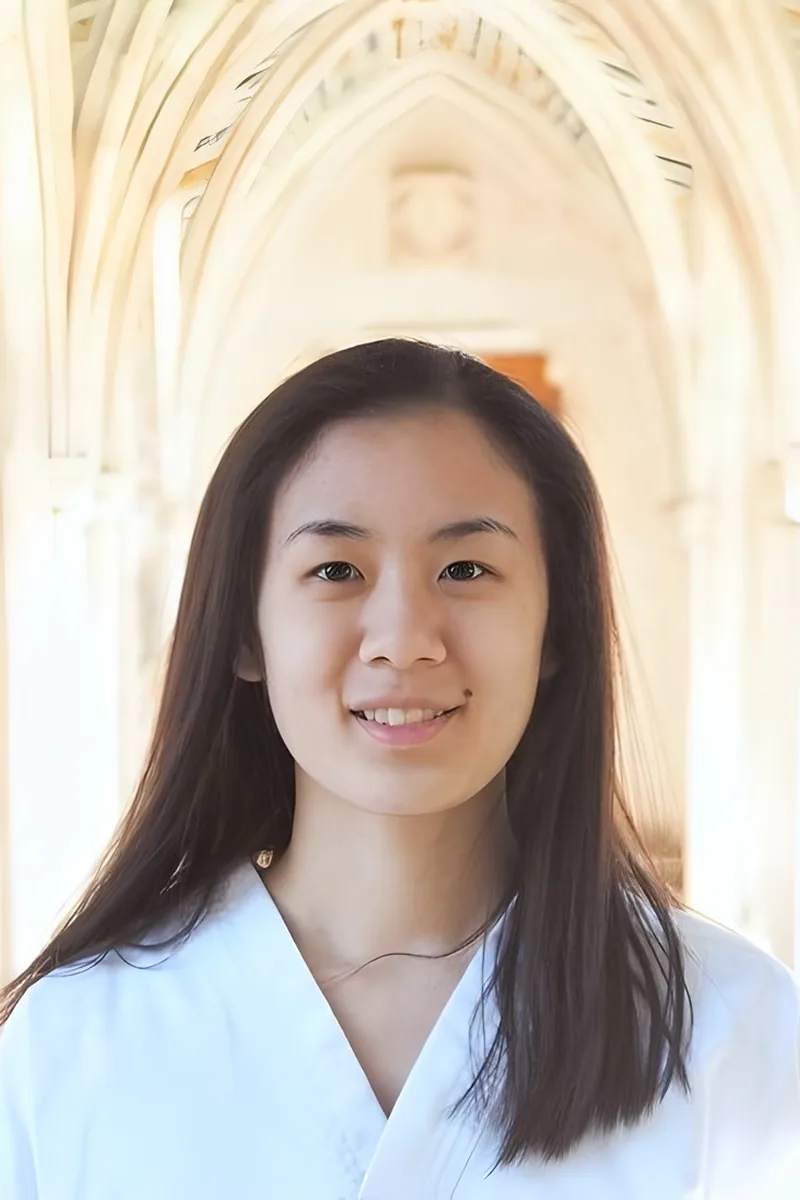
Florence doesn't just study computer science at Duke — she teaches it, having served as a TA for Intro to Databases and Computer Network Architecture while also interning in software development at IBM. That combination of academic depth and industry experience means she can explain everything from relational algebra to TCP/IP networking with concrete, real-world context. Rated 5.0 by students.
Studying computer science at Duke means Susie is immersed in everything from algorithm analysis to systems design right now, which keeps her explanations current and grounded. She's especially sharp at connecting theoretical ideas like Big-O notation and recursion to the practical code students actually write. Co-founding a tutoring club in high school gave her early practice at making tough material click.
Studying computer science at UNC Chapel Hill means Jack lives in the material — algorithms, data structures, operating systems, and computational theory aren't abstract topics for him but daily coursework. He breaks down concepts like recursion, Big-O analysis, and memory management into intuitive explanations that stick.
Tackling a computer science minor alongside mechanical engineering at Duke, Shaan lives at the intersection of hardware thinking and software logic. He teaches core CS concepts — algorithm complexity, recursion, data structures, and object-oriented design — by connecting abstract ideas to concrete implementations, which is especially useful for students encountering Big-O notation or sorting algorithms for the first time.
Understanding computer science means thinking algorithmically: knowing not just that a sorting algorithm works, but why merge sort outperforms bubble sort at scale and how to analyze that difference with Big-O notation. Shourya codes in Python, C++, and MATLAB, which lets him adapt explanations to whichever language a student's course uses while keeping the focus on the underlying logic of data structures and algorithms.
I am a graduate student at George Mason University studying Computer Science. I also graduated at Vanderbilt University, with Bachelors Degrees in Computer Science, Mathematics, and Philosophy. When a student does not understand a topic or concept, I believe the best way to teach it is to meet students where they are at, providing individually catered feedback, and exploring the aspects of a student's weaknesses, finding a way to explain the concept in a way that resonates with and makes sense to the student. I am most familiar with tutoring for the SAT, where I have generally increased scores by 120-300 points.
Justin's PhD research in computational mathematics meant writing code daily — building simulations, implementing algorithms, and debugging in MATLAB and other languages. He teaches computer science concepts like data structures, recursion, and algorithmic complexity by connecting them to real computational problems rather than treating them as abstract definitions to memorize.
Between a master's in Computer Science, an active PhD program, and a full-time software development career, Daniel lives this subject from multiple angles — theoretical and applied. He unpacks everything from algorithmic complexity and data structures to systems-level thinking, tailoring the depth to wherever a student currently sits in their CS journey.
Corrina's mechanical engineering degree required extensive programming coursework, and she now teaches core computer science concepts — data structures, algorithms, Boolean logic, and computational thinking — in a way that makes abstract ideas tangible. She connects each concept to real applications, whether that's sorting algorithms in a search engine or conditionals inside a robot's control loop.
From automata theory and computational complexity to practical algorithm design, Firas covers computer science as both a theoretical discipline and a hands-on craft. His Ph.D. research at the intersection of machine learning and big data means he can connect abstract CS concepts — graph traversals, runtime analysis, NP-completeness — to the systems that actually use them. Rated 5.0 by students.
Studying computer science at MIT, Brice digs into everything from data structures and algorithms to systems-level thinking with students at any stage. He's tutored over 30 students in the past year alone, tackling topics like recursion, object-oriented design, and algorithmic complexity. Rated 4.9 by students.
Earning a certificate in Statistics and Machine Learning at Princeton gave Julie hands-on experience with core computer science concepts — algorithm design, data structures, and computational complexity. She approaches CS the way she approaches philosophy: by asking students to reason through *why* a solution works, not just whether it compiles.
Eric treats coding problems the same way he treats logical puzzles — by breaking them apart, finding the pattern, and building a solution step by step. As a CS major at Washington University in St. Louis, he's deep in Java and JavaScript right now, which means he can walk students through everything from writing their first function to structuring a full object-oriented program. His approach emphasizes learning to think through problems algorithmically before jumping to syntax.
A computer science degree paired with coursework in theoretical mathematics gives Lance an unusually strong grasp of the abstractions underneath the code — automata theory, algorithm complexity, data structures, and computational logic. He spent multiple semesters as a TA and independent instructor for CS courses, so he's seen firsthand which concepts trip students up and how to reframe them. Whether the topic is graph traversal or NP-completeness, he breaks it into pieces that actually make sense.
Holding both a B.S. in Computer Science from the University of Kentucky and a game development master's in progress at SCAD, Evan covers the full stack of CS fundamentals: data structures, algorithm analysis, object-oriented design, and software architecture. He connects abstract concepts like Big-O complexity or recursion to concrete implementations in C, C++, and Java so the theory actually sticks.
Between his AP Computer Science 5 and his engineering coursework at Vanderbilt, William has written code across contexts — from introductory Java to computational modeling in his chemical engineering classes. He breaks down abstract concepts like recursion, data structures, and algorithm efficiency by walking through concrete examples line by line. Students who can follow the logic but freeze when writing code from a blank screen tend to gain traction quickly with his approach.
Michael earned his B.S. in Computer Science from UCLA, where he dug into everything from data structures and algorithms to software design principles. He breaks down abstract concepts like recursion, Big-O analysis, and object-oriented programming into concrete, step-by-step logic that clicks. He also teaches JavaScript, giving him a practical edge when students need to connect theory to actual code.
As an engineering student at Brown, Kashish works with programming languages and computational thinking daily — from writing algorithms to debugging code and understanding data structures like arrays, linked lists, and trees. She breaks down abstract CS concepts by connecting them to concrete problems, making topics like recursion or object-oriented design click for students encountering them for the first time. Her analytical precision and 5.0 rating make her a strong fit for introductory through intermediate computer science.
Testimonials
Because the right Computer Science tutor makes all the difference.
Average Session Rating – Based on 3.4M Learner Ratings
Nearby Computer Science Tutors
Other Raleigh Tutors
Related Technology and Coding Tutors in Raleigh
Frequently Asked Questions
Your first session is focused on understanding your current level and goals. A tutor will review what you're working on in class, identify specific challenges (whether that's debugging, understanding algorithms, or grasping data structures), and discuss your learning style. This helps create a personalized plan tailored to whether you're building web applications, preparing for AP Computer Science, or exploring other areas of interest.
Debugging is a core skill that goes beyond just finding mistakes—it's about developing a systematic problem-solving approach. Tutors work through errors with you in real-time, teaching you how to read error messages, use debugging tools, and trace through your logic step-by-step. This hands-on practice builds confidence and helps you become independent at troubleshooting your own code.
Syntax is the rules of a specific programming language (like Python or Java), while logic is how you structure your thinking to solve problems algorithmically. Many students struggle with logic more than syntax—understanding when to use loops, conditionals, and functions is more important than memorizing exact command formats. Tutors help you build strong logical foundations so you can apply them across any language.
Data structures (arrays, linked lists, trees, hash tables) are fundamental to writing efficient code and solving complex problems. Rather than just explaining theory, tutors use visual demonstrations and hands-on coding exercises to show how different structures work and when to use each one. This project-based approach helps concepts stick better than memorization alone.
Absolutely. Whether you're interested in web development, game design, or data science applications, tutors can guide you through building real projects from start to finish. They provide code review, help you think through architecture decisions, and teach best practices—giving you portfolio-ready work and practical experience beyond what classroom assignments typically offer.
AP Computer Science tutors focus on both the multiple-choice section (testing conceptual understanding of algorithms, data structures, and programming principles) and the free-response questions (which require writing and analyzing code). Tutors work through past exam questions, teach time management strategies, and help students practice the specific coding patterns and problem-solving approaches that appear on the test.
Tutors can help you explore different areas—web development, artificial intelligence, cybersecurity, game development—through introductory projects and discussions about your interests. Many students discover their passion by trying hands-on work rather than deciding upfront. Your tutor can guide you toward resources and projects that align with your goals while building foundational skills that transfer across specializations.
Tutors in Raleigh are familiar with the Computer Science standards taught across the district's 17 school systems and can align their instruction with your specific course requirements. Whether you're in an introductory course, AP Computer Science, or a specialized program, tutors supplement classroom learning with personalized practice, deeper explanations of challenging concepts, and additional coding projects to reinforce what you're learning in school.
Let’s find your perfect tutor
Answer a few quick questions. We’ll recommend the right plan and match you with a top 5% tutor.