Award-Winning College Essays Tutors
serving Syracuse, NY
College Essays
Tutors in Syracuse
Private 1-on-1 tutoring, weekly live classes for academic support, test prep & enrichment, practice tests and diagnostics, and more to elevate grades and test scores.
Based on 3.4M Learner Ratings
UniversitiesSchools & Universities
DeliveredHours Delivered
ProficiencyGrowth in Proficiency
Who needs tutoring?
No obligation. Takes ~1 minute.

Having gone through the admissions process at Penn, Nicholas knows what makes a college essay land: a specific, honest narrative voice and a structure that reveals something a transcript can't. He digs into brainstorming with students to find the one story worth telling, then works through multiple drafts to sharpen the opening hook, tighten transitions, and cut anything that feels generic.
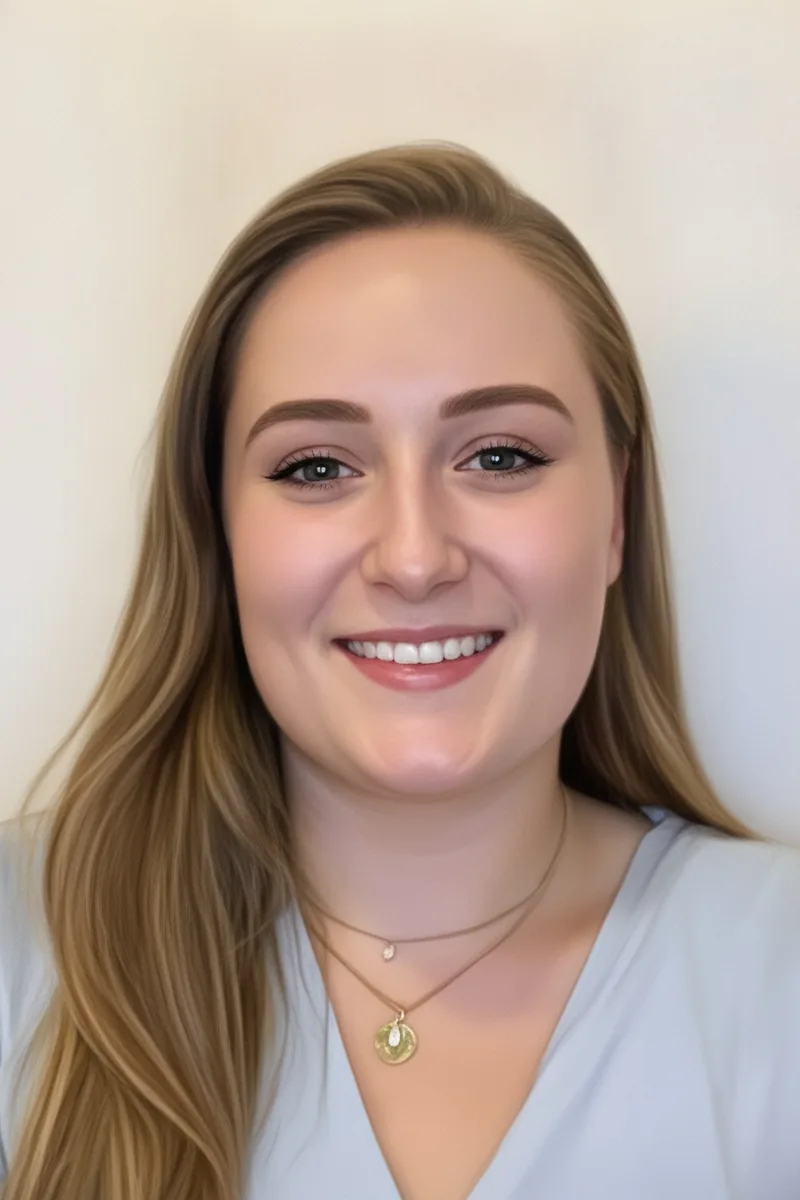
A compelling college essay isn't a résumé in paragraph form — it's a story that reveals how a student thinks. Mimi's arts and humanities background at Dartmouth sharpened her eye for narrative structure and authentic voice, and her Harvard education training means she knows how to draw out the specific details that make an applicant's essay memorable to admissions readers.
Having navigated applications to Columbia's master's program and NYU's doctoral program, Nina understands what admissions committees are actually looking for — specificity, self-awareness, and a narrative that connects experiences to goals. She's particularly strong at helping STEM-oriented students translate lab work, research interests, or quantitative passions into compelling personal stories. Her editing is direct and structural, not just cosmetic.
A strong college essay doesn't summarize a résumé — it reveals how a student thinks. Reid, who holds a PhD in Education from Harvard and a sociology degree from Wesleyan, knows how to draw out the specific personal narratives that admissions committees remember. He walks students through brainstorming, structural choices, and revision until every sentence earns its place.
Having worked in Harvard's admissions office, Solange has read application essays from the other side of the desk and knows what makes a reader pause versus skim. She teaches students to identify a single, specific narrative thread — not a résumé recap — and shape it into a personal statement that sounds unmistakably like them. That insider perspective is hard to replicate from a guidebook.
A strong college essay doesn't summarize a résumé — it reveals how a student thinks. Liz's humanities and anthropology training at Washington University in St. Louis sharpened her ability to find the specific, telling detail in a broader narrative, which is exactly what admissions readers look for. She walks students through brainstorming, drafting, and revision with an emphasis on authentic voice and structural clarity.
A strong college essay needs a genuine voice and a specific story — not a résumé rewrite or a thesaurus exercise. Justin went through the admissions process himself for the University of Chicago's PhD program and understands how to shape a personal narrative that stands out to selective readers. He works through brainstorming, structure, and revision with a methodical eye, making sure each draft gets sharper and more authentically the student's own.
A strong college essay doesn't summarize a résumé — it reveals how a student thinks. As a Johns Hopkins student who went through the admissions process herself, Sabira walks applicants through brainstorming, drafting, and refining a personal narrative that sounds genuinely like them. Her own love of writing and reading gives her a sharp editorial eye for voice and structure.
A strong college essay doesn't summarize a résumé — it reveals how a student thinks. Daniel, who has a sociology background, excels at drawing out the personal narratives and specific moments that admissions readers remember, then shaping drafts until the voice on the page sounds unmistakably like the applicant.
Having navigated the admissions process into Harvard and then into Columbia Medical School, James understands what admissions committees are actually looking for — a specific, authentic voice rather than a résumé repackaged as prose. He walks students through brainstorming, structural choices, and revision with an eye toward making each essay unmistakably theirs. His 4.9 rating speaks to how well he balances honest feedback with encouragement.
A strong college essay doesn't summarize achievements — it reveals how a student thinks. Sung, who lists writing and reading among his core interests, digs into brainstorming sessions that surface the specific moments and reflections admissions officers remember. He then tackles structure, voice, and revision with an editor's eye, making sure every draft sounds authentically like the student writing it.
A strong college essay doesn't summarize a résumé — it reveals how a student thinks. Sherry's dual background in psychology and linguistics at the University of Chicago gives her a sharp eye for both narrative voice and the subtle ways word choice shapes a reader's perception. She walks students through brainstorming, drafting, and revising until the essay sounds unmistakably like them.
The college essay asks something most high school writing never does: make yourself the subject without sounding self-absorbed. Jennifer's English degree and MAT training in language arts give her a sharp editorial eye for voice — she pinpoints where a draft sounds generic and shows how to replace it with the specific, honest detail that admissions readers remember.
Having navigated the admissions process at Cornell, Josef understands what makes a personal statement land — specificity, genuine reflection, and a narrative arc that doesn't read like a résumé in paragraph form. He walks students through brainstorming, structural choices, and revision with an eye toward making each essay sound unmistakably like the person writing it.
Getting into a top school takes more than strong scores — Jai went through the admissions process himself and landed at Stanford. He teaches students to find the one specific story or moment that reveals something an admissions reader can't get from the rest of the application, then sharpen every sentence until it earns its place.
Julie went through the Princeton admissions process herself and knows what makes a personal statement land — a specific moment, an authentic voice, and a structure that doesn't read like a five-paragraph essay. She walks students through brainstorming, drafting, and ruthless revision so the final piece sounds like them at their sharpest. Rated 4.9 by students.
Having been selected by Joyce Carol Oates as one of her two advisees at Princeton — and having written a full novel under that mentorship — Sash knows what it takes to find a genuine story within yourself and put it on the page. That skill translates directly to college essays, where admissions readers can spot the difference between a polished-but-generic personal statement and one with an authentic voice. Sash teaches students to identify the specific moment or detail that makes their essay theirs alone.
Getting into Princeton's engineering program required essays that stood out in a sea of STEM applicants, so Matthew knows how to translate technical interests into compelling personal narratives. He coaches students on finding a specific angle, structuring their drafts around a single vivid idea, and revising until every sentence earns its place.
College admissions officers read thousands of essays that all sound the same — Maya's job is to make sure a student's doesn't. As a Yale graduate and working writer, she digs into brainstorming sessions that surface genuinely personal stories, then shapes drafts until the voice on the page sounds like the student at their sharpest. She's especially experienced with Common App personal statements and supplemental "Why This School" prompts.
Having navigated Yale's admissions process herself — and scored a 1570 SAT — Zosia knows what makes an essay land with a reader versus what gets lost in a pile of 50,000 applications. She digs into brainstorming, structure, and voice, pushing students to find the one specific story that no other applicant could tell. Rated 4.9 by students.
College admissions officers read thousands of essays that all sound the same — Meghan's journalism training at Northwestern is built around making sure writing doesn't. She digs into a student's specific experiences to find the story worth telling, then shapes the narrative arc, voice, and structure until the essay reads like something only that student could have written.
A strong college essay doesn't summarize a résumé — it reveals how a student thinks. Garrett, who scored a 1530 on the SAT and brings serious writing chops, digs into brainstorming and narrative structure to help applicants find the one specific story that admissions officers will remember. He edits for voice and authenticity, not just grammar.
Writing a college essay that stands out requires knowing what admissions readers are actually looking for — and as a Harvard student who went through that process successfully, Richard has firsthand insight. He walks students through brainstorming personal narratives, cutting generic filler, and crafting an opening that makes a reader want to keep going. His strength is pushing drafts from "polished but forgettable" to genuinely specific and memorable.
Applying to a conservatory and a traditional university simultaneously taught Vivian how to tailor a personal narrative for wildly different audiences — a skill she now brings to college essay brainstorming and drafting. She digs into what makes each student's story distinct, then shapes that raw material into a compelling essay with a clear arc and authentic voice. Rated 4.9 by students.
A college essay that tries to sound impressive almost always falls flat — admissions officers want a specific, honest story told in a voice that couldn't belong to anyone else. Emma went through this process herself at Harvard and now walks students through brainstorming, drafting, and ruthless revision until the essay sounds like a real conversation, not a résumé in paragraph form. She's especially sharp at cutting filler and sharpening the narrative arc.
Admissions officers read thousands of essays that say the same things in the same ways — Mica knows how to pull out the specific story only one applicant can tell. As a Stanford graduate now completing her M.D. at Rochester, she's been through elite admissions processes herself and walks students from brainstorming through final polish, sharpening voice and structure at every draft stage.
At Northwestern, Evan discovered that his best academic work came from finding a genuine personal connection to the material — and that's exactly what a college essay demands. He digs into brainstorming with students to uncover the specific story or perspective that admissions officers haven't read a hundred times already. From there, he tackles structure, voice, and revision until the essay sounds unmistakably like the person who wrote it.
A strong college essay doesn't summarize a résumé — it reveals how a student thinks. Brian went through the admissions process himself at UChicago, a school known for its quirky, voice-driven prompts, and he understands what it takes to turn a personal story into a compelling narrative. He digs into brainstorming, structure, and tone to make sure every draft sounds like the student who wrote it.
Writing a college essay that sounds like you — not like every other applicant — is harder than it looks, and Julia went through that process recently enough to remember exactly how it feels. At Stanford, she refined her own writing through academic research and peer editing, and she brings that editorial eye to brainstorming, drafting, and revising personal statements. She asks the pointed questions that pull out the specific details admissions readers actually remember.
Every admissions reader skims hundreds of essays that open with "I've always been passionate about..." — Michelle's job is making sure a student's essay doesn't sound like anyone else's. She digs into brainstorming first, pulling out the specific moments and details that reveal character, then shapes drafts around a narrative arc that admissions officers remember. Her editing eye catches both structural issues and the subtle tonal shifts that make the difference between a polished essay and a forgettable one.
Having gone through the admissions process at the University of Pennsylvania, Noah knows firsthand what selective schools look for in a personal statement — specificity, voice, and a narrative arc that reveals character rather than recites accomplishments. He walks students through brainstorming, drafting, and ruthless revision until every sentence earns its place. Rated 5.0 by his students.
A compelling college essay doesn't summarize a résumé — it reveals how a student thinks. Camille is pursuing a Master of Science in Narrative Medicine at Columbia, a program built entirely around how personal stories create meaning, and she brings that lens to every draft. She's especially skilled at drawing out the specific, surprising details that admissions readers remember.
Rachel's background in history and political science trained her to build arguments around evidence and narrative — skills she now brings to the brainstorming and drafting stages of the college essay, where the challenge is selecting which story to tell and why it matters. Her experience with public speaking also sharpens her ear for voice, so she catches the moments a draft slips from sounding like the applicant into sounding like everyone else's application.
Getting into a school like Yale — which Tony did — means understanding what admissions officers are actually reading for: specificity, voice, and a narrative that couldn't belong to anyone else. He digs into brainstorming and structural revision, pushing students past generic "overcoming adversity" drafts toward essays that reveal how they genuinely think.
Christopher went through the college admissions process at Yale and understands what admissions officers look for: a genuine voice, a specific story, and an essay that reveals how a student thinks rather than just what they've accomplished. He walks students through brainstorming, drafting, and revising — pushing them to cut the generic and sharpen the personal. His own writing background, from a humanities degree to graduate-level public health research, gives him a sharp editorial eye.
A strong college essay doesn't summarize a résumé — it reveals how a student thinks, and that's a much harder thing to put on paper. Ayako, an English major at Trinity College Dublin, digs into brainstorming and structural choices with students so the final draft sounds unmistakably like them. She's rated 5.0 for a reason: the essays come out specific, honest, and polished.
A strong college essay doesn't summarize a résumé — it reveals how a student thinks. Michelle studied journalism at NYU and completed her MA at Columbia, so she knows what admissions readers at competitive schools respond to: a specific narrative voice, a clear through-line, and details that show rather than tell. She walks students from brainstorming through final draft, pushing each version toward something genuinely personal.
A strong college essay doesn't summarize a résumé — it reveals how a student actually thinks. As an incoming Washington University in St. Louis student who recently navigated this process himself, Vansh brings a fresh memory of what admissions readers respond to. He digs into brainstorming and narrative structure to turn a vague idea into a distinctive personal statement.
Having served as an on-campus interviewer for Ivy League applicants at Yale, Allen has read hundreds of personal statements and knows what admissions committees actually remember. He pushes students to find the one specific story or moment that reveals character, then shapes the essay's structure around it. The result is a draft that sounds like the student — not like a template.
Writing a college essay that actually sounds like you — not like a thesaurus or a LinkedIn profile — is harder than most applicants expect. Ian went through the admissions process at Yale and understands what distinguishes a memorable personal statement from a polished but forgettable one. He digs into brainstorming and narrative structure before touching a single draft.
Testimonials
Because the right College Essays tutor makes all the difference.
Average Session Rating – Based on 3.4M Learner Ratings
Nearby College Essays Tutors
Other Syracuse Tutors
Related English Tutors in Syracuse
Frequently Asked Questions
Varsity Tutors matches Syracuse students with expert College Essays tutors for 1-on-1 instruction. We pair each student with a tutor based on their specific needs, learning style, and goals.
Whether you need homework help, exam prep, or want to get ahead, our College Essays tutors are ready to help.
Common challenges include gaps from earlier material, difficulty with specific concepts, and trouble applying learning to new problems. These issues can snowball quickly in College Essays.
A tutor identifies where you're stuck, fills in gaps, and provides targeted practice. The 1-on-1 format means you get help exactly where you need it.
Tutors work with your student's actual coursework—homework assignments, class notes, and upcoming tests. This keeps tutoring directly relevant to what's happening in the classroom.
When you share information about your student's school and curriculum, we can match you with a tutor who has relevant experience.
All tutors complete background checks, credential verification, and teaching evaluation. Many of our College Essays tutors hold advanced degrees or have years of teaching experience.
You can review tutor profiles to find someone with the right background for your student's level and needs.
Many students see improved grades within a few weeks, along with better understanding of College Essays concepts and more confidence tackling challenging material.
Tutors track progress and adjust their approach to ensure continued improvement.
Most students benefit from 1-2 sessions per week. More frequent sessions help if your student is significantly behind or has an important exam coming up.
Your tutor can recommend a schedule based on your student's specific situation and goals.
Tutoring is purchased in packages of hours, with rates varying by tutor experience. Varsity Tutors offers several options to fit different budgets and needs.
You can discuss pricing during your consultation to find what works best.
Your tutor will assess where your student is, discuss goals, and start working on priority areas. Most students bring current homework or upcoming test material to focus on.
By the end, you'll have a clear sense of how the tutor can help and a plan for moving forward.
Let’s find your perfect tutor
Answer a few quick questions. We’ll recommend the right plan and match you with a top 5% tutor.