Award-Winning College Essays Tutors
serving Brooklyn, NY
College Essays
Tutors in Brooklyn
Private 1-on-1 tutoring, weekly live classes for academic support, test prep & enrichment, practice tests and diagnostics, and more to elevate grades and test scores.
Based on 3.4M Learner Ratings
UniversitiesSchools & Universities
DeliveredHours Delivered
ProficiencyGrowth in Proficiency
Who needs tutoring?
No obligation. Takes ~1 minute.

A strong college essay doesn't summarize a résumé — it reveals how a student thinks. Reid, who holds a PhD in Education from Harvard and a sociology degree from Wesleyan, knows how to draw out the specific personal narratives that admissions committees remember. He walks students through brainstorming, structural choices, and revision until every sentence earns its place.
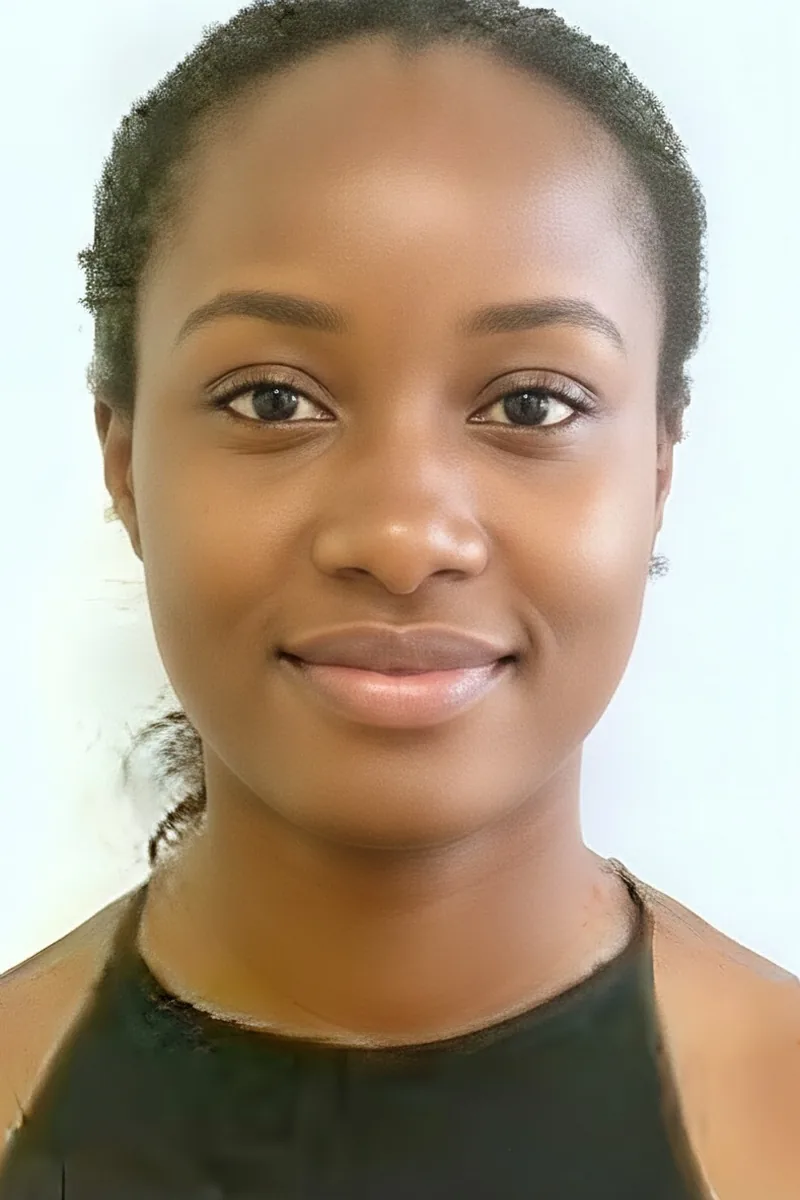
Having worked in Harvard's admissions office, Solange has read application essays from the other side of the desk and knows what makes a reader pause versus skim. She teaches students to identify a single, specific narrative thread — not a résumé recap — and shape it into a personal statement that sounds unmistakably like them. That insider perspective is hard to replicate from a guidebook.
A strong college essay doesn't summarize a résumé — it reveals how a student thinks. Daniel, who has a sociology background, excels at drawing out the personal narratives and specific moments that admissions readers remember, then shaping drafts until the voice on the page sounds unmistakably like the applicant.
A strong college essay doesn't summarize a résumé — it reveals how a student thinks. As a Johns Hopkins student who went through the admissions process herself, Sabira walks applicants through brainstorming, drafting, and refining a personal narrative that sounds genuinely like them. Her own love of writing and reading gives her a sharp editorial eye for voice and structure.
College admissions officers read thousands of essays that all sound the same — Maya's job is to make sure a student's doesn't. As a Yale graduate and working writer, she digs into brainstorming sessions that surface genuinely personal stories, then shapes drafts until the voice on the page sounds like the student at their sharpest. She's especially experienced with Common App personal statements and supplemental "Why This School" prompts.
Julie went through the Princeton admissions process herself and knows what makes a personal statement land — a specific moment, an authentic voice, and a structure that doesn't read like a five-paragraph essay. She walks students through brainstorming, drafting, and ruthless revision so the final piece sounds like them at their sharpest. Rated 4.9 by students.
Having served as an on-campus interviewer for Ivy League applicants at Yale, Allen has read hundreds of personal statements and knows what admissions committees actually remember. He pushes students to find the one specific story or moment that reveals character, then shapes the essay's structure around it. The result is a draft that sounds like the student — not like a template.
Writing a college essay that actually sounds like you — not like a thesaurus or a LinkedIn profile — is harder than most applicants expect. Ian went through the admissions process at Yale and understands what distinguishes a memorable personal statement from a polished but forgettable one. He digs into brainstorming and narrative structure before touching a single draft.
Running SAT curricula for a boutique admissions consulting firm in Cairo meant Noah wasn't just prepping students for tests — he was learning what makes an applicant's written voice land with an international admissions audience. That cross-cultural editorial eye sharpens his essay work, especially for students whose stories span multiple countries or languages. His philosophy degree adds a layer of argumentative structure that keeps personal narratives from drifting into vague reflection.
Rachel's background in history and political science trained her to build arguments around evidence and narrative — skills she now brings to the brainstorming and drafting stages of the college essay, where the challenge is selecting which story to tell and why it matters. Her experience with public speaking also sharpens her ear for voice, so she catches the moments a draft slips from sounding like the applicant into sounding like everyone else's application.
A strong college essay doesn't summarize a résumé — it reveals how a student thinks. Michelle studied journalism at NYU and completed her MA at Columbia, so she knows what admissions readers at competitive schools respond to: a specific narrative voice, a clear through-line, and details that show rather than tell. She walks students from brainstorming through final draft, pushing each version toward something genuinely personal.
Every admissions reader skims hundreds of essays that open with a dramatic anecdote and end with a lesson learned. Moon's approach to college essays starts with finding the idea only you could write about, then structuring the draft so your voice — not a formula — carries the piece. His philosophy training makes him especially effective at sharpening vague reflections into precise, memorable claims.
The hardest part of a college essay isn't writing well — it's figuring out what's actually worth saying. Lucas studied philosophy, a discipline built on constructing clear arguments from personal conviction, and he applies that same process to help applicants identify a genuine story and shape it into a compelling narrative that admissions officers remember.
A Classics degree is essentially four years of constructing persuasive arguments about texts — the exact skill a compelling college essay requires, just turned inward. Sarah digs into brainstorming and revision with students, pushing them to find the specific story or detail that admissions readers will remember. She's particularly good at helping writers who know what they want to say but can't get the structure or voice right.
As a University of Chicago MBA graduate and startup president, David knows what it takes to make a personal narrative land with a skeptical audience. He walks students through identifying a genuine story angle, structuring their argument, and cutting the filler that admissions readers skim past.
Admissions officers read thousands of essays that open with "I've always been passionate about..." — Dana's job is to make sure yours doesn't. Studying public policy at the college level taught her how to build a compelling argument from personal experience, and she applies that same structure to personal statements, supplemental essays, and "Why this school?" prompts. She digs into what makes each student's story specific and then shapes the draft around that one vivid thread.
A college essay that tries to sound impressive almost always falls flat; one that sounds genuinely like the applicant almost always lands. Harry has coached students through every stage of the admissions essay process — brainstorming the right story, cutting the parts that feel performative, and sharpening the voice until the essay reads like a conversation the admissions officer doesn't want to end. His own writing and theater background gives him a sharp ear for narrative arc and authentic tone.
As a premed economics major at Cornell, Tameem knows how to frame an unconventional academic path into a compelling narrative — exactly the kind of storytelling that admissions officers notice. He digs into brainstorming and structural drafts with students, sharpening their personal voice so the essay reads like them, not like a template.
A Pomona College education is built on writing, and Miranda spent four years crafting argumentative essays across religion, philosophy, and the humanities. She applies that experience to college admissions essays by pushing students to find the one specific story or idea that reveals who they are — then shaping it into a piece that admissions officers remember. She also mentored high school students on college admissions work during her time at Pomona.
Having navigated admissions at Phillips Exeter and Brown, Violet knows firsthand what makes a college essay land — a specific, grounded narrative voice rather than a résumé repackaged as prose. She digs into brainstorming with students to find the one story that only they could tell, then sharpens each draft until the structure and language feel intentional. That experience across public, private, and boarding school systems gives her a wide lens on what different admissions readers respond to.
A strong college essay doesn't summarize a résumé — it reveals how a student thinks. Ben, who went through the admissions process at Dartmouth and has spent years sharpening his own writing, tackles drafts at the structural and voice level, pushing students to find the one specific angle that makes their story stick with a reader.
Anna started a blog in college specifically to sharpen her writing voice, and that instinct for authentic self-expression is exactly what makes a college essay land with an admissions reader. She teaches students to find the one specific story or observation that reveals something genuine, then edit ruthlessly until every sentence earns its place. Rated 5.0 by students, she's particularly strong at helping writers who know what they want to say but can't get it onto the page.
A strong college essay doesn't summarize a résumé — it reveals how a student actually thinks. Laura brings a dual perspective as both a current WashU student who recently went through admissions and a French-and-biology double major comfortable writing across disciplines. She digs into drafts line by line, pushing students to find the specific, honest details that make an essay memorable.
A Fulbright fellowship in Bulgaria, a master's degree at UBC, and an undergraduate career at the University of Chicago — Duncan has lived the kind of experiences that admissions officers want to read about, and he knows how to translate a student's own story into a compelling personal statement. He digs into brainstorming, narrative structure, and voice so each essay sounds authentically like the student writing it.
Getting into a competitive school means writing an essay that sounds like a real person, not a résumé in paragraph form. As an MIT student who went through that process herself — and earned a 1550 SAT along the way — Manolya knows what admissions readers respond to and how to help a draft evolve from generic to genuinely personal. She's especially sharp at identifying which details to cut and which to develop.
A compelling college essay doesn't summarize a résumé — it reveals how a student thinks. Willow graduated from UCLA with honors in both German and Philosophy, so she knows how to craft a personal narrative that feels specific and intellectually honest. She's also currently navigating law school applications herself, which keeps her sharp on what admissions readers look for.
Alexander's Johns Hopkins history degree required constructing tight, evidence-driven arguments — exactly the skill that separates a forgettable college essay from one that lands. He digs into a student's specific experiences to find the narrative thread admissions readers remember, then sharpens the structure and voice draft by draft.
A compelling college essay isn't about listing accomplishments — it's about finding one honest moment and making an admissions reader feel it. Samantha spent years interning in the literary world and editing at Northwestern's fashion magazine, so she knows how to shape a personal narrative that's both structurally tight and genuinely distinctive. She digs into brainstorming, voice, and revision until the essay sounds unmistakably like the student who wrote it.
Having navigated the University of Michigan admissions process and later advocated for education access in Nicaragua, Corey knows what makes a personal narrative land — specificity, authentic voice, and a clear throughline. He treats each draft as a conversation, pushing students to dig past generic themes and find the concrete details that admissions readers remember.
A compelling college essay doesn't summarize a résumé — it reveals how a student thinks. Tim's theatre background makes him especially good at coaching voice and narrative arc, pushing drafts past generic "overcoming adversity" territory into something an admissions reader will actually remember. He walks through brainstorming, structure, and revision as distinct phases so the writing process never feels overwhelming.
An engineering major might seem like an unusual pick for college essays, but Abismael's strength is spotting the unexpected connection — linking a student's experiences into a narrative that admissions officers remember. He pushes drafts through multiple rounds of hard questions about clarity and purpose until every paragraph earns its place.
Having navigated applications from the NYC public school system to Cornell and then to Columbia's graduate program, Rebecca knows what admissions readers are actually looking for in a personal statement. She pushes students to find the one specific story that reveals something a transcript can't, then shapes the draft until every sentence earns its place.
A Brown Literary Arts graduate who writes across essays, performance, and song, Katarah knows how to shape a personal narrative that actually sounds like the person writing it. She digs into brainstorming and structural choices — figuring out which story to tell, where to start it, and how to make an admissions reader stop skimming. Rated 5.0 by students.
Engineering majors don't usually end up coaching college essays — but Robert's pivot into education gave him a sharp eye for what admissions readers actually respond to. He teaches students to identify one specific, grounded story rather than trying to sound impressive, then restructure drafts until every sentence earns its place.
A strong college essay doesn't summarize a résumé — it reveals how a student thinks. As a research assistant at Penn's Positive Psychology Center, Jeanette understands what makes a personal narrative compelling and authentic, and she's skilled at drawing out the specific details and reflections that admissions officers remember. She tackles everything from brainstorming and structure to voice and tone across multiple drafts.
A strong college essay doesn't summarize a résumé — it reveals how a student thinks. Esteban is an avid writer and reader who teaches at a school for gifted students, so he's experienced at pushing already-talented students past polished-but-generic drafts toward essays with a genuine voice and a specific, memorable through-line.
College admissions essays fail when they try to sound impressive instead of specific. Elizabeth — a Harvard graduate with a background in theater and writing — digs into what actually makes a student's story distinctive, then shapes that raw material into an essay with a clear narrative arc and an authentic voice that admissions readers remember.
As a recent Penn grad who navigated the admissions process successfully, Aidan understands what makes a college essay memorable versus forgettable. He pushes students past generic "overcoming adversity" drafts toward specific, honest stories — then sharpens the prose until every sentence earns its place.
College admissions readers skim hundreds of essays a week, so the ones that land tend to open with a specific, vivid moment rather than a broad thesis about personal growth. Matt's MFA in Acting trained him to find the emotional core of a story and build outward from there — a skill he applies directly to helping applicants shape authentic, compelling narratives.
A strong college essay doesn't summarize a résumé — it reveals how a student thinks. Megan's interdisciplinary background at Washington University, where she studied both Spanish and International Studies while participating in the Coro Fellows civic leadership program, gives her a sharp eye for the kind of cross-cutting personal narratives that admissions readers remember. She walks students through brainstorming, drafting, and ruthless revision until every sentence earns its place.
Testimonials
Because the right College Essays tutor makes all the difference.
Average Session Rating – Based on 3.4M Learner Ratings
Nearby College Essays Tutors
Other Brooklyn Tutors
Related English Tutors in Brooklyn
Frequently Asked Questions
Most college counselors recommend starting your essays in the summer before senior year or early fall, giving you time to brainstorm, draft, and revise before application deadlines in November and December. Starting early is especially helpful if you're balancing coursework with other commitments—the 11.7:1 student-teacher ratio in Brooklyn schools means personalized attention during class time can be limited, and working with a tutor gives you dedicated space to develop your ideas and refine your voice.
Even if you've already started, connecting with a tutor can help you accelerate the process and strengthen your essay before submitting.
Students often struggle with three key areas: finding an authentic voice (trying to sound "impressive" rather than genuine), weak thesis development (unclear main arguments), and poor organization (jumping between ideas rather than building a coherent narrative). Another frequent issue is trying to cover too much ground instead of diving deeply into a single meaningful experience or idea.
Varsity Tutors connects you with tutors who provide personalized feedback on your drafts, helping you identify these patterns in your writing and develop strategies to strengthen your essay's structure, clarity, and voice.
Most admissions experts recommend at least 2-3 substantial revisions—not just proofreading, but rethinking structure, examples, and wording. The revision process is where real improvement happens: you refine your thesis, cut weak details, strengthen transitions, and develop your authentic voice.
Working with a tutor provides structured guidance through this revision cycle. Rather than revising in isolation, you get expert feedback on each draft, learn what's working in your writing, and understand why specific changes strengthen your essay. This collaborative approach typically leads to faster, more meaningful improvements than revising alone.
The best college essays aren't about dramatic events—they're about self-discovery and growth. Admissions officers want to understand how you think, what matters to you, and who you are. That might come from a small moment (a conversation with a family member, a challenge you faced in class, a hobby you're passionate about) rather than a life-changing event.
A tutor can help you brainstorm meaningful topics from your own experience, develop a strong narrative around them, and articulate why these moments shaped your perspective. This personalized guidance helps you find genuinely compelling stories that admissions officers will connect with.
Your authentic voice comes from writing the way you actually think and speak—not copying an essay-writing template you've seen before. It means using specific examples, showing your personality through word choice and humor (when appropriate), and letting your genuine perspective come through.
Many students benefit from working with a tutor on this skill. A tutor can read your drafts, identify where you sound like yourself versus where you're trying too hard, and help you build confidence in your own voice. They can also help you balance authenticity with the formality college essays require, so you sound like a mature version of yourself rather than a completely different person.
Strong organization starts with a clear thesis or central idea—what's the main thing you want admissions officers to understand about you? Your body paragraphs should each develop one specific idea that supports that thesis, using concrete examples and reflection. A simple structure: introduction that hooks the reader and previews your main point, 2-3 body paragraphs with specific examples and analysis, and a conclusion that reinforces your main idea without just restating it.
If organization feels overwhelming, a tutor can help you outline your essay before drafting, work through logical flow issues in your draft, and show you how to connect your ideas so readers can follow your thinking clearly.
College essay tutors provide personalized feedback that goes beyond grammar checks. They help you develop stronger thesis statements, organize your ideas logically, find your authentic voice, and support your arguments with better examples. They also guide you through multiple drafts, showing you specifically what's working in your writing and why.
Varsity Tutors connects you with tutors who understand what admissions officers are looking for and can help you communicate your story effectively. Whether you're starting from scratch, revising existing drafts, or polishing a nearly-finished essay, a tutor provides expert guidance tailored to your specific strengths and areas for growth.
Let’s find your perfect tutor
Answer a few quick questions. We’ll recommend the right plan and match you with a top 5% tutor.