Award-Winning AP World History Tutors
serving Spring Valley, NV
AP World History
Tutors in Spring Valley
Private 1-on-1 tutoring, weekly live classes for academic support, test prep & enrichment, practice tests and diagnostics, and more to elevate grades and test scores.
Based on 3.4M Learner Ratings
UniversitiesSchools & Universities
DeliveredHours Delivered
ProficiencyGrowth in Proficiency
Who needs tutoring?
No obligation. Takes ~1 minute.
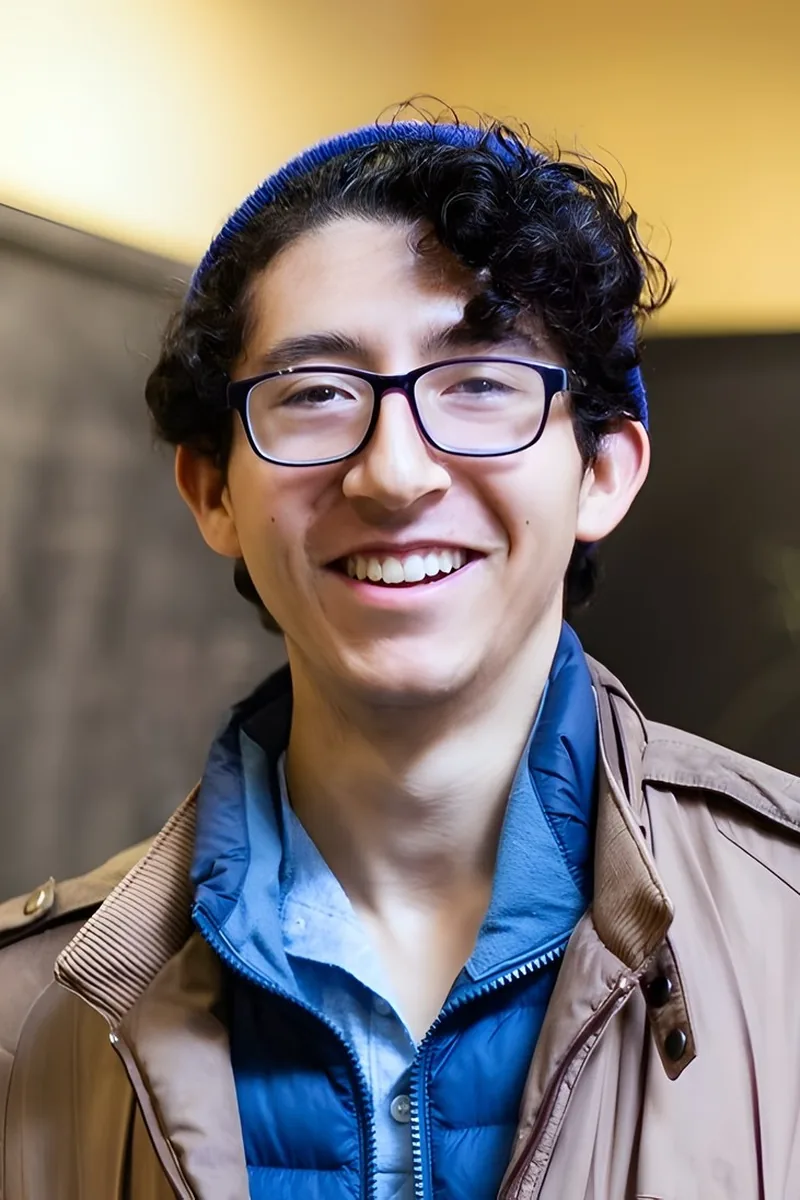
Studying philosophy at MIT trained Tim to do exactly what AP World History's essay prompts demand — construct an argument from limited evidence, weigh competing interpretations, and defend a thesis under pressure. He applies that analytical rigor to DBQ prep and the causation essays where students need to explain not just what happened but why one development in, say, Song Dynasty China reverberates through Indian Ocean trade networks centuries later. Rated 4.9 by students.

Iliana studied government and political philosophy at Dartmouth with a focus on Western colonialism and indigenous political movements — exactly the kind of cross-cultural power dynamics that run through the AP World History curriculum. She brings that lens to topics like imperialism, decolonization, and the political structures that shaped colonial and post-colonial societies, giving students a richer read on the exam's modern period content.
Pursuing a history degree with a focus that includes Chinese history gives Lauryn unusual depth on the Asian and cross-cultural content that many students find hardest to retain — particularly the Tang-Song golden age, Mongol empire-building, and Indian Ocean trade networks that span multiple AP World History periods. She treats each era's developments as connected to what students see in the modern world, which makes memorizing timelines less abstract and more intuitive. Rated 5.0 by students, with a 32 ACT backing up the analytical reading and writing the exam's essays demand.
Having lived in both the Republic of Georgia and the Czech Republic, Alexis brings firsthand experience with the kind of political and cultural crossroads that AP World History constantly revisits — how empires absorb, reshape, and lose control of diverse populations. Her International Relations degree from Tulane trained her to analyze how states interact across regions, which maps directly onto the exam's comparative and causation essays about trade networks, imperialism, and revolutionary movements. Rated 4.9 by students.
Cultural anthropology and history — Conor's actual degrees — are essentially the backbone disciplines of AP World History, which means he reads exam prompts about cultural diffusion, state-building, and belief systems through the same analytical framework that produced the content in the first place. His time as a middle school Language Arts teacher also sharpened his ability to break down dense primary source documents into manageable pieces, a skill that pays off directly on DBQ prep. He's especially strong on the cross-cultural interaction themes that run through every period of the exam.
Felix's Classical, Ancient Mediterranean, and Near Eastern Studies degree at Brown means he's spent serious time with the pre-1200 CE civilizations that many AP World History students rush past — Mesopotamian state-building, Greco-Roman political models, and the trade networks connecting the Mediterranean to Central and South Asia. That deep familiarity with early periods gives him a real edge when teaching students to tackle periodization questions and trace how foundational developments in governance and belief systems ripple forward through the entire course timeline. His 1540 SAT and fluency in Japanese add particular strength on comparative prompts involving East Asian content.
Connecting civilizations across time periods is the core challenge of AP World History, whether it's tracing trade networks from the Silk Roads to the Indian Ocean or comparing empire-building strategies across continents. Stephanie's graduate studies at Penn and her Cornell history training give her a deep command of the comparative and continuity-and-change frameworks the exam demands. She also teaches the document analysis skills that turn a 3 essay into a 5.
Terry's Wharton economics training — analyzing how markets form, trade networks expand, and institutions shape incentives — gives him a practical framework for the economic systems questions that run through every AP World History period, from early agrarian societies to globalization. He's particularly sharp on the continuity-and-change prompts where students need to explain how something like mercantilism or tributary systems evolved rather than just identifying them. A 1530 SAT scorer, he brings strong timed writing instincts to DBQ and LEQ prep.
Though Nima's core strengths are in physics and math, the analytical habits from a physics degree — isolating variables, tracing how one change propagates through a system — map surprisingly well onto AP World History's causation essays, where students must explain how developments like gunpowder technology or maritime innovations rippled across civilizations. His 1580 SAT demonstrates the timed reading and argumentative writing skills the DBQ section demands. He's strongest as a complement for students who already know the content but need sharper analytical structure in their essays.
Covering thousands of years across every continent, AP World History overwhelms students who try to memorize everything. Maxwell zeroes in on the comparative and continuity-and-change-over-time frameworks the exam actually tests, teaching students to spot patterns — like how trade networks reshape cultures — across regions and eras. That analytical lens turns an impossibly broad course into something manageable.
Studying both neuroscience and computer science at Duke gave Ankit an unusual habit: looking for the systems underneath the surface — how small mechanisms cascade into massive outcomes. That's exactly the thinking AP World History rewards, especially on causation and continuity-and-change essays where students need to trace how something like the Black Death or the silver trade reshaped economies and power structures across continents. His 36 ACT composite speaks to the timed analytical reading and writing chops the DBQ requires.
The sheer scope of AP World History — from river valley civilizations through globalization — overwhelms students who try to memorize everything. Lisa's approach, shaped by her history degree, centers on comparative frameworks: teaching students to trace themes like state-building, trade networks, and cultural diffusion across regions so they can tackle any stimulus-based question the exam throws at them.
I am most passionate about helping people learn history, social sciences, and mathematics. I also assist with standardized test prep, primarily with the Reading and Writing sections of the exams. In my spare time, I enjoy photography, hiking and other outdoor activities, and reading about philosophy, evolutionary biology, and human history.
The sheer scope of AP World History — from river valley civilizations to globalization — overwhelms students who try to memorize everything. Varun tackles it thematically, teaching students to trace continuities and changes across regions using the comparison and causation skills the exam actually tests. His CLEP Western Civilization coursework gives him particular depth in cross-cultural encounters and empire-building from antiquity through the modern era.
The sheer scope of AP World History — from river valley civilizations to globalization — overwhelms most students long before exam day. Tessa, a History major at Yale, teaches students to organize that breadth through comparative and continuity-and-change frameworks that the AP rubric actually rewards. She zeroes in on building the skill of connecting specific evidence to broader historical processes, which is where most essays lose points.
Covering ten thousand years of human history means AP World History students need a framework, not just a timeline. Taylor breaks the course into recurring themes — trade networks, empire-building, cultural diffusion — so students can tackle comparison and continuity-and-change essays with real analytical depth. Her humanities training at NYU gives her the cross-cultural perspective the exam demands, especially for periods and regions that textbooks tend to rush through.
Testimonials
Because the right AP World History tutor makes all the difference.
Average Session Rating – Based on 3.4M Learner Ratings
Practice AP World History
Free practice tests, flashcards, and AI tutoring for AP World History
Other Spring Valley Tutors
Related Social Studies Tutors in Spring Valley
Frequently Asked Questions
Varsity Tutors matches Spring Valley students with expert AP World History tutors for 1-on-1 instruction. We pair each student with a tutor based on their specific needs, learning style, and goals.
Whether you need homework help, exam prep, or want to get ahead, our AP World History tutors are ready to help.
Common challenges include gaps from earlier material, difficulty with specific concepts, and trouble applying learning to new problems. These issues can snowball quickly in AP World History.
A tutor identifies where you're stuck, fills in gaps, and provides targeted practice. The 1-on-1 format means you get help exactly where you need it.
Tutors work with your student's actual coursework—homework assignments, class notes, and upcoming tests. This keeps tutoring directly relevant to what's happening in the classroom.
When you share information about your student's school and curriculum, we can match you with a tutor who has relevant experience.
All tutors complete background checks, credential verification, and teaching evaluation. Many of our AP World History tutors hold advanced degrees or have years of teaching experience.
You can review tutor profiles to find someone with the right background for your student's level and needs.
Many students see improved grades within a few weeks, along with better understanding of AP World History concepts and more confidence tackling challenging material.
Tutors track progress and adjust their approach to ensure continued improvement.
Most students benefit from 1-2 sessions per week. More frequent sessions help if your student is significantly behind or has an important exam coming up.
Your tutor can recommend a schedule based on your student's specific situation and goals.
Tutoring is purchased in packages of hours, with rates varying by tutor experience. Varsity Tutors offers several options to fit different budgets and needs.
You can discuss pricing during your consultation to find what works best.
Your tutor will assess where your student is, discuss goals, and start working on priority areas. Most students bring current homework or upcoming test material to focus on.
By the end, you'll have a clear sense of how the tutor can help and a plan for moving forward.
Let’s find your perfect tutor
Answer a few quick questions. We’ll recommend the right plan and match you with a top 5% tutor.