Award-Winning AP Human Geography Tutors
serving Paradise, NV
AP Human Geography
Tutors in Paradise
Private 1-on-1 tutoring, weekly live classes for academic support, test prep & enrichment, practice tests and diagnostics, and more to elevate grades and test scores.
Based on 3.4M Learner Ratings
UniversitiesSchools & Universities
DeliveredHours Delivered
ProficiencyGrowth in Proficiency
Who needs tutoring?
No obligation. Takes ~1 minute.

A Duke History major with Biology and Chemistry minors, Rayhan reads AP Human Geography's agriculture and development units the way a pre-med student reads systems — tracing how variables like industrialization, resource access, and population pressure interact to produce specific outcomes. That cross-disciplinary habit is especially useful when students need to explain *why* a model like Rostow's stages or the Green Revolution played out differently across regions, not just label the stages on a diagram. Rated 5.0 by students.
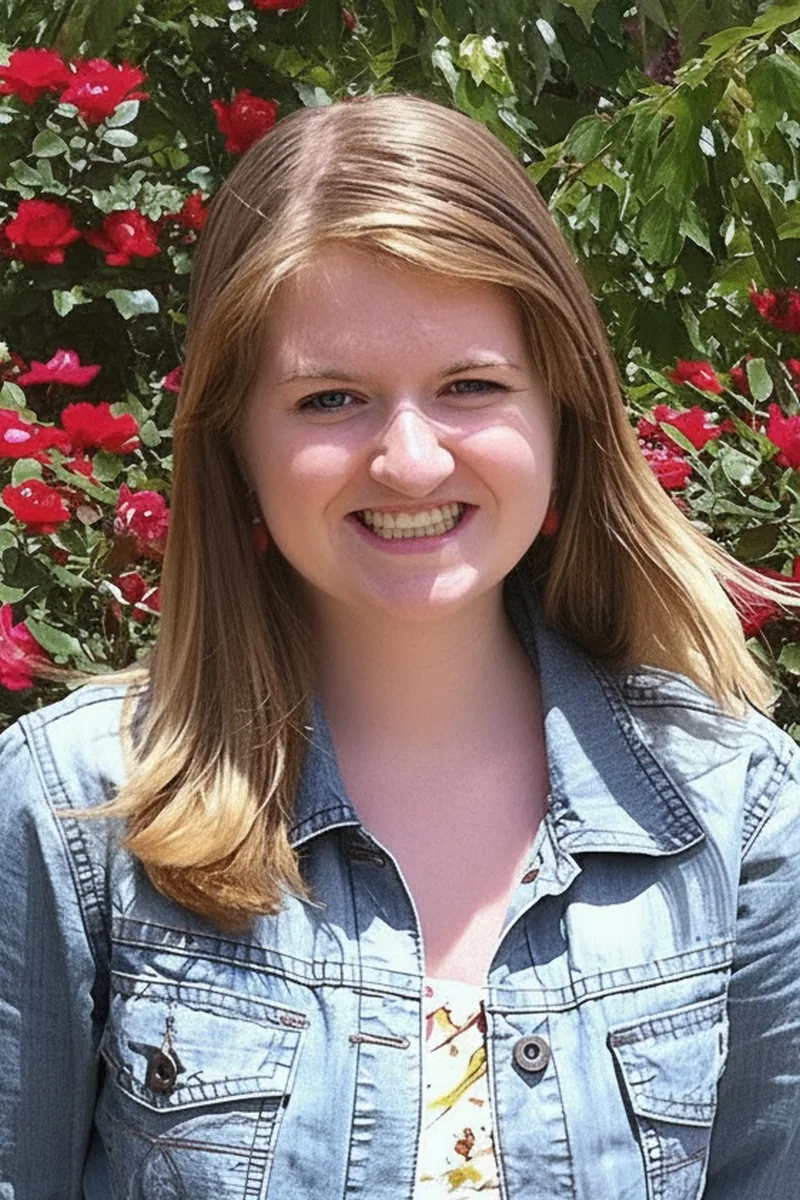
Hannah's history degree and MFA training give her two skills AP Human Geography constantly demands — contextualizing how political boundaries and migration patterns evolved over time, and constructing the kind of tight, thesis-driven FRQ responses that earn full credit. She's particularly sharp on units where students need to connect historical forces like colonialism or industrialization to spatial models, turning what feels like abstract vocabulary into cause-and-effect arguments grounded in real places.
Zain's senior thesis at Wesleyan traced the 1947 Partition of India and Pakistan — the kind of deep-dive into borders, migration, and political reorganization that maps directly onto AP Human Geography's units on political geography and population movement. His fieldwork across the Indian subcontinent, funded by grants for studying diasporas and transnationalism, means he can ground concepts like Ravenstein's migration laws or centripetal and centrifugal forces in real places and real stories rather than textbook abstractions.
Population pyramids, Ravenstein's laws of migration, and the Wallerstein world-systems model can feel abstract until someone ties them to actual places and patterns. Kshitij approaches AP Human Geography by grounding each model in concrete examples — why Rostow's stages look different in Sub-Saharan Africa versus East Asia, or how gerrymandering reshapes political boundaries. That real-world anchoring makes the free-response questions far less intimidating on exam day.
Debate coaching gives Rohit a real edge on the trickiest part of AP Human Geography — the FRQ prompts where students need to construct an argument linking geographic models to stimulus material, not just recall definitions. His economics and political science training at Minnesota means concepts like Rostow's development stages, trade networks, and supranational political organization are things he's studied formally, not just skimmed in a review book. Holds a 5.0 rating.
Between a history BA and a master's in history, Alison has spent years tracing the migration patterns, colonial legacies, and political boundary shifts that form the backbone of AP Human Geography's toughest units. She's especially strong at connecting those historical threads to geographic models — showing students why the Rimland theory or Ratzel's organic state concept emerged when and where they did, rather than treating them as standalone definitions. Holds a 5.0 rating.
AP Human Geography's free-response questions ask students to connect geographic concepts — like urbanization models or cultural diffusion — to real-world examples in a structured written argument. Eileen approaches these as analytical writing exercises, teaching students to unpack the prompt, organize their evidence, and write concisely enough to finish on time.
An American Studies degree means Olivia spent years studying how cultural identity, migration, and political power play out across regions — the exact lens AP Human Geography applies to topics like cultural diffusion, ethnicity, and nation-state formation. She pairs that background with sharp reading and writing skills (1560 SAT) to coach students through the stimulus-based questions and FRQ prompts where they need to do more than recall vocabulary and actually build geographic arguments from maps and data.
Population pyramids, Ravenstein's laws of migration, the Burgess model — AP Human Geography throws a lot of spatial concepts at students who've never taken a geography course before. Juan breaks these models down by tying them to real places and current events, which makes the free-response questions far less intimidating.
I am a graduate of The University of Colorado, Boulder and Harvard Kennedy School. I received my Bachelor of Arts in Economics and my Master in Public Policy with a focus on international and global affairs. Since graduation, I have worked in investment banking and management consulting, though I also have worked on government relations. While I tutor a broad range of subjects, I am most passionate about History, English Literature, and Math (namely algebra and pre-calc). In my experience helping students prepare for Standardized Tests, I like to focus on the writing and math assessments, as those tend to be challenging to many students. I believe in ensuring students are able to think independently and have the confidence to understand the material. I believe the subjects I tutor are necessary for students to succeed and I want to impart what I know to students. In my spare time, I enjoy reading about history and geopolitics, hiking, and writing.
Teaching World History and Economics to high schoolers means Bradley already covers the historical forces — colonialism, industrialization, migration — that sit behind most AP Human Geography units. He connects those classroom experiences to the exam's trickiest content, like applying the demographic transition model or explaining how Wallerstein's world-systems theory plays out in real trade patterns. His 33 ACT composite also signals the kind of analytical reading skill that pays off on stimulus-based multiple choice.
Spatial thinking trips up a lot of AP Human Geography students — understanding why cities develop where they do, how migration reshapes cultural landscapes, or what Ravenstein's laws actually predict. Amena tackles the free-response questions by teaching students to link geographic models to real-world examples, which is where most exam points are won or lost.
Testimonials
Because the right AP Human Geography tutor makes all the difference.
Average Session Rating – Based on 3.4M Learner Ratings
Practice AP Human Geography
Free practice tests, flashcards, and AI tutoring for AP Human Geography
Other Paradise Tutors
Related Social Studies Tutors in Paradise
Frequently Asked Questions
Varsity Tutors matches Paradise students with expert AP Human Geography tutors for 1-on-1 instruction. We pair each student with a tutor based on their specific needs, learning style, and goals.
Whether you need homework help, exam prep, or want to get ahead, our AP Human Geography tutors are ready to help.
Common challenges include gaps from earlier material, difficulty with specific concepts, and trouble applying learning to new problems. These issues can snowball quickly in AP Human Geography.
A tutor identifies where you're stuck, fills in gaps, and provides targeted practice. The 1-on-1 format means you get help exactly where you need it.
Tutors work with your student's actual coursework—homework assignments, class notes, and upcoming tests. This keeps tutoring directly relevant to what's happening in the classroom.
When you share information about your student's school and curriculum, we can match you with a tutor who has relevant experience.
All tutors complete background checks, credential verification, and teaching evaluation. Many of our AP Human Geography tutors hold advanced degrees or have years of teaching experience.
You can review tutor profiles to find someone with the right background for your student's level and needs.
Many students see improved grades within a few weeks, along with better understanding of AP Human Geography concepts and more confidence tackling challenging material.
Tutors track progress and adjust their approach to ensure continued improvement.
Most students benefit from 1-2 sessions per week. More frequent sessions help if your student is significantly behind or has an important exam coming up.
Your tutor can recommend a schedule based on your student's specific situation and goals.
Tutoring is purchased in packages of hours, with rates varying by tutor experience. Varsity Tutors offers several options to fit different budgets and needs.
You can discuss pricing during your consultation to find what works best.
Your tutor will assess where your student is, discuss goals, and start working on priority areas. Most students bring current homework or upcoming test material to focus on.
By the end, you'll have a clear sense of how the tutor can help and a plan for moving forward.
Let’s find your perfect tutor
Answer a few quick questions. We’ll recommend the right plan and match you with a top 5% tutor.