Award-Winning AP Spanish Literature and Culture Tutors
serving Kansas City, MO
AP Spanish Literature and Culture
Tutors in Kansas City
Private 1-on-1 tutoring, weekly live classes for academic support, test prep & enrichment, practice tests and diagnostics, and more to elevate grades and test scores.
Based on 3.4M Learner Ratings
UniversitiesSchools & Universities
DeliveredHours Delivered
ProficiencyGrowth in Proficiency
Who needs tutoring?
No obligation. Takes ~1 minute.

As a native Spanish speaker studying at Yale, Stephanie brings both cultural fluency and literary analysis skills to AP Spanish Literature and Culture — from close readings of García Márquez and Sor Juana to writing persuasive essays in Spanish about themes like "las sociedades en contacto." Her IB Diploma background means she's intimately familiar with the kind of rigorous textual analysis the AP exam demands. Rated 5.0 by students.
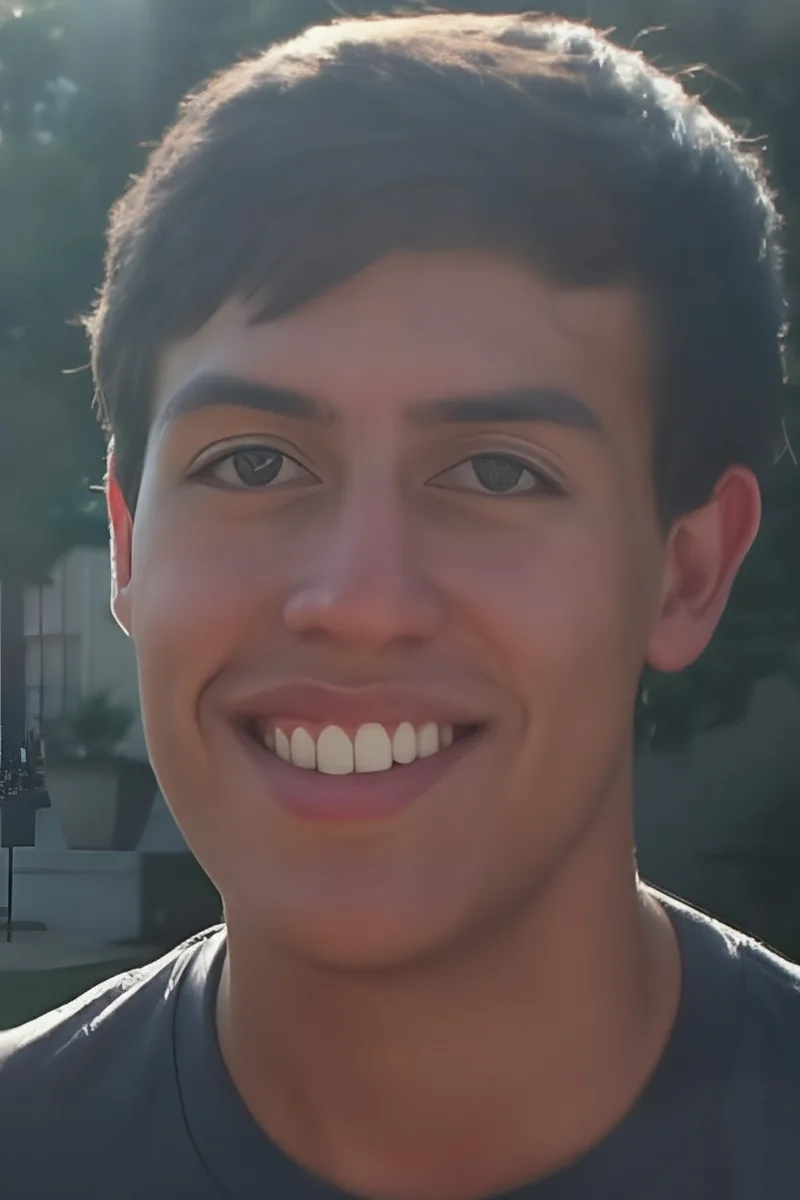
AP Spanish Literature and Culture asks students to analyze works from Cervantes to García Márquez in the target language — a challenge that demands both literary skill and genuine fluency. Philip is a fluent Spanish speaker who has also tutored the language at Carnegie Mellon for over a year, so he can unpack themes like "las sociedades en contacto" and rhetorical devices without defaulting to English. He teaches students to write analytical commentary in Spanish that earns top marks on the free-response sections.
Studying Spanish as a full degree — not just a minor or elective — means Alexandra has spent years reading and analyzing literary works in the original language, from García Márquez to Sor Juana. She teaches students to write the kind of thematic analysis essays the AP exam demands, connecting literary movements like el realismo mágico to their cultural and historical contexts.
Reading García Márquez or Sor Juana Inés de la Cruz in the original Spanish demands more than translation — it requires understanding the cultural and historical contexts that shaped each work. Caio pairs deep Spanish fluency with his Rice sociology and history training, so he can unpack literary movements like el Boom or colonial-era poetry in terms of the social forces behind them. Rated 5.0 by students.
Political science and law school prep might seem far from the AP reading list, but Diana's training in constructing tight, evidence-based arguments translates directly to the exam's free-response essays — where a well-structured thesis about a Borges story or a Sor Juana poem matters as much as Spanish fluency. Her background in Latin and AP Spanish coursework gives her the linguistic foundation to coach students through close reading and essay drafting in Spanish, especially on the argumentative structure that separates mid-range scores from top ones.
Growing up speaking Spanish at home after moving from Chile, then studying abroad in Salamanca, Carlos developed the kind of native-level fluency that catches the subtle register shifts and idiomatic layers in AP reading list works — from colonial poetry to contemporary Latin American prose. His daily work as a bilingual writer at St. Jude Children's Research Hospital keeps his written Spanish sharp and precise, which directly feeds into coaching students on constructing timed analytical essays that move beyond plot summary into genuine literary argumentation.
Courtney earned her Master's in Hispanic and Latin American Languages alongside a BA in Spanish and Iberian Studies — meaning the literary periods, genres, and cultural movements on the AP reading list aren't exam prep material for her, they're the core of her academic training. She teaches students to build analytical essays in Spanish that connect a text's formal choices to the broader tradition it belongs to, whether that's tracing magical realism's roots in a passage or identifying how a Golden Age sonnet's structure reinforces its argument.
A PhD in Spanish & Portuguese means Casey has spent years inside the texts that define this exam — from medieval romances and Sor Juana's baroque poetry to García Márquez's magical realism and Borges's labyrinths. She teaches students to build the kind of close-reading arguments in Spanish that earn top scores on the literary analysis free-response questions. Rated 5.0 by students.
Few tutors can match Trace's combination of a summa cum laude specialization in Spanish from Ohio State and professional experience as a Spanish-language court interpreter. For AP Spanish Literature and Culture, he unpacks texts from Cervantes to García Márquez in their original language, teaching students to write literary analysis in Spanish with the sophistication the exam requires.
Honestly, AP Spanish Literature and Culture isn't Courtney's deepest specialty — her Spanish minor and SAT Spanish Subject Test tutoring give her solid language skills, but this exam's literary canon demands a level of cultural and analytical depth that goes beyond language proficiency alone. For students who need help with the foundational Spanish reading and writing fluency that supports literary analysis, or who want structured practice organizing timed essays, her 34 ACT and 5.0 rating reflect serious analytical chops she can apply to argument construction and textual evidence work.
Growing up schooled in Mexico means Alfonso didn't just learn Spanish — he absorbed the literary and cultural traditions that underpin the AP reading list, from colonial-era texts to modern Latin American prose. His years of formal Spanish-language education give him native-level reading and writing fluency that sharpens how he teaches students to construct analytical essays entirely in Spanish, grounding arguments in the cultural contexts he experienced firsthand.
Reading and writing are Daniela's home base — she's an English major with a 1560 SAT who also tutors across four levels of Spanish, from introductory through AP. For this exam, that combination means she can coach students on the literary analysis and essay-writing mechanics (thesis construction, evidence integration, argumentative flow) while working through the Spanish-language texts on the reading list. Her cross-language fluency keeps sessions grounded in both the literature and the language it's written in.
Testimonials
Because the right AP Spanish Literature and Culture tutor makes all the difference.
Average Session Rating – Based on 3.4M Learner Ratings
Nearby AP Spanish Literature and Culture Tutors
Other Kansas City Tutors
Related Languages Tutors in Kansas City
Frequently Asked Questions
AP Spanish Literature and Culture focuses on works from Spanish-speaking countries across different time periods and genres. The course examines six thematic units: time, space and movement; human experience; families and communities; science, technology and the future; artistic expression; and beauty and aesthetics. Students read a required list of canonical texts—including works by authors like García Márquez, Allende, and Cortázar—and analyze them through literary devices, historical context, and cultural significance. The exam tests your ability to interpret complex texts, discuss themes, and make connections across works.
Many students struggle with the depth of literary analysis required—it's not just about reading comprehension, but interpreting symbolism, tone, and cultural nuances in Spanish. Time management during the exam is another common challenge, especially for the free-response section where you need to write coherent essays in Spanish under pressure. Additionally, building vocabulary specific to literary criticism and understanding historical/cultural contexts of different texts can feel overwhelming. Personalized tutoring helps you develop analysis strategies, practice timed writing, and build confidence with the specific texts on the AP reading list.
Score improvement depends on your starting point and how consistently you engage with tutoring. Students who work with tutors typically see gains by strengthening their analytical skills, understanding exam question formats, and practicing timed essays. Many students jump from a 2 or 3 to a 4 or 5 by focusing on essay structure, textual evidence selection, and reducing careless errors. The key is starting preparation early—ideally several months before the exam—so you have time to work through the required texts and practice multiple full-length exams.
Your first session is about understanding where you are and where you want to be. A tutor will likely assess your current reading comprehension level, ask about your comfort with literary analysis in Spanish, and discuss your target score. You might review a sample AP essay prompt or passage together to identify specific areas for improvement—whether that's essay organization, vocabulary, or understanding cultural context. From there, your tutor will create a personalized study plan that aligns with your timeline and focuses on your biggest challenges.
Strong AP Spanish essays require a clear thesis, specific textual evidence, and analysis that connects quotes to your argument—not just summary. Tutors help you develop a reliable essay structure, practice organizing your thoughts quickly, and learn to select the most compelling evidence from texts. Timed practice is essential: working through multiple essays under exam conditions helps you manage the 40-minute time limit and builds the muscle memory to write fluently in Spanish. Your tutor can also give you feedback on grammar, vocabulary choices, and how well you're addressing the specific prompt.
Rather than trying to memorize everything, focus on understanding key themes, major characters, and important scenes in each work. Many students benefit from reading summaries or watching film adaptations alongside the text to build context, then diving into close reading of significant passages. Tutors can guide you through the most important texts, help you identify recurring themes across works, and teach you how to reference specific examples during the exam. Creating study guides or flashcards for each text—organized by theme—makes it easier to recall details when analyzing exam prompts.
Test anxiety often stems from feeling unprepared or unsure about what to expect. Taking multiple practice tests under timed conditions helps normalize the exam format and builds confidence in your ability to manage the time. Developing a pre-exam routine—like reviewing key vocabulary or doing breathing exercises—can calm your nerves. Tutors also help you identify which sections trigger the most anxiety and create targeted strategies to address those weak spots, so you feel more in control on test day. Remember that the exam is designed to measure what you know, not to trick you.
Look for tutors with strong Spanish language skills, ideally native or near-native fluency, combined with deep knowledge of Spanish and Latin American literature. Experience preparing students specifically for the AP exam is valuable—they'll know the exact format, scoring rubrics, and common student mistakes. Tutors should be able to explain literary concepts clearly in English while helping you develop analysis skills in Spanish. Varsity Tutors connects you with expert tutors who have proven track records helping students succeed on this challenging exam.
Let’s find your perfect tutor
Answer a few quick questions. We’ll recommend the right plan and match you with a top 5% tutor.