Award-Winning Organic Chemistry Tutors
serving Kansas City, MO
Organic Chemistry
Tutors in Kansas City
Private 1-on-1 tutoring, weekly live classes for academic support, test prep & enrichment, practice tests and diagnostics, and more to elevate grades and test scores.
Based on 3.4M Learner Ratings
UniversitiesSchools & Universities
DeliveredHours Delivered
ProficiencyGrowth in Proficiency
Who needs tutoring?
No obligation. Takes ~1 minute.

Reaction mechanisms are the language of organic chemistry, and Austin learned to speak it fluently through his chemical engineering coursework, where understanding molecular behavior at the functional-group level was essential. He teaches students to recognize nucleophiles, electrophiles, and leaving groups as characters in a story rather than arrows to memorize. That pattern-recognition approach turns synthesis problems from intimidating puzzles into logical sequences.
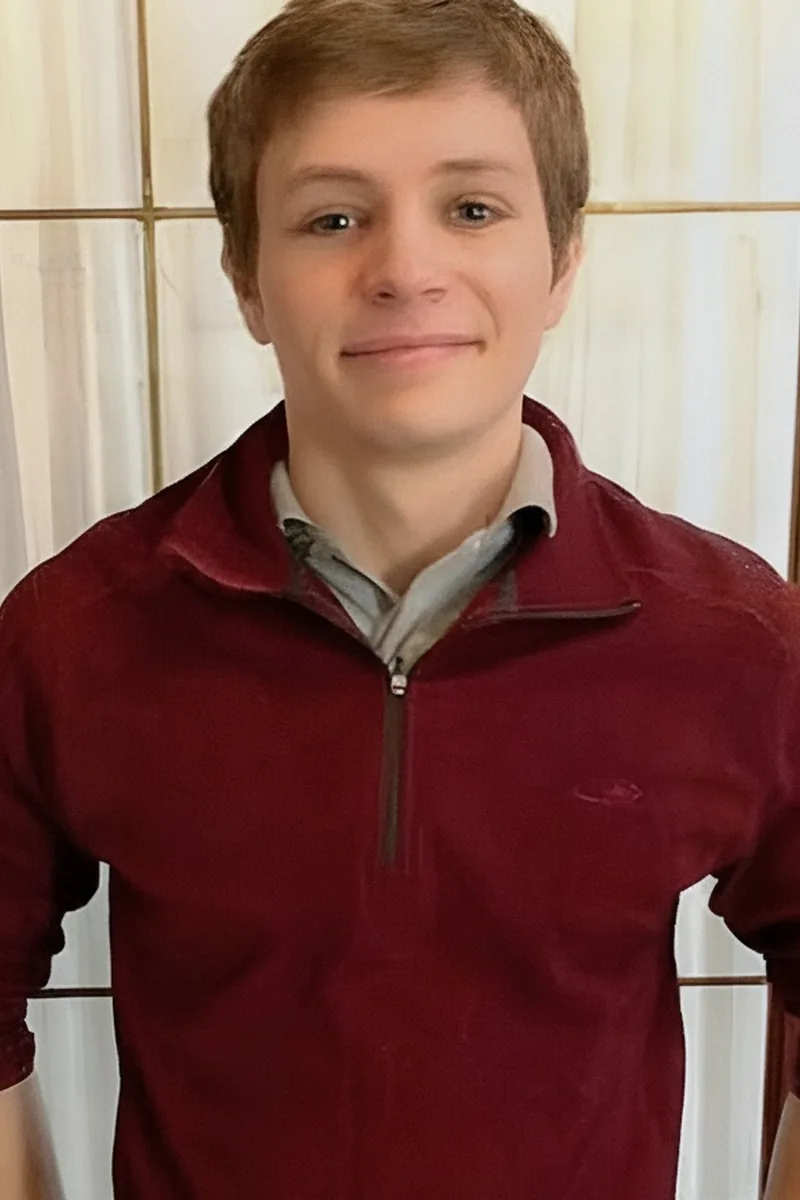
Reaction mechanisms become manageable once a student can track electron movement with confidence, and that's exactly where Jacob starts — arrow-pushing fundamentals before diving into substitution, elimination, and carbonyl chemistry. His biochemistry focus at Missouri State meant he spent serious time with organic transformations that show up in metabolic pathways, giving him a practical lens most tutors lack.
I am excited to help anyone who might need it!
Siddharth's biology degree means he first encountered organic chemistry through the lens of biomolecules — amino acid reactivity, lipid structures, and the functional group behavior that drives metabolic pathways. That biological framing gives him a practical way to teach arrow-pushing and reaction classifications, connecting each mechanism to molecules students can visualize rather than treating them as abstract exercises.
Chemical engineering at Cornell meant Rahul didn't just pass organic chemistry — he applied it daily in reactor design, synthesis planning, and thermodynamic analysis of reaction pathways. That engineering lens gives him a distinctive angle on topics like carbonyl chemistry and stereoselectivity, where he ties mechanism logic back to energy landscapes and kinetic versus thermodynamic control. Rated 4.9 by students.
Reaction mechanisms are the language of organic chemistry, and Troy spent two semesters teaching that language as an organic chemistry TA. He walks students through arrow-pushing, stereochemical outcomes, and retrosynthetic analysis by emphasizing the handful of recurring electronic patterns that make hundreds of reactions predictable rather than random.
Reaction mechanisms are essentially stories told with curved arrows, and the trick is learning to read them rather than memorize hundreds individually. Mark approaches organic chemistry by teaching students to recognize patterns — nucleophilic attacks, leaving group stability, steric effects — so they can predict products on reactions they've never seen before. His chemistry coursework at Notre Dame keeps these concepts fresh and grounded in real molecular behavior.
Reaction mechanisms are the language of organic chemistry, and Daniel learned to speak it fluently through his microbiology and dental science training. He walks through arrow-pushing, stereochemistry, and functional group reactivity by emphasizing the "why" behind each electron movement — so students can predict products on exam day instead of relying on memorized templates.
Reaction mechanisms are the backbone of organic chemistry, and Enoch teaches them by building a visual logic: tracking electron movement, recognizing nucleophile-electrophile patterns, and predicting products from functional group behavior. His biomedical science background means he also connects orgo to real biochemical contexts — amino acid chemistry, drug metabolism, lipid structures — which makes the material stick for premed students especially.
Reaction mechanisms are the language of organic chemistry, and Jon spent his Master's work at Princeton immersed in that language daily. He unpacks arrow-pushing, stereochemistry, and functional group reactivity by tying each mechanism back to the electron behavior driving it, so students build intuition instead of relying on rote memorization. His TA students at Princeton gave him reviews strong enough to earn a teaching award — a good sign for anyone staring down a semester of orgo.
Most organic chemistry frustration comes from trying to memorize hundreds of reactions instead of recognizing the handful of electronic patterns — nucleophilic attack, leaving group ability, steric effects — that drive all of them. Garrett teaches students to read arrow-pushing mechanisms as stories about electron movement, which makes predicting products and regiochemistry intuitive. His approach turns reaction maps from overwhelming charts into logical flowcharts.
Reaction mechanisms are the language of organic chemistry, and Josef teaches students to read them — arrow pushing, stereochemistry, and functional group reactivity — rather than memorize hundreds of individual reactions. His biochemistry focus at Cornell means he can connect orgo concepts like nucleophilic substitution and carbonyl chemistry directly to biological molecules students will encounter later.
Reaction mechanisms in organic chemistry demand the same kind of pattern recognition Seong uses in her neuroscience coursework at Northwestern — tracking electron movement, predicting intermediates, and understanding why one pathway dominates over another. She unpacks arrow-pushing notation by tying each step to underlying principles of nucleophilicity and sterics, so students can reason through unfamiliar reactions on exams instead of relying on rote memorization.
Reaction mechanisms in organic chemistry reward the same kind of systematic thinking that drives engineering design: track the electrons, identify the functional groups, and predict what happens next. Lee teaches students to read mechanisms as stories with cause and effect — nucleophile attacks electrophile, leaving group departs — instead of memorizing hundreds of individual reactions. His biomedical background adds context for why specific organic reactions matter in drug design and biochemistry.
I am a freshman at Vanderbilt University studying biochemistry and involved in analytical chemistry research. Despite my studies being very science oriented, I also enjoy studying English and the humanities. I'd be happy to tutor you in any of these areas!
Testimonials
Because the right Organic Chemistry tutor makes all the difference.
Average Session Rating – Based on 3.4M Learner Ratings
Practice Organic Chemistry
Free practice tests, flashcards, and AI tutoring for Organic Chemistry
Nearby Organic Chemistry Tutors
Other Kansas City Tutors
Related Science Tutors in Kansas City
Frequently Asked Questions
Organic chemistry requires understanding both the 'why' behind reactions and the ability to visualize 3D molecular structures—two skills that don't always come naturally. Students often struggle with reaction mechanisms, predicting products, and connecting abstract concepts like resonance and stereochemistry to real molecules. Many also find the sheer volume of reactions and functional groups overwhelming without a clear framework for organizing the material.
Personalized 1-on-1 instruction lets tutors identify exactly where your understanding breaks down—whether it's drawing mechanisms, predicting reactivity, or visualizing stereoisomers. Tutors can break complex topics into manageable pieces, use drawing and modeling techniques tailored to how you learn best, and focus practice on your specific weak spots rather than reviewing material you've already mastered. This targeted approach builds both conceptual understanding and problem-solving confidence.
Your first session is about understanding where you stand and what you need most. Expect to discuss your current course level, specific topics giving you trouble, and your learning goals—whether that's improving exam scores, mastering mechanisms, or preparing for the MCAT. Your tutor will likely work through a few practice problems with you to identify gaps in understanding and develop a personalized plan for future sessions.
Not at all—memorization without understanding will actually work against you in organic chemistry. The key is learning the underlying principles: how electron movement drives reactions, why certain functional groups behave predictably, and how structure determines reactivity. When you understand these core concepts, you can predict thousands of reactions without memorizing each one. Tutors focus on building this conceptual foundation so you can tackle unfamiliar problems with confidence.
Lab work in organic chemistry requires connecting lecture concepts to hands-on experiments and understanding the 'why' behind each step. Tutors can help you prepare for labs by explaining the chemistry behind procedures, predicting what you should observe, and troubleshooting when results don't match expectations. They can also help you write better lab reports by clarifying how to interpret data and connect your observations back to theory.
Organic chemistry happens in three dimensions, but most textbooks show 2D structures on a flat page—this gap in visualization trips up many students. Strong spatial reasoning helps you predict stereochemistry, understand conformations, and see how molecules interact. Tutors use drawing techniques, molecular models, and practice with wedge-dash notation to build your visualization skills, making abstract concepts concrete and easier to manipulate mentally.
Effective exam prep focuses on practice problems under timed conditions, not just reviewing notes. Your tutor can work through full-length practice exams with you, identify patterns in questions you miss, and teach you strategies for tackling multi-step problems efficiently. They'll also help you build a mental toolkit for approaching unfamiliar reactions and mechanisms—skills that transfer directly to test day.
Varsity Tutors connects you with expert tutors who have strong backgrounds in organic chemistry and experience helping students master the subject. You'll tell us about your current level, goals, and preferred schedule, and we'll match you with someone who fits your needs. From there, you can start personalized sessions designed around your specific challenges and learning style.
Let’s find your perfect tutor
Answer a few quick questions. We’ll recommend the right plan and match you with a top 5% tutor.