Award-Winning Japanese Tutors
serving Kansas City, MO
Japanese
Tutors in Kansas City
Private 1-on-1 tutoring, weekly live classes for academic support, test prep & enrichment, practice tests and diagnostics, and more to elevate grades and test scores.
Based on 3.4M Learner Ratings
UniversitiesSchools & Universities
DeliveredHours Delivered
ProficiencyGrowth in Proficiency
Who needs tutoring?
No obligation. Takes ~1 minute.
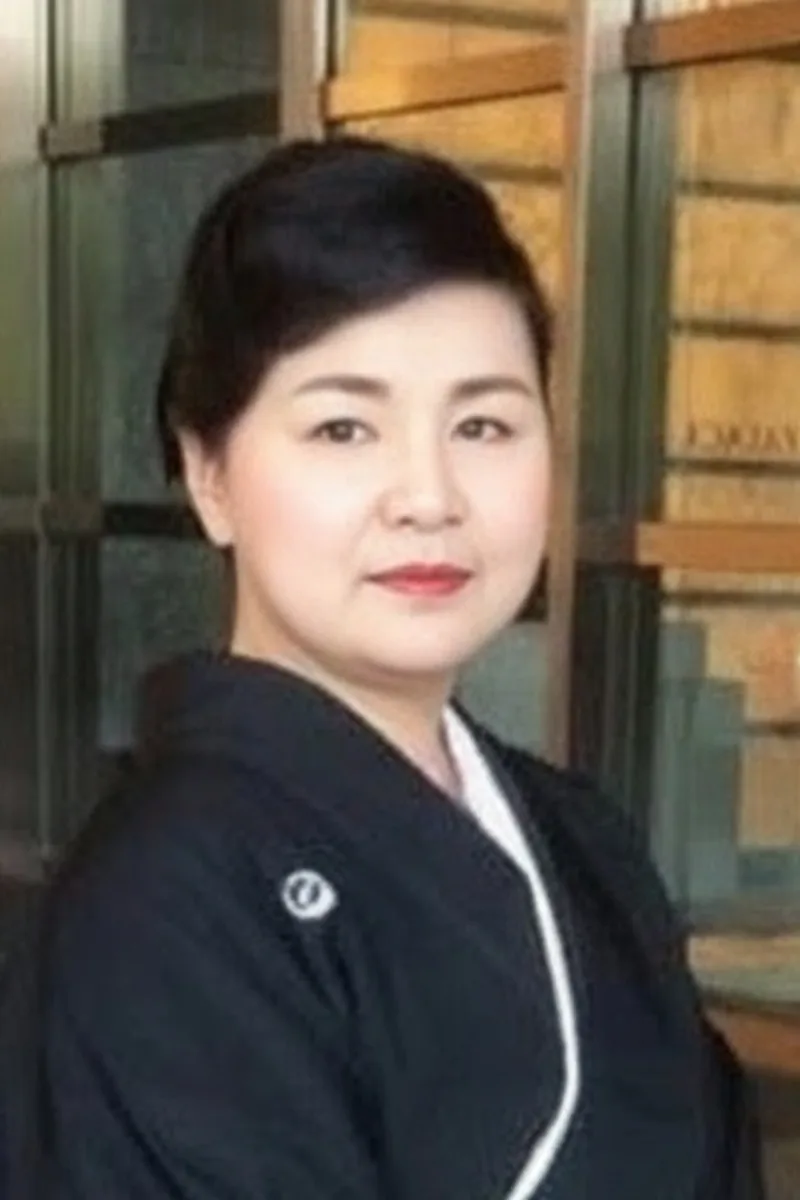
As a native Japanese speaker with over fifty years of fluency in reading, writing, and conversation, Hatsuki teaches the language the way it's actually used — from particle usage and keigo (honorific speech) to the nuances between hiragana, katakana, and kanji in everyday contexts. She currently lives in the U.S. with her family, giving her a natural understanding of where English speakers stumble with Japanese grammar and pronunciation.
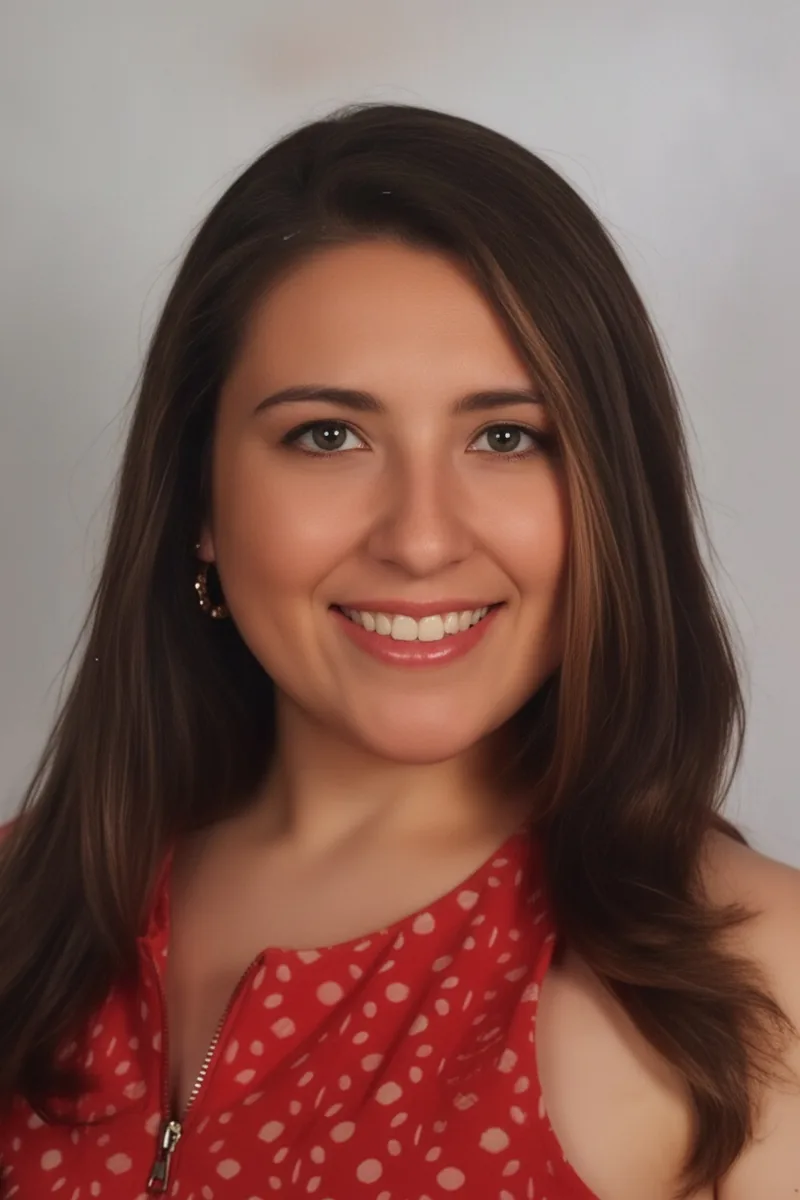
As an Asian Studies major at Duke, Caitlin engages with Japanese language in an academic context that goes beyond textbook dialogues — she understands how kanji, hiragana, and katakana each function within the writing system and why particles like は and が trip up English speakers. She walks through sentence structure and honorific levels with cultural context that makes the grammar patterns memorable.
Having majored in Japanese at SUNY Albany, James doesn't just know the language — he understands the grammar architecturally, from particle usage and verb conjugation tiers to the nuances of honorific speech. He teaches reading and writing through cultural context, connecting kanji compounds to their historical roots so students retain them long-term rather than cramming and forgetting. Rated 4.9 by students.
Sho teaches Japanese with attention to the details that trip up English speakers most — particle usage, verb conjugation groups, and the shift between casual and polite registers. Whether a student is learning hiragana for the first time or working through intermediate kanji and grammar patterns, he brings structured practice to a language that rewards consistency.
Cori is pursuing a Japanese minor at MIT, which means she's actively working through the grammar structures, kanji readings, and particle usage that trip up most learners. That proximity to the learning process gives her a practical sense of what sticks and what needs extra repetition.
Studying Japanese as a minor at Columbia — with plans to eventually work in Japan's renewable energy sector — Shin uses the language as a living tool, not just a classroom exercise. He teaches everything from hiragana and katakana basics to intermediate grammar patterns like ~てしまう and ~ことにする, adjusting to each student's level and building real conversational confidence alongside written accuracy.
Emily minored in Japanese at Texas A&M and continues to engage with the language through media and self-study. She teaches hiragana, katakana, and foundational grammar patterns like particle usage with the same structured approach she applies to her other languages, making the writing systems feel systematic rather than overwhelming.
Zhaleh is actively studying Japanese at Carnegie Mellon University, which means she's navigating the same kanji memorization strategies, grammar particle distinctions, and reading comprehension challenges her students face. She breaks down tricky structures like て-form conjugations and は vs. が usage in ways that make the logic behind the language click.
Triple-majoring in Japanese, linguistics, and computer science at UMass Amherst, Connor brings both fluency and analytical rigor to teaching the language. He unpacks grammar patterns like particle usage and verb conjugation groups by connecting them to the underlying logic of how Japanese sentences are built — making new structures easier to internalize and recall.
I am particularly passionate about math as well as standardized test prep. I studied math on a double-accelerated track throughout middle school and high school, covering math from algebra to multivariable calculus. Aside from teaching academic subjects, I am also trained in playing the piano and violin, having taken lessons for piano from the ages of 4 to 18 and playing violin in my school orchestra from 5th to 12th grade. I love working with students to improve their skills in an area of study, and my favorite part is getting to see them gain confidence in themselves and their own abilities!
Between his East Asian Studies major at Harvard, his presidency of the Harvard College Japan Initiative, and his work in the Yenching Library's Japanese Collection, Shane lives and breathes Japanese. He reads novels and plays games in Japanese for fun, which means he teaches the language the way it's actually used — from kanji recognition and particle usage to the register shifts that textbooks barely cover.
I am an experienced tutor and teacher from Okinawa, Japan who recently graduated from Brown University and now lives in Brooklyn.
During his final summer at NYU, William traveled to Japan to study the language alongside traditional music and wartime film, grounding his Japanese in real cultural context. That immersive experience means he connects vocabulary and grammar to the situations where they're actually used — from reading signs and menus to discussing historical texts. He's especially strong at bridging the gap between textbook Japanese and how the language sounds in practice.
Testimonials
Because the right Japanese tutor makes all the difference.
Average Session Rating – Based on 3.4M Learner Ratings
Nearby Japanese Tutors
Other Kansas City Tutors
Related Languages Tutors in Kansas City
Frequently Asked Questions
Your first session is about building a foundation for personalized learning. A tutor will assess your current level across reading, writing, speaking, and listening, discuss your goals (whether that's conversational fluency, exam preparation, or cultural interest), and create a customized learning plan. This initial conversation helps match you with instruction that fits your pace and learning style.
In a typical classroom, students get limited opportunities to speak and receive personalized feedback on pronunciation and accent. With personalized 1-on-1 instruction, you practice conversational Japanese in real time with a tutor who can correct your pronunciation, model natural speech patterns, and adjust difficulty based on your comfort level. This consistent speaking practice is essential for developing confidence and fluency.
Japanese grammar differs significantly from English—with verb conjugation patterns, particles (like は, を, に), and different sentence structure that don't have direct English equivalents. Rather than memorizing rules in isolation, personalized tutoring helps you understand grammar in context through natural usage and practice. A tutor can break down complex concepts like verb tenses and keigo (polite language) into manageable pieces and show you how they work in real conversations.
Vocabulary retention improves dramatically with spaced repetition and active use—not just flashcard drilling. Personalized tutoring incorporates new vocabulary into conversations, writing exercises, and real-world scenarios, which strengthens memory and helps you use words naturally. A tutor can also help you organize vocabulary by context (food, travel, business) and teach kanji recognition strategies that make learning more efficient.
Understanding cultural context significantly deepens language learning. Japanese communication is deeply influenced by concepts like respect levels, seasonal awareness, and social hierarchy—all reflected in the language itself. Personalized tutoring can weave cultural insights into lessons, helping you understand not just what to say, but when and how to say it appropriately, which accelerates both language skills and cultural fluency.
Japanese proficiency typically requires learning around 2,000 kanji characters for everyday reading and writing. With consistent, focused study—about 10-15 hours per week—students can develop functional kanji skills in 6-12 months, though mastery is an ongoing process. Personalized tutoring accelerates this by teaching you efficient recognition strategies, common radicals, and kanji in meaningful contexts rather than isolation.
The Foreign Service Institute estimates approximately 2,200 hours of study to reach professional proficiency in Japanese—one of the more challenging languages for English speakers. However, conversational ability develops much faster; many students achieve basic conversation skills within 3-6 months of consistent study, and intermediate fluency within 1-2 years. Personalized tutoring accelerates progress by providing daily speaking practice and targeted feedback that classroom learning alone cannot match.
Effective Japanese tutors typically have native or near-native fluency, teaching experience, and expertise in the specific skills you need—whether that's conversational Japanese, exam preparation (AP, JLPT), or business communication. Varsity Tutors connects you with tutors who have demonstrated proficiency and can teach across all four language skills. When you connect with a tutor, you can discuss their background, teaching approach, and experience with students in Kansas City schools to ensure a strong fit.
Let’s find your perfect tutor
Answer a few quick questions. We’ll recommend the right plan and match you with a top 5% tutor.