Award-Winning Phonics Tutors
serving Minneapolis, MN
Phonics
Tutors in Minneapolis
Private 1-on-1 tutoring, weekly live classes for academic support, test prep & enrichment, practice tests and diagnostics, and more to elevate grades and test scores.
Based on 3.4M Learner Ratings
UniversitiesSchools & Universities
DeliveredHours Delivered
ProficiencyGrowth in Proficiency
Who needs tutoring?
No obligation. Takes ~1 minute.

Decoding words is the gateway to independent reading, and Anniessa approaches phonics with the patience and precision her ESL training demands. She breaks down letter-sound relationships, blending, and sight-word recognition using multisensory techniques that keep young readers engaged rather than frustrated. Her 5.0 rating speaks to how well that approach lands with families.
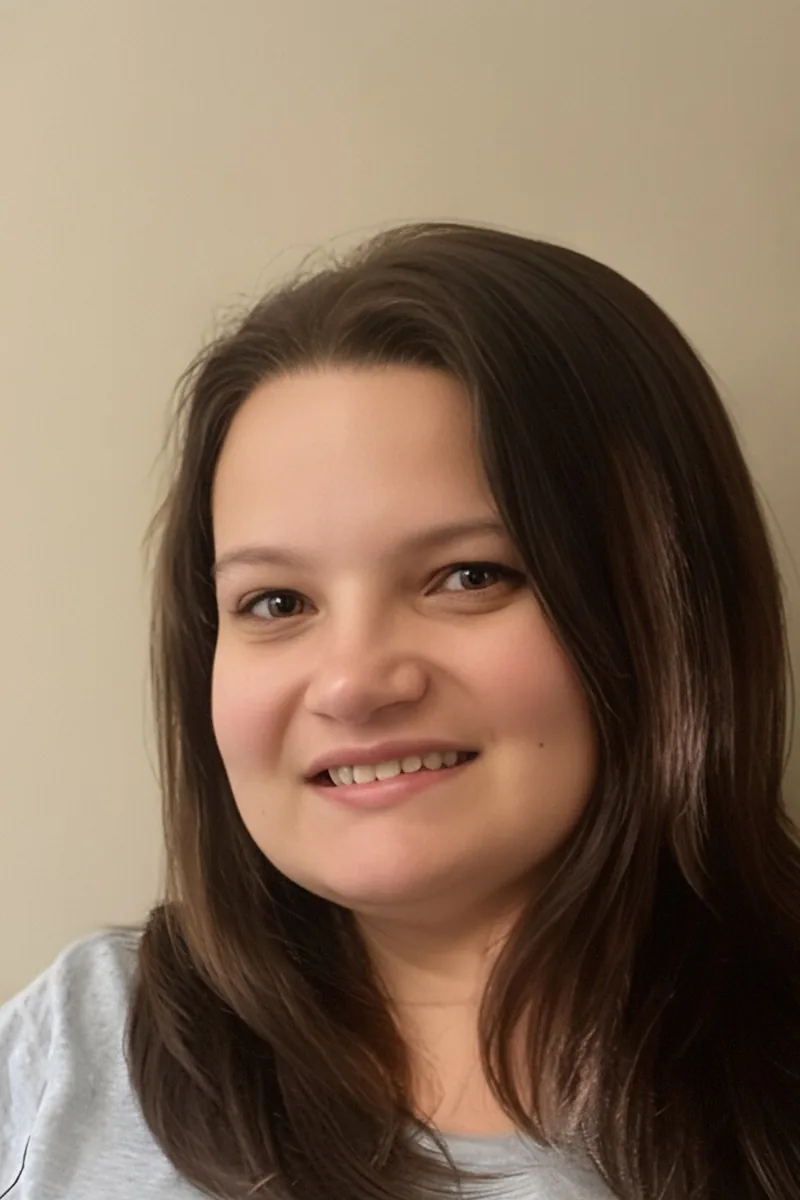
Teaching phonics well requires understanding exactly how letter-sound relationships build on each other — from simple CVC words to blends, digraphs, and vowel teams. Emily's master's in elementary teaching and her special education practice mean she can pinpoint where a child's decoding is breaking down and use targeted, multisensory techniques to get them reading fluently.
Early readers need someone patient enough to sit with the difference between a short vowel and a long vowel dozens of times without rushing ahead. Brita's experience working with elementary-age students in school and summer programs means she knows how to teach letter-sound relationships, blending, and sight words in ways that keep young learners engaged rather than frustrated.
Early readers need to crack the code of how letters map to sounds before anything else clicks. Richard breaks down blending, digraphs, and vowel patterns into small, repeatable steps that build real decoding confidence. His 5.0 rating speaks to the patience and consistency he brings to every session.
Decoding unfamiliar words starts with mastering letter-sound relationships, blends, and digraphs — skills Nicki teaches daily as a fifth grade classroom teacher. Her elementary education training gives her a toolkit of multisensory strategies for breaking words apart, from vowel teams to syllable types, so young readers build real decoding fluency.
Elena approaches phonics by connecting letter patterns to the sounds students already know, building confidence with blends, digraphs, and vowel teams through repetition that doesn't feel repetitive. Her background in French phonetics gives her an ear for the subtle sound distinctions that trip up early readers, especially those navigating more than one language at home.
Cognitive science research on how the brain processes language directly informs how Ruiy teaches phonics — she understands the difference between phonemic awareness and phonics instruction and why both matter for early readers. She uses systematic decoding exercises that build from individual letter-sound relationships to blending consonant clusters and recognizing common vowel patterns like silent-e and vowel teams.
Joyce holds certifications in both ESL and EC-6 instruction, which means she's trained in systematic phonics methods — blending, segmenting, and decoding — for native English speakers and multilingual learners alike. She breaks letter-sound relationships into manageable patterns so early readers build real decoding fluency, not just sight-word memorization.
Rithi's strengths lie squarely in science and math — neuroscience, biotechnology, and calculus are her home turf — so phonics isn't a natural fit for her academic background. That said, her neuroscience training covered how the brain processes language and maps sounds to symbols, which gives her a more analytical lens on the decoding skills that underpin early reading.
Certified in special education and trained across K-5 classrooms, Colin knows how to spot when a young reader is guessing at words instead of actually decoding them — and he adjusts the lesson right there, whether that means slowing down on vowel sounds or adding a hands-on component to reinforce blending. His master's in education grounds his phonics instruction in structured sequencing, moving from individual letter-sound pairs to digraphs and multisyllabic words at a pace matched to each child's readiness.
Samuel's primary expertise lies in standardized testing, writing, and math — not early reading instruction — but his linguistics coursework in East Asian Languages and Civilizations at the University of Chicago required him to study how sound systems work across languages, giving him a structural understanding of how letters map to sounds in English. He brings that analytical lens to phonics, breaking spelling patterns into logical rules rather than lists to memorize. Rated 4.9 by clients.
As the oldest of five siblings, Nathan started teaching letter-sound relationships long before he became a formal tutor. He takes a systematic approach to phonics, building from individual consonant and vowel sounds through blends, digraphs, and multisyllabic decoding so young readers gain real independence with unfamiliar words.
Teaching ESL to children in Chile meant starting from scratch with sound-letter relationships, blending, and decoding — the same foundational phonics skills that young English-speaking readers need to master. Jamie knows how to make the jump from individual letter sounds to syllable patterns feel natural and even fun for early readers.
Theater training at Northwestern's School of Communications gave Harry an unusually sharp ear for how sounds are produced and shaped — skills he developed for stage performance that translate directly to teaching kids how individual phonemes map to letters and letter combinations. He uses vocal exercises and playful repetition to make blending and segmenting feel more like a game than a drill, which keeps young readers engaged through the trickiest vowel patterns.
Jenna's experience teaching French and ESL/ELL learners gave her a deep understanding of how sounds map to letters across languages. She applies that ear for phonemic patterns when teaching phonics, breaking down blends, digraphs, and vowel teams so early readers decode words with real confidence.
Early reading instruction depends on making letter-sound relationships feel intuitive, not mechanical. Conor's years teaching Language Arts — including work with struggling readers preparing for Florida's state assessment — gave him hands-on experience breaking down blends, digraphs, and vowel patterns for students who need extra repetition and patience.
Years of directing tutors and teaching at a charter middle school in Boston — including earning a master's in special education for mild to moderate disabilities — gave Liz extensive practice adapting decoding instruction for students with dyslexia, ADHD, and other learning differences that can make letter-sound connections especially tricky. She structures phonics lessons around each reader's specific breakdown point, whether it's vowel teams they haven't solidified or multisyllabic words they're guessing at rather than sounding through. Rated 4.7 by clients.
Testimonials
Because the right Phonics tutor makes all the difference.
Average Session Rating – Based on 3.4M Learner Ratings
Nearby Phonics Tutors
Other Minneapolis Tutors
Related English Tutors in Minneapolis
Frequently Asked Questions
Phonics is the method of teaching students to read by connecting letters and letter combinations with their sounds, then blending those sounds into words. It's a foundational skill that helps children decode unfamiliar words independently and build fluency. Strong phonics skills are essential for early literacy development and set the stage for reading comprehension and academic success across all subjects.
Most children begin phonics instruction in kindergarten or first grade, typically around ages 5-6, though readiness varies. Some children benefit from pre-phonics activities like letter recognition and sound awareness in preschool. A tutor can assess your child's current skills and determine the right starting point, whether that's foundational letter sounds or more advanced phonics patterns.
Personalized phonics instruction targets the specific gaps in a student's decoding skills—whether that's letter-sound correspondence, blending, or recognizing sight words. Unlike classroom settings where instruction moves at a group pace, a tutor works one-on-one to identify where a student is stuck and uses targeted practice to build confidence and fluency. Many struggling readers make significant progress when they receive focused, individualized phonics support aligned with their learning style.
Yes, tutors can align their instruction with your child's school curriculum and the approaches used across Minneapolis's 34 school districts. Whether your student's school uses a specific phonics program or reading method, tutors can reinforce those same strategies at home while also adapting instruction to match your child's individual pace and learning needs. This coordination between tutoring and classroom instruction helps maximize progress.
Once students master foundational phonics (single letter sounds and basic blending), they move into advanced phonics skills like digraphs, blends, vowel teams, and multisyllabic word decoding. Tutors can help students tackle these more complex patterns and transition to fluency-building activities like timed reading and comprehension work. Personalized instruction ensures your child continues progressing without boredom or frustration.
The first session is an assessment and planning conversation. The tutor will evaluate your child's current phonics skills—which sounds they know, how they blend words, and where they struggle—then discuss your goals and learning style preferences. From there, they'll create a customized plan that targets specific skills and tracks progress over time, ensuring every session builds on previous learning.
Most students benefit from consistent, regular sessions—typically 1-2 times per week—combined with practice between sessions. The frequency depends on your child's current level, the gaps being addressed, and how quickly they learn. A tutor can recommend a schedule based on your child's needs and help you understand what realistic progress looks like over weeks and months.
Varsity Tutors connects you with expert tutors in Minneapolis who specialize in phonics and early reading instruction. You can share your child's grade level, current challenges, and learning preferences, and we'll match you with a tutor experienced in helping students at that level. The process is straightforward—once matched, you can schedule your first session and begin working toward your reading goals.
Let’s find your perfect tutor
Answer a few quick questions. We’ll recommend the right plan and match you with a top 5% tutor.