Award-Winning Elementary School Reading Tutors
serving Flint, MI
Elementary School Reading
Tutors in Flint
Private 1-on-1 tutoring, weekly live classes for academic support, test prep & enrichment, practice tests and diagnostics, and more to elevate grades and test scores.
Based on 3.4M Learner Ratings
UniversitiesSchools & Universities
DeliveredHours Delivered
ProficiencyGrowth in Proficiency
Who needs tutoring?
No obligation. Takes ~1 minute.

Early reading clicks when a child connects phonics and vocabulary to stories they actually care about. Skyler's background spans multiple languages and literatures, giving her a sharp sense of how decoding, fluency, and comprehension build on each other. She makes reading practice feel less like a chore by matching books and passages to each student's interests.
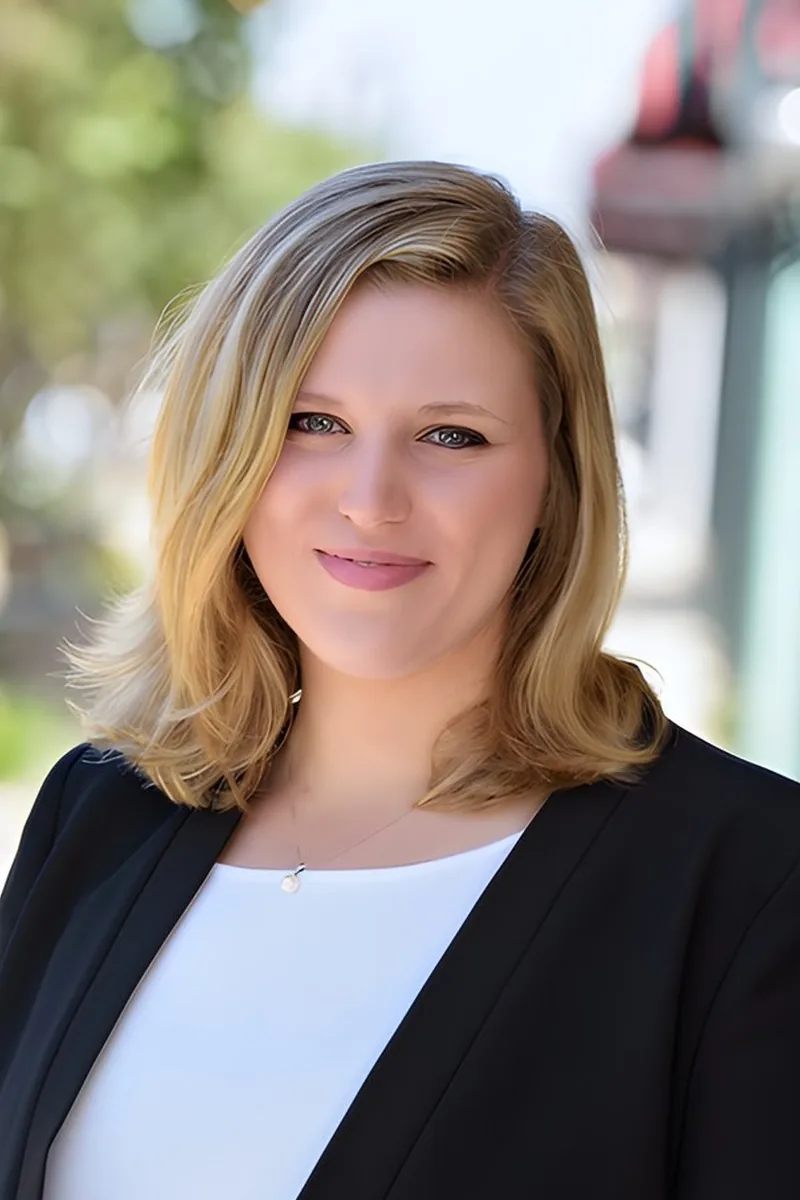
Early reading is about more than decoding words — it's about building the comprehension habits that make a lifelong reader. Rae uses strategies like prediction, retelling, and questioning to keep young readers actively engaged with a story instead of just sounding out words on a page. She adjusts her approach based on whether a student needs support with fluency, vocabulary, or understanding what they've read.
Reading clicks for young learners when they can connect a story to something they already care about — a favorite animal, a family tradition, a silly adventure. Arianna uses that spark to build phonics, fluency, and comprehension skills that stick. Her Dartmouth education and love of books make her a natural fit for guiding early readers through everything from decoding tricky words to retelling a story in their own words.
Early readers need someone who makes the process feel like discovery, not drudgery. Jack's volunteer tutoring with Detroit's underserved communities gave him hands-on experience building phonics, vocabulary, and basic comprehension skills with young learners. He keeps sessions interactive and celebrates small wins — sounding out a tricky word, retelling a story in sequence — to build genuine confidence.
Building real reading confidence at the elementary level means more than just decoding words — it means asking "what just happened?" and "why did the character do that?" after every page. Maansi walks young readers through these comprehension checkpoints, turning passive page-turning into active understanding of story elements like setting, character motivation, and sequence.
Early reading skills like decoding, fluency, and basic comprehension set the stage for everything a student will do academically. Aiden brings patience and structure to each session, breaking reading practice into manageable pieces — sounding out tricky words, retelling what happened in a passage, and connecting stories to a child's own experience.
Phonics, sight words, fluency, and comprehension each require a different instructional approach — and Rachel's special education background means she can identify exactly where a young reader's skills break down. She uses targeted strategies like guided oral reading and picture-based prediction to build confidence at every stage. Whether a child is just learning to decode or starting to answer questions about a story, she matches instruction to the specific skill gap.
Science majors aren't the obvious pick for elementary reading — but Krisha's biology training at Michigan means she's constantly breaking down complex texts into digestible pieces, a skill that translates directly to teaching young readers how to tackle unfamiliar words and extract meaning from a passage. She brings that same analytical patience to phonics drills and story comprehension, keeping sessions structured but light enough that kids stay engaged. Rated 5.0 by families she's worked with.
Phonics and sight words are the building blocks, but the real goal is getting a child to read independently and enjoy it. Nishika pairs phonics drills with age-appropriate stories so students practice decoding in context, building both fluency and the confidence to tackle unfamiliar words on their own.
Learning to read is really about learning to think — making predictions, connecting new words to context clues, and retelling a story in a way that shows genuine comprehension. Syeda breaks these skills into small, confidence-building steps so young readers actually enjoy picking up a book. Rated 5.0 by students and families.
I am currently working toward a Master of Arts in Education in Teaching English as a Second Language at Aquinas College. I consider myself a life-long learner and am excited to get started with Varsity Tutors. I am open to tutoring a wide range of subjects and levels as each brings a unique set of challenges and rewards. In my free time, I am an avid reader of both fiction and nonfiction texts and enjoy kayaking with my son and spending time outdoor with our dogs.
An avid reader herself, Nikki teaches elementary students to move beyond just decoding words — she walks them through how to make predictions, identify main ideas, and connect what they read to their own experiences. Her patient, creative approach (rated 5.0) keeps younger learners engaged through stories and guided questions rather than worksheets alone.
Getting young readers excited about a book starts with matching them to stories they actually care about — something Kinza learned firsthand teaching in Detroit, South Africa, and Morocco. She breaks reading into manageable skills like decoding, sight words, and making predictions, building confidence one page at a time. Rated 4.8 by families she's worked with.
After four years of weekly volunteering at the Ann Arbor District Library and coordinating a K-Kids group at Angell Elementary, Gina knows how to meet an early reader's energy level and keep them focused on the page. She breaks down skills like identifying main ideas, making predictions, and understanding new vocabulary in ways that feel more like conversation than drilling. Her background in English from the University of Michigan gives her a strong grasp of how reading foundations connect to later success.
For early readers working on phonics, sight words, or reading fluency, Nicholas keeps sessions interactive and low-pressure — something he's practiced through his experience easing students past mental blocks around academics. He builds comprehension by asking targeted questions during read-alouds that teach kids to predict, summarize, and connect stories to their own lives.
Early reading is where Anna's two worlds collide: her elementary teaching degree and her current speech-language pathology training. She understands the mechanics behind how young learners decode words, build fluency, and start comprehending full stories. Sessions typically weave together sight word practice, guided reading, and retelling exercises that strengthen comprehension from the start.
Early reading confidence comes from building skills like fluency, vocabulary in context, and the ability to retell what a passage actually said. Mark breaks comprehension down into small, concrete steps — predicting what comes next, finding the main idea, noticing how illustrations support the text — so younger readers develop habits that carry forward into more demanding work.
Before a student can analyze a passage, they need to decode it confidently — sounding out unfamiliar words, recognizing sight vocabulary, and connecting what they read to what they already know. Gurbani brings patience and structure to these foundational skills, using her science background to weave in high-interest nonfiction topics that keep young readers curious and engaged.
Learning to read well early changes everything that comes after, and Brittanie takes that seriously. She works on phonics, sight words, and fluency with younger readers, then shifts toward comprehension strategies like predicting, summarizing, and asking questions about the text. Her goal in every session is for the student to close the book feeling like they understood what they just read.
I am a recent University of Michigan graduate with a Bachelor's in Industrial and Operations Engineering. I enjoy teaching people of all ages, and am particularly strong within SAT/ACT test prep, algebra/geometry/pre-calc, calculus 1, and reading/writing.
I have eight years of experience teaching and tutoring Science, Math, and English to students ranging from middle school to college. I graduated with my PhD in Molecular Biology/Microbiology in 2020 from Wayne State University. During my graduate studies I taught undergraduate Introductory Biology Labs. I also served as a lead lecturer for Microbiology for one semester. Prior to graduate school, I received my BSc in Biology from University of Michigan, Dearborn in 2014. During my undergraduate studies, I tutored peers primarily in Biology and English courses. I also taught swim lessons to children of all ages for 5 years. I have worked with several ESL students, especially in English, Reading, and Writing. I also worked extensively with a peer who was visually impaired, which allowed me to come up with creative teaching strategies, such as building a cardboard model of a cell instead of looking at a cell through a microscope. Additionally, I have a 4-year old son with autism, have a deep understanding of his learning struggles, and have learned a wide variety of strategies to help him learn at his full potential. Thank you for taking the time to read about by background; I am excited to begin working with you!
Annie tackles early reading by connecting phonics patterns and sight words to stories that keep kids engaged, so decoding feels purposeful rather than tedious. Her patient, structured approach — she once struggled with foundational subjects herself — means she knows how to celebrate small wins and keep momentum going.
Early reading confidence shapes everything that comes after, and Kavya treats each session as a chance to make a book feel like an adventure rather than a chore. She zeroes in on specific skills like decoding unfamiliar words, making predictions, and retelling stories in a child's own words. Her psychology training gives her a sharp eye for how different kids process language.
Early reading is about more than sounding out words — it's learning to visualize a story, predict what comes next, and connect what's on the page to what a child already knows. Mahalia's background in social work and youth programming gives her a sharp sense of how to build the kind of trust that makes a reluctant reader willing to try. She tailors her approach to each student's reading level, whether they're working on fluency or tackling their first chapter books.
Teaching a young reader to decode words is only half the job — the other half is making reading feel rewarding. Kevin pairs phonics and fluency practice with age-appropriate stories that spark curiosity, so students build speed and comprehension at the same time. His experience creating a summer tutoring program for younger students gave him a practical toolkit for keeping elementary readers motivated.
Through her nonprofit work educating families in Ecuador, Vanessa has seen firsthand how foundational early reading skills shape everything that comes after. She builds young readers' confidence by connecting phonics, vocabulary, and comprehension to stories that genuinely interest them — turning reading from a chore into something a child wants to do on their own.
Sherry is pursuing a master's in speech-language pathology at Columbia's Teachers College, which means she understands the cognitive mechanics behind how young readers decode words, build fluency, and develop comprehension. She teaches phonics patterns, sight-word recognition, and read-aloud strategies tailored to each child's reading level. Her 5.0 rating speaks to how well she connects with elementary-age learners.
Building reading confidence early changes everything — from decoding unfamiliar words to making predictions about what happens next in a story. Renee's background in languages and literature means she understands how reading skills develop, and she brings that knowledge to phonics, vocabulary, and comprehension work with younger readers.
Andrew's own wide-ranging reading habits — from Mandarin texts to AP-level political analysis — give him a genuine curiosity about language that younger readers pick up on quickly. He teaches elementary students to tackle unfamiliar words by breaking them into smaller parts and to check their own understanding by pausing to summarize what just happened on the page. Rated 4.9 by families he's worked with.
Joseph approaches early reading by connecting phonics patterns and sight words to stories kids actually want to read. His experience across elementary subjects means he can spot when a student is struggling with decoding versus comprehension and adjust accordingly — rated 4.9 by families he's worked with.
Phonics, sight words, and fluency are the building blocks, but Michelle also emphasizes comprehension from the very beginning — asking young readers to predict, retell, and connect stories to their own experiences. Her dual background in journalism and Africana Studies means she draws on a wide range of culturally diverse texts to keep kids engaged and curious.
Before a child can analyze a story, they need to feel confident decoding words, tracking characters, and retelling what happened in order. Allan approaches early reading by connecting vocabulary and comprehension exercises to topics kids are genuinely curious about — especially science and the natural world, drawing on his biology background. That curiosity-first approach turns reading practice into something students want to do rather than something they endure.
Building reading confidence early changes a student's entire academic trajectory. Nima works on phonics, sight words, and reading fluency with younger students, then gradually introduces comprehension questions that teach them to think about what they've just read. His warm, encouraging style — shaped by tutoring across dozens of subjects and grade levels — keeps reluctant readers engaged rather than frustrated.
Before a child can love reading, they need to feel successful at it. Vansh zeroes in on the specific skill holding a young reader back — whether that's decoding unfamiliar words, tracking a character's motivations, or retelling a story in sequence — and builds confidence around that one thing before moving on.
Building real reading confidence at the elementary level means more than just decoding words — it means learning to make predictions, ask questions about characters, and connect stories to personal experience. Vivian teaches these comprehension strategies explicitly, giving young readers tools they can use every time they pick up a book.
Testimonials
Because the right Elementary School Reading tutor makes all the difference.
Average Session Rating – Based on 3.4M Learner Ratings
Other Flint Tutors
Related English Tutors in Flint
Frequently Asked Questions
Varsity Tutors matches Flint students with expert Elementary School Reading tutors for 1-on-1 instruction. We pair each student with a tutor based on their specific needs, learning style, and goals.
Whether you need homework help, exam prep, or want to get ahead, our Elementary School Reading tutors are ready to help.
Common challenges include gaps from earlier material, difficulty with specific concepts, and trouble applying learning to new problems. These issues can snowball quickly in Elementary School Reading.
A tutor identifies where you're stuck, fills in gaps, and provides targeted practice. The 1-on-1 format means you get help exactly where you need it.
Tutors work with your student's actual coursework—homework assignments, class notes, and upcoming tests. This keeps tutoring directly relevant to what's happening in the classroom.
When you share information about your student's school and curriculum, we can match you with a tutor who has relevant experience.
All tutors complete background checks, credential verification, and teaching evaluation. Many of our Elementary School Reading tutors hold advanced degrees or have years of teaching experience.
You can review tutor profiles to find someone with the right background for your student's level and needs.
Many students see improved grades within a few weeks, along with better understanding of Elementary School Reading concepts and more confidence tackling challenging material.
Tutors track progress and adjust their approach to ensure continued improvement.
Most students benefit from 1-2 sessions per week. More frequent sessions help if your student is significantly behind or has an important exam coming up.
Your tutor can recommend a schedule based on your student's specific situation and goals.
Tutoring is purchased in packages of hours, with rates varying by tutor experience. Varsity Tutors offers several options to fit different budgets and needs.
You can discuss pricing during your consultation to find what works best.
Your tutor will assess where your student is, discuss goals, and start working on priority areas. Most students bring current homework or upcoming test material to focus on.
By the end, you'll have a clear sense of how the tutor can help and a plan for moving forward.
Let’s find your perfect tutor
Answer a few quick questions. We’ll recommend the right plan and match you with a top 5% tutor.