Award-Winning College Essays Tutors
serving Louisville, KY
College Essays
Tutors in Louisville
Private 1-on-1 tutoring, weekly live classes for academic support, test prep & enrichment, practice tests and diagnostics, and more to elevate grades and test scores.
Based on 3.4M Learner Ratings
UniversitiesSchools & Universities
DeliveredHours Delivered
ProficiencyGrowth in Proficiency
Who needs tutoring?
No obligation. Takes ~1 minute.
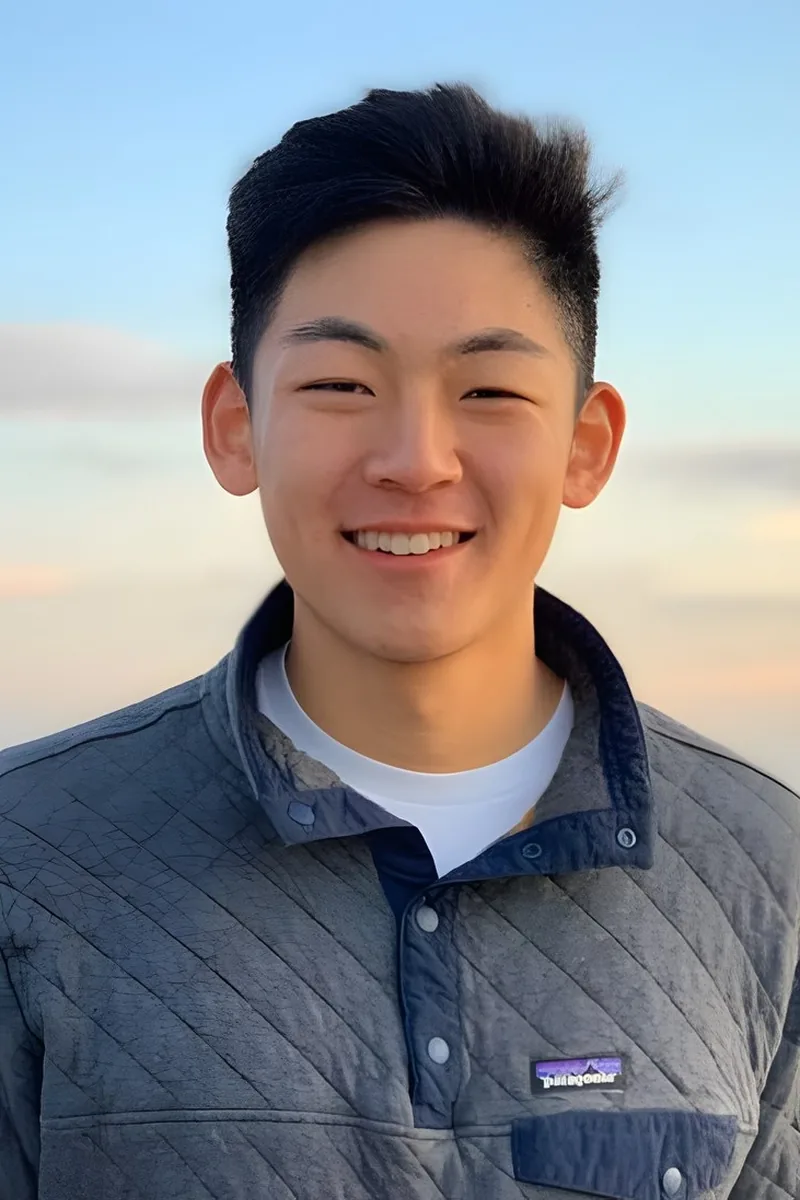
Getting into Stanford's computer science program meant Kevin wrote application essays that translated technical passions into compelling personal narratives — a skill he now teaches to students struggling to make their own stories stand out. He digs into brainstorming and structural revision, pushing drafts past generic "why this school" answers toward specific, voice-driven pieces that admissions officers remember.
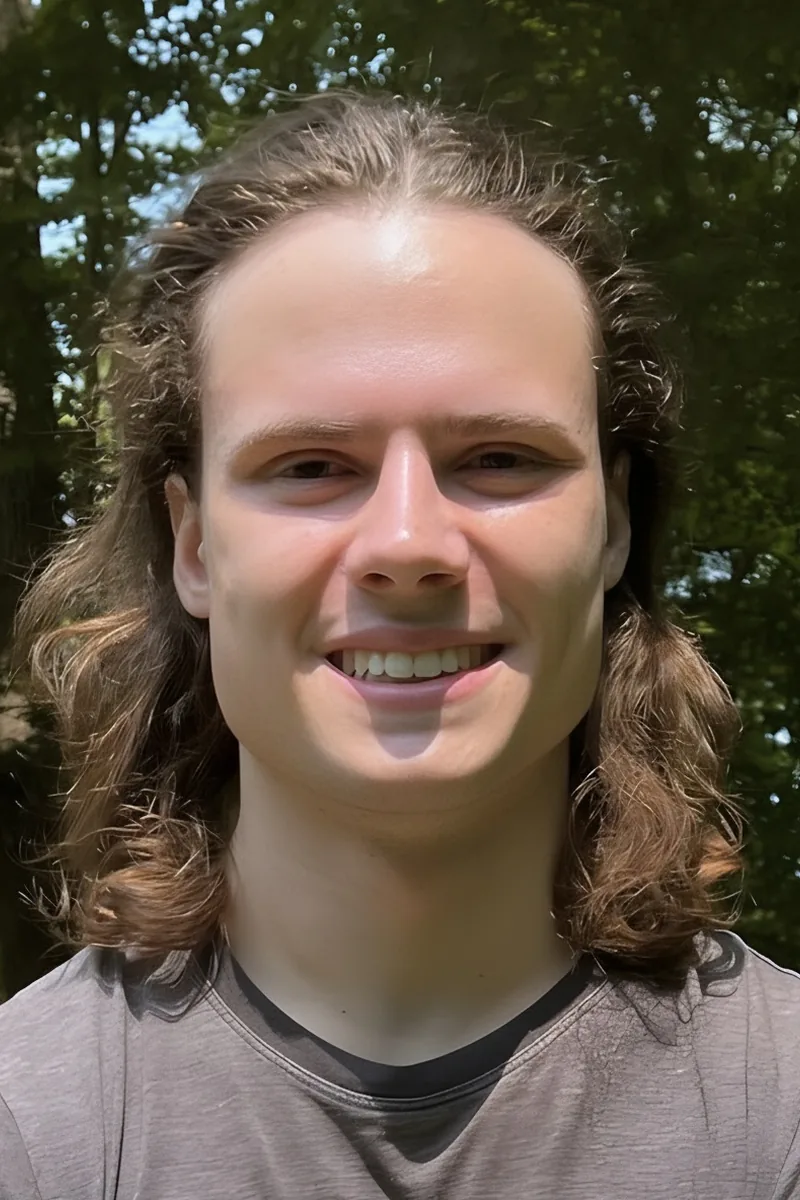
Evan has navigated the graduate admissions process himself, crafting personal statements that earned him a spot in Savannah College of Art and Design's competitive game development program. He walks students through brainstorming a genuine narrative thread, structuring drafts around a single compelling theme, and revising until every sentence earns its place.
A college essay needs to do one thing well: reveal how a student actually thinks, not just what they've accomplished. Logan's communication degree and Master of Divinity gave him years of practice distilling personal conviction into precise, compelling prose. He walks students through every stage — brainstorming the right story, drafting with voice, and cutting what doesn't serve the narrative.
Having earned an MFA in English from Notre Dame, Kelsey knows exactly what admissions readers look for — a voice that sounds like a real person, not a thesaurus. She walks students through brainstorming, drafting, and revising so that each essay reveals something specific and memorable about who they are.
Writing a college essay that actually sounds like you — not like a thesaurus or a motivational poster — is harder than most students expect. Addison's Film Studies degree from Rice sharpened her storytelling instincts, and she applies that narrative sense to brainstorming, structuring, and revising personal statements. She's particularly good at pulling out the specific details and voice that make an essay memorable to admissions readers.
A strong college essay doesn't summarize a résumé — it reveals how a student thinks. Matthew, currently pursuing biomedical engineering, knows how to help applicants find the one story that admissions officers haven't read a thousand times and shape it into a compelling narrative. His own love of writing and reading gives him a sharp editorial eye for voice, structure, and authenticity.
A college essay that reads like a résumé summary won't stand out, and Benjamin's humanities background gives him a sharp sense for what admissions readers actually respond to — a specific voice, a genuine angle, and prose that doesn't try too hard. He walks students through brainstorming, drafting, and revising with an emphasis on finding the one story only they can tell.
The difference between a forgettable college essay and a compelling one usually isn't the topic — it's the structure and voice. Anthony treats each draft as a piece of creative nonfiction, pushing students to find the specific scene or detail that makes their story theirs, then shaping the narrative arc around it. His editing background means he's also ruthless about cutting filler, so the final product is tight and authentic rather than bloated with clichés.
I am no longer needed.
A college essay lives or dies on voice — admissions officers read thousands of competent essays but remember the ones that sound unmistakably like a real person. Diana studied English and Political Science at the University of Louisville and understands how to draw out a student's authentic story, then shape it into a narrative with a compelling hook, specific details, and a conclusion that resonates beyond the page.
A math major who also teaches literature, grammar, and essay editing, Jesse sits in both analytical and creative worlds — which means he can help an applicant build a tight logical arc through their personal statement while still making it sound like a real human talking. He's particularly useful for students who know what they want to say but can't get the structure to hold, breaking a rambling draft down to its one essential thread and rebuilding from there.
A strong college essay needs a genuine story told with precision — and Kaylee knows how to find both. As a communication sciences major and Alpha Chi Honors Society member at Brescia University, she walks students through brainstorming personal narratives, structuring drafts around a single compelling theme, and revising until every sentence earns its place.
A strong college essay doesn't summarize a résumé — it reveals how a student thinks. Grace, currently navigating college life as a dual major in Environmental Studies and Asian Studies, knows what admissions readers respond to and walks students through brainstorming, drafting, and refining a personal narrative that sounds genuinely like them.
A strong college essay isn't about listing achievements — it's about finding one specific story that reveals how a student thinks. Sowmya went through the law school application process herself and understands how admissions readers evaluate personal statements. She digs into brainstorming, structure, and voice to turn a rough draft into something that sounds unmistakably like the student writing it.
A strong college essay doesn't summarize a résumé — it reveals one specific thing about the writer that an admissions reader will remember. Patty digs into brainstorming and drafting with students, shaping raw personal stories into polished narratives with clear structure and authentic voice. Her editing instincts come from years of close work with written English at every level.
A history degree means Alexander spent years crafting thesis-driven arguments under pressure — exactly the skill that makes a college admissions essay land. He digs into what makes a student's story distinctive and then shapes the narrative structure, voice, and pacing until the essay reads as genuinely theirs.
Having navigated the college application process as a STEM student, Andrew knows how to craft essays that reveal personality and intellectual curiosity without relying on clichés about "wanting to make a difference." He digs into brainstorming with students to find the one specific story or moment that admissions readers will actually remember.
A compelling college essay doesn't summarize a résumé; it reveals how a student thinks. Haileigh walks writers through brainstorming, drafting, and refining a narrative voice that admissions officers remember — whether the prompt asks about identity, challenge, or intellectual curiosity. Her 5.0 rating speaks to how well that process works.
A strong college essay doesn't summarize a résumé — it turns one specific moment or idea into a window on who you are. Dharani coaches students through brainstorming, drafting, and revising so the final piece sounds like them, not like a template. Her own recent experience applying to programs at the University of Kentucky keeps her advice grounded in what admissions readers are actually looking for.
The hardest part of a college essay isn't the writing — it's figuring out which story actually reveals something about you. Jenna, an avid reader and writer who graduated with a French and biochemistry double major, digs into brainstorming and structural revision to turn a vague idea into a specific, compelling narrative. She's particularly good at tightening introductions so admissions readers keep going.
Going through the medical school application process himself — he's heading to UVA this fall — Troy knows firsthand how to shape personal experiences into a compelling narrative under tight word limits. He approaches college essays by identifying one authentic thread in a student's story and building the draft around that, rather than trying to cram in every accomplishment.
Applying to college as a neuroscience major meant Janki had to translate complex scientific interests into compelling personal narratives — a skill she now brings to brainstorming, drafting, and revising application essays. She teaches students how to find the specific story only they can tell, then structure it so admissions readers remember it.
As a medical student at the University of Kentucky, Jason went through the grueling process of crafting personal statements that had to convey both scientific rigor and genuine personality. He applies that same eye for narrative structure and authentic voice when walking students through brainstorming, drafting, and refining their college application essays.
A strong college essay needs a genuine story told with precise language — not a résumé rewritten in paragraph form. Wilson, a TEFL-certified English teacher who has lived and worked across Greece, China, and Taiwan, coaches students on finding a specific personal angle and structuring their narrative so admissions readers remember it.
A great college essay doesn't summarize a résumé — it reveals how a student thinks. Amy, an avid writer and traveler who once spent nine weeks backpacking through Southeast Asia, knows how to pull a compelling narrative out of everyday experiences and shape it into a personal statement that admissions officers actually remember.
College admissions readers skim hundreds of essays a day, so the opening line and overall arc matter more than most students realize. Isabella, currently navigating college life at the University of Kentucky, brings a recent applicant's perspective to brainstorming, drafting, and revising personal statements that sound like the student — not like a thesaurus.
A strong college essay doesn't summarize a résumé — it reveals how a student thinks. Nicole's communication degree and her MA writing experience make her particularly good at pulling a specific, authentic narrative out of a student's experiences and shaping it into a compelling personal statement. She tackles everything from brainstorming to final polish.
Between a math degree from Rose-Hulman and a master's in computer science, Jacob has spent years writing for audiences that prize logic and structure — and he brings that same architectural thinking to the college essay, where a clear throughline matters more than flowery prose. He's read enough US history in his spare time to know that the best stories hinge on one specific, honest detail, and he pushes applicants to find theirs instead of listing résumé highlights. Rated 4.9 by students.
Personal statements fall flat when students try to sound impressive instead of specific, and Faith has a knack for pulling out the concrete details that make an essay memorable. She runs sessions like conversations — asking questions until the real story surfaces, then shaping it into a draft with a clear arc. Her English degree and editorial eye keep the voice authentic while making sure the structure does its job.
I am a graduate of a liberal arts university, with majors in both Spanish and Studio Arts. As a Teach for America alumni I have worked as a Spanish and Art teacher in elementary, middle, and high school settings in both public and private schools. Additionally I have worked with nonprofit organizations to provide arts education. I primarily tutor Spanish, English, Reading and ACT prep. I believe everyone deserves access to a quality education, and I look forward to working with you to meet and exceed your goals!
Writing a compelling college essay is less about impressive vocabulary and more about finding the one specific story only you can tell. Carter went through this process himself as a Centre College student and knows how to pull a genuine, distinctive narrative out of a brainstorming session. He walks through structure, voice, and revision with an eye toward what admissions readers actually remember.
A college essay needs a genuine voice, not a résumé repackaged as a narrative. Nick treats the brainstorming phase as the most important step, pulling out the specific moments and details that admissions officers actually remember. His own experience as a visual artist gives him a storyteller's instinct for structure and imagery.
College admissions readers spend roughly four minutes on an essay, which means the opening line, narrative arc, and voice all need to land fast. Keith approaches each draft by identifying the single most compelling thing about a student's story and cutting everything that doesn't serve it. His own writing background — political science and English coursework at Williams, plus admission to Cornell Law — means he understands what selective readers look for.
As a certified writing tutor through Penn's Critical Writing Department — accepted into the program as a freshman, a first for that cohort — Jessica spent years giving detailed feedback on student writing at the university level. She now applies that same editorial eye to college application essays, digging into the brainstorming phase to find the specific story or angle that distinguishes one applicant from thousands. She's also assisted students with graduate program essays, so she understands how admissions readers think across different levels.
A strong college essay needs a specific story told in a distinctive voice, not a résumé rewritten in paragraph form. Andrew, an avid reader and writer who completed a doctoral program, knows how to shape a personal narrative that holds an admissions reader's attention. He walks through brainstorming, drafting, and revision as separate stages so the final product feels polished without sounding over-engineered.
The hardest part of a college essay isn't the writing — it's figuring out which story to tell and why it matters to an admissions reader. Sam went through the application process across multiple competitive programs and knows how to pull a compelling narrative thread from a student's experiences without sounding generic or overpolished. He walks through brainstorming, drafting, and revision as distinct stages, so students end up with an essay that sounds unmistakably like them.
Writing a college essay that actually sounds like you — not like a thesaurus exploded on a personal statement — is harder than it looks. Charles went through the process himself as a Yale admit and knows how to help a student find the one specific story that admissions officers will remember. He's also a writer and reader in his spare time, which means he edits for voice and narrative arc, not just grammar.
The college essay asks something most high school writing never does: make yourself the subject without sounding self-absorbed. Jennifer's English degree and MAT training in language arts give her a sharp editorial eye for voice — she pinpoints where a draft sounds generic and shows how to replace it with the specific, honest detail that admissions readers remember.
Having served on admissions interview committees at both Rice University and Baylor College of Medicine, Sugi reads application essays from the evaluator's side of the table. She knows what makes a personal statement land — specificity, authentic voice, and a narrative arc that answers the prompt without sounding rehearsed. That insider perspective is hard to replicate.
Having navigated admissions to both Duke and Sotheby's Institute of Art in London, Kathy knows how to craft a personal essay that sounds like an actual person and not a highlight reel. She digs into brainstorming and structure first, then sharpens voice and word choice — because the strongest college essays start with a clear, honest idea, not a polished sentence.
Testimonials
Because the right College Essays tutor makes all the difference.
Average Session Rating – Based on 3.4M Learner Ratings
Nearby College Essays Tutors
Other Louisville Tutors
Related English Tutors in Louisville
Frequently Asked Questions
Your first session is all about understanding your goals and writing style. A tutor will ask about your target schools, essay prompts, and any drafts you're working on, then provide initial feedback on your strengths and areas to develop. This personalized assessment helps create a roadmap for your tutoring journey, whether you're starting from scratch or refining existing essays.
A tutor guides you through brainstorming your unique story and identifying the core message admissions officers need to hear. They'll help you craft a thesis that's specific, compelling, and authentically reflects who you are—avoiding generic statements that don't distinguish your application. Through targeted questions and revision cycles, you'll develop a thesis that anchors your entire essay and captures your voice.
Many students struggle with writer's block, unclear organization, and finding their authentic voice without sounding overly formal or trying too hard. Others get stuck choosing between multiple essay topics, lose focus mid-essay, or revise so much they strip away their personality. Tutors help you overcome these obstacles by providing structure, asking clarifying questions, and offering feedback that strengthens both your writing and confidence.
Most students benefit from 2-4 rounds of meaningful revision, depending on where they're starting. Your first draft might focus on getting ideas down; subsequent revisions refine your argument, strengthen your voice, and polish grammar and style. A tutor helps you prioritize which revisions matter most, so you're not endlessly rewriting—you're strategically improving with each pass.
Voice is your unique perspective and personality on the page—the way you tell your story that makes admissions officers remember you. Grammar and style are the technical tools that make your voice clear and polished. A tutor helps you develop both: they'll encourage you to write authentically first, then refine the mechanics so your voice shines without distracting errors.
Absolutely. Tutors work with you across all your essays—personal statements, Common App prompts, and school-specific supplements. They help you develop a cohesive narrative across essays while tailoring each response to what that particular school wants to know. This strategic approach ensures your application tells a complete, compelling story.
Expert tutors guide you through the entire process: brainstorming your story, organizing your thoughts, drafting with purpose, and revising strategically. They ask questions that help you dig deeper into your experiences, identify what makes your story unique, and structure it in a way that engages readers. This coaching approach builds your writing skills while creating a stronger essay.
Starting in the summer before senior year gives you the most time to brainstorm, draft, and revise without stress—but it's never too late. Even if you're already in the fall of senior year, a tutor can help you quickly develop strong essays or refine drafts you've already started. The earlier you begin, the more thoughtfully you can approach your essays and the less pressure you'll feel.
Let’s find your perfect tutor
Answer a few quick questions. We’ll recommend the right plan and match you with a top 5% tutor.