Award-Winning Geometry Tutors
serving Louisville, KY
Geometry
Tutors in Louisville
Private 1-on-1 tutoring, weekly live classes for academic support, test prep & enrichment, practice tests and diagnostics, and more to elevate grades and test scores.
Based on 3.4M Learner Ratings
UniversitiesSchools & Universities
DeliveredHours Delivered
ProficiencyGrowth in Proficiency
Who needs tutoring?
No obligation. Takes ~1 minute.
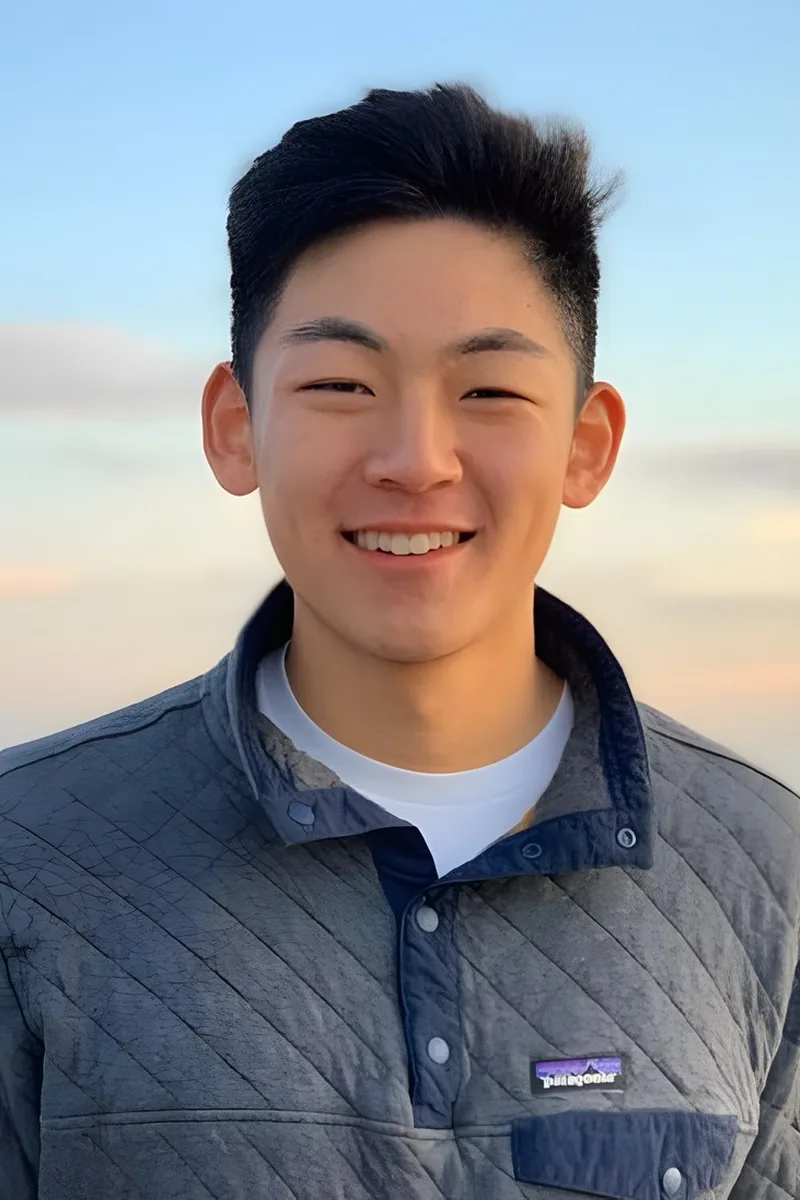
Proofs are usually the sticking point in geometry — students can calculate angles and areas but freeze when asked to construct a logical argument from postulates. Kevin tackles this by teaching proof strategy as a skill: identifying what's given, what's needed, and which theorems connect the two. His background in computational geometry and algorithmic thinking at Stanford gives him a structured approach that clicks for students who think logically.
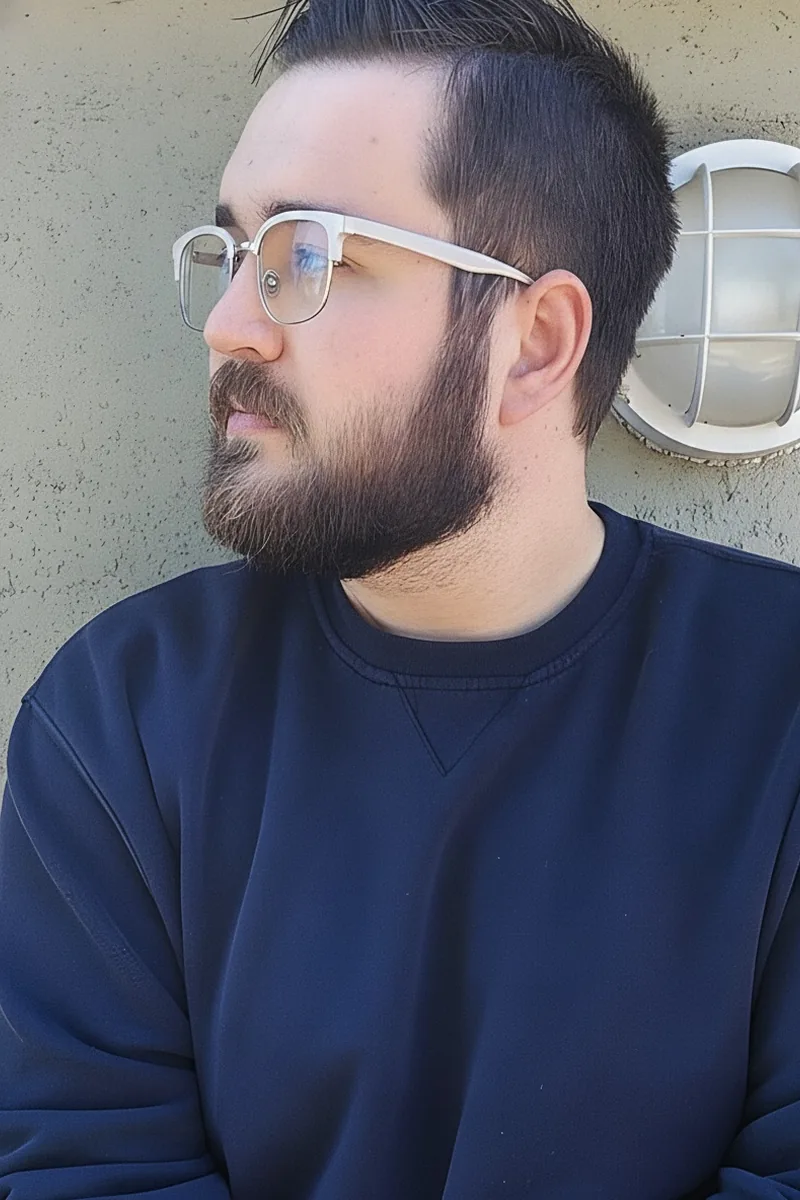
The leap from memorizing triangle theorems to actually writing a proof catches a lot of geometry students off guard — it's less about math and more about constructing a logical argument. Logan's divinity training, where building rigorous theological arguments from premises to conclusions is the daily work, translates directly to two-column and paragraph proofs involving congruence, similarity, and circle theorems. Rated 5.0 by students.
A Rice University grad with a kinesiology background, Addison understands how bodies move through space — and that physical intuition translates directly to geometry concepts like rotations, reflections, and symmetry transformations. She tackles the subject from a visual, movement-oriented angle, making abstract ideas about congruence and spatial relationships feel concrete and grounded.
A math degree means Jesse didn't just pass geometry — he studied the axiomatic structure underneath it, from Euclid's postulates through the formal logic that holds proofs together. That depth shows up when he teaches circle theorems and arc-angle relationships, breaking down why each result follows from the ones before it so students can reconstruct the reasoning on their own instead of memorizing a list of rules.
An accounting degree might not scream geometry, but Sowmya's economics and psychology minors at Louisville built the kind of structured, step-by-step reasoning that translates directly to working through geometric proofs and multi-step angle problems. She also coached a middle school Mock Trial team, where teaching kids to build logical arguments from evidence is essentially the same skill as constructing a two-column proof — just without the protractor.
A math degree from Rose-Hulman and a master's in computer science means Jacob has spent years thinking in formal logic — and that background pays off most visibly in geometry when students need to construct two-column proofs or reason through conditional statements about parallel lines and congruent triangles. He approaches each problem by first mapping out what's given versus what needs to be shown, turning intimidating diagrams into a clear sequence of justified steps. Rated 4.9 by students.
As a visual artist who has exhibited work in galleries, Nick brings an unusual spatial intuition to Geometry. He teaches proofs, congruence, and similarity by encouraging students to sketch, rotate, and physically manipulate shapes before writing formal arguments. That visual-first strategy turns abstract postulates into something students can actually see and defend.
I am in my final year in doctor degree, PhD in business/ analytics.
Proofs are usually where geometry students panic — the jump from calculating angles to constructing logical arguments feels like a different subject entirely. Isabella's MIT math training means formal reasoning is second nature to her, and she walks students through how to build a proof step by step, connecting geometric intuition to the structured logic on the page. She also covers coordinate geometry and triangle congruence with the same emphasis on understanding over memorization.
Proofs are usually where geometry students start to struggle, because the logic feels completely different from arithmetic. Judah approaches each proof as a puzzle, teaching students to identify the given information, spot congruence or similarity relationships, and build an argument step by step. He's patient enough to let the reasoning click on its own.
Dennis's research into quasicrystals and aperiodic tilings — like Penrose tilings of rhombuses — is geometry at its most fascinating, exploring how shapes fit together under unusual symmetry rules. That deep spatial intuition carries directly into high school Geometry, where he teaches proofs, congruence, and circle theorems by encouraging students to reason visually before writing anything formal.
Proofs are usually the part of geometry that makes students want to quit, but they're also the part that teaches the most transferable thinking skills. Benjamin approaches geometric proofs as structured arguments — each statement needs evidence, each step needs justification — which clicks especially well for students who think verbally. His background spanning both math and writing makes him effective at bridging that gap between visual intuition and formal reasoning.
Proofs are usually where geometry students panic, but they're really just logical arguments written in a specific format. Mackenzie teaches students to read a diagram like a puzzle — identifying congruent triangles, parallel-line angle relationships, or circle theorems before ever picking up a pencil. That visual-first strategy makes even two-column proofs and coordinate geometry problems feel approachable.
Kevin's Philosophy, Politics, and Economics program at Penn is essentially a training ground in structured argumentation — building claims from premises, identifying logical gaps, defending conclusions — which maps directly onto geometric proof-writing. He teaches students to treat two-column proofs the same way they'd treat a debate: state what you know, justify every step, and never skip a link in the chain. His 34 ACT composite reflects the kind of precise, methodical reasoning that makes geometry's logical demands feel manageable.
Holding dual degrees from UCLA in biology and mathematics-economics, Vinay brings an unusual ability to toggle between abstract reasoning and concrete problem-solving — exactly what geometry demands when a student has to move from reading a diagram to constructing a formal proof. He unpacks circle theorems and polygon properties by tying them back to the algebraic foundations students already have, closing gaps before they compound. Rated 5.0 by students.
Proofs are usually where geometry stops feeling like math and starts feeling like a foreign language. JF breaks down the logic behind two-column and paragraph proofs so students see them as structured arguments, not mysterious rituals. A 5.0 client rating speaks to an approach that makes even angle-chasing problems feel manageable.
Proofs are where most geometry students panic — the logic feels nothing like the arithmetic they're used to. Pinelopi breaks two-column and paragraph proofs into small reasoning steps, treating each one like a mini-argument rather than a memorization exercise. Her Duke psychology training actually lends itself well to teaching logical structure.
Proofs are usually the first place geometry students get stuck, because suddenly math requires constructing an argument instead of computing an answer. Samuel's background in algorithmic and combinatorial thinking — he served as a teaching assistant for a discrete math course — translates directly to teaching logical reasoning, from triangle congruence proofs to circle theorems.
A year as a course assistant in Harvard's math department taught Richard how to break abstract reasoning into concrete steps — a skill that pays off in geometry when students need to connect definitions, postulates, and theorems into a coherent proof. His government major, which is essentially an exercise in building airtight arguments from messy evidence, reinforces the same logical sequencing that two-column and paragraph proofs demand.
Proofs are usually where geometry stops feeling intuitive and starts feeling arbitrary. Anthony approaches them as logical arguments rather than rote templates, drawing on his background in math and philosophy to teach students how to construct reasoning step by step. His 5.0 rating speaks to how well that approach clicks.
Testimonials
Because the right Geometry tutor makes all the difference.
Average Session Rating – Based on 3.4M Learner Ratings
Practice Geometry
Free practice tests, flashcards, and AI tutoring for Geometry
Nearby Geometry Tutors
Other Louisville Tutors
Related Math Tutors in Louisville
Frequently Asked Questions
Many students struggle with the transition from algebra's procedural focus to geometry's emphasis on reasoning and proof. Common pain points include understanding spatial relationships, writing formal proofs, solving multi-step word problems, and visualizing how geometric concepts connect to real-world applications. Personalized tutoring helps students build confidence by breaking down these concepts into manageable steps and showing how different ideas relate to each other.
Proofs require both logical thinking and clear communication—skills that develop best through guided practice and feedback. Tutors work with students to understand the underlying reasoning before focusing on formal write-ups, helping them see proofs not as mysterious requirements but as logical arguments. This approach builds the problem-solving strategies and pattern recognition that make proofs manageable and even enjoyable.
The first session is an opportunity for a tutor to understand your student's current level, learning style, and specific challenges—whether that's struggling with proofs, word problems, or foundational concepts like angle relationships. You'll discuss goals and expectations, and the tutor will begin tailoring instruction to address gaps and build confidence. Most students leave the first session with a clearer sense of how to approach their geometry work.
Yes. Louisville's schools use different textbooks and approaches, and tutors are experienced working with various curricula including standard geometry programs, integrated math sequences, and honors-level geometry. Varsity Tutors connects you with tutors who can align their instruction to your student's specific textbook, pacing, and teacher's expectations, ensuring seamless support for classwork and assignments.
Word problems require students to translate real-world situations into geometric diagrams and equations—a skill that improves with structured practice. Tutors teach students to break problems into steps: identifying what's given, visualizing the geometry, choosing the right formulas, and checking their work. This methodical approach builds confidence and helps students see that word problems follow predictable patterns.
Absolutely. Math anxiety often stems from feeling lost or unsupported, and personalized 1-on-1 instruction directly addresses this by providing a judgment-free space to ask questions and work through challenges at your student's pace. When students experience success in small steps and understand the 'why' behind concepts, confidence builds naturally. Many students discover that geometry is actually more intuitive than they expected once they have proper guidance.
Tutoring rates vary based on the tutor's experience, qualifications, and your student's specific needs. Varsity Tutors works with you to find a tutor that fits your budget and learning goals. We recommend starting with a conversation about what your student needs—whether it's weekly support, test prep, or intensive help with a specific unit—so we can connect you with the right fit.
Contact Varsity Tutors to describe your student's goals and challenges, and we'll match them with an experienced tutor who understands geometry and can work with their learning style. You can arrange sessions at a time that works for your family, and most students see improvement in understanding and confidence within a few weeks of consistent tutoring.
Let’s find your perfect tutor
Answer a few quick questions. We’ll recommend the right plan and match you with a top 5% tutor.