Award-Winning Writing Tutors
serving Rockford, IL
Writing
Tutors in Rockford
Private 1-on-1 tutoring, weekly live classes for academic support, test prep & enrichment, practice tests and diagnostics, and more to elevate grades and test scores.
Based on 3.4M Learner Ratings
UniversitiesSchools & Universities
DeliveredHours Delivered
ProficiencyGrowth in Proficiency
Who needs tutoring?
No obligation. Takes ~1 minute.
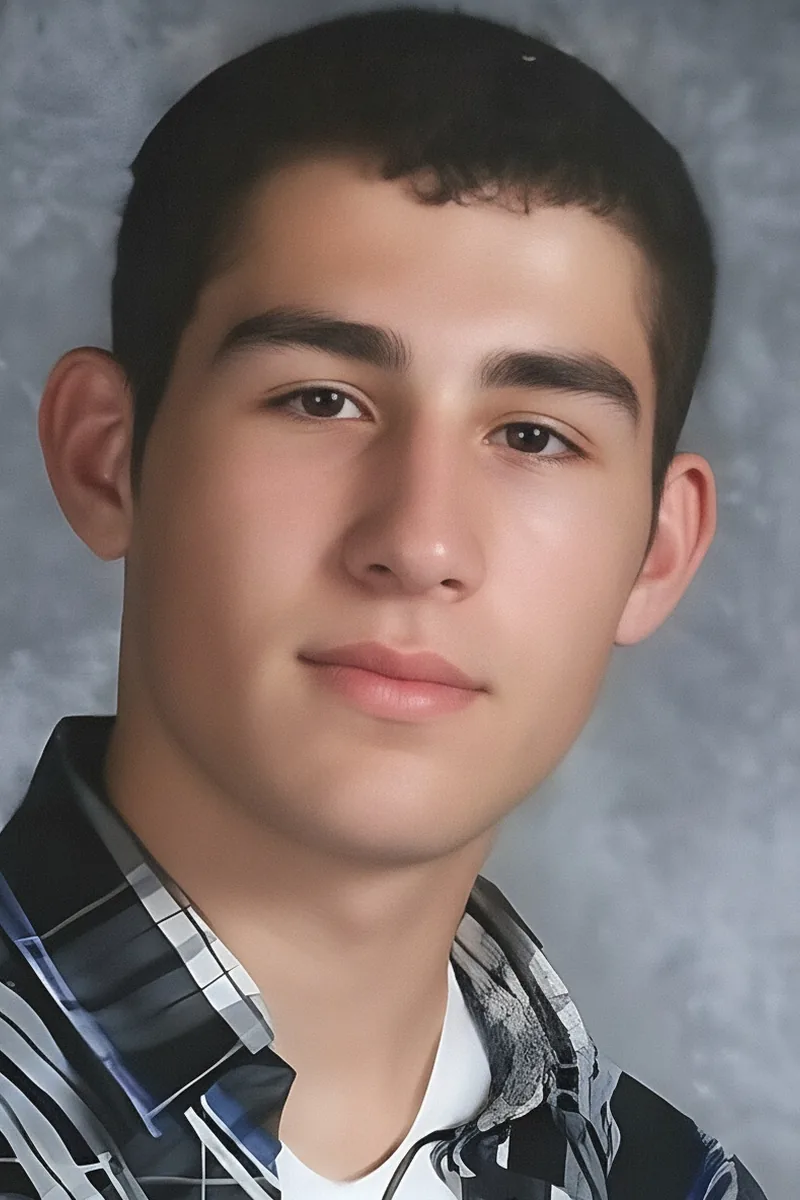
Christopher treats writing as engineering on the page: every paragraph needs a clear purpose, every transition should carry the reader forward, and the whole piece has to hold together under scrutiny. Whether a student is working on a personal narrative or a research paper, he digs into thesis development, organization, and voice to make the writing sharper from the inside out.
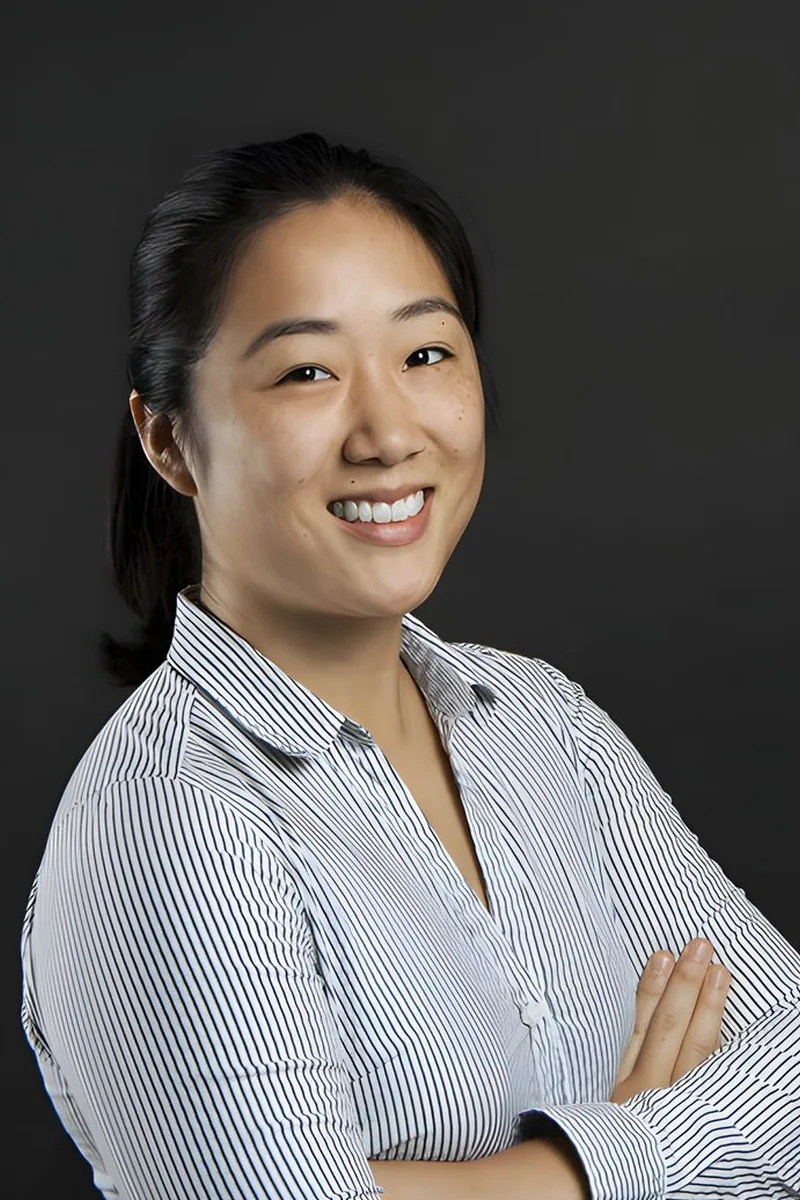
At the University of Chicago, every assignment was essentially a writing assignment — seminar papers, policy analyses, research proposals — which gave Asta deep practice in adapting voice and structure to different audiences. She teaches students how to outline before they draft, build paragraphs around single claims, and revise with purpose rather than just fixing commas.
From research abstracts in a biomedical engineering lab to personal narratives for scholarship applications, Ingrid has written across genres that demand very different voices — and she teaches students to adapt their tone, structure, and evidence to whatever the assignment requires. She's especially strong at showing writers how to move from a messy first draft to a polished final version through targeted revision rather than starting over.
Strong writing is really clear thinking on paper — and Jeff's philosophy training at Princeton was essentially a four-year boot camp in constructing airtight arguments. He teaches students to build paragraphs around single claims, use evidence precisely, and cut the filler that weakens persuasive and analytical writing. His publishing industry experience adds a practical edge: he knows what polished, readable prose actually looks like outside the classroom.
Strong writing starts with a clear argument, not a perfect first sentence. Connor teaches students to outline their central claim and supporting evidence before drafting, then revise in layers — structure first, then paragraph cohesion, then word choice. His graduate work in biomedical sciences demanded precise, concise prose, and he brings that same discipline to academic essays, research papers, and creative assignments alike.
Clear writing is really clear thinking made visible, and Emily's entire career — philosophy at Northwestern, then law — has been built on that principle. She teaches students to outline an argument before drafting, choose precise language over impressive-sounding filler, and revise by asking what each paragraph actually proves.
Strong writing starts with knowing what you actually want to say — then organizing it so a reader follows effortlessly. Anna approaches drafting as a process of building a clear argument or narrative arc, teaching techniques like reverse outlining and paragraph-level thesis statements that give students concrete tools. Her background spans scientific writing, academic essays, and personal narratives, so she adapts her feedback to whatever genre a student is tackling.
Most writing problems aren't really about grammar; they're about organization and clarity of thought. Alex breaks the writing process into concrete, repeatable steps — crafting a thesis that makes a genuine claim, building paragraphs around single ideas, and revising for precision rather than just length. His own graduate-level research writing keeps these skills sharp and practical.
Good writing instruction doesn't start with red ink on a finished draft — it starts with how a student organizes their thinking before they type a word. Molly teaches outlining, thesis development, and paragraph architecture from elementary through adult professional writing, drawing on her own experience producing two distinguished academic theses. She's rated 5.0 by students across all levels.
I am a recent graduate of the University of Chicago with a BA in English and a MA in the Humanities. My specialties are tutoring in test prep, writing, and reading. I am more than happy to spend time on my students outside of our organized sessions to ensure everyone meets their goals. Please do not hesitate to reach out if you have any questions. Looking forward to our tutoring sessions!
Benjamin treats writing as an exercise in structured thinking: before worrying about word choice or style, he tackles the architecture of an argument — what's the claim, what's the evidence, and does each paragraph earn its place? His economics and finance training at Notre Dame drilled this kind of logical scaffolding, and he applies it to everything from persuasive essays to research papers.
Whether a student is drafting a research paper, a personal narrative, or an argumentative essay, Todd zeroes in on the structural decisions that separate clear writing from muddled writing — thesis placement, paragraph architecture, and how to use evidence without letting quotes do all the talking. His graduate work at the University of Chicago demanded rigorous, concise prose across disciplines, and that training shapes how he teaches the craft. He holds a 5.0 rating from students.
Strong writing starts with having something specific to say and knowing how to organize it — thesis, evidence, analysis, transitions. Charles tackles each of those elements individually before putting them together, so students build real command over persuasive, narrative, and expository forms. His own training in composition means he treats every piece of writing as a craft problem with a workable solution.
The hardest part of writing for most students isn't grammar or vocabulary — it's figuring out what they're actually trying to say before they say it. Zac spends real time on pre-writing: outlining arguments, identifying a clear thesis, and mapping how each paragraph supports it. Once that architecture is solid, cleaning up sentence-level issues becomes straightforward rather than overwhelming.
Getting an idea from your head onto the page in a way that's clear and persuasive is a skill Jacob has been refining since his undergraduate years at Vanderbilt and continues to sharpen in graduate school. He teaches students to build arguments through concrete thesis development, evidence integration, and paragraph-level organization — the mechanics that turn a rough draft into a polished piece.
Strong writing starts with having something specific to say, then learning how to organize it so a reader follows without effort. Joshua teaches outlining as a thinking tool — not busywork — so students arrive at their first draft with a clear argument and supporting evidence already mapped out. His own writing across economics and international studies sharpened his ability to make complex ideas readable.
Three degrees from Northwestern — in theatre, marketing, and Spanish — meant Jack spent four years writing across wildly different formats, from analytical papers to creative pitches to foreign-language compositions. He teaches writing as a process of making deliberate choices about structure, evidence, and voice rather than following a rigid formula. Thesis development and transitions between paragraphs are two areas where he's especially effective.
Strong writing starts before the first draft — with a clear claim, a logical structure, and an honest understanding of the audience. Katie's humanities training across American Studies and Gender Studies means she's written extensively in academic, analytical, and personal registers, and she adapts her coaching to whichever mode a student needs. She's especially effective at teaching transitions and paragraph-level organization, the connective tissue that turns a collection of ideas into a cohesive argument.
Years spent in Northwestern's writing center — and then proofreading essays for public school students across Chicago — taught Nathaniel how to diagnose what's actually going wrong in a draft, whether it's a thesis that buries its argument or paragraphs that don't build toward anything. He breaks revision into concrete, repeatable steps: tightening claims, cutting filler, and restructuring for logical flow.
Clear writing is a skill Siva sharpened through years of lab reports, research papers, and medical school applications — genres where precision and structure aren't optional. He teaches students how to build a thesis, organize supporting evidence, and revise for clarity rather than just correcting surface errors. Rated 5.0 by students.
Getting ideas out of your head and onto the page in a way that's clear, structured, and compelling is a skill most students never get explicitly taught. With degrees in English and Psychology, Karishma breaks the writing process into manageable stages — from outlining an argument to revising for voice and flow — so drafts improve in real, visible ways.
At the University of Chicago, virtually every class requires rigorous written argumentation, which means Ethan writes — and revises — constantly across economics, policy, and the humanities. He teaches students how to build a claim, organize evidence logically, and write transitions that actually move an argument forward. Whether it's a personal narrative or a research paper, he breaks the drafting process into concrete, repeatable steps.
Clear writing starts with clear thinking, which is why Neha spends time on outlining and argument structure before students ever draft a full essay. Her science and public health training sharpened a particular skill that transfers well: presenting complex ideas in precise, organized prose. She tackles everything from five-paragraph essays to research papers, adjusting her approach based on the assignment's demands.
Strong writing starts with a clear claim and a plan for supporting it, but most students get stuck somewhere between the blank page and the finished draft. Gabriel teaches the messy middle — outlining, drafting topic sentences that actually drive an argument forward, and revising with purpose. His PhD work at the University of Chicago keeps him writing daily, and that practice informs how he coaches others through the process.
Clear writing starts with clear thinking, which is why Kruti spends time on outlining and thesis development before a student types a single sentence. Her scientific training at Northwestern drilled precision into every paragraph she wrote, and she applies that same discipline to persuasive essays, research papers, and creative pieces. Students come away knowing how to structure an argument and support it with specific evidence.
Strong writing is really rewriting — and that's where Mahalia spends most of her time with students, teaching them to revise for clarity, voice, and argument rather than just correcting surface errors. With a creative writing degree and experience across academic, personal, and college-application writing, she tailors each session to the specific genre and audience a student is working toward.
As a theater student and avid writer, Ariela treats writing as a craft with learnable techniques — outlining an argument, varying sentence rhythm, choosing precise language over vague filler. She walks students through the full process from brainstorming to polished draft, whether the assignment is a personal narrative or a research paper.
Getting ideas onto the page is one challenge; organizing them into something compelling is another. Sarah tackles both by teaching students to outline before they draft, build paragraphs around single claims, and revise with fresh eyes for tone and coherence. Her own background as an avid reader and writer at Northwestern means she can model what strong prose looks like across genres.
Getting ideas onto the page is one challenge; organizing them into something clear and persuasive is another. Ruth tackles both by teaching concrete techniques — outlining with a claim-evidence-reasoning structure, varying sentence length for rhythm, revising with specific goals per draft. Her background teaching high school English means she's seen every kind of writer's block and knows how to move past it.
Strong writing is really clear thinking on paper, and Dylan's statistics background at UChicago demands exactly that — precise claims backed by evidence, no filler. He tackles everything from thesis development and paragraph organization to word choice, teaching students to build arguments that hold up under scrutiny.
Good writing isn't about following a formula — it's about learning to hear the rhythm of your own sentences and sharpening them until they say exactly what you mean. Gabriel studies Literature & Philosophy at the University of Chicago, where close reading and precise argumentation are daily practice. He's taught essay construction to middle schoolers and literary analysis to undergraduates, so he adapts his feedback to wherever a writer is in their development.
Strong writing starts with having something specific to say and then finding the clearest way to say it. As a creative writing minor at Penn, Max tackles everything from argumentative essays to personal narratives, breaking down how to build a claim, select evidence, and control sentence rhythm. His dual background in science and the humanities means he's comfortable coaching both analytical and creative writing styles.
Getting from a blank page to a coherent argument is where most students stall, and Kathleen breaks that process into concrete steps: brainstorming with purpose, building an outline that actually functions as a roadmap, and drafting with a clear authorial voice. Her background spans both social sciences and humanities writing, so she adapts to persuasive essays, research papers, and personal narratives alike. She holds a 5.0 client rating.
I am an experienced tutor specializing in english, essay writing, communications and business. After completing the IB program at an international high school, I recently graduated from Northwestern University with a Bachelor of Science in Communication Studies, Business, and Integrated Marketing Communications. I grew up in a Korean household in China, so I am fluent in Korean and Chinese as well. Feel free to reach out for general inquiries on any classes or essay/writing help you need!
Hanlu treats writing as a thinking tool, not just an assignment to complete. She walks students through the full arc — brainstorming a thesis, organizing evidence, drafting with purpose, and revising with fresh eyes — so each step builds toward a clearer final product. Her own writing across International Relations coursework at Washington University keeps these skills sharp and current.
I am currently a senior at Northwestern University and I will be receiving a Bachelor of Arts in Political Science and Legal Studies this spring. In the fall, I will begin attending law school at Northwestern Law. For many years, I tutored a wide range of students in Spanish, English literature, and writing. I have also continued to help many high school seniors with college application essays. While I tutor a variety of subjects, I am very passionate about helping students improve their reading and writing skills, and I really enjoy helping students with Critical Reading and Writing portions of Standardized Tests. I love working with students and helping them realize their full academic potential. In my spare time, I enjoy traveling, exploring Chicago, reading, and cooking.
Clear writing is a skill Caroline has practiced across wildly different contexts: Chinese language compositions, pre-med research papers, and medical school case analyses. She teaches students to outline before drafting, build paragraphs around single claims, and revise with an ear for concision — skills that transfer whether the assignment is a persuasive essay or a personal reflection. Rated 5.0 by students.
Strong writing starts before the first sentence — with a clear thesis and an outline that actually earns each paragraph's place. Ilana's dual training in cognitive science and the humanities at Northwestern means she can teach both the logical architecture of an argument and the craft of making it compelling to read. She digs into everything from evidence selection to voice, depending on what a particular piece demands.
Every writing problem is really a thinking problem: unclear sentences usually mean the idea underneath hasn't been pinned down yet. Jack tackles writing assignments by getting students to articulate their argument out loud first, then translating that clarity onto the page through outlining and targeted revision. His Northwestern training across both analytical essays and creative scripts gives him range across research papers, personal narratives, and everything in between.
Scientific writing — structuring an argument, integrating evidence, maintaining clarity — is a skill Rashida honed across years of publishing research in cellular and molecular biology. She applies that same rigor to teaching essay organization, thesis development, and revision strategies for students at any level. Rated 5.0 by students.
Testimonials
Because the right Writing tutor makes all the difference.
Average Session Rating – Based on 3.4M Learner Ratings
Nearby Writing Tutors
Other Rockford Tutors
Related English Tutors in Rockford
Frequently Asked Questions
Varsity Tutors matches Rockford students with expert Writing tutors for 1-on-1 instruction. We pair each student with a tutor based on their specific needs, learning style, and goals.
Whether you need homework help, exam prep, or want to get ahead, our Writing tutors are ready to help.
Common challenges include gaps from earlier material, difficulty with specific concepts, and trouble applying learning to new problems. These issues can snowball quickly in Writing.
A tutor identifies where you're stuck, fills in gaps, and provides targeted practice. The 1-on-1 format means you get help exactly where you need it.
Tutors work with your student's actual coursework—homework assignments, class notes, and upcoming tests. This keeps tutoring directly relevant to what's happening in the classroom.
When you share information about your student's school and curriculum, we can match you with a tutor who has relevant experience.
All tutors complete background checks, credential verification, and teaching evaluation. Many of our Writing tutors hold advanced degrees or have years of teaching experience.
You can review tutor profiles to find someone with the right background for your student's level and needs.
Many students see improved grades within a few weeks, along with better understanding of Writing concepts and more confidence tackling challenging material.
Tutors track progress and adjust their approach to ensure continued improvement.
Most students benefit from 1-2 sessions per week. More frequent sessions help if your student is significantly behind or has an important exam coming up.
Your tutor can recommend a schedule based on your student's specific situation and goals.
Tutoring is purchased in packages of hours, with rates varying by tutor experience. Varsity Tutors offers several options to fit different budgets and needs.
You can discuss pricing during your consultation to find what works best.
Your tutor will assess where your student is, discuss goals, and start working on priority areas. Most students bring current homework or upcoming test material to focus on.
By the end, you'll have a clear sense of how the tutor can help and a plan for moving forward.
Let’s find your perfect tutor
Answer a few quick questions. We’ll recommend the right plan and match you with a top 5% tutor.