Award-Winning Special Education Tutors
serving Peoria, IL
Special Education
Tutors in Peoria
Private 1-on-1 tutoring, weekly live classes for academic support, test prep & enrichment, practice tests and diagnostics, and more to elevate grades and test scores.
Based on 3.4M Learner Ratings
UniversitiesSchools & Universities
DeliveredHours Delivered
ProficiencyGrowth in Proficiency
Who needs tutoring?
No obligation. Takes ~1 minute.
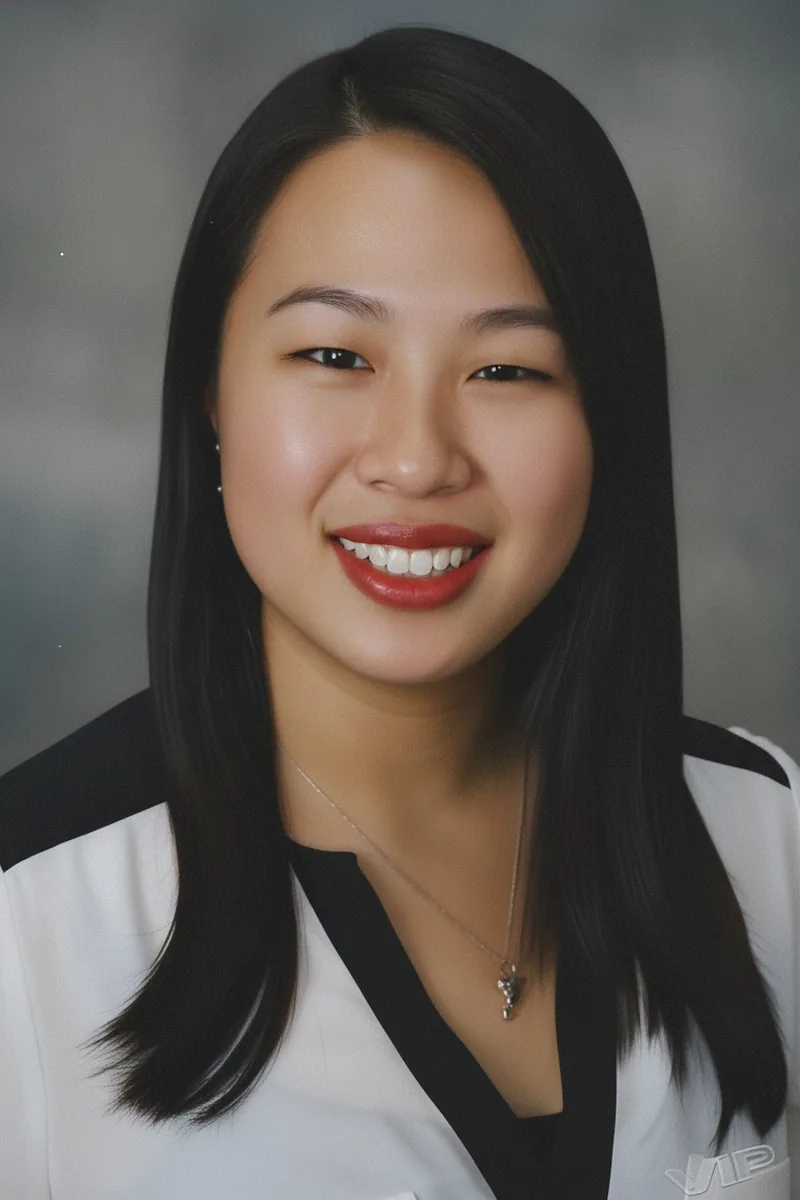
Every learner processes information differently, and Jessica adapts her teaching style accordingly — breaking concepts into smaller steps, using visual organizers, or finding alternative explanations when the standard one doesn't click. Her science and economics training means she can support students across multiple subjects while keeping the focus on building confidence and independence. She's patient, structured, and attentive to what each individual student actually needs to move forward.
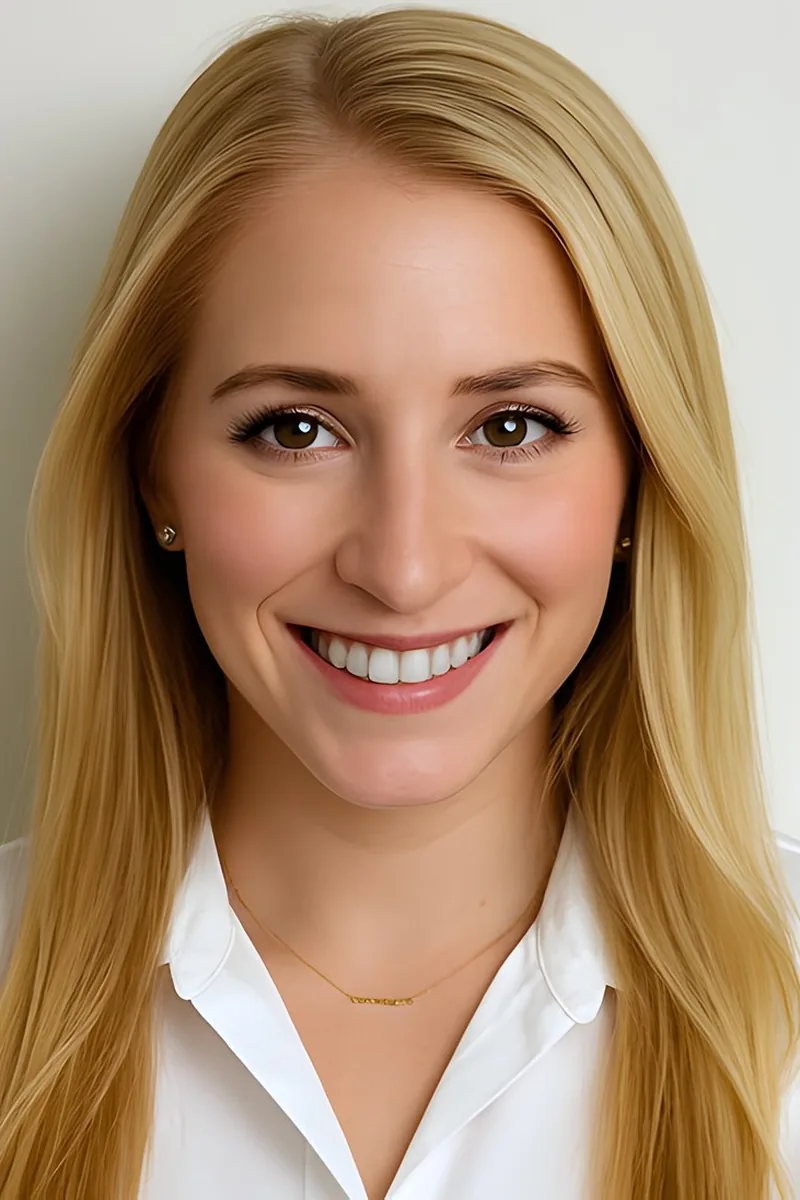
During her years teaching second through fourth grade, Molly worked daily with students who had a wide range of learning needs, from reading intervention to modified math instruction. She pulls from multiple curricula and adapts materials on the fly — adjusting pacing, breaking tasks into smaller steps, and using multisensory approaches to make concepts accessible. Her 5.0 rating speaks to how well that individualized approach works.
A Master's in Education trained Alan in differentiated instruction, IEP-aligned goal setting, and multisensory teaching methods that reach learners who struggle in traditional classroom environments. He adapts pacing and materials to match each student's processing style, whether the challenge involves reading comprehension, mathematical reasoning, or executive function skills. His 4.8 rating speaks to the patience and flexibility he brings to every session.
Hans completed his Northwestern economics degree in three years rather than four, which required him to develop precise study systems and organizational strategies — skills he now applies when building structured routines for students who need extra support with executive function, task management, and academic planning. His 5.0 rating and broad teaching range across math, reading, and writing mean he can identify where a student is struggling and adjust his approach across multiple subject areas in a single session.
Rebecca's graduate training in social work at the University of Chicago, combined with her undergraduate psychology research, gives her a sharp understanding of how different learners process information and what accommodations actually look like in practice. She adapts pacing, breaks down multi-step instructions, and uses individualized reinforcement techniques to keep students engaged and progressing. Rated 4.9 by families she's worked with.
Working professionally with young adults on the autism spectrum taught Hannah something most tutors learn slowly: every learner's brain organizes information differently, and instruction has to adapt in real time. She designs sessions around each student's specific processing style — whether that means breaking multi-step directions into visual checklists, adjusting pacing, or finding alternative ways into a concept that traditional instruction missed. Her 5.0 rating speaks to how well that individualized approach works.
Brendan holds a Master's in Special Education, which means he's trained in differentiated instruction, IEP goal alignment, and evidence-based interventions for learning disabilities like dyslexia and dyscalculia. He adapts lessons to match each student's processing style — whether that means multisensory math manipulatives, graphic organizers for writing, or modified pacing for reading tasks. His experience spans a wide range of ages and ability levels.
Before graduate school, Casey worked as a certified substitute teacher in both general and special education classrooms across Michigan's K-12 system. That experience taught her how to adapt pacing, break instructions into smaller steps, and use a student's own interests as entry points into reading, writing, and comprehension tasks. She's rated 5.0 by the students she's worked with.
Brigette is a practicing Learning and Behavior Specialist at a Chicago public school, where she designs and implements individualized instruction for students with diverse learning needs every day. She's trained in multisensory approaches like Wilson Reading and TouchMath, which means she can adapt lessons for students with IEPs or 504 plans rather than relying on one-size-fits-all methods. Rated 5.0 by families.
Hannah's Special Education degree at Purdue includes dedicated coursework in teaching elementary and middle school reading and math to diverse learners — so she's trained in phonics intervention, adapted math instruction, and adjusting strategies when something isn't clicking. Four years working alongside special needs students in an adaptive classroom before college gave her hands-on experience reading individual cues and shifting approaches in real time. Rated 5.0 by families.
As a full-time special education teacher on Chicago's South Side, Blakeley spends every school day modifying lessons across subjects — reading, math, science, writing — for students whose learning profiles demand more than standard instruction. Her Master's in Education and broad content knowledge let her align tutoring sessions directly to IEP objectives while keeping the material engaging enough that students actually want to show up.
As a certified Special Education teacher and Board Certified Behavior Analyst, Kate designs instruction around how each learner actually processes information — not around a one-size-fits-all curriculum. She adapts academic content across subjects like reading, math, and writing while building the self-regulation and executive functioning skills that underpin classroom success. Her dual expertise in special education and applied behavior analysis means interventions are both evidence-based and practical.
Occupational therapy is fundamentally about adapting tasks so people can succeed despite neurological, developmental, or learning differences — and that's the perspective Alex brings to tutoring. Currently in Washington University's OT Doctorate program with a neuroscience background, Alex understands how conditions like ADHD, dyslexia, and sensory processing challenges affect learning and tailors strategies accordingly, from breaking assignments into smaller steps to using multisensory approaches for retention.
Clinical psychology training fundamentally changes how you understand a struggling learner — Danny's PhD work gives him insight into the cognitive, emotional, and behavioral dimensions that shape how students with learning differences engage with academic material. He draws on formal counseling psychology methods to identify what's actually getting in the way, then adapts instruction accordingly, whether the barrier is processing speed, attention, anxiety around schoolwork, or something else entirely. Rated 5.0 by families.
Liz holds a master's in Special Education (Mild to Moderate Disabilities, grades 5–12) from Simmons College and has worked extensively with students who have learning disabilities, ADHD, dyslexia, and emotional impairments. That clinical training, paired with her hands-on experience teaching and directing tutors at a charter school in Boston, means she knows how to adapt instruction on the fly — whether that's restructuring a math lesson for a student with dyscalculia or building reading fluency strategies for a student with dyslexia. She designs individualized approaches grounded in each student's IEP goals and actual learning profile.
Earning her Master's in Special Education at NC State gave Sonja deep training in differentiated instruction, IEP goal alignment, and executive function coaching — the behind-the-scenes skills that make tutoring actually work for students with learning differences. She tailors sessions around each student's specific profile, whether that means multisensory reading strategies for dyslexia or chunked math instruction for students with attention challenges. Her 5.0 rating speaks to how well that individualized approach lands.
Patrick earned his Master's in Special Education from UIC's MEd + Licensure program, which means he's trained in differentiated instruction, IEP development, and evidence-based interventions for learning differences like dyslexia and ADHD. His undergraduate psychology degree adds a layer of understanding around how attention, memory, and motivation shape each student's learning profile.
Earning her Master's in Elementary Inclusive Education and Special Education at Columbia's Teachers College, Olivia is trained to differentiate instruction across learning profiles — whether a student has an IEP, a 504 plan, or simply learns differently than the standard classroom assumes. She breaks down academic content using multisensory techniques and scaffolded steps, connecting each lesson to the student's strengths rather than defaulting to one-size-fits-all methods.
Mati brings both professional and personal insight to special education — her doctoral work centered on learning disabilities, and as a mother of two children with dyslexia, she's navigated IEP meetings, accommodation plans, and reading interventions from every side of the table. She teaches strategies for decoding, multisensory learning, and self-advocacy that address the specific barriers a student faces. Rated 5.0 by students.
Teaching on an ESL elementary campus meant Madison regularly adapted lessons for students with vastly different learning needs, processing speeds, and communication styles. She builds individualized approaches — breaking instructions into smaller steps, using visual and auditory reinforcement, and adjusting in real time — so that each student can access the material at their own pace without feeling left behind.
A psychology degree gave Maggie a deep understanding of how learning differences — from ADHD to processing disorders — affect the way students absorb and retain information. She adapts lessons using multi-sensory techniques, scaffolded instructions, and frequent check-ins that keep students engaged without overwhelming them. Her approach is patient and structured, building skills at a pace that respects each learner's needs.
Holding a Texas Special Education teaching certification, Steve designs lessons around each learner's specific processing style rather than defaulting to one-size-fits-all worksheets. His approach leans heavily on multi-sensory techniques and scaffolded instructions, adjusting reading level, pacing, and task complexity so a student builds genuine confidence with the material.
Five years of working specifically with students who have learning differences — dyslexia, ADHD, processing disorders — taught Sydney that the content isn't usually the problem; it's the delivery. She redesigns how material is presented, using multisensory techniques and scaffolded instructions so that a student with an IEP or 504 plan can access the same curriculum their classmates see. Rated 4.9 by families.
Testimonials
Because the right Special Education tutor makes all the difference.
Average Session Rating – Based on 3.4M Learner Ratings
Nearby Special Education Tutors
Other Peoria Tutors
Frequently Asked Questions
Varsity Tutors matches Peoria students with expert Special Education tutors for 1-on-1 instruction. We pair each student with a tutor based on their specific needs, learning style, and goals.
Whether you need homework help, exam prep, or want to get ahead, our Special Education tutors are ready to help.
Common challenges include gaps from earlier material, difficulty with specific concepts, and trouble applying learning to new problems. These issues can snowball quickly in Special Education.
A tutor identifies where you're stuck, fills in gaps, and provides targeted practice. The 1-on-1 format means you get help exactly where you need it.
Tutors work with your student's actual coursework—homework assignments, class notes, and upcoming tests. This keeps tutoring directly relevant to what's happening in the classroom.
When you share information about your student's school and curriculum, we can match you with a tutor who has relevant experience.
All tutors complete background checks, credential verification, and teaching evaluation. Many of our Special Education tutors hold advanced degrees or have years of teaching experience.
You can review tutor profiles to find someone with the right background for your student's level and needs.
Many students see improved grades within a few weeks, along with better understanding of Special Education concepts and more confidence tackling challenging material.
Tutors track progress and adjust their approach to ensure continued improvement.
Most students benefit from 1-2 sessions per week. More frequent sessions help if your student is significantly behind or has an important exam coming up.
Your tutor can recommend a schedule based on your student's specific situation and goals.
Tutoring is purchased in packages of hours, with rates varying by tutor experience. Varsity Tutors offers several options to fit different budgets and needs.
You can discuss pricing during your consultation to find what works best.
Your tutor will assess where your student is, discuss goals, and start working on priority areas. Most students bring current homework or upcoming test material to focus on.
By the end, you'll have a clear sense of how the tutor can help and a plan for moving forward.
Let’s find your perfect tutor
Answer a few quick questions. We’ll recommend the right plan and match you with a top 5% tutor.